



menu

Burst Pipe Water Damage in Chicago – 24/7 Emergency Response with Immediate Water Extraction

When a ruptured pipe floods your property, minutes matter. Cornerstone Water Damage Restoration Chicago deploys certified technicians to Chicago homes and businesses within 60 minutes, stopping water intrusion before structural damage sets in.

Slider Image 1
Slider Image 2
Slider Image 3
Slider Image 4
Slider Image 5
Slider Image 7
Slider Image 8
Slider Image 9
Slider Image 10
Slider Image 11

Why Chicago Properties Face Unique Burst Pipe Risks

Chicago's freeze-thaw cycles are brutal on plumbing infrastructure. When winter temperatures swing from below zero to above freezing within 24 hours, water inside pipes expands and contracts, stressing copper joints and PVC connections. The result is broken pipe water damage that strikes without warning, flooding basements, soaking drywall, and saturating subfloors.

Older homes in neighborhoods like Lincoln Park and Wicker Park face additional risk. Many buildings erected before 1970 still rely on galvanized steel supply lines, which corrode from the inside out. You might not see visible rust on the exterior, but internal deterioration weakens pipe walls until pressure causes a sudden rupture.

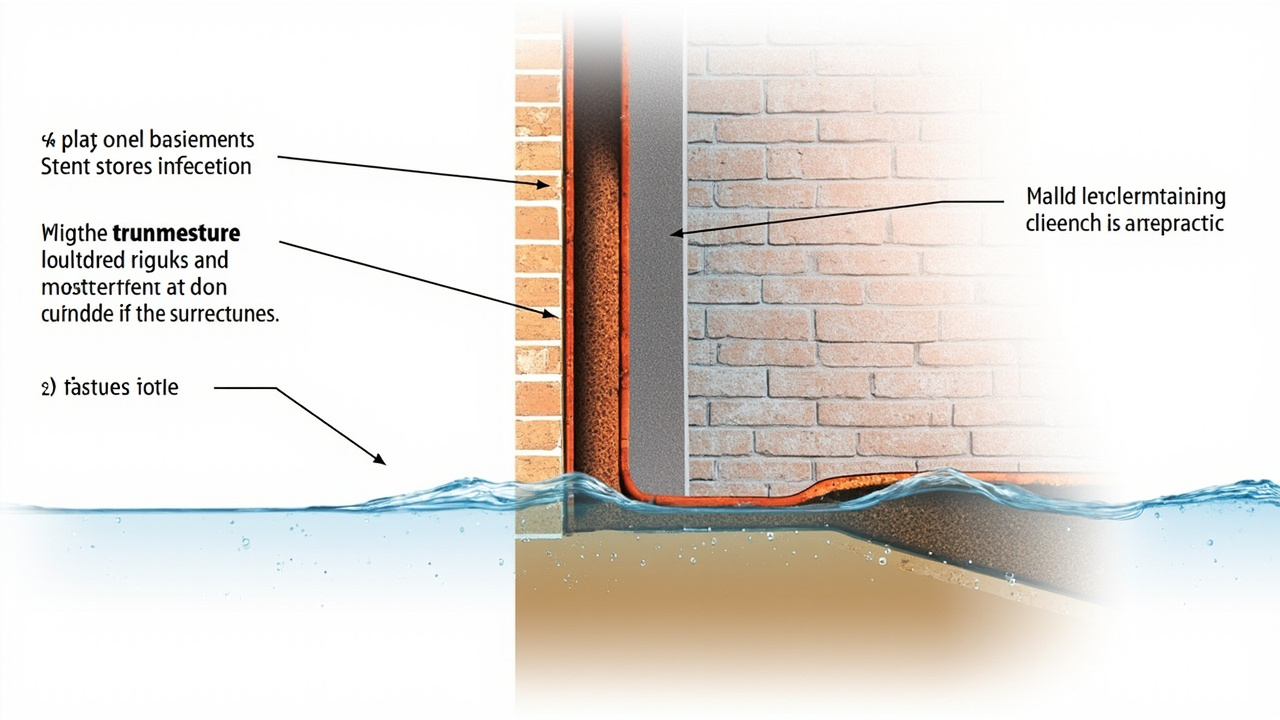
Water damage from burst pipe events escalates fast in Chicago's humid climate. Even in winter, moisture trapped in walls and crawlspaces creates ideal conditions for mold colonization within 48 hours. The city's clay-rich soil also complicates foundation drainage. When burst pipe flooding saturates the ground around your foundation, hydrostatic pressure forces water through basement cracks, compounding the damage.

Commercial properties face operational paralysis. A ruptured pipe water damage event in a restaurant kitchen or office building not only destroys equipment but triggers health code violations and lease compliance issues. The longer water sits, the more expensive burst pipe water cleanup becomes. Drywall turns to mush, hardwood floors buckle, and electrical systems short out. You need a team that understands Chicago building codes, responds immediately, and executes industrial-grade water extraction before secondary damage takes hold.

Why Chicago Properties Face Unique Burst Pipe Risks
Our Certified Water Extraction and Structural Drying Protocol

Our Certified Water Extraction and Structural Drying Protocol

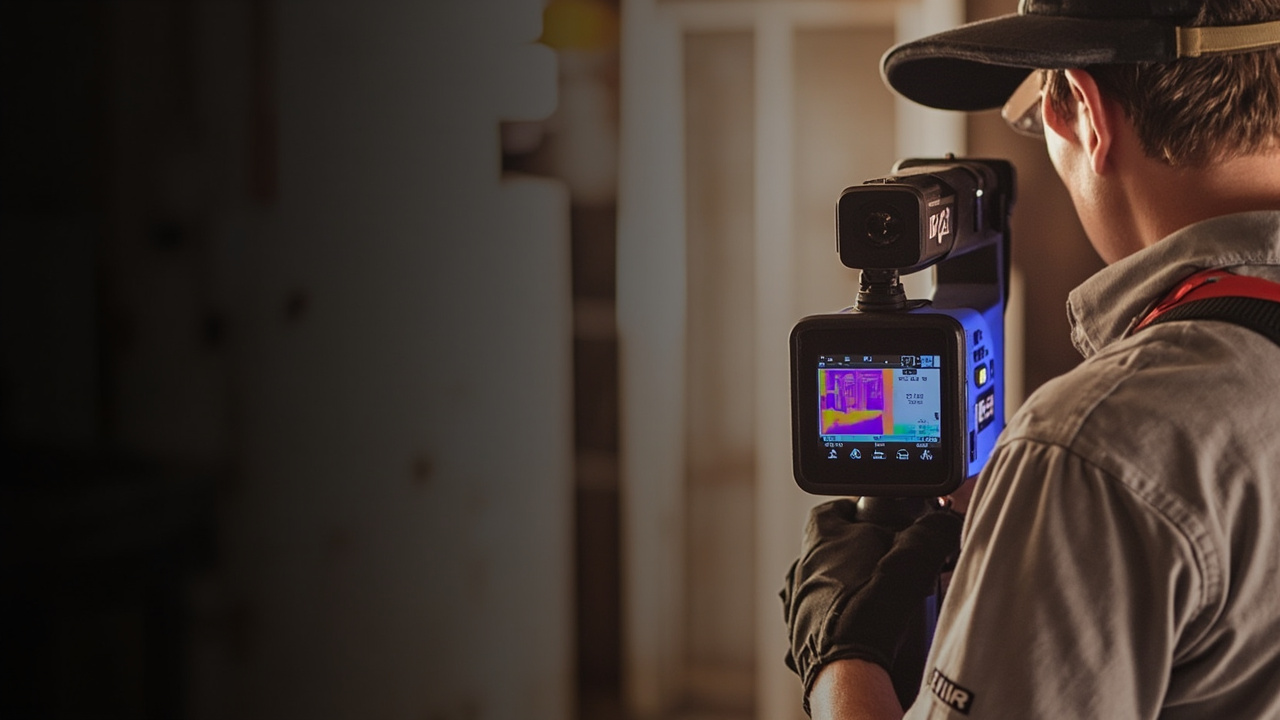
Cornerstone Water Damage Restoration Chicago does not just mop up water and call it done. We follow Institute of Inspection, Cleaning and Restoration Certification standards for water damage mitigation, which means we measure moisture content in building materials using thermal imaging cameras and pin-type moisture meters. This data tells us exactly where water has migrated, even into hidden cavities you cannot see.

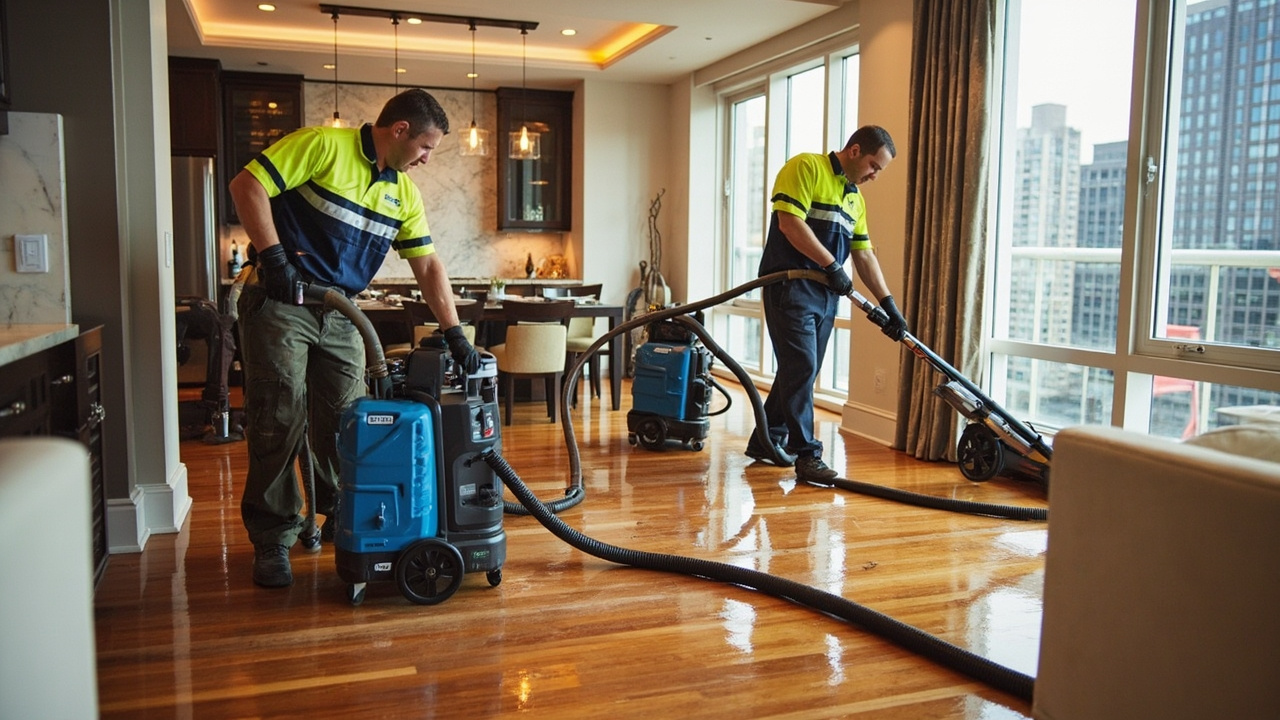
Our truck-mounted extraction units pull standing water at rates up to 200 gallons per minute. For broken pipe water damage affecting finished basements or upper floors, we deploy submersible pumps and weighted extraction wands to remove water from carpet padding and subfloors. Speed matters because Chicago's winters mean heating systems are running, which accelerates evaporation and drives moisture deeper into wall cavities.

After extraction, we establish controlled drying environments using commercial dehumidifiers rated for 150 pints per day and high-velocity air movers positioned strategically to create airflow across wet surfaces. We monitor drying progress daily with moisture readings, adjusting equipment placement until materials return to acceptable moisture levels. This prevents mold growth and eliminates the musty odor that lingers after improper burst pipe water cleanup.

We also handle the insurance documentation. Our technicians photograph damage, document moisture readings, and prepare detailed scope-of-loss reports that satisfy adjusters from State Farm to Allstate. We know what Chicago-area insurance companies require, which speeds up your claim and gets restoration moving faster. This is not guesswork. It is engineered drying backed by real-time data.

What Happens When You Call for Emergency Burst Pipe Service

Burst Pipe Water Damage in Chicago – 24/7 Emergency Response with Immediate Water Extraction
01

Immediate Water Shutoff

Our first priority is stopping the source. We locate your main water shutoff valve, close supply lines feeding the ruptured pipe, and assess the extent of burst pipe flooding. If the break involves frozen sections, we carefully thaw lines to prevent additional ruptures downstream. This containment phase prevents thousands of gallons from continuing to flood your property while we prepare extraction equipment.
02

Water Extraction and Inventory

We deploy truck-mounted extractors and portable pumps to remove standing water, starting with the deepest areas. Technicians document affected materials, photograph damage for insurance purposes, and move salvageable contents to dry areas. We use infrared cameras to trace water migration into walls, ceilings, and insulation. This diagnostic phase ensures we do not miss hidden moisture pockets that lead to mold growth and structural rot weeks later.
03

Controlled Structural Drying

We install industrial dehumidifiers and air movers calibrated to your property's cubic footage and moisture load. Daily moisture readings track drying progress in floors, walls, and framing. Once materials reach acceptable moisture thresholds, we remove equipment and provide a completion report. This documentation proves your property is dry, which protects you from future mold liability and satisfies insurance requirements for claim closure and repair authorization.

Why Chicago Property Owners Trust Cornerstone for Ruptured Pipe Emergencies

Choosing a water damage company in Chicago is not about picking the cheapest option. It is about finding a team that understands local building construction, responds immediately, and has the equipment capacity to handle large-scale flooding. Cornerstone Water Damage Restoration Chicago operates 24/7 dispatch, which means you get a live person when you call at 2 a.m., not a voicemail system.

We know Chicago buildings. Technicians on our team have restored everything from 1920s bungalows in Portage Park to high-rise condos along Lake Shore Drive. We understand how radiant heat systems in older homes complicate drying, how poured concrete foundations in newer subdivisions channel water, and how Chicago's strict building codes govern mold remediation and structural repairs. This local knowledge prevents mistakes that delay insurance claims or create code violations during rebuild.

Our equipment inventory includes enough dehumidifiers, air movers, and extractors to handle commercial-scale disasters, not just residential leaks. When a burst pipe floods a 10,000-square-foot office or retail space, you need a company with the trucks, manpower, and drying capacity to prevent business interruption from stretching into weeks. We have handled burst pipe water cleanup for restaurants, medical offices, and multi-unit apartment buildings across Chicago, coordinating with property managers and insurance adjusters to keep projects moving.

We also maintain direct relationships with licensed plumbers, electricians, and general contractors who perform the final rebuild work. This streamlines the restoration timeline. You do not waste time coordinating multiple vendors. We manage the entire process from emergency water extraction through final drywall repair and paint.

What to Expect During Your Burst Pipe Restoration Project

Emergency Response Time

When you call our emergency line, we dispatch a technician to your Chicago property within 60 minutes. Our trucks carry water extraction equipment, moisture meters, and containment supplies, so work begins immediately upon arrival. We operate around the clock because burst pipe water damage does not wait for business hours. Whether the break happens at midnight on Christmas or during a weekday afternoon, you get the same rapid response and professional service that stops damage from escalating.

Damage Assessment and Documentation

Our technicians perform a room-by-room assessment, measuring moisture content in floors, walls, and ceilings with calibrated meters. We photograph all affected areas and create a detailed loss inventory that includes damaged materials, furnishings, and systems. This documentation gets submitted directly to your insurance company with a scope of work and cost estimate. We know what adjusters need to approve claims quickly, which eliminates the back-and-forth that delays restoration starts and keeps your property wet longer than necessary.

Structural Drying and Verification

Drying timelines depend on the extent of water intrusion and affected materials. Most residential burst pipe flooding projects reach dry standard within three to five days. We monitor moisture levels daily and adjust equipment as needed. You receive a certificate of completion that documents final moisture readings, which protects you from future mold claims and provides proof of proper mitigation for insurance purposes. This verification is critical if you plan to sell your property or refinance, as it proves professional restoration occurred.

Post-Restoration Support and Rebuild Coordination

Once drying is complete, we coordinate rebuild work through our network of licensed contractors. This includes drywall replacement, flooring installation, painting, and trim work. We also provide recommendations for preventing future broken pipe water damage, such as pipe insulation upgrades, pressure regulator installation, or sump pump backup systems. If you experience any issues after project completion, our team remains available to address concerns and ensure you are satisfied with the final result. Chicago winters are unpredictable, and we stand behind our work.

Frequently Asked Questions

You Have Questions,
We Have Answers

Does insurance cover damage from burst pipes? +

Most homeowners insurance policies cover sudden and accidental burst pipe damage. This includes water damage to walls, floors, and belongings. Coverage typically applies when pipes freeze and rupture during Chicago's harsh winters. However, policies exclude damage from neglect or lack of maintenance. If you leave your home unheated for extended periods without draining pipes, insurers may deny claims. Sewer backups and slow leaks require separate endorsements. Review your policy declarations page and contact your agent immediately after a burst. Document everything with photos before cleanup begins.

Is water damage from a burst pipe covered by insurance? +

Yes, standard homeowners insurance usually covers water damage from burst pipes if the rupture is sudden and accidental. Chicago winters frequently cause frozen pipes that burst, and insurers recognize this as a covered peril. Your policy pays for structural repairs, flooring replacement, and damaged personal property. Deductibles apply, typically ranging from $500 to $2,500. Coverage excludes gradual damage from unaddressed leaks or maintenance neglect. If your home sits vacant during winter, you must maintain heat or drain the plumbing system to preserve coverage. File claims promptly and document all damage thoroughly.

How many hours below freezing to freeze pipes? +

Pipes can freeze when temperatures drop below 20 degrees Fahrenheit for six consecutive hours. Chicago's wind chill accelerates freezing in exposed pipes, attics, crawl spaces, and exterior walls. The exact time varies based on pipe location, insulation quality, and wind exposure. Unheated basements and exterior hose bibs freeze faster. Once water inside pipes freezes, expansion creates pressure that ruptures copper, PEX, or galvanized steel. Prevent freezing by maintaining indoor temperatures above 55 degrees, opening cabinet doors under sinks, and letting faucets drip during extreme cold snaps.

Who is responsible for burst water pipes? +

Responsibility depends on property ownership and pipe location. Homeowners own and maintain all plumbing inside their property lines, including pipes within walls and under slabs. You pay for repairs to interior supply lines and drain pipes. The City of Chicago maintains water mains in streets up to your property's curb stop valve. Landlords must repair burst pipes in rental properties unless tenant negligence caused the failure. In condominiums, the association typically handles pipes serving multiple units, while unit owners manage pipes exclusively serving their space. Review your deed and association bylaws.

What is the average insurance payout for water damage? +

Insurance payouts vary widely based on damage severity and policy limits. Minor burst pipe claims average $5,000 to $10,000 for drywall, flooring, and cleanup. Extensive damage affecting multiple rooms or floors can reach $20,000 to $50,000 or more. Mold remediation, structural repairs, and temporary housing add costs. Your deductible reduces the payout, and depreciation affects personal property reimbursement unless you carry replacement cost coverage. Chicago's older housing stock often reveals hidden damage during repairs, increasing claim amounts. Actual payouts depend on your specific policy limits, endorsements, and documentation quality.

How much does it cost to fix burst pipes? +

Repair costs depend on pipe location, material, and access difficulty. Simple exposed pipe repairs range from $150 to $350. Pipes buried in walls or under concrete slabs cost $500 to $2,500 due to demolition and restoration work. Replacing frozen burst pipes in finished basements or between floors requires opening ceilings and walls. Materials matter: copper costs more than PEX. Chicago's older homes often have corroded galvanized pipes requiring extensive replacement. Water damage restoration adds $2,000 to $10,000 for drying, mold prevention, and reconstruction. Get multiple quotes and verify contractor licensing.

Do insurance companies pay out for burst pipes? +

Yes, insurance companies pay burst pipe claims if damage meets policy terms. You must prove the rupture was sudden and accidental, not from deferred maintenance or neglect. Insurers require prompt notification, typically within 24 to 48 hours. They send adjusters to inspect damage and verify causation. Chicago's freeze-thaw cycles cause legitimate claims that insurers routinely approve. However, they deny claims when homes lack heat during vacancies or when slow leaks cause gradual damage. Maintain records of home heating bills and maintenance to support claims. Cooperation speeds payment processing.

What kind of water damage is not covered by insurance? +

Insurance excludes gradual damage from ongoing leaks, seepage, or maintenance neglect. Policies do not cover flooding from outside sources like rivers or storm surge. This requires separate flood insurance through FEMA. Sewer and drain backups need specific endorsements. Chicago's combined sewer system makes backup coverage essential. Damage from frozen pipes in unheated vacant homes may be denied. Mold growth from unaddressed moisture often faces coverage disputes. Earth movement, including foundation settling that cracks pipes, is excluded. Wear and tear or corrosion-related failures are your responsibility, not covered perils.

What to do immediately after a pipe bursts? +

Shut off your main water supply immediately to stop flooding. The shut-off valve is typically in your basement near where the main line enters. Turn off electricity to affected areas if water contacts outlets or appliances. Move furniture and valuables to dry areas. Open windows despite the cold to increase ventilation and prevent mold. Photograph all damage for insurance documentation. Call your insurance company right away. Contact a licensed water damage restoration company to extract water, dry structures, and prevent secondary damage. Chicago's cold winters can cause rapid freezing in wet materials, complicating recovery.

At what temperature should you let your faucets drip? +

Let faucets drip when outdoor temperatures fall to 20 degrees Fahrenheit or below, especially if wind chill drops lower. Chicago's lake-effect winds accelerate freezing in exposed pipes. Focus on faucets connected to exterior walls, unheated spaces, or pipes that previously froze. A pencil-lead-thin stream prevents pressure buildup and keeps water moving. Open hot and cold taps slightly. This wastes water but costs far less than burst pipe repairs and flood damage. During extreme cold snaps below zero, increase flow slightly. Maintain indoor temperatures above 55 degrees even when away.

How Chicago's Aging Water Infrastructure Increases Burst Pipe Risk

Chicago's water mains date back over a century in many neighborhoods, and while the city continues upgrading infrastructure, sudden pressure surges remain common. When crews shut down sections for repair, water hammer from valve closures sends shock waves through supply lines, stressing weakened joints in homes and commercial buildings. This phenomenon explains why multiple properties on the same block sometimes experience ruptured pipe water damage within days of each other. Older galvanized pipes simply cannot absorb these pressure spikes, leading to catastrophic failures that flood basements and crawlspaces without warning.

Chicago enforces strict mold remediation standards under the Illinois Department of Public Health guidelines, which means any water damage involving porous materials must follow documented drying protocols. Insurance companies operating in Cook County expect certified mitigation companies to provide moisture logs, thermal imaging records, and completion certificates. Cornerstone Water Damage Restoration Chicago maintains these standards on every project, ensuring your claim gets approved and your property meets code requirements. This local expertise prevents the compliance issues that derail restoration projects and leave you paying out of pocket.
Water Damage Restoration Services in The Chicago Area

Cornerstone proudly serves the entire Chicago area with fast, dependable water damage restoration services. Whether you’re located in downtown, the suburbs, or surrounding neighborhoods, we’re ready to respond to your call—day or night. Use the map below to see our local service coverage and find our nearest team. With mobile units throughout the city, help is never far away. If you’re facing water damage, reach out now and let us show you why homeowners and businesses choose Cornerstone.

Address:
Cornerstone Water Damage Restoration Chicago, 171 N Aberdeen St, Chicago, IL, 60607

Additional Services We Offer

Our news updates

Latest Articles & News from The Blogs

High Humidity and Mold Growth in Chicago Summers What Homeowners Need to Know Your basement smells musty. Your bathroom mirror…

Why high humidity in the Chicago summer makes water damage worse in Calumet Heights

High Humidity and Mold Growth in Chicago Summers What Homeowners Need to Know Your basement smells musty. Your bathroom mirror…

Managing water damage restoration in the high-end luxury builds of the Near North Side

Luxury Home Water Damage Restoration in Chicago's Near North Side A burst pipe at 2 AM in your Gold Coast…

How we use thermal imaging to find hidden leaks in West Ridge homes

Expert Infrared Leak Detection in Chicago Homes and Businesses A hidden pipe leak can destroy your property long before you…

Contact Us

Water damage spreads fast. Call Cornerstone Water Damage Restoration Chicago at (872) 266-1616 for immediate dispatch. Our technicians arrive within 60 minutes with industrial extraction equipment and start stopping the damage right away. Do not wait.