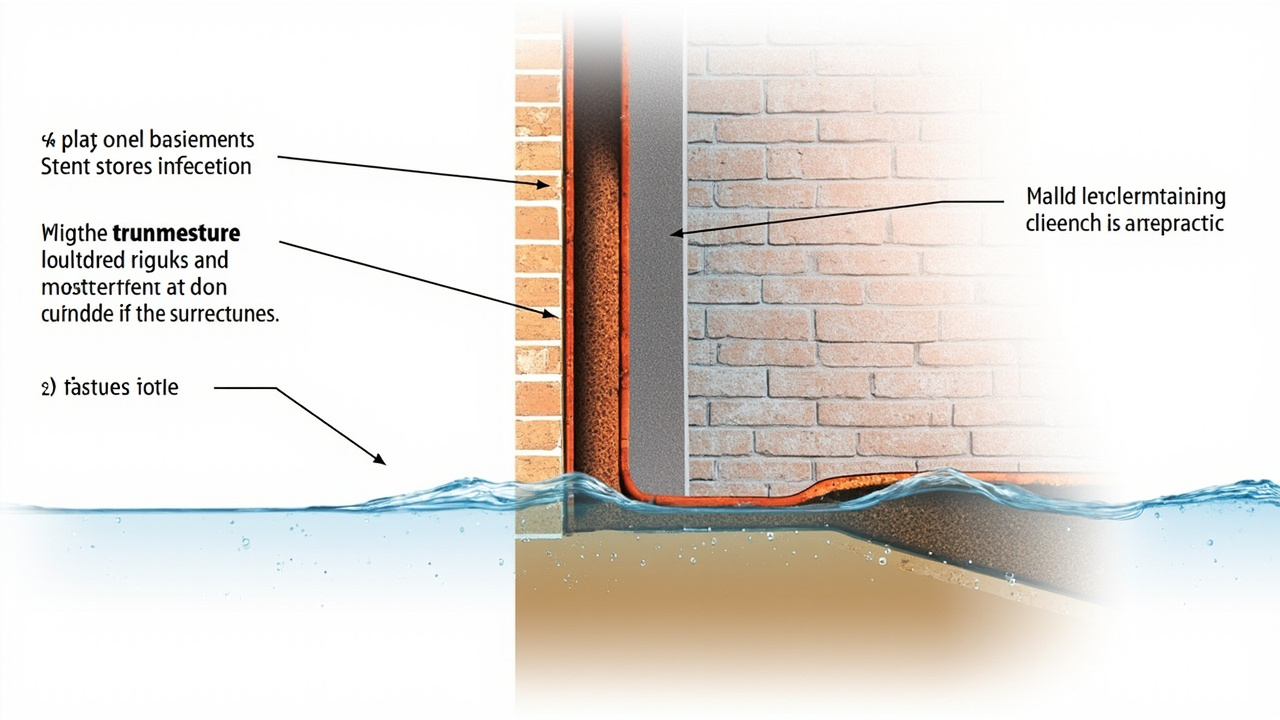






Chicago's proximity to Lake Michigan creates persistent humidity problems that accelerate stachybotrys chartarum colonization. Lake effect moisture keeps relative humidity above 60 percent for extended periods, especially in neighborhoods within two miles of the shoreline. This sustained moisture allows mold spores to germinate within 24 to 48 hours after landing on damp surfaces. The city's temperature swings between freezing winters and humid summers create condensation cycles that keep building materials perpetually damp. Basement apartments in areas like Edgewater and Rogers Park face constant groundwater seepage from the high water table, creating ideal conditions for toxic mold health effects to develop in residential spaces.
Cornerstone Water Damage Restoration Chicago understands the specific moisture dynamics affecting Chicago buildings. We have remediated black mold in every neighborhood from Andersonville to Beverly, working in brick three-flats, vintage courtyard buildings, and modern high-rises. Our technicians recognize construction methods unique to Chicago's architectural history and know where water intrusion occurs in different building types. We work with local industrial hygienists and environmental testing laboratories familiar with Chicago's baseline outdoor spore counts. This local expertise ensures accurate contamination assessment and prevents false positives from naturally occurring outdoor mold species. Chicago residents need specialists who understand how this city's climate and building stock create unique black mold health risks.