
Why Clogged Window Wells Flood Sauganash Basements (And How to Stop It)
Homeowners in Sauganash and nearby Lincoln Park face a specific window well problem that most national restoration guides miss entirely. Your basement window well is flooding right now. Water is soaking through your finished basement. You need immediate steps to stop the damage before mold takes hold and your foundation cracks widen.
Chicago’s dense clay soil, combined with spring snowmelt and heavy rain events, creates hydrostatic pressure that forces water into basement windows faster than standard sump pumps can handle. Sauganash’s proximity to the North Shore Channel and the ward’s historical drainage limitations make window well flooding especially common in this neighborhood. If your window well drain is clogged or missing, you are one heavy rainstorm away from thousands of dollars in water damage, structural repairs, and mold remediation.
This guide walks you through what is happening to your basement right now, what you can do in the next hour, and how to prevent window well flooding from destroying your property again.
What Happens When Your Window Well Floods
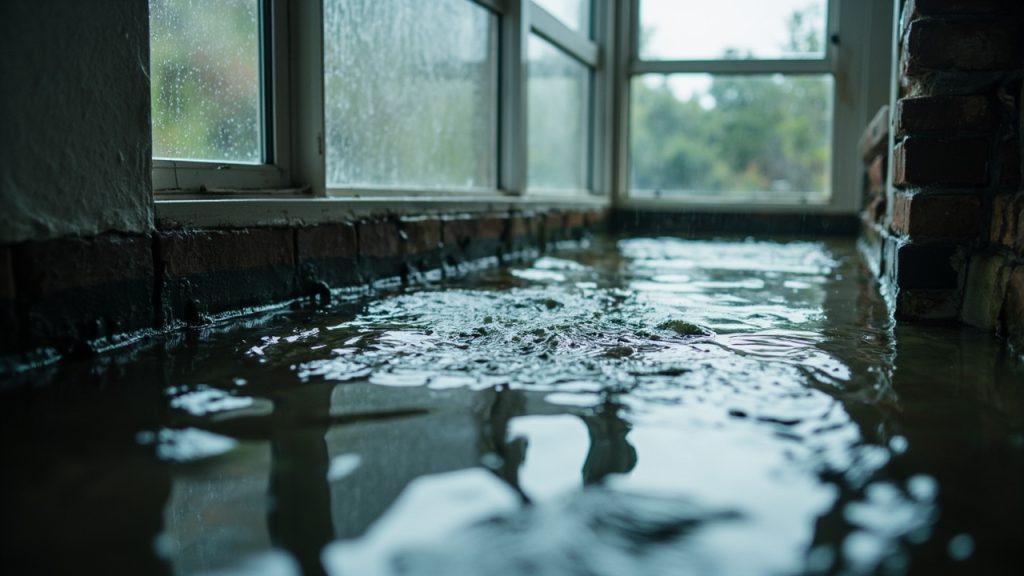
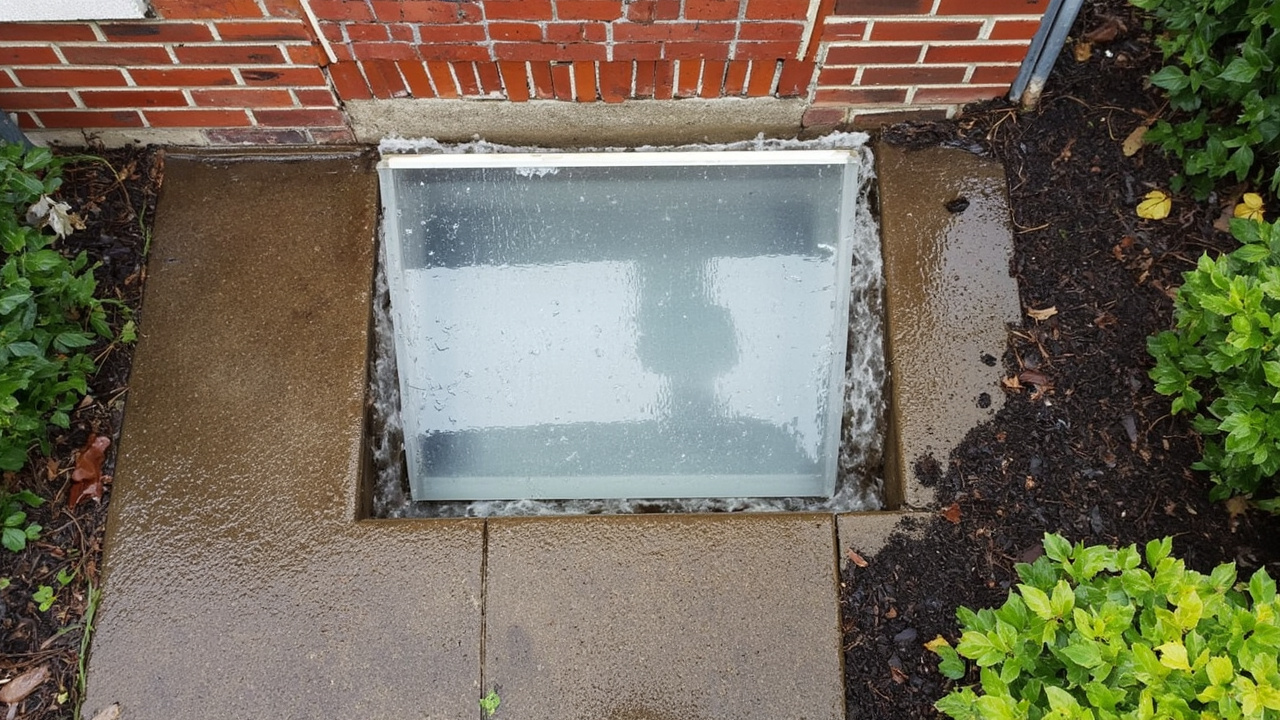
A window well sits below grade, meaning the ground outside is higher than the window itself. During Chicago’s spring rains or rapid snowmelt events, water pools in this depression faster than it can drain. Once the well fills, water begins pressing against the window frame with enormous force. This pressure, called hydrostatic pressure, pushes water through cracks in the frame, through weatherstripping gaps, and into your basement.
When built, your window well included a drain system designed to carry water away to your perimeter foundation drain or sump pump. But here is what breaks down in Chicago homes. The drain line gets clogged with soil, leaves, or debris. The drain opens to a sump pump that fails during peak demand. Or the drain never existed in the first place in older Chicago bungalows and two-flats.
Within hours of a heavy rain, your finished basement transforms from living space into a wet zone where water damage spreads across drywall, carpeting, and subflooring. Mold spores begin germinating within 24 to 48 hours on wet materials.. Read more about How to tell if your wet drywall can be saved or needs to be tossed.
Why Chicago’s Soil and Climate Make Window Wells Worse
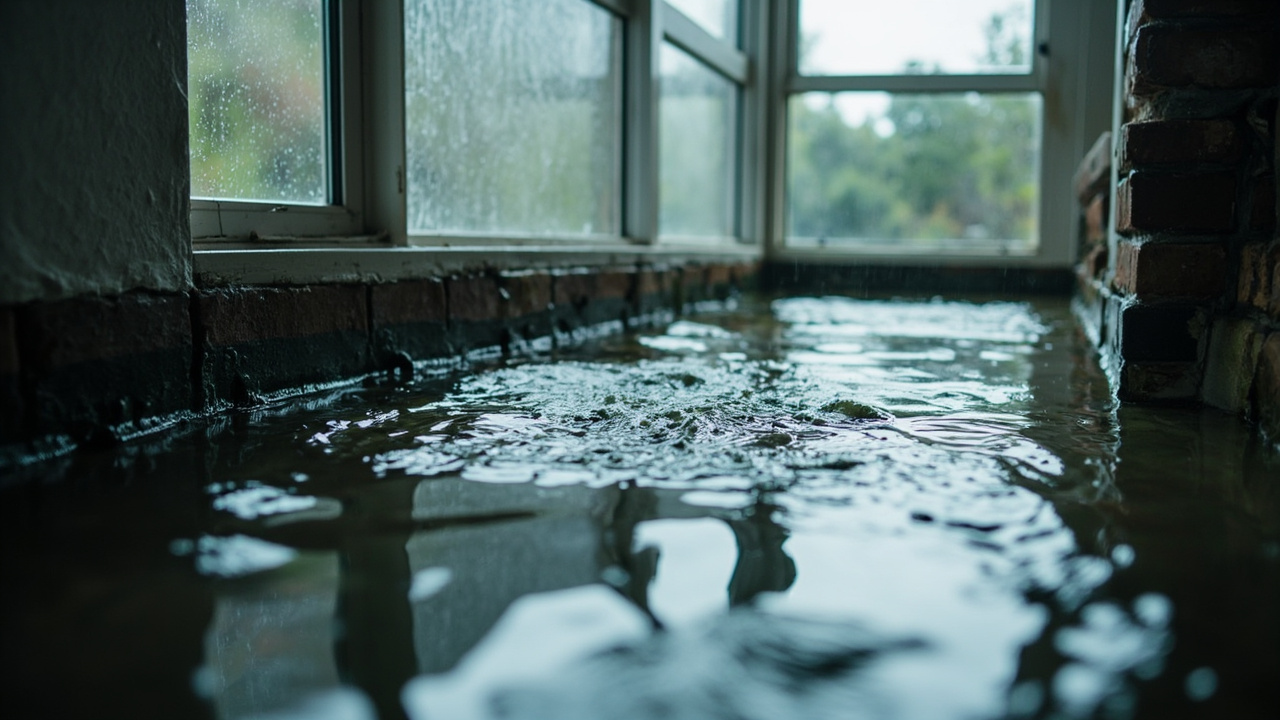
Chicago’s geographic position creates a perfect storm for basement flooding. The city sits on glacial deposits dominated by dense, fine-grained clay known locally as Chicago Blue Clay. This clay expands when wet and contracts when dry, creating movement in your foundation. More importantly, clay does not absorb water well. When rain falls, water runs across the surface toward the lowest point around your home. For most Sauganash and nearby Lincoln Park homes built in the early to mid-1900s, the lowest point is the foundation itself.
Sauganash faces additional drainage challenges beyond typical Chicago neighborhoods. Your location near the North Shore Channel and the ward’s mixed drainage infrastructure means stormwater systems sometimes back up during intense rainfall. Many older homes in Sauganash connect to combined sewer systems that can overwhelm during spring snowmelt. Building code enforcement patterns in the ward have historically focused on interior systems rather than exterior foundation drainage, leaving many homes with inadequate window well protection.
The city’s high water table makes this worse. Much of Chicago sits between 5 and 15 feet above the groundwater level. After heavy spring rains or during warm winter thaws, that water table rises further. Your window well sits right at this vulnerable zone.
Lake Effect storms off Lake Michigan bring intense rainfall within hours. A typical spring rain might drop one-quarter inch per hour. A Lake Effect event can dump one inch per hour. Your window well drain system, designed decades ago, cannot handle this volume.
The Four Reasons Window Well Drains Fail
Understanding why your drain failed tells you what needs fixing.
| Failure Point | What Happens | Prevention Step |
|---|---|---|
| Clogged drain line | Soil, leaves, and silt block the pipe carrying water away from the well. Water backs up and floods the window. | Inspect and clean the drain line annually in spring. Use a camera scope to verify water is flowing. |
| Sump pump failure | The pump motor fails, loses power during a storm, or cannot keep up with peak rainfall volume. Water fills the well faster than the pump can remove it. | Test your sump pump monthly. Install a battery backup and check its charge quarterly. Replace pumps older than 10 years. |
| No drain exists | Older homes lack a drainage system around window wells. Water pools in the well with nowhere to go. | Install a new drainage system. Route water to the sump pit or exterior grade away from the foundation. |
| Window well cover failure | The cover cracks, detaches, or never existed. Rain pours directly into the well rather than being diverted away. | Install a custom-fit polycarbonate or metal cover that sheds water away from the well opening. |
Your First Actions Right Now if Water is Entering
If water is actively entering your basement through the window well, follow these steps to minimize damage.
- Turn off all electricity to the affected basement area
Do not touch wet electrical outlets, switches, or appliances. Water and electricity create an electrocution risk. Turn off power at the breaker panel to anything in the wet zone.
- Move all items off the floor away from the water
Remove furniture, boxes, carpet edges, and stored goods from the wet area. Every hour that these items sit wet increases mold risk and permanent damage to the items themselves.
- Open windows and basement doors to create airflow
Stagnant air allows mold spores to settle and germinate. Fresh air circulation slows mold growth. If outdoor air is humid, use a dehumidifier instead.
- Document the water level and take photos of damage
Photo evidence is essential for your insurance claim. Capture the water line on walls, damage to flooring, and affected items. Record the date and time.
- Call your insurance company within the first two hours
Most homeowner policies require prompt notification. Your insurance adjuster needs to see the damage in its current state. Do not clean up or remove wet items until the adjuster inspects unless mold is actively growing.
- Contact a professional water extraction service
Do not attempt to pump out large volumes of water yourself. Professional restoration teams have industrial-grade extractors that remove water from walls, subflooring, and insulation, not just the surface. Cornerstone Water Damage Restoration responds to emergency calls 24 hours a day, 7 days a week, with crews arriving within 60 to 90 minutes in the greater Chicago area including Sauganash, Lincoln Park, and Evanston neighborhoods.
Short Term Solutions vs. Long Term Fixes
Once the immediate water is removed, you face a choice between temporary containment and permanent solutions. Both have their place depending on your timeline and budget.
Quick Fixes That Buy You Time
If you need to prevent the next rainstorm from flooding the window well while you plan a permanent fix, these steps help.
Install a temporary window well cover. Hardware stores sell basic plastic or polycarbonate covers that you can bolt onto the well frame. These shed rain away from the opening but do not address the drainage problem. They work for a few weeks or months until you arrange professional work.
Clean the drain line if you can access it. Use a shop vacuum or garden hose to flush debris from the drain outlet. If water flows freely, you have bought yourself time until the drain clogs again, likely within a few weeks in spring.
Grade the soil around the well. If the ground slopes toward the window well, regrade it so water runs away from the foundation. Move soil or add fill to create a slope that directs water away from the well opening. This reduces how much water pools in the well during rain.
Permanent Fixes That Stop Future Flooding
Real solutions address the underlying drainage failure. These require professional installation but prevent window well flooding for years.
Install a professional window well cover that is custom-fit to your well opening. Unlike hardware store covers, custom covers are engineered to shed all rain away from the window. They include a drain opening that channels water to your foundation drain system or sump pit. A professional cover typically lasts 10 to 15 years and costs significantly less than repairing water damage.
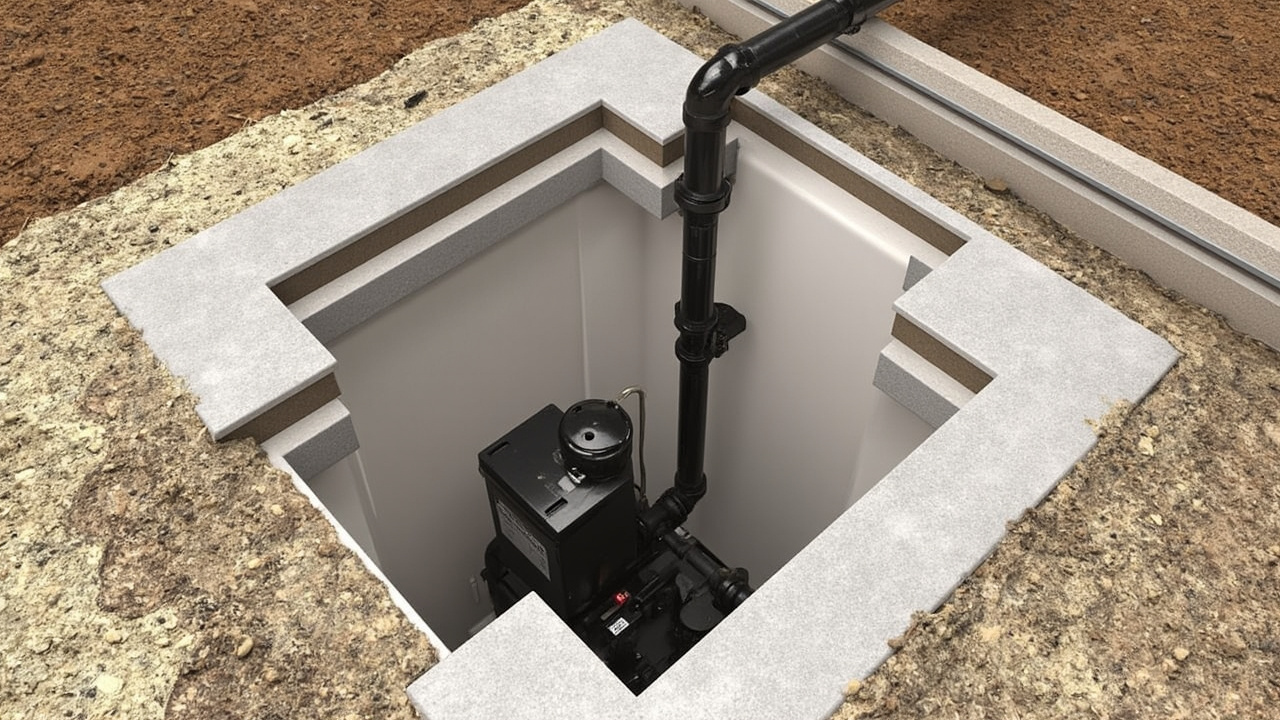
Install a dedicated sump pump and check valve for the window well. The pump sits in a small pit beneath the well and automatically activates when water rises. It pumps water away from the foundation to the exterior grade or storm drain system. This solves the problem of inadequate drainage even during intense rainfall. Add a battery backup system so the pump continues working if power fails during a storm.
Clear or install a new foundation drain system. Older Chicago homes often lack proper drainage around the foundation perimeter. A professional crew excavates around the well, clears any existing drain, and installs new perforated pipe that carries water away from your foundation. This is more invasive but solves the root cause of hydrostatic pressure buildup.
Re-grade the landscape. Professional grading ensures that all surface water slopes away from your foundation within at least 6 feet. Flat yards create pooling zones. A slight slope away from the home redirects water naturally.
Understanding Hydrostatic Pressure and Your Foundation
Hydrostatic pressure is the force that water exerts when it is confined. Imagine filling a cup of water and turning it upside down. The water pressure pushes outward in all directions equally. Underground around your foundation, the same pressure builds when soil becomes saturated.
Chicago’s clay soil reaches saturation quickly because it does not drain well. Once saturated, water pressure increases by roughly one pound per square foot for every foot of depth. At a basement window five feet below grade, the pressure can exceed 40 pounds per square foot. This pressure forces water through the tiniest gaps in your window frame.
Once water breaches the window or cracks in the foundation wall, it flows into your basement. The pressure never stops as long as soil remains saturated. Professional drainage systems work by channeling water away before it builds pressure, not by resisting the pressure itself.
Mold Risk After Window Well Flooding
Mold is the most dangerous consequence of basement flooding. Mold spores begin growing on wet drywall, carpet padding, and wood framing within 24 to 48 hours. Some mold species, particularly Stachybotrys and Aspergillus, produce mycotoxins that trigger respiratory illness, especially in children and people with asthma.
After water extraction stops, the real work begins. All wet materials must be dried within 48 hours or removed. Drywall that absorbed water for more than a few hours cannot be saved. The drywall core becomes a mold incubator even after surface drying.
Professional restoration teams use industrial dehumidifiers, air movers, and moisture meters to dry structural cavities and subflooring that you cannot see. They remove wet insulation, carpet padding, and damaged drywall. They apply antimicrobial treatments to stop mold growth on framing and other materials that can be saved.
Watch for signs of hidden mold after water damage. Musty odors indicate active mold growth in wall cavities or under flooring. Discoloration on drywall or framing, even weeks after water extraction, suggests mold is present.
Chicago Building Codes and Your Drainage Obligations
Chicago Building Code Section 310.3 requires all basement window wells to include a drainage system. The code specifies that water must drain either to the exterior grade or to an interior sump pit. Window wells cannot simply pool water indefinitely. The Chicago Department of Buildings enforces these requirements during property inspections and when violations are reported.
If your home was built before these codes took effect or was never updated, your window well may lack proper drainage. Upgrading to code compliance is not just a preference. When you sell your home, the inspector will flag a non-compliant window well. More importantly, an inadequate drain exposes your foundation to ongoing water damage.
For homes with basements used as living spaces, the code requires an emergency egress window. The window well must include a cover that can be quickly removed or opened. Your window well cover cannot be permanently sealed shut even if it would keep water out better.
Professional Water Extraction vs. DIY Attempts
| Factor | DIY Approach | Professional Restoration |
|---|---|---|
| Water removal speed | Shop vac or rented pump removes surface water in 4 to 8 hours. Does not reach water in walls or subflooring. | Industrial extractors remove water from all materials including structural cavities within 1 to 2 hours. |
| Drying capacity | Fans and dehumidifiers you own are undersized for basement water damage. Drying takes 2 to 4 weeks with ongoing mold risk. | Industrial dehumidifiers and air movers dry the space in 3 to 7 days. Moisture meters verify dryness before completion. |
| Mold prevention | Standard cleaning does not reach mold spores in wall cavities or subflooring. Hidden mold grows under surfaces you cannot see. | Antimicrobial treatments applied during extraction phase stop mold germination. Structural drying prevents conditions that allow mold. |
| Insurance documentation | You provide your own photos and descriptions. Insurance adjuster may dispute your damage assessment. | Restoration team provides detailed moisture mapping, thermal imaging, and professional damage reports that insurance companies accept. |
| Hidden damage discovery | You may not identify structural damage, electrical hazards, or contaminated materials until weeks later when problems emerge. | Technicians identify compromised studs, electrical damage, and hazardous materials before they become expensive problems. |
The cost difference between DIY and professional extraction is often smaller than the cost difference between today’s damage and the mold remediation, structural repair, and finished basement replacement that follows poor drying. Most homeowners underestimate how much water reaches inside wall cavities and subflooring.
Why Your Sump Pump Fails During Peak Demand
Your sump pump was installed to handle the average wet season. When Chicago experiences a 100 year storm or unexpected spring melt, the pump cannot keep up. The well fills faster than the pump can empty it. Water spills into your basement through the window well or through foundation cracks.
Most sump pumps run on household power. During major storms, power outages are common. Your pump stops working just when you need it most. A battery backup system adds redundancy so the pump continues working for several hours during a power failure.
Check your sump pump monthly. Listen for it to activate and deactivate as you pour water into the pit. If it makes grinding noises, fails to activate, or runs continuously, it needs replacement. Pumps older than 10 years have a high failure rate. Do not wait until a heavy rain to learn your pump is dead.
When to Call Professional Restoration Help
Call a professional restoration company immediately if any of these conditions apply.
- Water is actively entering your basement right now through the window well or foundation cracks
- Water has been sitting in the basement for more than 4 hours
- The water level affects electrical outlets, appliances, or the HVAC system
- You cannot identify the water source or the flooding is from an unknown origin
- You smell musty or moldy odors in the basement within days of water damage
- The water appears discolored, contaminated, or came from a sewage backup
- You have already attempted DIY cleanup and the space remains damp after 48 hours
- You discover visible mold growth on walls, framing, or stored items
Professional water damage teams in Chicago handle the extraction, drying, and mold prevention while you handle insurance claims and planning the permanent fix.
Handling Your Insurance Claim for Window Well Flooding
Most standard homeowner policies cover sudden, accidental water damage. A sump pump failure or a clogged drain that leads to basement flooding qualifies. Policies typically exclude water damage from poor maintenance, gradual seepage, or failure to maintain grading around the foundation.
Your insurer will distinguish between covered flood and excluded seepage. A flood event is sudden and caused by a mechanical failure or act of nature. Seepage is ongoing water entry from poor drainage. The difference affects your payout significantly.
Document everything immediately when flooding occurs. Take photos of the water level, affected materials, and the window well itself. Write down the date, time, rainfall amount, and what you did first. Note the sump pump running or failing. Your notes help the adjuster understand whether this was sudden failure or ongoing neglect.
Professional restoration teams work directly with insurance companies. They provide detailed damage reports, moisture mapping, and scope-of-work documents that insurance adjusters understand and accept. This reduces back-and-forth delays and increases the likelihood of full coverage.
Prevention Steps That Work in Chicago’s Climate
Once your basement is dry and clean, prevention is far simpler than recovery.
Install a custom window well cover. This single step eliminates direct rain entry into the well. Covers shed water away from the window opening.
Test your sump pump monthly and replace it every 10 years. Add a battery backup system. When your pump fails during the next storm, the backup keeps water moving.
Clear the well drain annually in spring before heavy rains arrive. Use a camera scope to verify water flows freely from the well to your drainage system.
Grade the soil away from your foundation on all sides. Water should run away from your home, not toward it. Check grading after landscaping work since contractors often regrade toward the foundation.
Inspect foundation walls in the basement for new cracks. Cracks develop during freeze thaw cycles when water in soil expands. Seal cracks with concrete patching compound before they allow water entry.
Keep gutters and downspouts clean. Route downspouts at least 6 feet away from the foundation. Water from the roof should not flow along your foundation toward the basement.
Frequently Asked Questions
How long does it take for mold to grow after window well flooding?
Mold spores begin germinating on wet materials within 24 to 48 hours. Visible mold colonies may not appear for several weeks, which is why many people miss hidden mold growth inside wall cavities. This is why professional drying within 48 hours is critical. The goal is to dry the space faster than mold can establish.
Can I just seal my basement window to prevent flooding?
Sealing the window violates Chicago Building Code if the basement is finished as living space. The code requires an emergency egress window. Sealing also does not solve the underlying hydrostatic pressure problem. Water will find another path into your basement through cracks or other openings.
What is the difference between a window well cover and a window well drain?
A cover prevents rain from pooling in the well by shedding water away. A drain removes water that does pool by carrying it to a sump pit or exterior grade. Both are necessary. A cover without a drain still floods if drainage fails. A drain without a cover allows rain to fill the well unnecessarily.
Do I need to hire a professional or can I install my own window well cover?
Hardware store covers can be installed by homeowners, but they are generic and often do not fit well. Custom-fitted professional covers are engineered for your specific well size and include integrated drainage. They last much longer and perform better during heavy rain. Professional installation ensures the cover is sealed properly and drainage is routed correctly.
Should I worry about my window well if my basement has not flooded yet?
Yes. Chicago neighborhoods like Sauganash, Lincoln Park, and nearby areas face increasing storm intensity. A window well that has not flooded yet is likely to flood eventually. Spring snowmelt and Lake Effect storms are becoming more intense. Prevention today costs far less than water damage restoration later.
Take Action Today to Protect Your Basement
Window well flooding destroys Chicago basements quickly and silently. Your finished basement, electrical systems, HVAC, and structural integrity are all at risk during the next heavy rain. Mold growth follows within days if water sits and dries slowly.
If water is entering your basement right now, call Cornerstone Water Damage Restoration immediately. We respond to emergency calls 24 hours a day, 7 days a week, with crews arriving in 60 to 90 minutes across Chicago including Sauganash, Lincoln Park, Evanston, and surrounding neighborhoods. Our technicians extract water from walls, subflooring, and structural cavities that standard shop vacs miss. We apply antimicrobial treatments and use industrial dehumidifiers to dry your basement before mold begins growing.
If your basement has not flooded yet, schedule a free inspection and window well assessment. We will identify whether your current drainage is adequate for Chicago’s spring storms. We can recommend whether you need a simple cover upgrade, a sump pump battery backup, or more comprehensive foundation drainage work. Most homeowners invest in prevention before they face emergency water damage restoration.
Contact Cornerstone Water Damage Restoration today at our Chicago emergency line. Tell us your situation. We will guide you through the next steps and dispatch a crew if needed. Your basement and your family’s health depend on it.
{
“@context”: “https://schema.org”,
“@type”: “BlogPosting”,
“headline”: “Basement Window Well Flooding in Chicago: Causes, Fixes and Emergency Help”,
“description”: “Clogged window wells flood Sauganash basements. Learn why Chicago clay soil causes hydrostatic pressure and get professional fixes to prevent water damage.”,
“wordCount”: 3482,
“datePublished”: “2026-04-30T11:02:00.000Z”,
“dateModified”: “2026-04-30T11:02:00.000Z”,
“inLanguage”: “en-US”,
“mainEntityOfPage”: {
“@type”: “WebPage”,
“@id”: “https://cornerstonewaterdamagerestorationchicago.com”
},
“publisher”: {
“@type”: “LocalBusiness”,
“name”: “Cornerstone Water Damage Restoration Chicago”,
“url”: “https://cornerstonewaterdamagerestorationchicago.com”
},
“author”: {
“@type”: “Organization”,
“name”: “Cornerstone Water Damage Restoration Chicago”,
“url”: “https://cornerstonewaterdamagerestorationchicago.com”
},
“image”: {
“@type”: “ImageObject”,
“url”: “https://cornerstonewaterdamagerestorationchicago.com/wp-content/uploads/2026/03/the-hidden-danger-of-clogged-window-wells-in-sauga-1.jpg”
}
}
{
“@context”: “https://schema.org”,
“@type”: “LocalBusiness”,
“name”: “Cornerstone Water Damage Restoration Chicago”,
“url”: “https://cornerstonewaterdamagerestorationchicago.com”,
“address”: {
“@type”: “PostalAddress”,
“addressLocality”: “Chicago”
},
“areaServed”: {
“@type”: “City”,
“name”: “Chicago”
}
}
{
“@context”: “https://schema.org”,
“@type”: “FAQPage”,
“mainEntity”: [
{
“@type”: “Question”,
“name”: “How long does it take for mold to grow after window well flooding?”,
“acceptedAnswer”: {
“@type”: “Answer”,
“text”: “Mold spores begin germinating on wet materials within 24 to 48 hours. Visible mold colonies may not appear for several weeks, which is why many people miss hidden mold growth inside wall cavities. This is why professional drying within 48 hours is critical. The goal is to dry the space faster than mold can establish.”
}
},
{
“@type”: “Question”,
“name”: “Can I just seal my basement window to prevent flooding?”,
“acceptedAnswer”: {
“@type”: “Answer”,
“text”: “Sealing the window violates Chicago Building Code if the basement is finished as living space. The code requires an emergency egress window. Sealing also does not solve the underlying hydrostatic pressure problem. Water will find another path into your basement through cracks or other openings.”
}
},
{
“@type”: “Question”,
“name”: “What is the difference between a window well cover and a window well drain?”,
“acceptedAnswer”: {
“@type”: “Answer”,
“text”: “A cover prevents rain from pooling in the well by shedding water away. A drain removes water that does pool by carrying it to a sump pit or exterior grade. Both are necessary. A cover without a drain still floods if drainage fails. A drain without a cover allows rain to fill the well unnecessarily.”
}
},
{
“@type”: “Question”,
“name”: “Do I need to hire a professional or can I install my own window well cover?”,
“acceptedAnswer”: {
“@type”: “Answer”,
“text”: “Hardware store covers can be installed by homeowners, but they are generic and often do not fit well. Custom-fitted professional covers are engineered for your specific well size and include integrated drainage. They last much longer and perform better during heavy rain. Professional installation ensures the cover is sealed properly and drainage is routed correctly.”
}
},
{
“@type”: “Question”,
“name”: “Should I worry about my window well if my basement has not flooded yet?”,
“acceptedAnswer”: {
“@type”: “Answer”,
“text”: “Yes. Chicago neighborhoods like Sauganash, Lincoln Park, and nearby areas face increasing storm intensity. A window well that has not flooded yet is likely to flood eventually. Spring snowmelt and Lake Effect storms are becoming more intense. Prevention today costs far less than water damage restoration later.”
}
}
]
}
{
“@context”: “https://schema.org”,
“@type”: “HowTo”,
“name”: “How to Stop Active Window Well Flooding”,
“step”: [
{
“@type”: “HowToStep”,
“position”: 1,
“name”: “Turn off all electricity to the affected basement area”,
“text”: “Do not touch wet electrical outlets, switches, or appliances. Water and electricity create an electrocution risk. Turn off power at the breaker panel to anything in the wet zone.”
},
{
“@type”: “HowToStep”,
“position”: 2,
“name”: “Move all items off the floor away from the water”,
“text”: “Remove furniture, boxes, carpet edges, and stored goods from the wet area. Every hour that these items sit wet increases mold risk and permanent damage to the items themselves.”
},
{
“@type”: “HowToStep”,
“position”: 3,
“name”: “Open windows and basement doors to create airflow”,
“text”: “Stagnant air allows mold spores to settle and germinate. Fresh air circulation slows mold growth. If outdoor air is humid, use a dehumidifier instead.”
},
{
“@type”: “HowToStep”,
“position”: 4,
“name”: “Document the water level and take photos of damage”,
“text”: “Photo evidence is essential for your insurance claim. Capture the water line on walls, damage to flooring, and affected items. Record the date and time.”
},
{
“@type”: “HowToStep”,
“position”: 5,
“name”: “Call your insurance company within the first two hours”,
“text”: “Most homeowner policies require prompt notification. Your insurance adjuster needs to see the damage in its current state. Do not clean up or remove wet items until the adjuster inspects unless mold is actively growing.”
},
{
“@type”: “HowToStep”,
“position”: 6,
“name”: “Contact a professional water extraction service”,
“text”: “Do not attempt to pump out large volumes of water yourself. Professional restoration teams have industrial-grade extractors that remove water from walls, subflooring, and insulation, not just the surface. Cornerstone Water Damage Restoration responds to emergency calls 24 hours a day, 7 days a week, with crews arriving within 60 to 90 minutes in the greater Chicago area including Sauganash, Lincoln Park, and Evanston neighborhoods.”
}
],
“image”: “https://cornerstonewaterdamagerestorationchicago.com/wp-content/uploads/2026/03/the-hidden-danger-of-clogged-window-wells-in-sauga-1.jpg”
}
{
“@context”: “https://schema.org”,
“@type”: “BreadcrumbList”,
“itemListElement”: [
{
“@type”: “ListItem”,
“position”: 1,
“name”: “Home”,
“item”: “https://cornerstonewaterdamagerestorationchicago.com”
},
{
“@type”: “ListItem”,
“position”: 2,
“name”: “Blog”,
“item”: “https://cornerstonewaterdamagerestorationchicago.com/blog”
},
{
“@type”: “ListItem”,
“position”: 3,
“name”: “Basement Window Well Flooding in Chicago: Causes, Fixes and Emergency Help”
}
]
}
{
“@context”: “https://schema.org”,
“@type”: “Service”,
“serviceType”: “Water Damage Restoration”,
“provider”: {
“@type”: “LocalBusiness”,
“name”: “Cornerstone Water Damage Restoration Chicago”,
“url”: “https://cornerstonewaterdamagerestorationchicago.com”
},
“areaServed”: {
“@type”: “City”,
“name”: “Chicago”
},
“description”: “Clogged window wells flood Sauganash basements. Learn why Chicago clay soil causes hydrostatic pressure and get professional fixes to prevent water damage.”
}