



menu

Basement Waterproofing Guide for Chicago Homes – Proven Methods to Stop Water Intrusion and Foundation Damage

Expert basement sealing techniques, foundation waterproofing methods, and leaky basement repair solutions tailored to Chicago's freeze-thaw cycles, clay soil expansion, and historic building codes.

Slider Image 1
Slider Image 2
Slider Image 3
Slider Image 4
Slider Image 5
Slider Image 7
Slider Image 8
Slider Image 9
Slider Image 10
Slider Image 11

Why Chicago Basements Flood and What You Need to Know Before Waterproofing

Chicago's climate creates a perfect storm for basement water problems. The city experiences dramatic freeze-thaw cycles that crack foundation walls and concrete floors. When spring arrives, meltwater saturates the ground. The clay-heavy soil throughout Cook County expands when wet and contracts when dry, putting constant pressure on foundation walls.

Most basements in Chicago were built between 1900 and 1960, before modern waterproofing codes. Many homes in neighborhoods like Logan Square, Lincoln Park, and Pilsen have stone or brick foundations with lime mortar. These materials are porous. Water migrates through them easily.

The city sits on a flat plain near Lake Michigan. Groundwater levels are high. When storms overwhelm the aging sewer system, backups push water into basements through floor drains. The 2013 floods damaged over 20,000 basements across the metro area.

How to waterproof a basement in Chicago requires understanding these specific challenges. You cannot use the same basement sealing techniques here that work in Phoenix or Atlanta. The foundation waterproofing methods must account for soil movement, hydrostatic pressure from clay soil, and temperature swings from negative 20 degrees to 100 degrees Fahrenheit.

Wet basement solutions start with identifying the water source. Is it surface runoff from poor grading? Hydrostatic pressure pushing through foundation walls? Condensation from humidity? Or sewer backup through floor drains? Each requires a different leaky basement repair guide and approach. You cannot fix what you have not diagnosed correctly.

Why Chicago Basements Flood and What You Need to Know Before Waterproofing
The Right Foundation Waterproofing Methods for Chicago's Clay Soil and Weather

The Right Foundation Waterproofing Methods for Chicago's Clay Soil and Weather

Effective basement waterproofing in Chicago requires a layered defense system. Surface water must be diverted away from the foundation. Subsurface drainage must relieve hydrostatic pressure. Interior drainage systems must capture water that penetrates the foundation envelope.

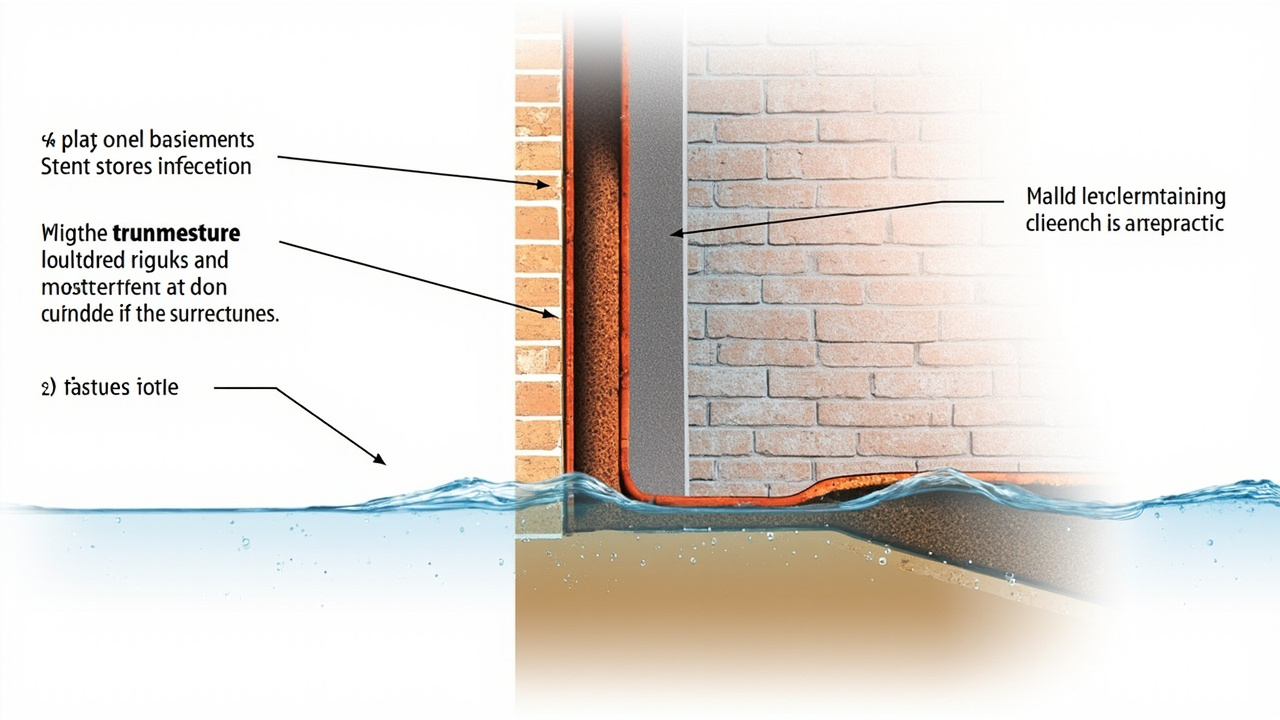
Exterior waterproofing involves excavating around the foundation perimeter, applying a rubberized asphalt membrane or bentonite clay barrier to foundation walls, and installing a perimeter drain system connected to a sump basin or storm sewer. This method stops water before it enters the foundation assembly. It works well for new construction or major renovations, but excavation costs make it expensive for existing homes.

Interior waterproofing uses a French drain system installed along the basement floor perimeter. Contractors cut a channel through the concrete slab, install perforated drain tile in a gravel bed, and route the water to a sump pump basin. This captures water after it penetrates the foundation but before it floods the basement floor. Interior systems are more affordable and less invasive for occupied homes.

Basement sealing techniques include hydraulic cement for active leaks, epoxy or polyurethane injection for foundation cracks, and crystalline waterproofing coatings that penetrate concrete and seal capillary pores. These methods address specific failure points but do not solve systemic drainage problems.

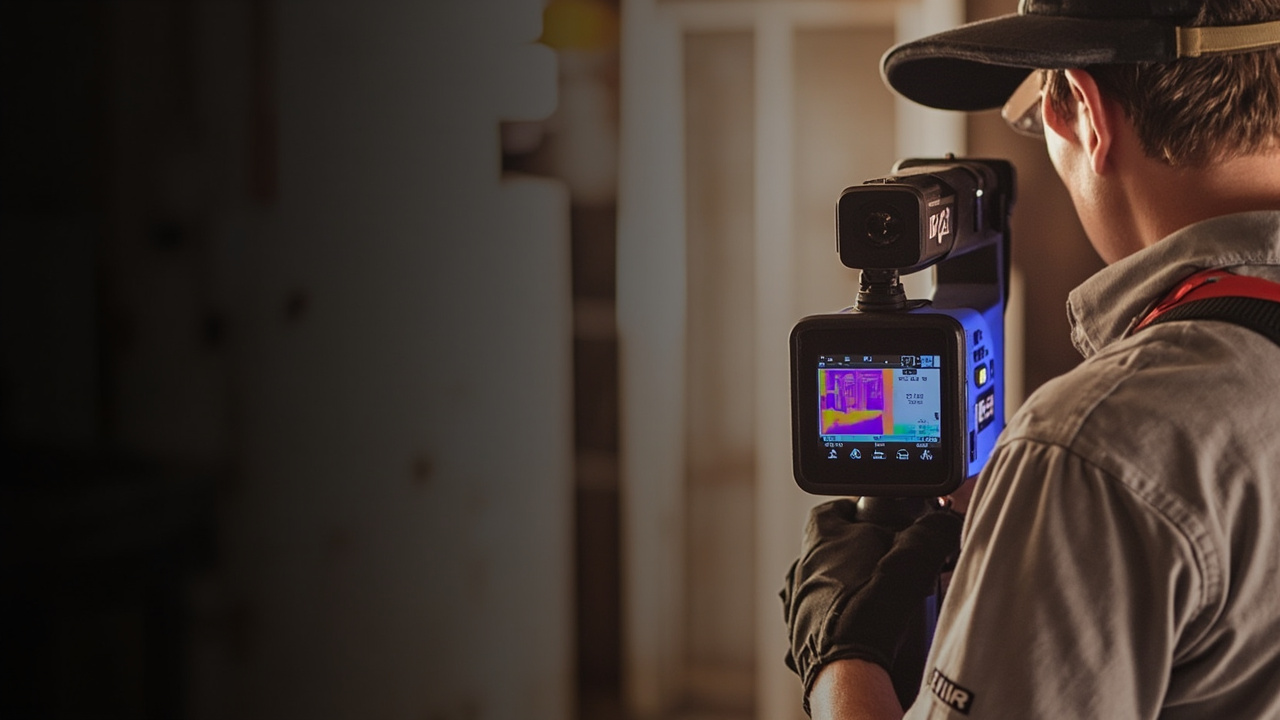
Cornerstone Water Damage Restoration Chicago uses moisture meters, thermal imaging cameras, and hydrostatic pressure tests to diagnose the root cause before recommending a solution. We do not sell you a French drain if the problem is poor grading. We fix the actual problem, not the symptom. Our approach combines proper exterior drainage, foundation crack repair, and interior water management based on your home's age, foundation type, and soil conditions.

What Happens During a Professional Basement Waterproofing Project in Chicago

Basement Waterproofing Guide for Chicago Homes – Proven Methods to Stop Water Intrusion and Foundation Damage
01

Foundation and Drainage Assessment

We inspect your foundation walls, floor slab, and exterior grading. Moisture meters measure humidity levels in concrete and wall cavities. Thermal imaging identifies hidden water intrusion paths. We test sump pumps, check floor drain backwater valves, and evaluate downspout discharge points. This diagnostic phase determines whether you need exterior excavation, interior drainage, crack injection, or a combination. The assessment takes 60 to 90 minutes and includes a written scope of work with detailed findings.
02

System Installation and Repair

Installation begins with containment to protect your basement from dust and debris. For interior French drains, we cut the concrete perimeter with diamond blades, remove the slab section, excavate to proper depth, install perforated drain tile on a gravel bed, and connect the system to a sump basin with a backup pump. Crack repair uses polyurethane or epoxy injection under pressure to fill voids and bond foundation sections. Exterior work includes excavation, foundation cleaning, membrane application, and drain tile installation before backfilling with gravel.
03

Testing and Long-Term Monitoring

After installation, we test the system with water to confirm proper drainage flow and sump pump activation. We re-seal the concrete perimeter with hydraulic cement and apply a waterproof coating to the repair area. You receive documentation of the work performed, including photos of the drain tile installation and sump pump specifications. We schedule a follow-up inspection after the next significant rain event to verify the system performs under real conditions. Maintenance guidelines cover sump pump testing, drain tile flushing, and backup battery replacement.

Why Local Expertise Matters for Chicago Basement Waterproofing

Chicago has unique building codes and soil conditions that out-of-state contractors do not understand. The Illinois Plumbing Code requires backwater valves on basement floor drains to prevent sewer backups. The Chicago Building Code mandates specific foundation drainage requirements for new construction and major renovations. Contractors unfamiliar with these regulations install systems that fail inspections or violate code.

The clay soil in Cook County behaves differently than sandy or loamy soils. It holds water like a sponge and expands with tremendous force. Foundation waterproofing methods must account for this lateral pressure. A drainage system designed for sandy soil in Florida will fail here within two years.

Chicago's historic housing stock presents challenges that newer cities do not face. Homes built before 1940 often have rubble stone foundations with no footing drains. Bungalows in neighborhoods like Portage Park and Dunning have shallow foundations prone to heaving. Greystone buildings in Bronzeville and Englewood have limestone foundations that deteriorate when exposed to water and freeze-thaw cycles.

Cornerstone Water Damage Restoration Chicago has worked on foundations throughout the city for years. We know which basement sealing techniques work in Lincoln Square's vintage courtyard buildings versus the post-war ranches in Edison Park. We understand the drainage patterns in neighborhoods near the Chicago River versus those closer to Lake Michigan. We know which local suppliers stock the bentonite clay panels and drainage board materials that perform in our climate.

We also navigate the permit process efficiently. Foundation work often requires permits from the Department of Buildings. We handle the applications, inspections, and code compliance documentation. You do not deal with bureaucracy.

What to Expect When You Hire a Basement Waterproofing Contractor in Chicago

Project Timeline and Scheduling

Most interior French drain installations take two to four days depending on basement size and floor thickness. Exterior excavation projects take one to two weeks, weather permitting. Chicago's wet springs and frozen winters limit exterior work to May through October. Interior projects can proceed year-round. Emergency crack injection and temporary waterproofing can be completed within 24 to 48 hours to stop active flooding. We schedule projects around your availability and provide daily progress updates. Delays are rare, but unforeseen conditions like deteriorated footings or abandoned utility lines can extend timelines. We communicate immediately if we encounter complications.

The Inspection and Diagnosis Process

The initial assessment includes a visual inspection of foundation walls, floor slabs, window wells, and exterior grading. We use moisture meters to measure concrete saturation levels and thermal cameras to detect hidden water intrusion. We test sump pumps for capacity and check discharge lines for proper routing. We evaluate floor drain backwater valves for functionality. We inspect downspouts and grading to identify surface water issues. The inspection generates a written report with photos documenting problem areas. We explain the root cause of your water intrusion and present solution options with cost factors for each approach. You receive the report within 24 hours.

The Quality of Materials and Workmanship

We use commercial-grade sump pumps rated for continuous operation, not residential models from big box stores. Our French drain systems use Schedule 40 perforated PVC pipe, not corrugated flexible pipe that collapses under soil pressure. Foundation crack injection uses closed-cell polyurethane foam that expands to fill voids and remains flexible through freeze-thaw cycles. Exterior waterproofing membranes are rubberized asphalt or bentonite clay panels, not spray-on coatings that fail within five years. Drainage stone is washed gravel that will not clog perforations. Every component is selected for durability in Chicago's climate. We do not cut corners with inferior materials.

Ongoing Maintenance and System Care

Basement waterproofing systems require periodic maintenance to function properly. Sump pumps should be tested quarterly by pouring water into the basin to confirm activation. Backup batteries need replacement every three to five years. Floor drains should be flushed annually to prevent sediment buildup. Exterior drain tiles can be cleaned with high-pressure water jetting if they become clogged with silt. We provide a maintenance checklist with your project documentation. Annual inspections are available to verify system performance and identify potential issues before they cause flooding. Proper maintenance extends system life and protects your investment.

Frequently Asked Questions

You Have Questions,
We Have Answers

How Chicago's Clay Soil and Freeze-Thaw Cycles Demand Specialized Basement Waterproofing

Chicago sits on glacial clay deposits that extend 20 to 40 feet deep in many areas. This Blodgett soil series has high plasticity and shrink-swell potential. When saturated, the clay expands and exerts lateral pressure on foundation walls. When dry, it contracts and pulls away, creating voids that fill with water during the next rain. This constant movement cracks foundation walls and floor slabs. Standard basement sealing techniques fail because they do not accommodate the movement. Foundation waterproofing methods must include drainage systems that relieve hydrostatic pressure and flexible sealants that move with the foundation.

Contractors who understand Chicago's soil conditions and weather patterns deliver solutions that last decades, not years. We know that rigid waterproofing membranes crack during freeze-thaw cycles. We know that inadequate drainage stone leads to clogged drain tiles within five years. We know that undersized sump pumps fail during heavy spring rains when groundwater peaks. This local knowledge comes from years of diagnosing failed systems and repairing them correctly. When you hire Cornerstone Water Damage Restoration Chicago, you get a team that knows how to waterproof a basement in this specific environment, not a national franchise applying generic wet basement solutions.
Water Damage Restoration Services in The Chicago Area

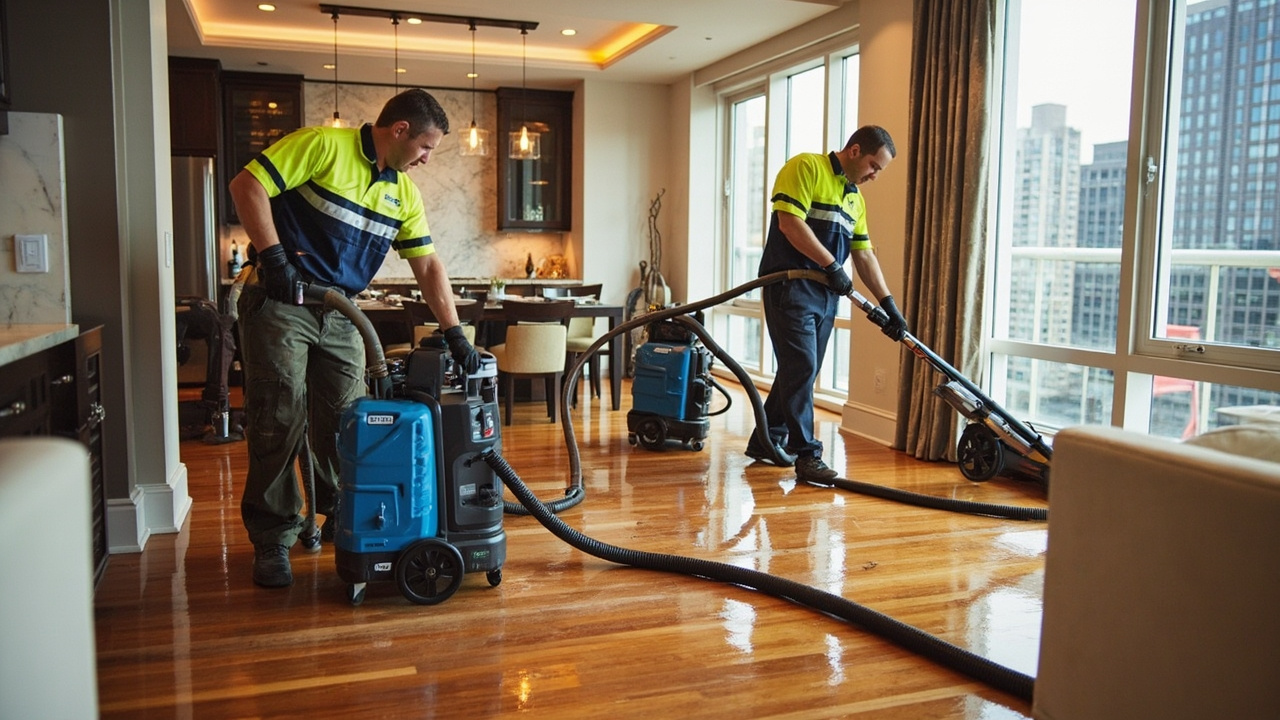
Cornerstone proudly serves the entire Chicago area with fast, dependable water damage restoration services. Whether you’re located in downtown, the suburbs, or surrounding neighborhoods, we’re ready to respond to your call—day or night. Use the map below to see our local service coverage and find our nearest team. With mobile units throughout the city, help is never far away. If you’re facing water damage, reach out now and let us show you why homeowners and businesses choose Cornerstone.

Address:
Cornerstone Water Damage Restoration Chicago, 171 N Aberdeen St, Chicago, IL, 60607

Additional Services We Offer

Our news updates

Latest Articles & News from The Blogs

High Humidity and Mold Growth in Chicago Summers What Homeowners Need to Know Your basement smells musty. Your bathroom mirror…

Why high humidity in the Chicago summer makes water damage worse in Calumet Heights

High Humidity and Mold Growth in Chicago Summers What Homeowners Need to Know Your basement smells musty. Your bathroom mirror…

Managing water damage restoration in the high-end luxury builds of the Near North Side

Luxury Home Water Damage Restoration in Chicago's Near North Side A burst pipe at 2 AM in your Gold Coast…

How we use thermal imaging to find hidden leaks in West Ridge homes

Expert Infrared Leak Detection in Chicago Homes and Businesses A hidden pipe leak can destroy your property long before you…

Contact Us

Do not wait for the next heavy rain to find out your basement is not protected. Call Cornerstone Water Damage Restoration Chicago at (872) 266-1616 for a professional waterproofing assessment. We diagnose the problem and provide solutions that work in Chicago's climate.