
Basement Home Theater Water Protection for Chicago Homeowners
You invested thousands of dollars in your basement home theater. You spent months selecting the right projector, running wiring behind walls, and calibrating your sound system. A single water intrusion event can destroy thousands of dollars in equipment within hours.
Chicago’s specific climate, soil composition, and aging infrastructure create a perfect storm for basement flooding. Heavy spring rains overwhelm aging combined sewer systems. The Polar Vortex causes freeze-thaw cycles that crack foundations. Lake effect snow melts rapidly and saturates the ground. Your basement theater sits directly in the path of all these threats.
During the July 2020 Chicago floods, basements in Lincoln Park and Lakeview experienced sewage backups within four hours of rain onset. Homeowners lost tens of thousands in audio-visual equipment because they lacked proper waterproofing and backup systems. This guide covers every layer of protection you need. You will learn how to waterproof your foundation, back up your sump pump system, and protect your audio-visual components from moisture damage.
Why Chicago Basements Flood More Than You Think
Chicago sits on clay-rich soil known as Chicago Blue Clay. This soil type holds water instead of draining it. When heavy rains fall, water pools around your foundation rather than moving away from it. Hydrostatic pressure builds against your foundation walls. That pressure forces water through cracks, concrete joints, and penetrations.
The city’s combined sewer system compounds the problem. In Lincoln Park and Lakeview, sewers carry both stormwater and sanitary waste. During intense rainfall events, the system backs up. Sewage enters your basement through foundation cracks, floor drains, and toilet stacks. This is not just water damage. It is a health hazard.
Chicago experiences 100-year flood events roughly every ten to fifteen years now instead of every century. Spring snowmelt from the Midwest feeds Lake Michigan and raises the regional water table. Homes within one mile of the lake sit in a high-risk zone. Lincoln Park and Lakeview sit directly near the lake shore. Even homes further inland like Wicker Park face significant risk because of the clay soil.
Your home theater sits in the most vulnerable part of your house. Basements are the lowest point. Water always finds its way down.
Foundation Waterproofing Stops Water Before It Enters
Waterproofing your foundation is the first line of defense. Interior drain tile systems, sump pump upgrades, and crack injection work together to keep water out of your basement.. Read more about Comparing the best commercial grade dehumidifiers for large Chicago basements.
Interior Perimeter Drain Tile Installation
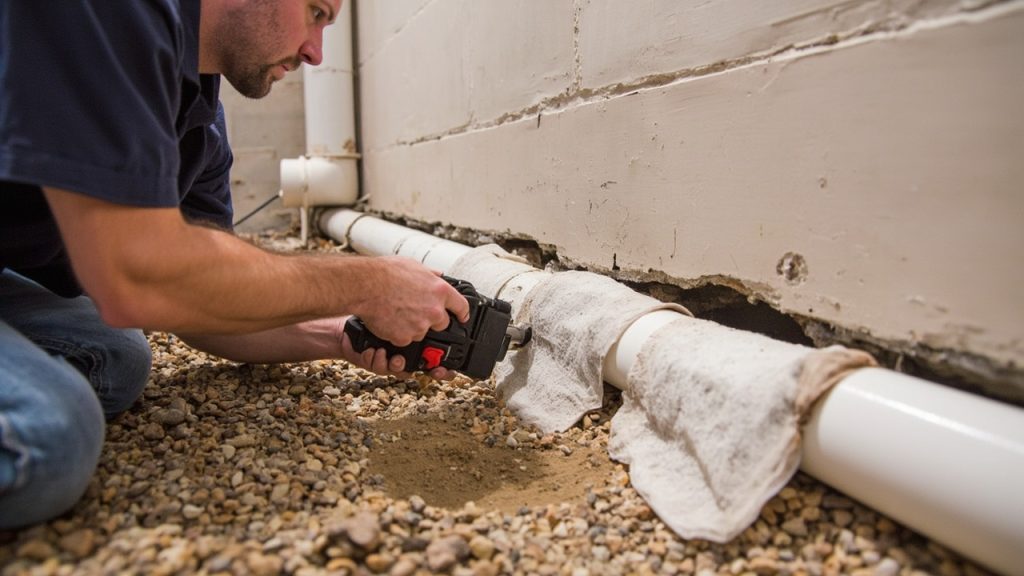
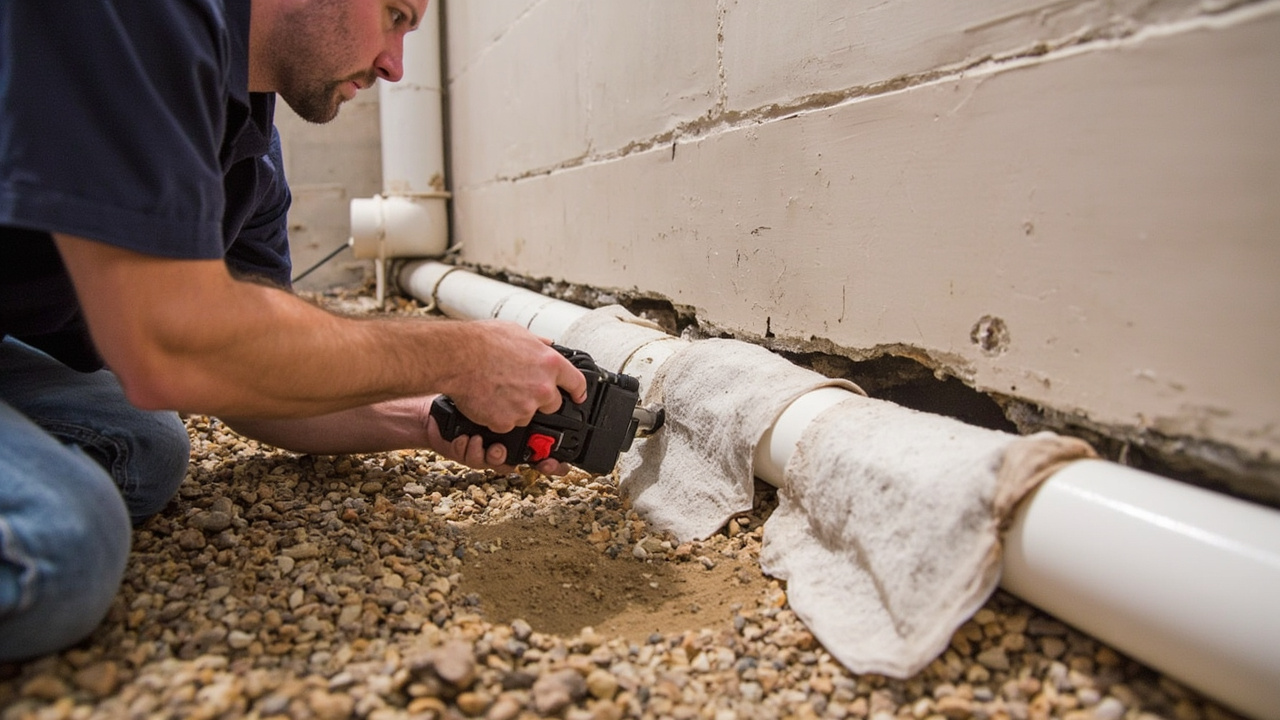
A perimeter drain tile system sits inside your basement along the foundation wall footprint. Contractors excavate a trench about twelve inches wide along the base of the wall. They install a perforated pipe surrounded by gravel and filter fabric. This pipe collects water seeping through the foundation before it reaches your floor.
The collected water flows to a sump pit at the lowest point in your basement. A sump pump then expels the water outside and away from the foundation. This system handles water that already made it through the foundation wall. It prevents pooling and flooding on your basement floor.
Interior systems work well for finished basements because they require no exterior excavation. Installation takes three to five days depending on your basement size. Contractors will protect your flooring and walls during the work. The disruption is temporary. The protection is permanent.
Epoxy Crack Injection for Structural Cracks
Cracks in concrete foundations allow water to flow directly into your basement. Epoxy injection seals these cracks from the inside out. A technician drills small holes into the crack at intervals. They then inject liquid epoxy resin under pressure. The epoxy flows through the crack and hardens, blocking water passage.
Not all cracks need injection. Hairline cracks less than one-sixteenth of an inch wide rarely allow water through. Cracks wider than one-eighth of an inch require sealing. If you see water weeping from a crack, injection is essential.
Epoxy injection typically lasts twenty to thirty years. The cost ranges from $300 to $1,200 depending on crack length and severity. This is money spent once and forgotten.
Backwater Valves Prevent Sewer Backup
Sewer backup poses a different threat than foundation seepage. When municipal sewers overflow, raw sewage can back up through your home’s plumbing. It enters through your lowest drain points. In a basement, this means your floor drains, sinks, toilets, and washing machine connections.
A backwater valve installs in your main sewer line as it leaves your home. This one-way valve allows sewage to exit your house but blocks anything from flowing backward. If the municipal sewer backs up, the valve seals automatically. Your basement stays clean.
Chicago Building Code requires backwater valves in certain flood-prone zones. Lincoln Park and Lakeview fall within these zones. Even if not required for your address, installing one provides peace of mind. The investment costs $800 to $1,500 for professional installation. The protection from a raw sewage flood is invaluable.. Read more about Professional restoration for steam shower leaks in Gold Coast luxury bathrooms.
Sump Pump Systems That Run When Power Fails
Your sump pump is only useful if it operates during a crisis. Chicago’s power grid strains during major storm events. Extended outages are common. If your sump pump relies solely on electrical power, it will fail exactly when you need it most.
A backup power system is non-negotiable for a basement theater. You have two primary options.
Battery Backup Pumps for Short Outages
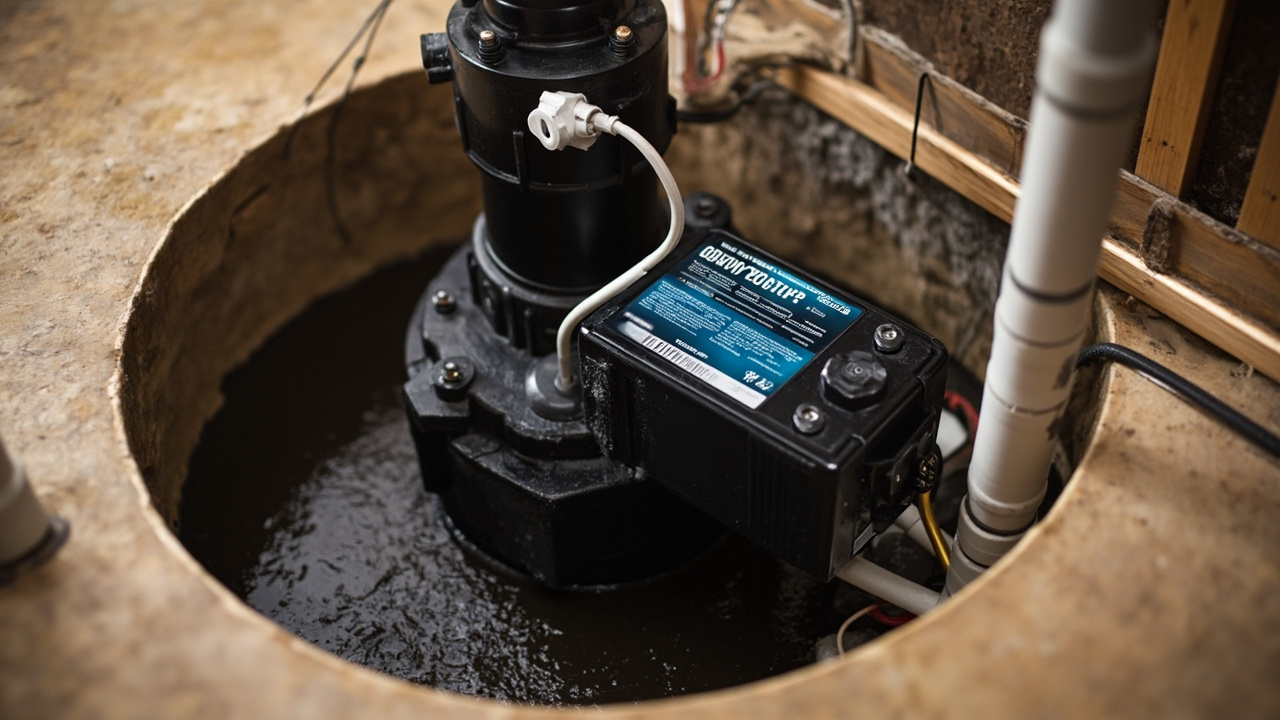
A battery backup sump pump is a secondary pump that sits next to your primary pump. It draws power from a deep-cycle marine battery. When utility power fails, a switching mechanism automatically activates the backup pump. The backup pump removes water from the sump pit using battery power.
Modern battery backup pumps discharge about two thousand to three thousand gallons per charge. If your primary pump fails or utility power cuts out, the backup handles several hours of inflow. For typical basement hydrostatic intrusion, this provides sufficient protection during a six to ten hour outage.
Battery backup systems require maintenance. You must test the battery monthly. Every three to five years, you need to replace the battery. The cost ranges from $400 to $800 for installation, but the maintenance is real.
Water-Powered Backup Pumps for Extended Outages
A water-powered backup pump uses the pressure from your home’s water line to drive ejection. No electricity, no batteries, no moving parts. As long as water pressure exists in your home, the backup pump works.
Water-powered systems eject water slower than electric or battery pumps. They move about twelve hundred gallons per hour. For extended outages lasting twelve to twenty-four hours, they provide reliable protection. During the Polar Vortex or major ice storms, Chicago’s utility power can remain down for days. A water-powered backup ensures your sump pit does not overflow.
The tradeoff is modest. Water-powered pumps consume water from your home’s supply. During a twenty-four hour outage with significant inflow, you may use five hundred to one thousand gallons of city water. Most homeowners find this acceptable insurance. Water-powered backup pumps cost $600 to $1,200 installed.
| Backup Type | Power Source | Outage Duration | Maintenance | Best For |
| Battery Backup | Deep-cycle battery | Six to ten hours | Monthly test, battery every three to five years | Short power outages, typical storms |
| Water-Powered Backup | Home water pressure | Twenty-four plus hours | Annual inspection only | Extended outages, Polar Vortex events |
| Combined System | Battery plus water pressure | Unlimited | Monthly test, battery every three to five years | Maximum protection, peace of mind |
Many homeowners in flood-prone Chicago neighborhoods install both systems. The primary pump handles normal seepage. The battery backup handles short outages. The water-powered backup handles extended emergencies. Together, they provide complete protection.
Protecting Your Theater Equipment From Moisture Damage
Even with excellent waterproofing, small amounts of moisture can enter your basement. High humidity levels can persist for weeks after water intrusion. This moisture attacks your audio-visual equipment, acoustic treatments, and wiring.
Dehumidification Systems for Long-Term Equipment Health
A commercial dehumidifier removes moisture from the air. In a basement theater environment, this is essential. High humidity promotes mold growth on acoustic panels and wiring insulation. It corrodes connector pins on audio equipment. It degrades capacitors in amplifiers and receivers.
Chicago’s summer humidity often exceeds seventy percent. Basements naturally trap moisture. Even without active water intrusion, basement humidity levels climb. A properly sized dehumidifier maintains humidity between forty and fifty-five percent. This protects your equipment and prevents mold.. Read more about Restoring high end marble and natural stone after a flood in the Gold Coast.
For a typical five hundred square foot basement theater, a seventy-pint dehumidifier removes sufficient moisture. The unit costs $400 to $800 and operates year-round. A drain line runs the collected water to your sump pump or floor drain.
Equipment Elevation and Isolation
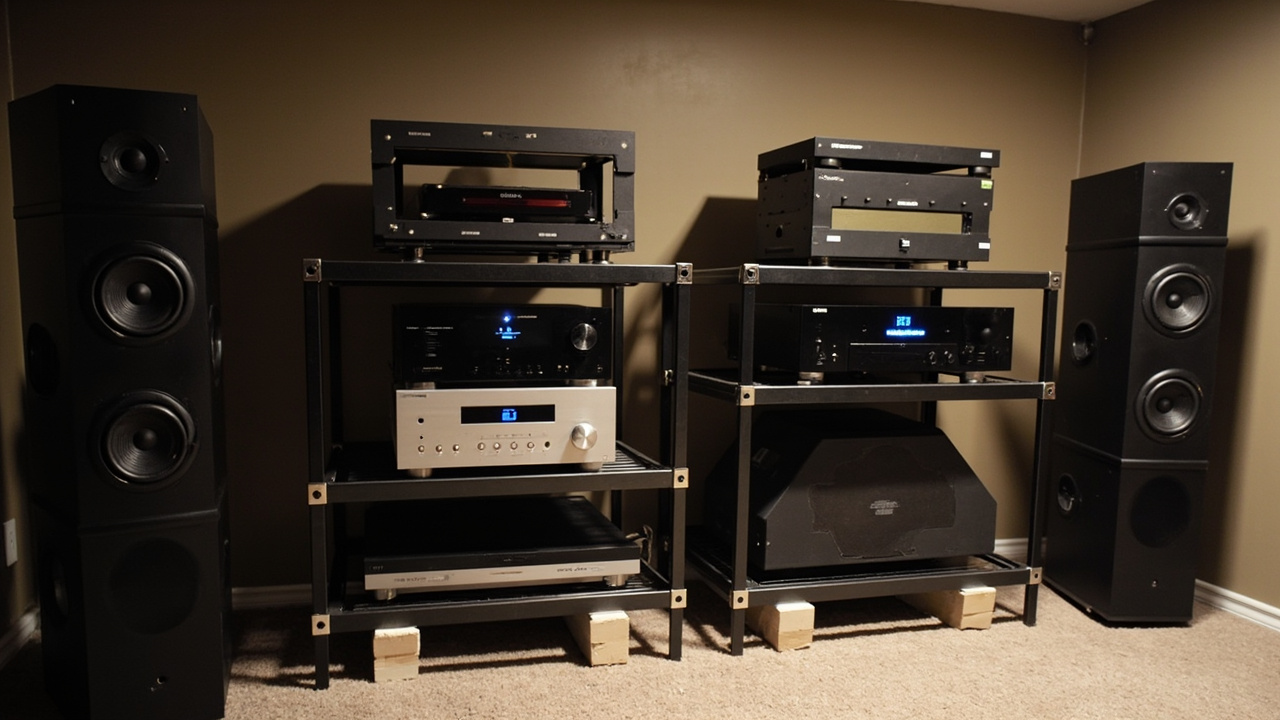
Position your subwoofer, amplifiers, and AV receiver on elevated shelving or racks. Never place equipment directly on the floor. If water seeps into your basement, floor-level equipment gets damaged first. Even six inches of elevation keeps your electronics above the water level during minor intrusions.
Use isolation pads under subwoofers. These rubber or foam pads decouple the subwoofer from the floor. They reduce vibration transfer to walls and prevent direct contact with dampness. Isolation pads cost $50 to $200 per set and extend equipment life.
Install your server rack or central hub at least twelve inches above finished floor level. Run all cables through conduit when possible. If water enters your basement, elevated equipment and protected wiring remain functional. Your entertainment system comes back online the moment water is removed and the space dries.
Smart Moisture Sensors and Wi-Fi Alerts
Install wireless moisture sensors in your basement theater. Position them near the foundation wall base, under window wells, and in the sump pump area. These sensors detect high humidity levels or standing water. They send alerts to your phone immediately.
The value is early warning. If a moisture sensor triggers at two a.m., you know a problem is developing. You can respond before water damage spreads. Some sensors integrate with home automation systems like Control4 or Crestron. You can automate dehumidifiers and sump pumps to respond to sensor data.
Moisture sensors cost $75 to $200 per unit. For peace of mind, they are among the best preventative investments you can make.
Acoustic Panels That Resist Moisture
Traditional fiberglass acoustic foam absorbs water like a sponge. Wet fiberglass molds quickly and becomes unusable. If your theater has built-in acoustic treatments, they must resist moisture.
Specify acoustic panels made from melamine foam or specialized water-resistant materials. These materials resist mold growth even when saturated. They dry out faster than traditional fiberglass. The cost premium runs $200 to $600 per panel compared to the cost of replacing acoustic treatments after water damage.
If you use fabric-wrapped panels, ensure the fabric has antimicrobial treatment. The fabric acts as the first moisture barrier. Antimicrobial treatment prevents mold spores from germinating on wet fabric.
Chicago Building Code Requirements for Basement Theaters
Chicago requires finished basements to meet specific codes. These codes protect your health and your property value. Code compliance also affects your insurance coverage.
Egress Windows and Ventilation
Building code requires at least one egress window for every bedroom in your basement. An egress window allows occupants to exit without using stairs. It also provides natural ventilation. During humid months, opening an egress window reduces basement humidity naturally.
Egress wells must extend below grade to prevent water entry. The wells must have drains at the bottom. In heavy rain, water collects in the egress well and drains away. This design prevents rainwater from entering your basement through the window opening.
Sewer and Drain Compliance
All floor drains in your basement must connect to your home’s sanitary sewer system. They cannot drain to foundation tiles or sump pits. If you install a basement bathroom or wet bar, code requires proper sloping and trap seals.
The Metropolitan Water Reclamation District of Greater Chicago enforces these codes. Non-compliance results in fines and required remediation. More importantly, code violations void insurance coverage for water damage.
Elevation Requirements in Flood Zones
If your property sits in a Cook County flood zone, building code imposes elevation requirements. Electrical panels, furnaces, water heaters, and air handlers must be elevated above the anticipated flood level. For basements, this means installing equipment on platforms at least two feet above the floor.
Check your property’s flood zone status with the City of Chicago stormwater management portal. If you are in a special flood hazard area, your insurance premiums reflect this risk. Proper elevation reduces your insurance costs and protects your equipment.
Insurance Coverage for Your Theater Investment
Standard homeowners insurance does not cover flood damage. This includes basement flooding caused by heavy rain or sewer backup. You need specific endorsements to protect your theater investment.
Sewer Backup and Sump Pump Overflow Coverage
This endorsement covers sewage or groundwater that backs up through your drains or seeps through your foundation. It covers damage to the basement structure, finished walls, flooring, and contents. Coverage limits range from $5,000 to $25,000 depending on your policy.
Sewer backup coverage typically includes a deductible of five to ten percent of the coverage limit. If your coverage is $15,000, your deductible could reach $1,500. This is why prevention is far more cost-effective than claims.
Ask your insurance agent about this endorsement. If you do not have it, add it immediately. The annual cost runs $200 to $400 compared to the protection provided.
Flood Insurance Through the National Flood Insurance Program
If your property is in a high-risk flood zone, your mortgage lender requires flood insurance. The National Flood Insurance Program (NFIP) provides coverage for flood damage. Coverage includes the home structure and contents up to specific limits.
Flood insurance has waiting periods. Coverage does not begin until thirty days after purchase. If you are in a flood zone, obtain flood insurance before renewal season ends. Do not delay.
Emergency Response Steps if Water Enters Your Theater
Despite your best prevention efforts, water can still enter your basement. Your response in the first twenty-four to forty-eight hours determines whether your equipment survives.
- Stop the Source
Determine where water is entering. If it is coming from a burst pipe, shut off your main water valve immediately. If it is seeping through the foundation, you cannot stop it yourself. Contact a water restoration professional.
- Power Down Equipment
Shut off all audio-visual equipment at the circuit breaker. Do not attempt to unplug equipment with standing water present. The water may conduct electricity. Turn off your main electrical breaker if water is deep or approaching electrical panels.
- Move Portable Equipment
If water is shallow and safe to wade through, move portable equipment to a dry location. Grab your projector, receivers, media players, and any accessible components. Move them to upper floors immediately. This protects your most expensive items.
- Document Damage
Take photos and video of all water damage, equipment location, and the water level. Note the date and time. This documentation supports insurance claims. Do not touch wet equipment yet. Just document.
- Call a Water Restoration Professional
Contact a professional water restoration company immediately. Do not attempt to dry out your basement yourself. Professional crews have industrial-grade dehumidifiers and air movers. They understand how to salvage electronics. They coordinate with insurance companies. Call for help twenty-four hours a day at your earliest opportunity.
- Move to Dry Location
Leave your home while restoration work begins. Wet basements harbor dangerous mold spores and sewage contamination. Your health depends on this. Hotels near the Lincoln Park and Lakeview areas provide temporary housing during restoration.
Professional restoration crews understand how to save your audio-visual equipment. They use specialized drying techniques that do not damage electronics. They apply moisture-wicking treatments to acoustic panels. They salvage far more equipment than homeowners can save working alone.
Chicago Deep Tunnel System and Local Flooding Risk
The Chicago Deep Tunnel Project, also known as the Tunnel and Reservoir Plan (TARP), manages stormwater in the city. This massive underground system stores excess stormwater when the combined sewer system becomes overloaded.
TARP helps, but it does not eliminate basement flooding risk. The system has limits. During the heaviest rainfall events, the tunnels fill to capacity. Excess stormwater backs up through sewers and into basements in older neighborhoods like Lincoln Park and Lakeview.
Heavy rain in recent years pushed TARP to capacity multiple times. Basements flooded despite the tunnel system. This underscores why individual home waterproofing remains essential. You cannot rely on municipal infrastructure alone.
Preventative Maintenance Schedule
Waterproofing and backup systems require regular maintenance. A maintenance schedule keeps your systems functioning when you need them.
| System Component | Maintenance Task | Frequency | Purpose |
| Primary Sump Pump | Check operation by pouring water into pit | Monthly | Verify pump triggers and discharges |
| Discharge Pipe | Clear debris and verify water flows away from foundation | Quarterly | Prevent clogs that block water expulsion |
| Battery Backup System | Test battery voltage with multimeter | Monthly | Catch battery failure before water intrusion |
| Dehumidifier | Clean filter and empty collection bucket | Weekly during humid months | Maintain drying efficiency |
| Moisture Sensors | Test wireless connectivity and battery level | Monthly | Ensure alerts reach your phone |
| Foundation Cracks | Visual inspection for new cracks or seepage | Twice yearly | Catch new damage early |
Mark these tasks on your calendar. Set phone reminders. Preventative maintenance takes minutes and prevents thousands in damage.
When to Call a Professional
Some basement issues require professional expertise. Do not attempt these tasks yourself.
If you see water actively entering your basement, call a restoration company immediately. If you detect sewage smell, leave the basement and call for help. If you see mold growth on walls, drywall, or acoustic panels, do not disturb it. Mold remediation requires professional equipment and containment.
If your sump pump fails during a storm, call for an emergency replacement. If you notice your battery backup is not holding charge, schedule replacement before storm season. If your dehumidifier stops removing moisture, service it immediately.
These are not jobs for learning by doing. Your theater investment depends on professionals with proper tools and experience.
Frequently Asked Questions
How much water in my sump pit triggers the pump?
Most sump pumps have a switch that triggers activation when water rises to about six to twelve inches. This allows the pump to handle a significant volume of water before it reaches your floor. If your pump is not activating at normal water levels, the switch may need adjustment or replacement.
Can I use my basement theater during Chicago winters?
Yes, with proper waterproofing and heating. Winter moisture comes from interior humidity, not foundation seepage. As long as your foundation is sealed and your backup sump pump is operational, your theater remains safe. Install a humidistat to monitor moisture levels. Winter is less risky than spring and summer.
What do I do if my ejector pipe freezes in winter?
Sump pump discharge pipes can freeze in Chicago winters. Install insulation around the outdoor pipe section. Bury the discharge line below the frost line if possible. If the pipe freezes, water backs up into the sump pit. If the pit overflows, water enters your basement. Prevent freezing through proper installation and inspection before cold weather arrives.
Does my homeowners insurance cover basement theater equipment?
Standard homeowners insurance covers your equipment up to the contents limit, but only for covered causes. Water damage is typically excluded unless you have a sewer backup endorsement. Check your policy document or call your agent. If you lack sewer backup coverage, add it today. The cost is minimal.
How long does basement waterproofing last?
Interior drain tile systems last thirty to forty years if installed correctly. Epoxy crack injection lasts twenty to thirty years. Sump pump systems last five to ten years before components require replacement. Water-powered backup systems last longer than battery systems. Plan for component replacement, not system replacement.
Start Protecting Your Theater Now
You invested thousands of dollars in your basement home theater. It deserves protection from Chicago’s unique flooding risks. You now understand the layers of defense you need. Foundation waterproofing stops water before it enters. Sump pump backups keep your pit empty when utilities fail. Equipment elevation and moisture control preserve your electronics. Smart sensors alert you to problems early.
The best time to install these protections is before disaster strikes. The second-best time is today. Contact a water damage restoration professional for a basement evaluation. They will assess your waterproofing, evaluate your sump pump system, and recommend specific upgrades for your situation. Professionals serve homeowners in Lincoln Park, Lakeview, Wicker Park, and throughout Chicago.
Call twenty-four hours a day, seven days a week. If water is actively entering your basement, professionals respond within the hour. If you want preventative consultation, schedule inspections within forty-eight hours. Stop worrying about your theater equipment. Take action today. Your peace of mind is the priority.
{
“@context”: “https://schema.org”,
“@type”: “BlogPosting”,
“headline”: “Basement Home Theater Water Protection A Chicago Homeowner’s Guide”,
“description”: “Protect your basement home theater from Chicago floods. Foundation waterproofing, sump pump backups, and moisture control for Lincoln Park and Lakeview homeowners.”,
“wordCount”: 3431,
“datePublished”: “2026-05-12T07:24:00.000Z”,
“dateModified”: “2026-05-12T07:24:00.000Z”,
“inLanguage”: “en-US”,
“mainEntityOfPage”: {
“@type”: “WebPage”,
“@id”: “https://cornerstonewaterdamagerestorationchicago.com”
},
“publisher”: {
“@type”: “LocalBusiness”,
“name”: “Cornerstone Water Damage Restoration Chicago”,
“url”: “https://cornerstonewaterdamagerestorationchicago.com”
},
“author”: {
“@type”: “Organization”,
“name”: “Cornerstone Water Damage Restoration Chicago”,
“url”: “https://cornerstonewaterdamagerestorationchicago.com”
},
“image”: {
“@type”: “ImageObject”,
“url”: “https://cornerstonewaterdamagerestorationchicago.com/wp-content/uploads/2026/03/protecting-your-expensive-basement-home-theater-fr-1.jpg”
}
}
{
“@context”: “https://schema.org”,
“@type”: “LocalBusiness”,
“name”: “Cornerstone Water Damage Restoration Chicago”,
“url”: “https://cornerstonewaterdamagerestorationchicago.com”,
“address”: {
“@type”: “PostalAddress”,
“addressLocality”: “Chicago”
},
“areaServed”: {
“@type”: “City”,
“name”: “Chicago”
}
}
{
“@context”: “https://schema.org”,
“@type”: “FAQPage”,
“mainEntity”: [
{
“@type”: “Question”,
“name”: “How much water in my sump pit triggers the pump?”,
“acceptedAnswer”: {
“@type”: “Answer”,
“text”: “Most sump pumps have a switch that triggers activation when water rises to about six to twelve inches. This allows the pump to handle a significant volume of water before it reaches your floor. If your pump is not activating at normal water levels, the switch may need adjustment or replacement.”
}
},
{
“@type”: “Question”,
“name”: “Can I use my basement theater during Chicago winters?”,
“acceptedAnswer”: {
“@type”: “Answer”,
“text”: “Yes, with proper waterproofing and heating. Winter moisture comes from interior humidity, not foundation seepage. As long as your foundation is sealed and your backup sump pump is operational, your theater remains safe. Install a humidistat to monitor moisture levels. Winter is less risky than spring and summer.”
}
},
{
“@type”: “Question”,
“name”: “What do I do if my ejector pipe freezes in winter?”,
“acceptedAnswer”: {
“@type”: “Answer”,
“text”: “Sump pump discharge pipes can freeze in Chicago winters. Install insulation around the outdoor pipe section. Bury the discharge line below the frost line if possible. If the pipe freezes, water backs up into the sump pit. If the pit overflows, water enters your basement. Prevent freezing through proper installation and inspection before cold weather arrives.”
}
},
{
“@type”: “Question”,
“name”: “Does my homeowners insurance cover basement theater equipment?”,
“acceptedAnswer”: {
“@type”: “Answer”,
“text”: “Standard homeowners insurance covers your equipment up to the contents limit, but only for covered causes. Water damage is typically excluded unless you have a sewer backup endorsement. Check your policy document or call your agent. If you lack sewer backup coverage, add it today. The cost is minimal.”
}
},
{
“@type”: “Question”,
“name”: “How long does basement waterproofing last?”,
“acceptedAnswer”: {
“@type”: “Answer”,
“text”: “Interior drain tile systems last thirty to forty years if installed correctly. Epoxy crack injection lasts twenty to thirty years. Sump pump systems last five to ten years before components require replacement. Water-powered backup systems last longer than battery systems. Plan for component replacement, not system replacement.”
}
}
]
}
{
“@context”: “https://schema.org”,
“@type”: “HowTo”,
“name”: “How to Respond to Water in Your Basement Theater”,
“step”: [
{
“@type”: “HowToStep”,
“position”: 1,
“name”: “Stop the Source”,
“text”: “Determine where water is entering. If it is coming from a burst pipe, shut off your main water valve immediately. If it is seeping through the foundation, you cannot stop it yourself. Contact a water restoration professional.”
},
{
“@type”: “HowToStep”,
“position”: 2,
“name”: “Power Down Equipment”,
“text”: “Shut off all audio-visual equipment at the circuit breaker. Do not attempt to unplug equipment with standing water present. The water may conduct electricity. Turn off your main electrical breaker if water is deep or approaching electrical panels.”
},
{
“@type”: “HowToStep”,
“position”: 3,
“name”: “Move Portable Equipment”,
“text”: “If water is shallow and safe to wade through, move portable equipment to a dry location. Grab your projector, receivers, media players, and any accessible components. Move them to upper floors immediately. This protects your most expensive items.”
},
{
“@type”: “HowToStep”,
“position”: 4,
“name”: “Document Damage”,
“text”: “Take photos and video of all water damage, equipment location, and the water level. Note the date and time. This documentation supports insurance claims. Do not touch wet equipment yet. Just document.”
},
{
“@type”: “HowToStep”,
“position”: 5,
“name”: “Call a Water Restoration Professional”,
“text”: “Contact a professional water restoration company immediately. Do not attempt to dry out your basement yourself. Professional crews have industrial-grade dehumidifiers and air movers. They understand how to salvage electronics. They coordinate with insurance companies. Call for help twenty-four hours a day at your earliest opportunity.”
},
{
“@type”: “HowToStep”,
“position”: 6,
“name”: “Move to Dry Location”,
“text”: “Leave your home while restoration work begins. Wet basements harbor dangerous mold spores and sewage contamination. Your health depends on this. Hotels near the Lincoln Park and Lakeview areas provide temporary housing during restoration.”
}
],
“image”: “https://cornerstonewaterdamagerestorationchicago.com/wp-content/uploads/2026/03/protecting-your-expensive-basement-home-theater-fr-1.jpg”
}
{
“@context”: “https://schema.org”,
“@type”: “BreadcrumbList”,
“itemListElement”: [
{
“@type”: “ListItem”,
“position”: 1,
“name”: “Home”,
“item”: “https://cornerstonewaterdamagerestorationchicago.com”
},
{
“@type”: “ListItem”,
“position”: 2,
“name”: “Blog”,
“item”: “https://cornerstonewaterdamagerestorationchicago.com/blog”
},
{
“@type”: “ListItem”,
“position”: 3,
“name”: “Basement Home Theater Water Protection A Chicago Homeowner’s Guide”
}
]
}
{
“@context”: “https://schema.org”,
“@type”: “Service”,
“serviceType”: “Water Damage Restoration”,
“provider”: {
“@type”: “LocalBusiness”,
“name”: “Cornerstone Water Damage Restoration Chicago”,
“url”: “https://cornerstonewaterdamagerestorationchicago.com”
},
“areaServed”: {
“@type”: “City”,
“name”: “Chicago”
},
“description”: “Protect your basement home theater from Chicago floods. Foundation waterproofing, sump pump backups, and moisture control for Lincoln Park and Lakeview homeowners.”
}