



menu

Basement Flood Cleanup in Chicago – Fast Water Extraction Before Mold Takes Hold

When your basement floods in Chicago, you have 24 to 48 hours before mold colonizes. Our basement flood cleanup teams extract water, remove contaminated materials, and dry structural components before permanent damage sets in.

Slider Image 1
Slider Image 2
Slider Image 3
Slider Image 4
Slider Image 5
Slider Image 7
Slider Image 8
Slider Image 9
Slider Image 10
Slider Image 11

Why Chicago Basements Flood and What Happens When Water Sits

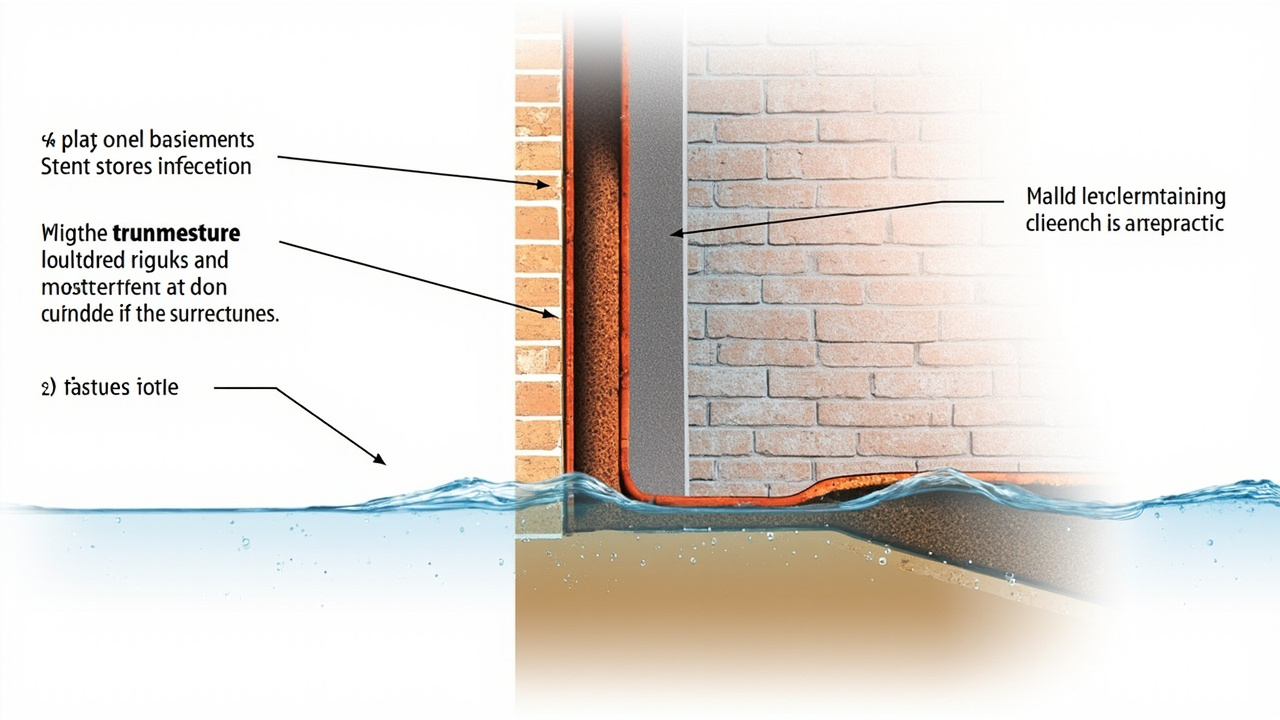
Chicago sits on clay-heavy soil that expands when saturated and shrinks when dry. This constant shifting cracks foundation walls and creates hydrostatic pressure that forces groundwater through basement floors. Add aging sewer laterals and sudden spring thaws, and you get flooded basements across Lincoln Park, Hyde Park, and Pilsen.

When water enters your basement, the clock starts. The first 24 hours determine whether you face a cleanup or a rebuild. Standing water wicks into drywall, insulation, and wood framing. Within 48 hours, mold spores germinate. Within 72 hours, structural wood begins to rot. Contaminated water from sewer backups introduces bacteria that poses health risks long after the visible water is gone.

Most homeowners underestimate the scope of flooded basement water removal. You cannot simply pump out the water and call it done. Basement water extraction requires removing baseboards, cutting drywall two feet above the waterline, pulling wet insulation, and drying the framing cavity. Flooded basement remediation means addressing what you cannot see, the moisture trapped in concrete block cores, under subfloors, and inside wall assemblies.

Chicago's older housing stock complicates the problem. Many basements have porous limestone foundations or unfinished concrete floors without vapor barriers. These materials absorb water like a sponge. Without professional flooded basement restoration, you will smell mildew for years. Without proper flooded basement pumping and structural drying, you risk losing the entire lower level.

The question is not whether to act. The question is how fast you move.

Why Chicago Basements Flood and What Happens When Water Sits
How Professional Basement Flood Cleanup Stops Secondary Damage

How Professional Basement Flood Cleanup Stops Secondary Damage

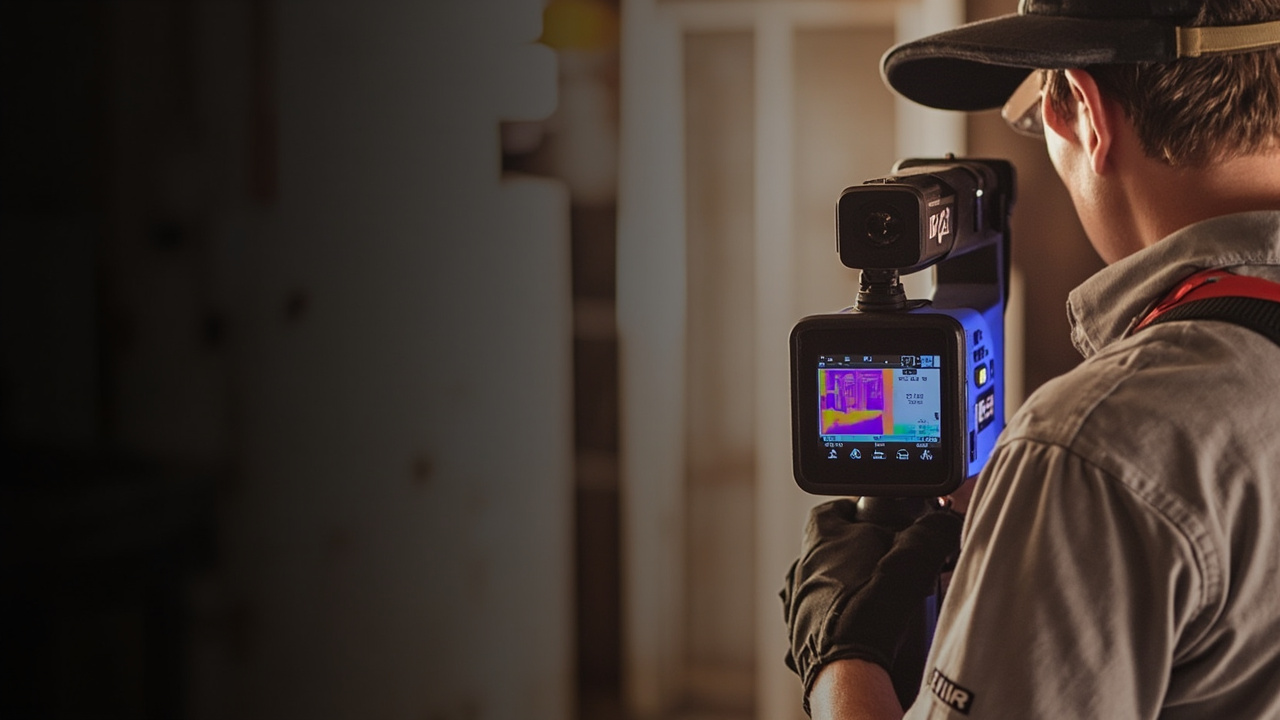
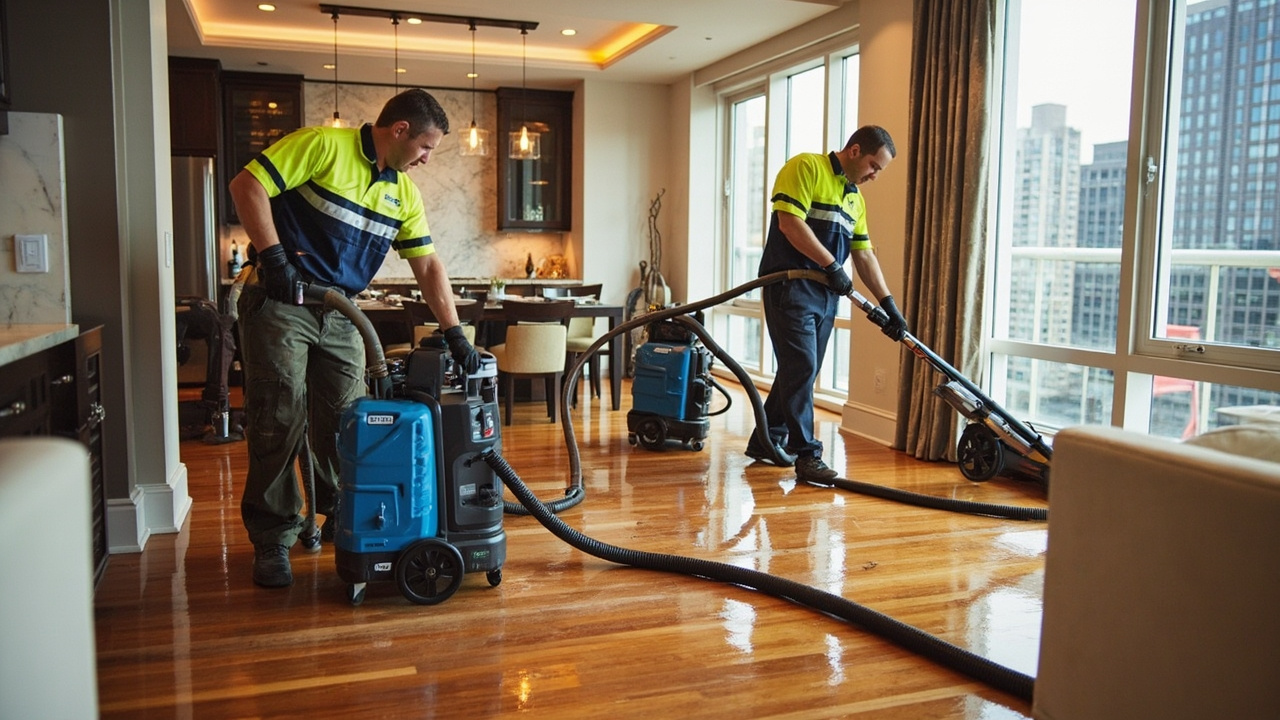
We do not show up with a shop vac and a fan. Basement flood cleanup requires truck-mounted extraction pumps, low-grain refrigerant dehumidifiers, and air movers calibrated to cubic footage. We use thermal imaging cameras to map hidden moisture pockets inside wall cavities and under flooring systems. Moisture meters confirm when materials hit the 15 percent threshold safe for reconstruction.

Our basement water extraction process removes standing water within the first two hours. We then pull saturated materials that cannot be saved, carpet padding, drywall below the floodline, and compromised insulation. We do not leave wet materials in place hoping they will dry. That approach guarantees mold growth and structural rot.

Next comes controlled drying. We position air movers to create laminar airflow across wet surfaces, accelerating evaporation. Commercial dehumidifiers pull moisture from the air and prevent it from re-condensing on cool surfaces like concrete floors. We monitor daily with moisture readings, adjusting equipment placement as conditions change.

Flooded basement remediation also means addressing contamination. If your flood involved sewage or exterior runoff, we apply EPA-registered antimicrobial treatments to all affected surfaces. We bag and dispose of porous materials that contacted contaminated water, you cannot sanitize drywall or insulation.

The difference between professional flooded basement restoration and a DIY attempt is documentation. We photograph moisture readings, track drying curves, and provide a certification of structural dryness. This documentation matters when you file an insurance claim or sell your home. Without it, you have no proof the job was done correctly.

Flooded basement pumping is just the start. Real cleanup is about making sure water does not return and mold never starts.

What Happens During a Chicago Basement Flood Cleanup

Basement Flood Cleanup in Chicago – Fast Water Extraction Before Mold Takes Hold
01

Emergency Water Extraction

Within two hours of your call, our truck-mounted pumps begin removing standing water from your basement. We extract water from carpet, pad, and flooring, then inspect for structural damage. Thermal imaging identifies moisture behind finished walls. We photograph everything for insurance documentation and establish a baseline moisture map before drying equipment goes in.
02

Material Removal and Drying

We remove baseboards, cut drywall two feet above the waterline, and pull soaked insulation to expose the wall cavity. Air movers create directional airflow across wet surfaces while dehumidifiers extract ambient moisture. We monitor progress with pin-type and non-invasive moisture meters, adjusting equipment daily. This phase typically runs three to five days depending on how long water sat and what materials were affected.
03

Final Inspection and Clearance

Once moisture readings stabilize below 15 percent, we conduct a final walkthrough with thermal imaging to confirm no hidden pockets remain. We apply antimicrobial treatments if contamination was present. You receive a moisture map showing before and after readings, plus photographic documentation. This clearance report confirms your basement is structurally dry and ready for reconstruction. No mold. No rot. Just clean, dry space.

Why Chicago Homeowners Trust Cornerstone Water Damage Restoration Chicago

Chicago's housing stock is old. Most homes in Lakeview, Logan Square, and Wicker Park were built before 1950. That means limestone foundations, clay tile sewer laterals, and basement floors poured directly on soil without vapor barriers. These older construction methods create flood risks that newer homes do not face. You need a restoration company that understands how Chicago homes are built and why they fail.

We know the local challenges. We have worked basements flooded by overwhelmed combined sewers during summer storms. We have pumped out crawl spaces after rapid snowmelt in February. We have dried finished basements in Bridgeport where hydrostatic pressure cracked foundation walls. This is not theory. This is daily reality in Chicago.

Our equipment is commercial-grade, not homeowner rental gear. We own truck-mounted extraction units that remove thousands of gallons per hour. Our dehumidifiers are low-grain refrigerant models designed for high-moisture environments, not the small units you rent from a hardware store. Our air movers create the velocity needed to dry dense materials like concrete and plaster. The tools matter as much as the technique.

We also understand Chicago building codes and insurance claim requirements. We document everything with photos, moisture readings, and drying logs. When you file a claim, you need proof that the work was done correctly. Adjusters look for daily moisture readings and photographic evidence of material removal. We provide that documentation as part of every job.

Choosing a local company means choosing someone who has seen every type of flood scenario Chicago throws at basements. We know when a foundation crack needs immediate attention and when it is just cosmetic. We know which materials can be saved and which need removal. That judgment comes from experience, not guesswork.

What to Expect When You Call for Basement Flood Cleanup

Response Time and Availability

We dispatch crews 24 hours a day, seven days a week. Most Chicago jobs receive a technician within two hours of the initial call. Our trucks carry extraction pumps, air movers, and dehumidifiers so we start the drying process immediately. We do not schedule you three days out while water sits in your basement breeding mold. Emergency response means emergency response. You call, we move. The faster we extract water, the less material you lose and the lower your total restoration bill. Speed is not a luxury in water damage. It is the entire point.

Initial Assessment and Scope

The first visit includes a full moisture assessment using thermal imaging and moisture meters. We map affected areas, identify hidden moisture, and determine which materials can be saved versus which need removal. You receive a written scope of work before we begin. This scope outlines the drying strategy, estimated timeline, and material disposal plan. We walk you through the process so you understand what happens next. If your flood involved sewage or contaminated water, we explain the antimicrobial treatment protocol. No surprises. No upselling mid-job. Just a clear plan based on actual conditions.

Structural Drying and Final Outcome

Drying takes three to five days for most basements, longer if moisture penetrated deep into block cores or subfloor systems. We monitor progress daily and adjust equipment as readings drop. When moisture levels stabilize below 15 percent, we remove equipment and provide a final moisture map. Your basement will be structurally dry, not just surface dry. Walls, floors, and framing will be ready for reconstruction without risk of mold growth or rot. You get documentation showing the work was completed to industry standards, critical for insurance claims and future home sales.

Post-Cleanup Support and Prevention

After drying is complete, we provide recommendations to prevent future flooding. This may include exterior grading corrections, sump pump upgrades, or foundation crack sealing. We do not perform this work ourselves, but we connect you with qualified contractors who specialize in basement waterproofing. If mold growth occurred before we arrived, we refer you to licensed mold remediation specialists. Our job is water extraction and structural drying. We stay in our lane and refer out when additional expertise is needed. You also receive a copy of all documentation, moisture logs, photos, and the final clearance report, for your records and insurance file.

Frequently Asked Questions

You Have Questions,
We Have Answers

How to clean up after a flooded basement? +

Stop the water source first. If safe, shut off electricity to the basement. Remove standing water using a sump pump or wet vac. Move furniture and belongings to a dry area. Extract water from carpets and padding. Use industrial fans and dehumidifiers to dry all surfaces within 24 to 48 hours. Remove and discard porous materials like drywall or insulation if they stayed wet too long. Clean and disinfect all hard surfaces with antimicrobial solutions. Chicago's high humidity slows drying, so professional extraction equipment speeds recovery and prevents mold growth in your foundation.

How much does it cost to clean up a flooded basement? +

Basement flood cleanup in Chicago ranges based on water depth, square footage, and contamination level. Light flooding affecting 500 square feet may cost less than deep flooding with sewage backup across 1,500 square feet. Gray water or black water requires specialized sanitization, increasing expense. Structural drying, mold remediation, and content restoration add to totals. Your insurance deductible and policy limits affect out-of-pocket costs. Get a detailed estimate after inspection. Most restoration companies work directly with your insurance adjuster to document damage and streamline claims for Chicago homeowners.

What type of professional fixes flooded basements? +

A certified water damage restoration company fixes flooded basements. These professionals hold IICRC certifications in water damage restoration and applied structural drying. They use commercial-grade extractors, air movers, and dehumidifiers to remove water and dry your structure fast. Restoration technicians assess contamination levels, perform antimicrobial treatments, and monitor moisture levels in walls and floors. In Chicago, many companies also coordinate with plumbers for sump pump failures or HVAC contractors for burst pipes. Choose a firm experienced with Chicago's clay soil foundation issues and older home construction to avoid hidden moisture problems.

What will insurance cover if basement floods? +

Standard homeowner policies typically cover sudden and accidental basement floods from burst pipes, appliance failures, or sump pump malfunctions. They usually exclude groundwater seepage, sewer backups, or flood events without separate flood insurance through NEMA or a private carrier. Your policy covers water extraction, drying, structural repairs, and damaged personal property up to your coverage limits. Document everything with photos before cleanup begins. Chicago homeowners should review their policy for sump pump endorsements and sewer backup riders, especially in flood-prone neighborhoods near the Chicago River or in low-lying areas.

How Chicago's Clay Soil and Aging Infrastructure Drive Basement Flooding

Chicago sits on Blodgett clay, a dense, expansive soil that swells when wet and shrinks when dry. This constant movement cracks foundation walls and lifts basement floors. During spring thaw and summer storms, the water table rises and creates hydrostatic pressure that forces groundwater through these cracks. Add the city's combined sewer system, which mixes stormwater with sanitary sewage, and you get basement backups during heavy rain events. Flooded basement water extraction is not just about removing clean water. It often means dealing with contaminated overflow from overwhelmed laterals. The city's aging infrastructure makes basement flooding a chronic problem, not a rare event.

Working in Chicago means understanding local code requirements for basement restoration and moisture control. The city requires specific drying standards before reconstruction begins, particularly in flood-prone zones near the Chicago River or low-lying areas like Bridgeport. Our flooded basement restoration process follows IICRC S500 standards, which align with local building department expectations. We document every step because city inspectors and insurance adjusters demand proof of proper drying. Choosing a company familiar with Chicago's regulatory environment ensures your basement flood cleanup meets the standards required for permits and insurance reimbursement. Local knowledge is not optional when your home and your claim are on the line.
Water Damage Restoration Services in The Chicago Area

Cornerstone proudly serves the entire Chicago area with fast, dependable water damage restoration services. Whether you’re located in downtown, the suburbs, or surrounding neighborhoods, we’re ready to respond to your call—day or night. Use the map below to see our local service coverage and find our nearest team. With mobile units throughout the city, help is never far away. If you’re facing water damage, reach out now and let us show you why homeowners and businesses choose Cornerstone.

Address:
Cornerstone Water Damage Restoration Chicago, 171 N Aberdeen St, Chicago, IL, 60607

Additional Services We Offer

Our news updates

Latest Articles & News from The Blogs

High Humidity and Mold Growth in Chicago Summers What Homeowners Need to Know Your basement smells musty. Your bathroom mirror…

Why high humidity in the Chicago summer makes water damage worse in Calumet Heights

High Humidity and Mold Growth in Chicago Summers What Homeowners Need to Know Your basement smells musty. Your bathroom mirror…

Managing water damage restoration in the high-end luxury builds of the Near North Side

Luxury Home Water Damage Restoration in Chicago's Near North Side A burst pipe at 2 AM in your Gold Coast…

How we use thermal imaging to find hidden leaks in West Ridge homes

Expert Infrared Leak Detection in Chicago Homes and Businesses A hidden pipe leak can destroy your property long before you…

Contact Us

Every hour you wait, water spreads and soaks deeper into your walls. Call Cornerstone Water Damage Restoration Chicago at (872) 266-1616 right now. Our trucks are loaded and our crews are ready to extract water and start drying your basement today.