



menu

Attic Water Damage Cleanup in Chicago – Experts in Rapid Extraction and Structural Drying

Comprehensive attic water damage cleanup services that address hidden moisture in insulation, rafters, and sheathing before mold takes hold across Chicagoland properties.

Slider Image 1
Slider Image 2
Slider Image 3
Slider Image 4
Slider Image 5
Slider Image 7
Slider Image 8
Slider Image 9
Slider Image 10
Slider Image 11

Why Attic Water Damage in Chicago Requires Immediate Professional Attention

Water in your attic does not announce itself with obvious signs. By the time you notice ceiling stains or sagging drywall, the damage has already spread through insulation, compromised roof decking, and created conditions for mold colonization. Chicago's climate makes this worse. The city experiences freeze-thaw cycles that cause ice dam formation along eaves, forcing meltwater under shingles and into attic spaces. Summer humidity compounds the problem by slowing evaporation and accelerating microbial growth in saturated materials.

Attic water damage restoration begins the moment you suspect intrusion. Whether from a roof leak, burst pipe in the attic space, or HVAC condensate overflow, water migrates quickly through fiberglass batts and cellulose insulation. These materials act like sponges, holding moisture against wooden framing members and creating hidden pockets of decay. Chicago's older housing stock, particularly in neighborhoods like Lincoln Park and Wicker Park, often features balloon framing that allows water to travel vertically between floors, expanding damage beyond the initial breach point.

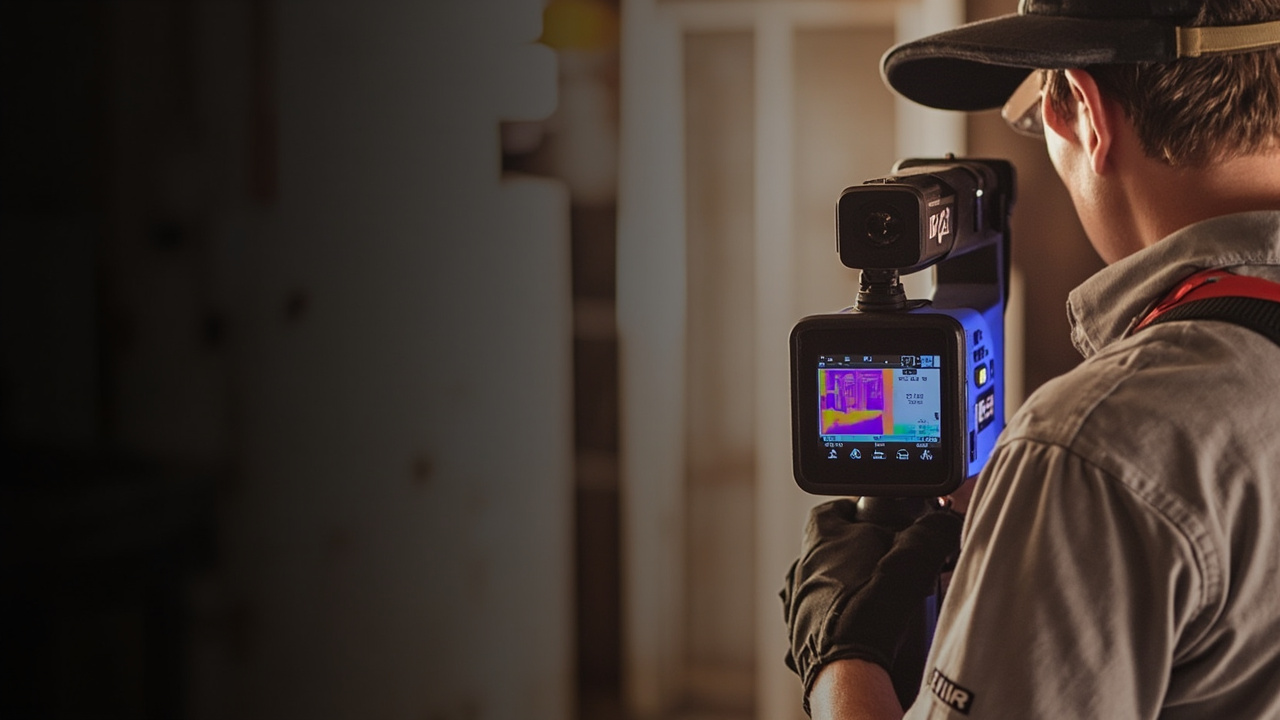
Attic water removal services must address both visible pooling and absorbed moisture. Surface extraction is only the first step. Without proper attic leak cleanup that includes thermal imaging to detect hidden saturation and controlled drying to prevent secondary damage, you face structural rot, compromised insulation R-value, and potential ceiling collapse. Attic flood restoration requires understanding how Chicago's clay soil causes foundation settling that can crack vent stacks and create new leak points, turning a single incident into a recurring problem without proper attic water damage repair.

Why Attic Water Damage in Chicago Requires Immediate Professional Attention
Our Scientific Approach to Attic Water Damage Cleanup

Our Scientific Approach to Attic Water Damage Cleanup

Effective attic water damage cleanup in Chicago requires more than shop vacs and fans. We deploy psychrometric analysis to measure the exact moisture load in your attic space, calculating the specific dew point and vapor pressure that drives condensation in Chicago's variable climate. This data determines our equipment placement and drying timeline. We use truck-mounted extractors for standing water, then position low-grain refrigerant dehumidifiers that pull moisture from the air while monitoring wood moisture content with pin and pinless meters. Your attic reaches equilibrium moisture content, the level where materials stabilize without risk of mold or rot, typically 48 to 72 hours with proper airflow management.

We do not guess at hidden damage. Thermal imaging reveals cold spots where saturated insulation clings to rafters and sheathing. We document moisture readings at multiple depths in wooden members because surface dryness misleads. Chicago's historic homes often have tongue-and-groove roof decking that traps water between boards. We create controlled drying chambers when necessary, sealing the attic and introducing heated, low-humidity air in calculated volumes. This prevents over-drying that causes wood to crack or under-drying that leaves dormant mold spores.

Attic water removal services include containment to prevent cross-contamination if the source involved category two or three water. We establish negative air pressure and HEPA filtration when sewage backup through vent stacks or animal waste contamination requires remediation beyond simple drying. Our attic flood restoration process addresses the cause simultaneously with cleanup. We identify failed flashing, compromised valleys, or inadequate attic ventilation that contributed to the intrusion. You receive documentation showing moisture readings before and after intervention, critical for insurance claims and future property transactions.

What Happens During Your Attic Water Damage Cleanup

Attic Water Damage Cleanup in Chicago – Experts in Rapid Extraction and Structural Drying
01

Emergency Assessment and Containment

We arrive within hours of your call to stop active water intrusion and assess damage extent. Our technicians use moisture meters and thermal cameras to map affected areas beyond visible damage. We document findings with photographs and detailed notes for your insurance adjuster. Immediate containment prevents water migration into living spaces below. We identify whether the source requires temporary roof tarping or emergency plumbing shutoff before extraction begins.
02

Water Extraction and Material Removal

Truck-mounted extractors remove standing water while we evaluate insulation salvageability. Saturated fiberglass and cellulose must be removed because drying in place creates mold habitat. We bag and remove compromised materials following EPA guidelines. Wooden framing receives moisture readings at multiple points to determine structural integrity. We remove damaged roof decking sections if moisture content exceeds safe thresholds. Air movers and dehumidifiers begin controlled drying immediately after extraction.
03

Drying Verification and Prevention Planning

We monitor your attic daily until all materials reach equilibrium moisture content below 15 percent. Final thermal imaging confirms no hidden moisture pockets remain. You receive a completion certificate with before and after readings. We provide a written assessment identifying the water source and recommending permanent solutions, whether improved attic ventilation, upgraded flashing, or structural repairs. Our documentation supports insurance claims and protects your property value during future inspections or sales.

Why Chicago Property Owners Choose Cornerstone Water Damage Restoration Chicago for Attic Water Damage Cleanup

Chicago attic spaces face unique challenges that generic restoration companies miss. We understand how the city's architectural diversity affects water damage patterns. Bungalows in Portage Park have low-slope roofs prone to ice dam backup. Greystone buildings in Bronzeville feature flat roofs with parapet walls that trap water when drains clog. Victorian homes in Old Town have complex rooflines with multiple valleys where debris accumulates and blocks drainage. We have worked in every neighborhood and building type across the metro, giving us insight into common failure points before we arrive at your property.

Our technicians hold IICRC certifications in water damage restoration and applied structural drying. This matters because improper drying techniques cause secondary damage that exceeds the original loss. We follow ANSI/IICRC S500 standards for water damage restoration, the benchmark insurance adjusters reference when evaluating claims. Our equipment inventory includes commercial-grade dehumidifiers capable of processing the humid air Chicago summers produce, critical for preventing mold in partially dried spaces. We maintain relationships with local roofing contractors and structural engineers for situations requiring repairs beyond our scope, coordinating the full restoration without delays.

Chicago building codes require specific ventilation ratios and vapor barriers in attic spaces. We ensure all restoration work maintains code compliance, protecting you from future inspection failures or insurance coverage disputes. Our documentation includes detailed moisture mapping, equipment logs showing daily readings, and photographic evidence of pre-loss conditions where possible. This level of detail proves essential when insurance adjusters question claim amounts or scope. We work directly with your carrier, providing technical explanations that speed approval and prevent underpayment for necessary services.

What You Can Expect During Attic Water Damage Cleanup in Chicago

Response Time and Availability

We dispatch crews within two hours of your call, 24 hours a day, every day of the year. Chicago weather does not follow business hours, and neither do we. Our rapid response prevents secondary damage that develops in the first 48 hours after water intrusion. We arrive with extraction equipment, moisture detection tools, and containment materials to begin mitigation immediately. You receive a detailed scope of work and timeline estimate before we start, with updates as conditions change during drying. Our average attic water damage cleanup takes three to five days from initial extraction to final verification, depending on saturation extent and materials involved.

Initial Inspection and Moisture Assessment

Your assessment begins with a complete attic inspection using thermal imaging and moisture meters. We check every rafter, joist, and section of roof decking for hidden saturation. You receive a written moisture map showing affected areas and readings at each test point. We explain what materials can be saved through drying and what requires removal. Our inspection includes identifying the water source, whether roof penetration, plumbing failure, or condensation issue. We photograph damage from multiple angles for insurance documentation and discuss your options for temporary repairs if the source cannot be permanently fixed immediately.

Drying Results and Final Conditions

We do not stop monitoring until your attic reaches equilibrium moisture content throughout all affected materials. Final readings prove every wooden member, remaining insulation, and structural component has dried completely. You receive a completion certificate with before and after measurements, establishing the baseline for future comparisons. We clean the workspace, removing all damaged materials we bagged during extraction. Your attic returns to a safe, dry condition ready for new insulation installation and any necessary repairs. We explain what normal moisture readings look like in Chicago's climate so you can monitor conditions going forward.

Insurance Coordination and Documentation

We provide complete documentation packages formatted for insurance submission, including moisture logs, equipment placement diagrams, and itemized scope of work. Our estimates reference Xactimate pricing, the standard most carriers use, preventing disputes over reasonable costs. We communicate directly with adjusters when requested, explaining technical aspects of the drying process and why specific equipment or procedures were necessary. You receive copies of all documentation for your records. We also provide letters of completion that satisfy mortgage company requirements if your lender requests proof of proper restoration following a claim.

Frequently Asked Questions

You Have Questions,
We Have Answers

How to fix water damage in an attic? +

First, stop the water source. Inspect your roof for missing shingles or damaged flashing, especially after Chicago's brutal freeze-thaw cycles. Remove wet insulation immediately to prevent mold growth. Use fans and dehumidifiers to dry out structural wood, but monitor moisture levels with a meter. Check rafters and decking for rot or sagging. In Chicago's humid summers, drying can take longer than you expect. If you see widespread staining, mold, or structural damage, call a professional. DIY fixes work for small leaks, but extensive water intrusion requires extraction equipment and thermal imaging to find hidden moisture pockets.

What is the 7 and 7 rule for a finished attic? +

The 7 and 7 rule refers to Chicago building code requirements for habitable attic space. You need at least 7 feet of ceiling height over a minimum of 7 feet of floor width. This applies if you plan to finish your attic as living space. The rule ensures adequate headroom and usable square footage. Chicago inspectors enforce this strictly during permit reviews. If water damage has compromised your attic structure or insulation, restoring it to code compliance becomes critical before finishing. Many older Chicago homes with steep rooflines meet this requirement, but verify measurements before planning any conversion project.

Does homeowners insurance cover attic remediation? +

It depends on the water source. Homeowners insurance typically covers sudden and accidental damage, like a burst pipe or storm-damaged roof. Gradual leaks from deferred maintenance are usually excluded. In Chicago, wind-driven rain during severe storms often qualifies for coverage. Mold remediation may be covered only if it results from a covered peril and you acted quickly. Read your policy carefully. Document everything with photos and timestamps. Insurance adjusters look for proof you maintained your roof and gutters. If your claim gets denied, you can appeal with contractor reports showing the damage was sudden, not neglected.

How much does it cost to repair water damage in the attic? +

Costs vary widely based on damage extent. Minor repairs, like replacing a few feet of soaked insulation and patching a small roof leak, may run a few hundred dollars. Extensive damage involving structural drying, mold remediation, rafter replacement, and full insulation reinstallation can reach several thousand. Chicago's older housing stock often hides additional issues once you open walls or ceilings. Factors include square footage, insulation type, mold presence, and whether you need roof repairs. Get multiple quotes from licensed contractors. Avoid the cheapest bid. Quality restoration prevents recurring problems and protects your investment long-term.

Will homeowners insurance cover water damage from a roof leak? +

Yes, if the roof leak results from a covered peril like wind, hail, or falling tree branches. Chicago's heavy snowfall and ice dams also qualify under most policies. However, insurance will not cover leaks caused by poor maintenance, worn shingles you ignored, or gradual deterioration. Document the storm event and take photos of damaged shingles or flashing. File your claim promptly. Delays can lead to denials. If mold develops quickly after the leak, insurers may cover remediation if you act fast. Review your policy for exclusions and coverage limits before assuming full reimbursement.

Will wet attic insulation dry out? +

Wet fiberglass or cellulose insulation rarely dries properly. Fiberglass compresses when soaked, losing its R-value permanently. It also traps moisture against wood framing, promoting mold and rot. Cellulose can dry if airflow is excellent and humidity is low, but Chicago's summer humidity makes that unlikely. Spray foam insulation resists water better but can hide moisture behind it. Remove and replace wet insulation immediately. Leaving it in place risks structural damage and mold spread. Use fans and dehumidifiers to dry framing before reinstalling. Skipping this step leads to bigger problems and higher costs down the line.

How much does it cost to redo an attic? +

Redoing an attic involves multiple cost factors. A basic insulation upgrade and air sealing may cost a few thousand dollars. Full finishing, including framing, drywall, flooring, HVAC extensions, and electrical work, can exceed tens of thousands depending on square footage. In Chicago, you must meet energy code requirements and often need permits for structural changes. Older homes may require additional framing to meet the 7 and 7 rule. If you are redoing an attic after water damage, factor in mold remediation and structural repairs first. Budget for unexpected issues common in Chicago's century-old homes.

Is attic restoration worth it? +

Attic restoration is worth it if water damage has compromised insulation, created mold, or damaged structural components. Poor attic conditions drive up heating and cooling costs in Chicago's extreme climate. Restoring proper insulation and ventilation improves energy efficiency and indoor air quality. If you plan to sell, buyers and inspectors flag attic issues quickly. Restoration also prevents further damage to ceilings and walls below. Skipping it leads to compounding problems like rot, pest intrusion, and ice dams. Weigh restoration costs against energy savings and home value protection. For most Chicago homeowners, it pays off.

Is it legal to turn an attic into a bedroom? +

Yes, but only if the attic meets Chicago building code for habitable space. You need the 7 and 7 rule, proper egress windows for emergency escape, adequate heating and cooling, and insulation meeting energy codes. You must pull permits and pass inspections. Many Chicago attics lack sufficient ceiling height or egress options. Converting an attic without permits is illegal and creates liability if you sell. Inspectors will flag unpermitted work. If water damage has affected your attic, address structural and mold issues before planning any conversion. Cutting corners leads to failed inspections and expensive rework.

How much does it cost to remediate an attic? +

Remediation costs depend on contamination type and scope. Mold remediation in an average Chicago attic ranges from a few thousand to several thousand dollars for extensive infestations. This includes containment, removal of affected materials, HEPA filtration, and antimicrobial treatment. If water damage introduced sewage or chemical contaminants, costs rise due to hazmat protocols. Asbestos or vermiculite insulation in older Chicago homes adds remediation complexity and expense. Always hire certified remediation professionals. DIY mold cleanup often spreads spores and fails to address hidden growth. Factor in post-remediation testing to verify air quality before closing up the attic.

How Chicago Ice Dams and Summer Humidity Create Attic Water Damage Patterns

Chicago experiences temperature extremes that create predictable attic water damage patterns. Winter ice dams form when heat loss through inadequate insulation warms roof surfaces above 32 degrees while eaves remain frozen. Meltwater backs up under shingles and enters attic spaces along soffit areas and exterior walls. Summer humidity in the metro regularly exceeds 70 percent, preventing moisture evaporation from materials that absorbed water during spring storms. Attic ventilation systems designed for moderate climates fail in Chicago conditions, trapping humid air that condenses on cooler surfaces during temperature drops. This cycle of seasonal moisture intrusion and inadequate drying creates chronic problems in attics across neighborhoods from Rogers Park to Beverly.

Chicago building codes have evolved to address moisture management in attic spaces, but older homes lack modern vapor barriers and ventilation standards. Properties built before 1980 often have insufficient soffit and ridge venting, creating dead air pockets where humidity accumulates. We work throughout Cook County and understand local inspection requirements for restored attic spaces. Our attic water damage cleanup meets current code standards even when restoring older construction, protecting you during future property transfers or refinancing inspections. Local expertise matters because Chicago-specific conditions require solutions beyond standard restoration protocols used in moderate climates.
Water Damage Restoration Services in The Chicago Area

Cornerstone proudly serves the entire Chicago area with fast, dependable water damage restoration services. Whether you’re located in downtown, the suburbs, or surrounding neighborhoods, we’re ready to respond to your call—day or night. Use the map below to see our local service coverage and find our nearest team. With mobile units throughout the city, help is never far away. If you’re facing water damage, reach out now and let us show you why homeowners and businesses choose Cornerstone.

Address:
Cornerstone Water Damage Restoration Chicago, 171 N Aberdeen St, Chicago, IL, 60607

Additional Services We Offer

Our news updates

Latest Articles & News from The Blogs

High Humidity and Mold Growth in Chicago Summers What Homeowners Need to Know Your basement smells musty. Your bathroom mirror…

Why high humidity in the Chicago summer makes water damage worse in Calumet Heights

High Humidity and Mold Growth in Chicago Summers What Homeowners Need to Know Your basement smells musty. Your bathroom mirror…

Managing water damage restoration in the high-end luxury builds of the Near North Side

Luxury Home Water Damage Restoration in Chicago's Near North Side A burst pipe at 2 AM in your Gold Coast…

How we use thermal imaging to find hidden leaks in West Ridge homes

Expert Infrared Leak Detection in Chicago Homes and Businesses A hidden pipe leak can destroy your property long before you…

Contact Us

Water in your attic spreads and worsens every hour. Call Cornerstone Water Damage Restoration Chicago now at (872) 266-1616 for immediate dispatch and expert moisture removal that prevents mold growth and structural damage throughout your Chicago property.