




menu

Allergic Reactions in Home – Chicago's Expert Water Damage and Mold Remediation to Stop Indoor Allergens Fast

If you're experiencing unexplained sneezing, coughing, or respiratory distress inside your Chicago home, hidden water damage and mold growth may be triggering allergic reactions in home environments – we identify the moisture source and eliminate allergens at the root.

Slider Image 1
Slider Image 2
Slider Image 3
Slider Image 4
Slider Image 5
Slider Image 7
Slider Image 8
Slider Image 9
Slider Image 10
Slider Image 11

Why Chicago Homes Breed Hidden Mold and Trigger Year-Round Allergic Reactions

You wake up congested. Your throat itches. Your kids cough through the night. You assume it's seasonal allergies, but the symptoms never stop. The problem isn't pollen. It's what's growing inside your walls.

Chicago's volatile climate creates perfect conditions for household mold allergies. Winter freeze-thaw cycles crack foundations and rooflines. Spring rains saturate basements. Summer humidity feeds mildew in crawl spaces and attics. Fall condensation forms on cold windows and pipes. Water finds a way in, and once it does, mold colonies establish within 24 to 48 hours.

Most Chicago homes built before 1980 lack proper vapor barriers. Older brick buildings in Lincoln Park and Logan Square have porous mortar joints that wick moisture during heavy rainstorms. Bungalows in Portage Park and Jefferson Park have low-grade crawl spaces prone to standing water. Even newer construction in neighborhoods like West Loop can suffer from improper flashing around windows and doors.

The result is indoor mold symptoms that mimic seasonal allergies but persist year-round. You're inhaling spores from Aspergillus, Penicillium, Stachybotrys, and Cladosporium. These fungi release mycotoxins and volatile organic compounds that trigger mildew allergic reactions, including sneezing, watery eyes, skin rashes, asthma attacks, and chronic sinus infections.

Water damage allergy triggers are not visible until the problem is advanced. By the time you see black spots on drywall or smell that musty odor, spore counts are already elevated. Mold exposure symptoms worsen over time, especially in children, elderly residents, and anyone with compromised immune systems.

If your allergies improve when you leave the house and return when you come home, you have a moisture problem. The fix is not an antihistamine. The fix is locating the water intrusion, drying the structure, and removing contaminated materials.

Why Chicago Homes Breed Hidden Mold and Trigger Year-Round Allergic Reactions
How We Stop Mold Growth and Eliminate Water Damage Allergy Triggers in Chicago Homes

How We Stop Mold Growth and Eliminate Water Damage Allergy Triggers in Chicago Homes

We do not spray bleach on drywall and call it fixed. We do not run a dehumidifier and hope for the best. We follow IICRC S520 mold remediation standards and address the root cause of water intrusion.

First, we deploy thermal imaging cameras and moisture meters to map hidden water damage behind walls, under flooring, and above ceilings. Infrared technology reveals temperature differentials that indicate wet insulation, saturated studs, and active leaks. We measure moisture content in wood, drywall, and concrete using pin-type and non-invasive sensors. Readings above 16 percent in wood framing or above 2 percent in concrete signal conditions favorable for mold colonization.

Next, we establish containment barriers using 6-mil polyethylene sheeting and negative air pressure. HEPA-filtered air scrubbers create negative pressure differentials to prevent cross-contamination during material removal. This keeps spores from spreading into unaffected rooms. We bag and remove contaminated drywall, insulation, baseboards, and carpet padding. Porous materials that have been wet for more than 48 hours cannot be salvaged.

We then treat structural framing and subfloors with EPA-registered antimicrobial solutions. We use HEPA vacuums to capture surface spores on joists and studs. After treatment, we dry the structure using commercial-grade air movers and dehumidifiers until moisture levels return to baseline. We verify dryness with follow-up moisture readings before reconstruction begins.

Finally, we address the water source. We identify roof leaks, failed sump pumps, cracked foundation walls, leaking supply lines, and condensation issues. We install vapor barriers in crawl spaces, improve attic ventilation, repair exterior grading, and recommend gutter improvements. Remediation without fixing the water source guarantees recurrence.

We do not perform mold testing unless required by a physician or attorney. Air sampling and surface swabs are expensive and rarely change the scope of work. If you see mold or smell mold, you have mold. The solution is the same regardless of species.

What Happens During Your Mold and Water Damage Assessment

Allergic Reactions in Home – Chicago's Expert Water Damage and Mold Remediation to Stop Indoor Allergens Fast
01

Initial Inspection and Moisture Mapping

We arrive within 24 hours of your call and conduct a room-by-room inspection. We use thermal cameras to scan walls, ceilings, and floors for hidden moisture. We document visible mold growth, water stains, and musty odors. We ask about recent leaks, plumbing issues, and when symptoms began. This inspection takes 45 to 90 minutes and identifies all affected areas.
02

Containment and Material Removal

We seal off the work area with plastic sheeting and set up HEPA filtration units. We remove contaminated drywall, insulation, and flooring. We bag all debris in 6-mil poly bags and dispose of it according to Illinois EPA guidelines. We treat exposed framing with antimicrobial solutions and HEPA vacuum all surfaces. This phase takes one to three days depending on contamination extent.
03

Drying and Source Correction

We position air movers and dehumidifiers to dry structural components. We monitor moisture levels daily until readings confirm dryness. We repair or recommend repairs for the water intrusion source, whether it's a roof leak, foundation crack, or plumbing failure. Once the structure is dry and the source is fixed, we clear the area for reconstruction. This phase takes two to five days.

Why Cornerstone Water Damage Restoration Chicago Is the Right Choice for Mold Remediation

You need a contractor who understands Chicago construction. We work in brick two-flats, vintage bungalows, and modern condos daily. We know how Chicagoland homes are built, where they fail, and how to fix them without causing additional damage.

We follow IICRC S520 standards for mold remediation and IICRC S500 standards for water damage restoration. Our technicians hold Water Restoration Technician and Applied Microbial Remediation Technician certifications. We carry general liability insurance and maintain an A-plus rating with the Better Business Bureau. We provide documentation for insurance claims, including moisture logs, scope of work reports, and before-and-after photos.

We do not upsell air quality testing or unnecessary treatments. We do not recommend ozone generators, which damage respiratory tissue and do not kill mold roots. We do not use unproven foggers or encapsulants as a substitute for proper material removal. We follow science-based protocols that have been validated by the Environmental Protection Agency and the Institute of Inspection, Cleaning and Restoration Certification.

We work directly with your insurance adjuster to document the loss and expedite approval. We know what Cook County and DuPage County building inspectors require for permit sign-offs. We coordinate with licensed plumbers, electricians, and roofers when secondary repairs are needed. We handle the entire process so you don't have to manage multiple contractors.

We serve all Chicago neighborhoods, including North Side areas like Lincoln Park, Lakeview, and Rogers Park, South Side areas like Hyde Park, Beverly, and Bridgeport, and West Side areas like Austin, Humboldt Park, and West Town. We respond to the suburbs including Evanston, Oak Park, Naperville, Schaumburg, and Arlington Heights. We arrive within two hours for emergency water extraction and within 24 hours for mold assessments.

You will speak directly to the project manager who oversees your job. You will receive a written estimate before work begins. You will get daily updates until the project is complete.

What to Expect When You Hire Us for Mold Remediation and Water Damage Restoration

Fast Response and Availability

We answer calls seven days a week. Emergency water extraction crews arrive within two hours. Mold assessment appointments are scheduled within 24 hours. We understand that water damage worsens by the hour, so we prioritize speed without sacrificing thoroughness. Most residential mold remediation projects are completed in three to seven days from containment setup to final clearance. Larger projects involving multiple rooms or structural drying may take up to two weeks. We provide a detailed timeline during the initial estimate so you know exactly what to expect.

Detailed Assessment and Transparent Estimates

We do not charge for initial consultations. During the assessment, we map moisture levels, photograph affected areas, and measure the extent of contamination. We provide a written estimate that breaks down labor, equipment, disposal, and materials. We explain what needs to be removed, what can be salvaged, and what additional repairs may be required. We answer all questions before work begins. If your insurance is covering the loss, we provide documentation formatted for adjuster review. We do not inflate estimates or add hidden fees.

Thorough Remediation and Verified Dryness

You will receive a home that is dry, clean, and safe. We remove all contaminated materials, treat structural components, and verify dryness with moisture meters. We document moisture readings at the start and finish of the project. We HEPA vacuum all surfaces and wipe down framing with antimicrobial solution. We leave the space ready for reconstruction, whether you hire us for rebuild services or use your own contractor. We do not leave musty odors, visible stains, or elevated moisture levels.

Ongoing Support and Prevention Guidance

We provide recommendations to prevent future mold growth, including ventilation improvements, dehumidifier installation, and moisture barrier upgrades. We explain how to monitor humidity levels and recognize early signs of water intrusion. If mold returns within 90 days due to our workmanship, we correct it at no charge. We do not offer lifetime guarantees because we cannot control future leaks or neglected maintenance, but we stand behind the quality of our remediation work. We remain available for questions and follow-up inspections.

Frequently Asked Questions

You Have Questions,
We Have Answers

What could be causing allergies in my house? +

Common culprits include dust mites thriving in bedding and carpets, mold spores from water leaks or Chicago's humid summers, pet dander, cockroach droppings in older buildings, and pollen tracked indoors. Many Chicago homes built before 1978 have poor ventilation that traps allergens. Forced-air heating systems circulate dust throughout your space during cold months. Basements prone to moisture from freeze-thaw cycles often harbor mold. Chemical off-gassing from new furniture or cleaning products can also trigger reactions. If you notice symptoms worsen at home but improve when you leave, indoor allergens are likely responsible.

How do I tell if I'm allergic to something in my house? +

Watch for symptoms that worsen indoors and improve when you leave your house. Sneezing fits, itchy watery eyes, runny nose, scratchy throat, and congestion that persist year-round point to indoor allergens. Notice if symptoms spike after cleaning, when your furnace kicks on during Chicago winters, or in specific rooms like damp basements. Skin rashes or hives after touching surfaces suggest contact allergies. Waking with congestion or coughing at night often signals dust mite reactions from bedding. Track your symptoms for patterns. If they consistently flare at home regardless of season, you likely have indoor allergy triggers.

How do you treat an allergic cough? +

Remove the allergen source first. Run HEPA air purifiers to filter particles. Wash bedding weekly in hot water to kill dust mites. Fix water leaks immediately to prevent mold growth, especially important in Chicago homes with basement moisture issues. Over-the-counter antihistamines like cetirizine or loratadine reduce histamine response. Drink warm liquids to soothe throat irritation. Use a humidifier if air is dry from winter heating, but keep levels below 50% to prevent mold. Avoid irritants like smoke or strong fragrances. If coughing persists beyond three weeks or worsens, see your doctor to rule out infection or asthma.

How to stop a nasal allergy attack? +

Rinse nasal passages immediately with saline spray or a neti pot to flush allergens. This works fast for pollen or dust exposure. Take a fast-acting antihistamine like diphenhydramine. Move to a room with clean air away from the trigger source. Run an air purifier if available. Breathe through a damp cloth to filter particles. Apply a cold compress over your sinuses to reduce swelling. Avoid rubbing your eyes, which worsens irritation. If you know your trigger, remove it. Chicago residents should check pollen counts before opening windows during spring and fall peaks. Severe reactions with breathing difficulty require emergency care.

How to identify indoor allergies? +

Pay attention to when and where symptoms occur. Year-round issues point to indoor allergies versus seasonal outdoor allergies. Notice if symptoms worsen in specific rooms like musty basements or bedrooms with old carpeting. Check if running your HVAC system triggers sneezing. Look for visible mold on walls, window frames, or bathroom tiles common in older Chicago buildings. Inspect for water stains from roof leaks or plumbing issues. Notice if vacuuming stirs symptoms, indicating dust mites. Track symptom patterns in a journal for two weeks. An allergist can perform skin testing to identify specific indoor allergens causing your reactions.

Can mold cause allergic reactions? +

Yes. Mold releases spores and mycotoxins that trigger allergic reactions in sensitive people. Common symptoms include sneezing, runny nose, itchy eyes, skin rashes, and breathing difficulty. Chicago homes face mold risks from basement flooding, poor ventilation, and moisture from Lake Michigan humidity. Mold grows on drywall, wood, carpet, and insulation after water damage. Black mold (Stachybotrys) produces severe reactions. Even dead mold spores cause allergies. If you smell musty odors or see discoloration on walls, you likely have mold. Professional testing identifies species and extent. Remediation requires fixing moisture sources and removing contaminated materials. Never ignore visible mold growth.

How do I test my house for allergies? +

Start with visual inspection for mold, water stains, and dust accumulation. Purchase a home allergen test kit from pharmacies that detects dust mites, mold, and pet dander from collected samples. HVAC companies can test duct systems for contamination. Hire a certified indoor air quality specialist to conduct comprehensive testing using air sampling and surface swabs. They measure particle counts and identify specific allergens. Board-certified allergists offer skin prick testing to determine your personal sensitivities. For Chicago homes with suspected mold from water damage, professional mold inspection with lab analysis provides accurate identification. Testing costs vary but prevents guessing about hidden triggers causing your symptoms.

Do air purifiers help allergies? +

Yes, when used correctly. HEPA filters capture 99.97% of particles 0.3 microns or larger, including pollen, dust mites, mold spores, and pet dander. Place units in bedrooms where you spend eight hours nightly. Choose models rated for your square footage. Run continuously during high pollen seasons in Chicago's spring and fall. Change filters per manufacturer guidelines. Air purifiers reduce airborne allergens but do not eliminate sources like dust mites in mattresses or mold in walls. Combine with source control like fixing leaks, washing bedding, and removing carpets. Purifiers help most when Chicago air quality drops or during wildfire smoke events affecting the region.

What are the symptoms of house dust mite allergy? +

Dust mite allergy causes sneezing, runny or stuffy nose, itchy watery eyes, and postnasal drip. You may experience facial pressure and sinus congestion. Itchy nose, roof of mouth, or throat are common. Coughing and wheezing indicate airway irritation. Skin reactions include eczema flare-ups. Symptoms typically worsen at night or upon waking because dust mites concentrate in bedding where you inhale their waste particles for hours. Chicago's older homes with carpeting and forced-air heating systems circulate more dust mite allergens. If you wake congested or cough at night but feel better midday, dust mites are likely culprits. Severe reactions can trigger asthma attacks.

When to worry about allergy cough? +

Seek medical attention if your cough lasts longer than three weeks, worsens instead of improving, or disrupts sleep nightly. Worry if you develop wheezing, chest tightness, or shortness of breath, which may signal asthma. Coughing up blood, experiencing fever above 101°F, or having severe fatigue requires immediate evaluation. If over-the-counter treatments provide no relief after one week, see your doctor. Sudden onset after mold exposure in Chicago basements or water-damaged areas needs assessment. Children and elderly adults with persistent allergy coughs need faster intervention. Any breathing difficulty or throat swelling requires emergency care. Document symptom patterns to help your doctor identify triggers.

How Chicago's Lake Effect Humidity and Freeze-Thaw Cycles Worsen Indoor Mold Allergies

Chicago sits on Lake Michigan, which moderates temperatures but increases relative humidity. Summer dew points regularly exceed 65 degrees, creating conditions where indoor surfaces stay damp even with air conditioning. Winter freeze-thaw cycles crack masonry, open gaps in rooflines, and cause ice dams that force water under shingles. Spring rains saturate clay soil, which expands and contracts, shifting foundations and cracking basement walls. These seasonal moisture patterns make household mold allergies and water damage allergy triggers a year-round issue in Chicago homes. Prevention requires active moisture management, proper drainage, and rapid response when leaks occur.

We work with Chicago building inspectors and follow Illinois Department of Public Health guidelines for mold remediation. We understand local building codes, including Chicago's strict requirements for lead paint abatement in homes built before 1978. We know which suburbs require permits for drywall removal and reconstruction. We have relationships with adjusters at every major insurance carrier operating in Cook County, DuPage County, and Lake County. When you hire a local contractor, you get someone who understands the specific challenges of Chicago construction and who will be here next month if you need follow-up service.
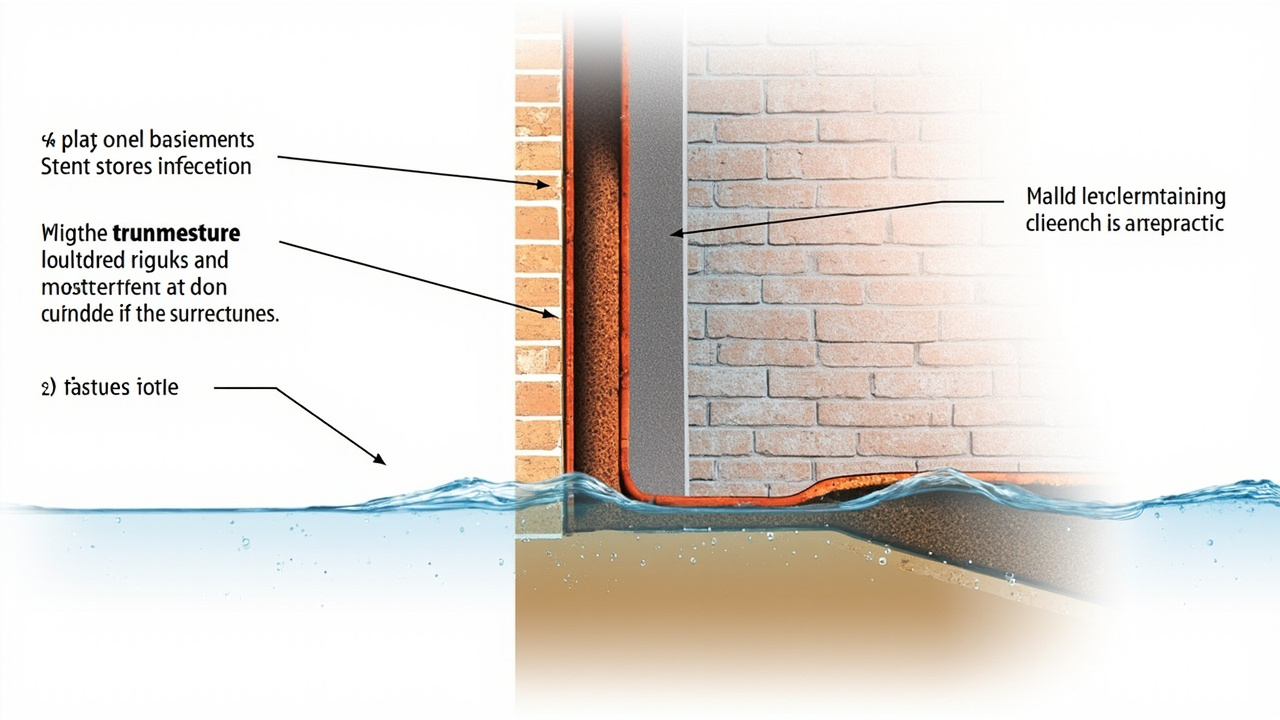
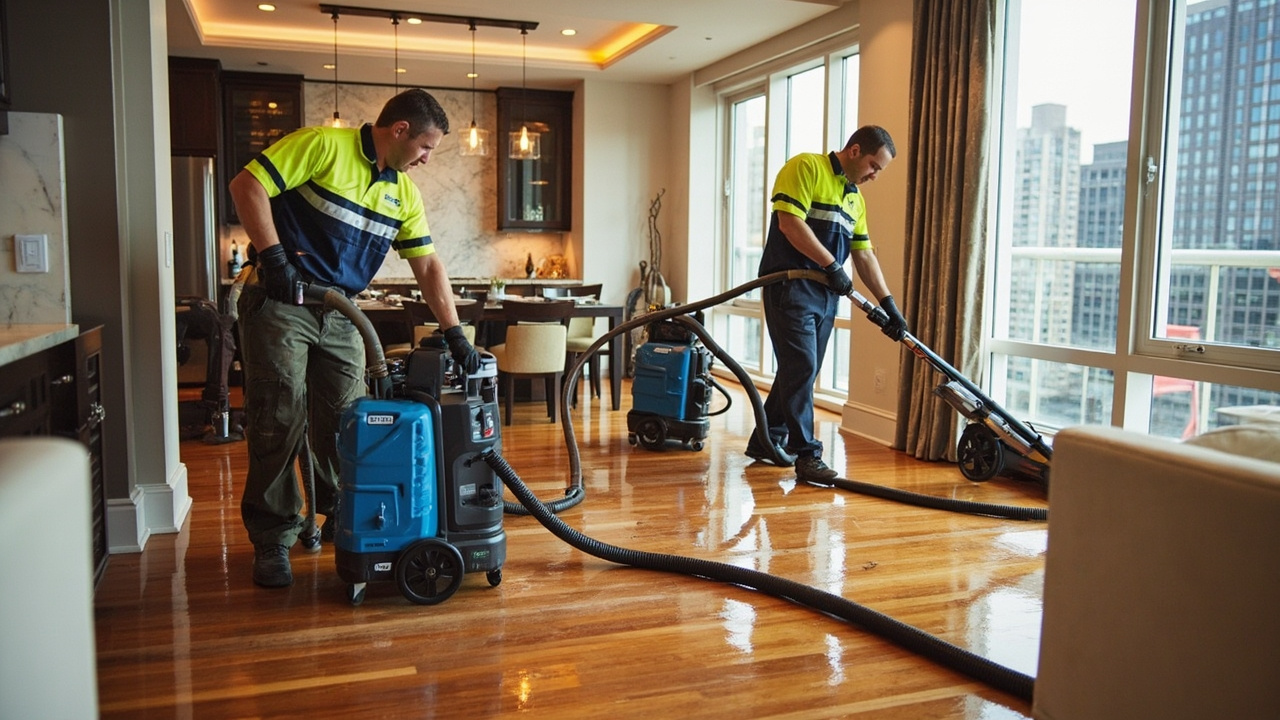
Water Damage Restoration Services in The Chicago Area

Cornerstone proudly serves the entire Chicago area with fast, dependable water damage restoration services. Whether you’re located in downtown, the suburbs, or surrounding neighborhoods, we’re ready to respond to your call—day or night. Use the map below to see our local service coverage and find our nearest team. With mobile units throughout the city, help is never far away. If you’re facing water damage, reach out now and let us show you why homeowners and businesses choose Cornerstone.

Address:
Cornerstone Water Damage Restoration Chicago, 171 N Aberdeen St, Chicago, IL, 60607

Additional Services We Offer

Our news updates

Latest Articles & News from The Blogs

High Humidity and Mold Growth in Chicago Summers What Homeowners Need to Know Your basement smells musty. Your bathroom mirror…

Why high humidity in the Chicago summer makes water damage worse in Calumet Heights

High Humidity and Mold Growth in Chicago Summers What Homeowners Need to Know Your basement smells musty. Your bathroom mirror…

Managing water damage restoration in the high-end luxury builds of the Near North Side

Luxury Home Water Damage Restoration in Chicago's Near North Side A burst pipe at 2 AM in your Gold Coast…

How we use thermal imaging to find hidden leaks in West Ridge homes

Expert Infrared Leak Detection in Chicago Homes and Businesses A hidden pipe leak can destroy your property long before you…

Contact Us

If you're coughing, sneezing, or struggling to breathe inside your own home, hidden mold is likely the cause. Call Cornerstone Water Damage Restoration Chicago at (872) 266-1616 today. We'll assess your home, identify the moisture source, and eliminate mold growth so you can breathe easy again.