
Clogged Gutters Causing Basement Flooding in Chicago Prevention and Restoration Guide
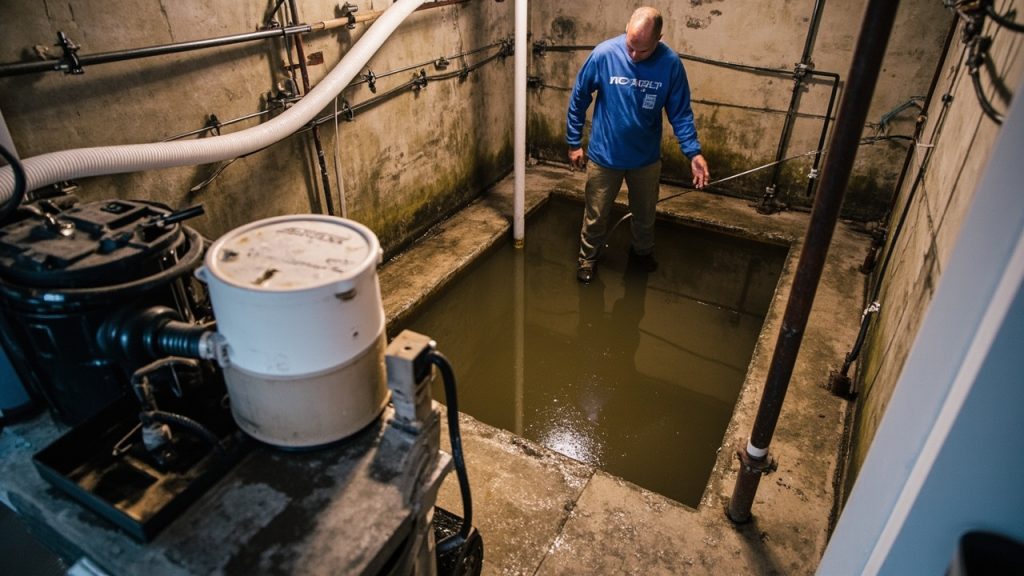
Your basement is flooding, and you just realized your gutters are overflowing. You are not alone. Chicago homeowners standing in Edgebrook, Bucktown, and nearby Hermosa face this exact crisis every autumn and spring when water pours off saturated gutters and soaks the foundation. The problem feels sudden, but it started weeks ago when leaves accumulated in your downspouts.. Read more about Fixing interior water damage from failing rooftop deck drains in West Town.
Clogged gutters create visible problems and deeper foundation damage. They transform your foundation into a soaked sponge, creating hydrostatic pressure that forces water through basement walls, cracks in the foundation, and the cove joint where the floor meets the walls. In Chicago’s clay-heavy soil, this pressure becomes dangerous within hours.
This guide explains what is happening to your home right now, what you need to do in the next 24 hours, and how professional restoration stops the damage before mold spores colonize your walls.
The Direct Link: How Gutter Debris Leads to Foundation Seepage
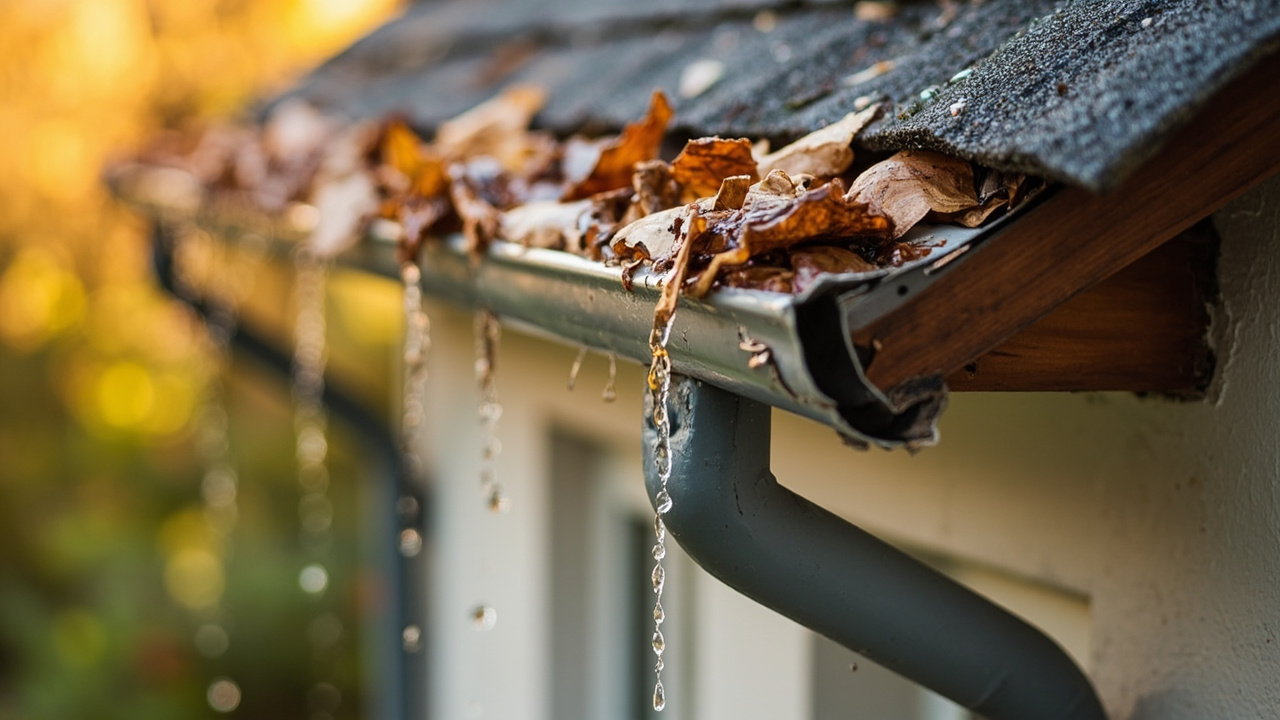
Water does not disappear when gutters clog. Rainwater has nowhere to go except over the edge when leaves and debris block your gutters. That water pools around your foundation, creating what restoration professionals call the moat effect.
A standard Chicago roof with 2,000 square feet of surface area sheds roughly 600 gallons of water during just one inch of rainfall. All of that water cascades down the exterior walls, pools in the soil around your foundation, and sits there if your downspouts are blocked. Chicago’s clay-based soil cannot drain quickly. Chicago Blue Clay holds water like a bathtub. That water presses against your foundation walls with hydrostatic pressure, which increases with every foot of saturated soil around your home.
The pressure forces water to find the path of least resistance. For most Edgebrook and Bucktown basements, that path is the cove joint where the floor meets the foundation wall. Water seeps through cracks in the mortar, through porous concrete, or along the construction joint itself. You notice it as a damp spot that spreads. Within hours, it becomes a flood.
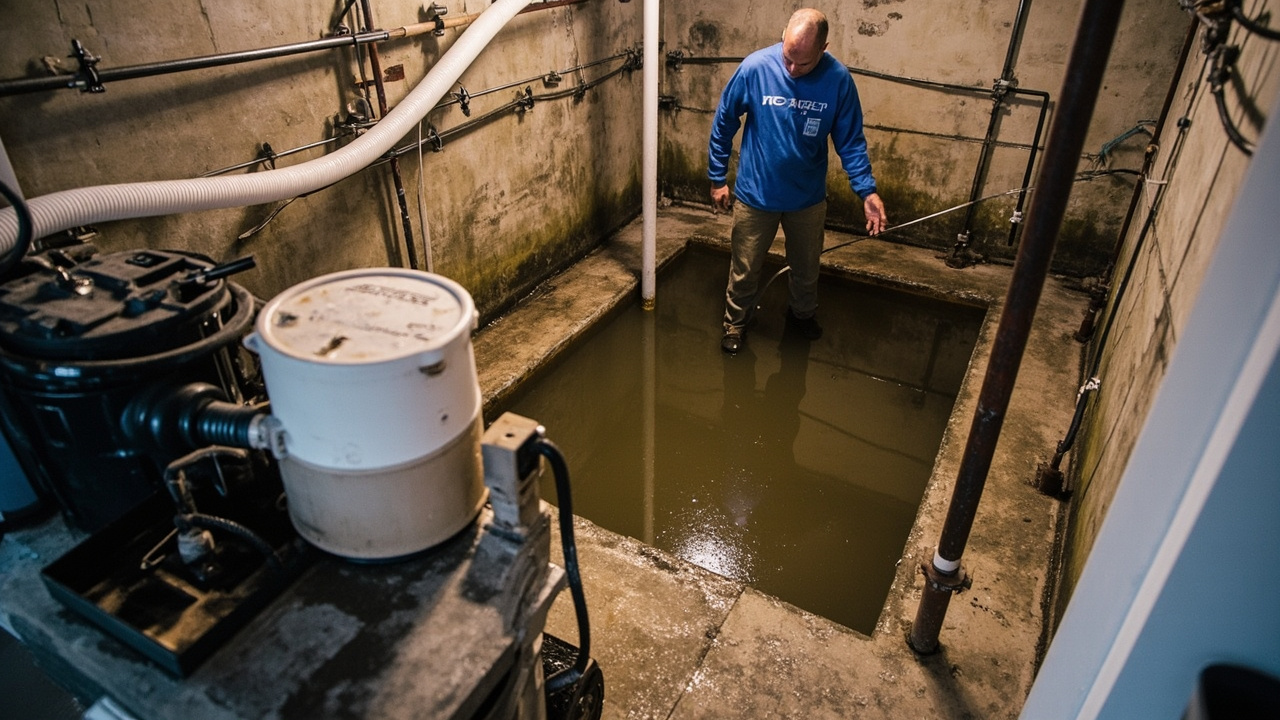
Your basement walls did not suddenly fail. Hydrostatic pressure overwhelmed them. This pressure does not stop after the rain ends. Water remains trapped in the clay soil around your home, continuing to push against the foundation for days or even weeks.
Why Chicago Homes Are at Risk
Chicago sits on a geological foundation that invites basement flooding. The city was built on glacial deposits, which left behind a thick layer of clay beneath most residential areas. This clay has one critical property that makes drainage nearly impossible.
Chicago’s weather patterns accelerate the problem. Spring brings Lake Effect rains that dump inches of water in hours. Autumn leaves clog gutters. Winter freeze-thaw cycles crack foundations and mortar joints. Summer humidity accelerates mold growth once water enters the basement.
Historic Chicago homes made this worse. The Chicago bungalows and two-flats that dominate Edgebrook, Bucktown, and Hermosa were built in the early 1900s with limestone foundations and minimal interior waterproofing. Many had no downspout extensions whatsoever. Water dumped from the gutters fell directly onto the foundation, five feet below grade.
Modern building codes require downspout extensions of at least four to six feet from the foundation. Older Chicago homes often have none, or downspouts that end just a few feet away, still pouring water into the soil right next to the foundation.
The city’s combined sewer system creates another risk. In older neighborhoods like Edgebrook, Bucktown, and Hermosa, the same pipes carry both stormwater and sewage. When it rains heavily, the system backs up. Basement drains flow backward, and water mixes with sewage. This is not just wet. This is toxic.
Five Warning Signs Your Gutters Are Flooding Your Basement
Most homeowners see the flood before they notice the clogged gutters. Clues appear earlier if you know where to look.
- Visible leaves and debris in gutters or downspouts. Walk around your home after the next rain. If you see leaves piled in gutters or water cascading over the edge instead of flowing through downspouts, your drainage is blocked. This is your warning sign before water enters the foundation.
- A damp smell in the basement without visible water. Musty odors mean moisture is present. It could be seeping through the foundation, traveling up the walls through capillary action, or sitting in the soil outside. This smell means hydrostatic pressure is already pushing water toward your foundation.
- Vertical cracks in foundation walls, especially at corners. Water pressure cracks concrete in straight lines, usually running vertically. These cracks may be hairline thin, but they are pathways for water. If you see them near your basement, gutter overflow is likely saturating the soil outside.
- Efflorescence or white staining on basement walls. This chalky white residue appears when water pushes through concrete carrying salts and minerals. You are seeing the mineral deposits left behind as water evaporates. Efflorescence means water is actively moving through your walls.
- Peeling paint or rust stains in basement corners and along the floor line. Paint peels when moisture pushes it off the wall. Rust appears where metal (rebar, fasteners, pipes) oxidizes from prolonged contact with water. Both signals mean basement moisture is chronic, not temporary.
Immediate Steps to Take During a Basement Flood
If water is actively entering your basement, the first 24 hours determine whether you manage damage or suffer structural failure and mold colonization.
- Shut off electricity and gas if safe to do so. Water conducts electricity. If the water level is rising or covers electrical outlets and panel areas, cut power at the breaker panel before entering the basement. If you smell gas, do not enter at all. Call the gas company immediately.
- Document the damage with photos and video before touching anything. Insurance requires evidence of the damage. Photograph the water level on walls, the extent of saturation, and any visible contamination. Record video showing the scope. This documentation is your proof for the insurance claim.
- Identify the water source. Is water coming from a specific crack? Pouring over a gutter? Backing up from a drain? Knowing the source helps you and a professional determine whether this is a one-time gutter failure or a structural issue requiring permanent fixes.
- Move valuables and wet materials out of the basement. Wet drywall, insulation, and wood absorb water and begin deteriorating within hours. Electronics, photos, and documents should be relocated to a dry area. Wet materials also emit moisture that feeds mold spore germination.
- Do not attempt to dry the basement yourself using fans and dehumidifiers alone. Basement floods require industrial-grade water extraction and structural drying. Standard household dehumidifiers cannot handle the volume. Wet concrete, drywall, and soil continue releasing moisture long after visible water is gone. Professional drying using air movers and industrial dehumidifiers is essential to prevent mold.
- Contact your insurance company and a water restoration firm on the same day. Time matters. Many policies have time limits for filing claims. Professional documentation from a certified firm (look for IICRC certification) strengthens your claim and ensures the restoration meets industry standards.
Professional Restoration Versus DIY Cleanup
You can clean up debris. You cannot safely restore a flooded basement.
DIY mistakes cost more than professional help. Mold grows within 48 hours if you do not extract water completely. Structural materials deteriorate and rot if you do not dry them adequately (drywall, insulation, subfloors, concrete). Long-term rot and structural failure follow when drying is incomplete. Many insurance companies refuse to cover subsequent water damage if the initial water was not properly mitigated.
Professional water damage restoration follows IICRC S500 standards, which are the industry benchmark for safe and effective mitigation. These standards cover water extraction rates, drying timelines, moisture monitoring, and documentation protocols.
Water itself falls into three categories under IICRC guidelines. Clean water from burst pipes or roof leaks is Category 1. Murky water from washing machines or dishwashers is Category 2. Sewage or contaminated floodwater is Category 3. Chicago basements flooded via gutters often become Category 2 or 3 if the water mixes with soil, debris, or backed-up sewage from the combined sewer system. Professional teams must follow specific protocols for each category, including personal protective equipment, containment, and disposal methods.
Professionals use equipment that removes water faster and more completely than household pumps. Dehumidifiers placed strategically based on moisture readings extract moisture from walls and flooring. Professionals monitor drying progress with moisture meters and adjust equipment placement as conditions change. They remove and replace materials that cannot dry adequately.
This professional approach costs more upfront but prevents thousands of dollars in mold remediation, structural repairs, and health risks. Insurance often covers a significant portion of professional mitigation if the claim is filed within the policy timeline.
The Hydrostatic Pressure Problem in Chicago Clay Soil
Chicago Blue Clay remains a legacy of glaciation. Thousands of years ago, glaciers compressed the soil into a dense, nearly impermeable layer. This is excellent for building stability but terrible for drainage. Water does not percolate through clay the way it does through sand or gravel.
The Chicago Blue Clay formation consists primarily of glacial till deposited during the last ice age. This clay layer extends deep beneath the surface in Edgebrook, Bucktown, and Hermosa. The composition includes clay minerals, silt, and sand, but the clay content creates the critical problem: water moves through clay at a rate measured in inches per year, not feet per hour.
When rain saturates the soil around your foundation, that water stays there. The weight and pressure of saturated soil increases with depth. A typical Chicago basement ten feet below grade experiences pressure from ten feet of clay-heavy soil, all holding water.
This hydrostatic pressure pushes against your foundation from all sides. Lateral pressure on walls is measured in pounds per square foot. A ten-foot depth of saturated clay soil generates roughly 600 pounds per square foot of pressure. Concrete and mortar joints fail under this stress.
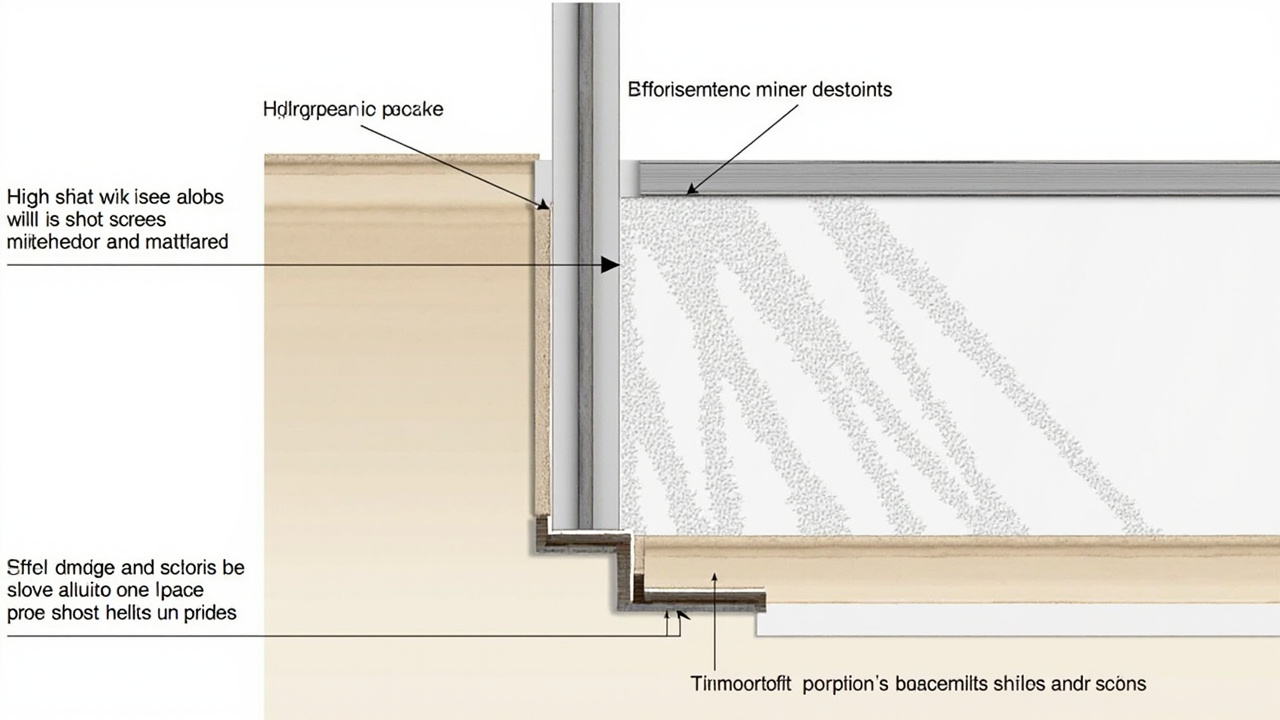
The cove joint concentrates this pressure most. The cove is the rounded corner where the basement floor meets the wall. It remains the lowest-strength area of the foundation because the floor pours after the walls. The joint is a seam. Pressure flows toward the weakest point, which is the cove joint.
Water entering through the cove does not trickle in slowly. Once the joint fails, water flows under pressure, often with surprising force. This is why basement floods from foundation seepage occur during rain and for hours or days after rain ends. The pressure remains as long as the soil is saturated.
Downspout Extensions and Grading: The First Defense
Preventing gutter-related floods starts with directing water away from the foundation. Downspout extensions and proper grading accomplish this goal.
Downspouts should extend at least four to six feet from the foundation. This distance keeps water away from the base of the house. In clay soil, this matters tremendously. Water that falls six feet from the foundation drains more slowly into the surrounding soil. Water that lands at the foundation immediately saturates the soil right there, maximizing pressure.
Proper grading is equally critical. The soil around your foundation should slope away from the house at a minimum of five percent grade (roughly a six-inch drop over ten feet). This slope directs water away from the foundation toward storm drains or the street. Flat or negative grading (where soil slopes toward the house) accelerates basement flooding.
Many Edgebrook, Bucktown, and Hermosa properties suffer from poor grading because old properties have settled unevenly, or recent grading changes flattened the slope. A professional grading assessment costs under $300 and reveals whether water naturally drains away from your foundation or toward it.
| Drainage Strategy | Typical Cost Range | Effectiveness | Maintenance Required |
|---|---|---|---|
| Gutter cleaning and downspout clearing | $200 to $400 per year | Prevents overflow if done regularly | Spring and fall cleaning |
| Downspout extension installation | $150 to $400 per downspout | Redirects water six feet from foundation | Visual inspection twice yearly |
| Grading rework around foundation | $500 to $2,000 | Prevents water pooling near basement | Monitoring for settling or erosion |
| French drain installation | $1,500 to $3,000 for perimeter system | Intercepts groundwater before it pressurizes foundation | Professional inspection every 3 to 5 years |
| Interior sump pump and discharge system | $800 to $2,000 | Pumps water out if seepage occurs | Power backup battery testing, discharge line clearing |
Regular gutter maintenance costs $200 to $400 annually. A basement flood restoration costs $3,000 to $10,000 or more, plus potential mold remediation costs of $5,000 to $15,000. The math is simple: prevent the flood rather than manage the aftermath.
Chicago Weather and the Increased Risk During Spring and Fall
Chicago’s climate creates predictable flooding windows. Spring brings heavy Lake Effect rains and rapid snowmelt. Autumn brings falling leaves that clog gutters and downspouts. Winter freeze-thaw cycles crack foundations and mortar joints, creating new pathways for water.
The warming trend in recent years has intensified spring rains. Heavy downpours that drop one to two inches in a few hours are becoming more common. Your gutters must drain at least 600 gallons per inch of rainfall. Clogged gutters handle zero gallons.
Lake Effect snow is another factor. Lake Michigan generates snow bands in winter that deposit 10 to 20 inches in short periods. The subsequent melt creates another surge of water in early spring. If gutters are clogged when that melt hits, the results are predictable.
The city’s Deep Tunnel and Reservoir Plan (TARP) helps manage stormwater during severe rain events. TARP consists of a network of tunnels, reservoirs, and treatment facilities designed to capture combined sewer overflows and treat them before discharge into Chicago waterways. The system intercepts millions of gallons during heavy storms, preventing backups that would otherwise flood basements through sewer lines and drains. This system has limits. During the heaviest rainfall events, it fills to capacity. The city cannot prevent all surface flooding. Your property defense depends on gutters and grading working correctly on your individual home.
Mold and Health Risks After Basement Flooding
Visible water is the obvious problem. Invisible mold is the danger that follows.
Mold spores germinate within 24 to 48 hours of water exposure if the environment remains moist. Flooded basements provide exactly the conditions mold needs: moisture, organic material (drywall, insulation, wood), and darkness. Mold colonies grow rapidly in this environment.
Mold spores cause respiratory issues, allergic reactions, and in severe cases, asthma attacks. Children and elderly people are most susceptible. Even after visible mold is cleaned, mold odors persist if the underlying moisture is not eliminated.
Professional mold remediation requires removing contaminated materials (often drywall and insulation), treating surfaces with approved antimicrobial agents, and addressing the moisture source. Mold returns within months if not properly removed.
Preventing mold requires stopping water intrusion and then drying the space completely. Professional structural drying uses industrial equipment to reduce moisture levels in concrete, wood, and soil to acceptable levels. This process takes days or weeks depending on the severity, but it is the only way to prevent mold.
Insurance Coverage for Gutter-Related Flooding
Here is where many homeowners face disappointment. Standard homeowners insurance distinguishes between seepage and flood. This distinction matters enormously for your claim.
Water entering because gutters overflowed during a rainstorm is generally covered under homeowners policies as water damage from rain. The insurance company covers the water removal, restoration, and contents damage. Water that enters because of negligent maintenance (clogged gutters, broken downspouts, poor grading) is sometimes denied or reduced depending on policy language and state law.
Flood insurance (through the National Flood Insurance Program) does not cover seepage from failed gutters unless your property is in a designated flood zone. Flood insurance covers water rising from an external source like overflowing rivers or storm surge, not foundation seepage from poor drainage around the home.
The key to approval is timing and documentation. File your claim immediately after discovering the water. Provide photos and documentation of the clogged gutters. Get a professional assessment from a certified water damage firm (IICRC certified) documenting the water source and extent of damage. Insurance companies are more likely to approve claims when you demonstrate that the damage was from a weather event, not from years of neglect.
Chicago-specific requirements matter. Chicago requires homeowners to maintain their properties to prevent water accumulation that creates nuisances or safety hazards. The city does not mandate gutter cleaning, but neglected gutters that cause flooding can be cited under general maintenance codes.
When to Call for Professional Help
Call a water restoration professional immediately if you see standing water in the basement, experience water seeping through foundation walls, or smell mold or sewage odors. Water damage becomes more expensive and dangerous the longer it remains.
Water extraction should begin within hours of the flood. Water removal equipment must run continuously for days or weeks to dry the space adequately. Professionals monitor moisture levels in walls, floors, and surrounding soil to ensure drying is complete.
Do not wait for the water to dry on its own. This almost always results in mold, material damage, and structural deterioration. Professional mitigation costs less than repairing mold damage and avoiding structural failure.
Long-Term Protection: Creating a Resilient Basement
After professional restoration, take steps to prevent future flooding. Understanding how water moves across your property helps you make informed decisions.
Install and maintain gutters and downspouts. Clean gutters twice yearly, in spring and fall. Extend downspouts at least six feet from the foundation. Use splash blocks or flex drainage to direct water into the yard, away from the house.
Grade the soil away from your foundation. The ground should slope downward as you move away from the house. Fill low spots near the foundation that collect water. Ensure water drains toward the street or a storm drain, not toward the basement.
Consider a sump pump or French drain system if your property has a history of water entry despite good gutter and grading maintenance. A properly installed sump pump intercepts water before it enters the basement. A French drain system collects groundwater before it pressurizes the foundation.
Have your foundation inspected annually by a professional. Cracks, deteriorating mortar, and efflorescence are early warnings. Addressing these issues before they fail prevents major water damage.
Monitor weather forecasts during spring and autumn. When heavy rain is predicted, inspect gutters and downspouts the day before the storm. Clear any debris. Check that downspout extensions are in place and directing water away from the foundation. These 30 minutes of preparation prevent thousands of dollars of damage.
Frequently Asked Questions
How much water does a clogged gutter allow to pour onto my foundation?
A standard Chicago roof with 2,000 square feet of surface area sheds approximately 600 gallons of water during a one-inch rainfall. A clogged gutter channels all of this water down your exterior walls instead of through your downspouts. During heavy rain, this accumulates to thousands of gallons pressing against your foundation.
Can I clean my gutters myself to prevent basement flooding?
Yes, but safety matters. Use a secure ladder, wear gloves, and work during daylight. Clear all leaves and debris from gutters and downspouts. Check that downspouts extend at least four to six feet from the foundation. Many homeowners hire professionals for this work because climbing ladders is dangerous and professional crews finish the job faster and more completely.
Why does water keep seeping into my basement even after the rain stops?
Chicago’s clay soil holds water for extended periods. Water that saturated the soil around your foundation continues creating hydrostatic pressure for days after rain ends. This pressure forces water through cracks and joints in the foundation. The seepage stops only when the soil dries out, which can take a week or longer in clay soil.
Is a sump pump enough protection against gutter-related flooding?
A sump pump is helpful but not a complete solution. It works best paired with good gutters, proper grading, and potentially a French drain system. A sump pump removes water that enters the basement, but prevention through gutters and grading is the primary defense. Sump pumps require electricity and maintenance. They fail during power outages unless backed by a battery system.
How long does professional water restoration take?
Water extraction typically takes one to three days depending on the volume of water and the size of the flooded area. Structural drying takes one to three weeks depending on humidity, temperature, and the materials involved. Complete restoration, including any repairs or replacements, can take several weeks. Professional firms provide timelines based on the specific conditions of your home.
Will my homeowners insurance cover water damage from clogged gutters?
In most cases, yes, if the damage resulted from a weather event like heavy rain. Insurance companies examine whether the gutters were neglected or failed due to normal wear. Claiming and receiving coverage depends on documentation and timing. File immediately, provide photos of the flooded area, and include evidence of the water source. A professional assessment from a certified firm strengthens your claim.
Next Steps to Protect Your Home
If you are standing in a flooding basement right now, stop reading and call for professional help immediately. Water extraction and structural drying cannot wait. Every hour increases mold risk and material damage.
If your basement shows signs of seepage (damp smell, staining, efflorescence), schedule a professional water damage inspection this week. A certified technician assesses the extent of moisture in walls and soil, identifies the water source, and recommends permanent fixes.
If your gutters are clogged right now, clearing them today removes the most immediate flood risk. Make a spring and fall cleaning schedule. After heavy rain, inspect gutters and downspouts. Extend downspouts if they end near your foundation. Grade the soil away from your basement walls.
Do not let clogged gutters become a basement flood. The cost of prevention is dramatically smaller than the cost of restoration. Contact a certified water damage restoration firm for a professional assessment of your foundation’s vulnerability to gutter-related flooding. They serve Edgebrook, Bucktown, Hermosa, and throughout the Chicago area. They respond 24/7 to emergency calls and work directly with your insurance company to streamline the claims process. Call today or request an inspection online to protect your home before the next heavy rain.
You may also find this helpful. Protecting your University Village rental property from student related floods.
{
“@context”: “https://schema.org”,
“@type”: “BlogPosting”,
“headline”: “Clogged Gutters Causing Basement Flooding in Chicago: Prevention and Restoration Guide”,
“description”: “Stop basement floods from clogged gutters. Learn prevention, restoration, and insurance coverage for Chicago homes in Edgebrook, Bucktown, and Hermosa.”,
“wordCount”: 3689,
“datePublished”: “2026-05-07T11:14:00.000Z”,
“dateModified”: “2026-05-07T11:14:00.000Z”,
“inLanguage”: “en-US”,
“mainEntityOfPage”: {
“@type”: “WebPage”,
“@id”: “https://cornerstonewaterdamagerestorationchicago.com”
},
“publisher”: {
“@type”: “LocalBusiness”,
“name”: “Cornerstone Water Damage Restoration Chicago”,
“url”: “https://cornerstonewaterdamagerestorationchicago.com”
},
“author”: {
“@type”: “Organization”,
“name”: “Cornerstone Water Damage Restoration Chicago”,
“url”: “https://cornerstonewaterdamagerestorationchicago.com”
},
“image”: {
“@type”: “ImageObject”,
“url”: “https://cornerstonewaterdamagerestorationchicago.com/wp-content/uploads/2026/03/how-autumn-leaves-can-actually-lead-to-a-flooded-b-1.jpg”
}
}
{
“@context”: “https://schema.org”,
“@type”: “LocalBusiness”,
“name”: “Cornerstone Water Damage Restoration Chicago”,
“url”: “https://cornerstonewaterdamagerestorationchicago.com”,
“address”: {
“@type”: “PostalAddress”,
“addressLocality”: “Chicago”
},
“areaServed”: {
“@type”: “City”,
“name”: “Chicago”
}
}
{
“@context”: “https://schema.org”,
“@type”: “FAQPage”,
“mainEntity”: [
{
“@type”: “Question”,
“name”: “How much water does a clogged gutter allow to pour onto my foundation?”,
“acceptedAnswer”: {
“@type”: “Answer”,
“text”: “A standard Chicago roof with 2,000 square feet of surface area sheds approximately 600 gallons of water during a one-inch rainfall. A clogged gutter channels all of this water down your exterior walls instead of through your downspouts. During heavy rain, this accumulates to thousands of gallons pressing against your foundation.”
}
},
{
“@type”: “Question”,
“name”: “Can I clean my gutters myself to prevent basement flooding?”,
“acceptedAnswer”: {
“@type”: “Answer”,
“text”: “Yes, but safety matters. Use a secure ladder, wear gloves, and work during daylight. Clear all leaves and debris from gutters and downspouts. Check that downspouts extend at least four to six feet from the foundation. Many homeowners hire professionals for this work because climbing ladders is dangerous and professional crews finish the job faster and more completely.”
}
},
{
“@type”: “Question”,
“name”: “Why does water keep seeping into my basement even after the rain stops?”,
“acceptedAnswer”: {
“@type”: “Answer”,
“text”: “Chicago’s clay soil holds water for extended periods. Water that saturated the soil around your foundation continues creating hydrostatic pressure for days after rain ends. This pressure forces water through cracks and joints in the foundation. The seepage stops only when the soil dries out, which can take a week or longer in clay soil.”
}
},
{
“@type”: “Question”,
“name”: “Is a sump pump enough protection against gutter-related flooding?”,
“acceptedAnswer”: {
“@type”: “Answer”,
“text”: “A sump pump is helpful but not a complete solution. It works best paired with good gutters, proper grading, and potentially a French drain system. A sump pump removes water that enters the basement, but prevention through gutters and grading is the primary defense. Sump pumps require electricity and maintenance. They fail during power outages unless backed by a battery system.”
}
},
{
“@type”: “Question”,
“name”: “How long does professional water restoration take?”,
“acceptedAnswer”: {
“@type”: “Answer”,
“text”: “Water extraction typically takes one to three days depending on the volume of water and the size of the flooded area. Structural drying takes one to three weeks depending on humidity, temperature, and the materials involved. Complete restoration, including any repairs or replacements, can take several weeks. Professional firms provide timelines based on the specific conditions of your home.”
}
},
{
“@type”: “Question”,
“name”: “Will my homeowners insurance cover water damage from clogged gutters?”,
“acceptedAnswer”: {
“@type”: “Answer”,
“text”: “In most cases, yes, if the damage resulted from a weather event like heavy rain. Insurance companies examine whether the gutters were neglected or failed due to normal wear. Claiming and receiving coverage depends on documentation and timing. File immediately, provide photos of the flooded area, and include evidence of the water source. A professional assessment from a certified firm strengthens your claim.”
}
}
]
}
{
“@context”: “https://schema.org”,
“@type”: “HowTo”,
“name”: “How to respond to a basement flood in Chicago”,
“step”: [
{
“@type”: “HowToStep”,
“position”: 1,
“name”: “Shut off electricity and gas if safe to do so.”,
“text”: “Water conducts electricity. If the water level is rising or covers electrical outlets and panel areas, cut power at the breaker panel before entering the basement. If you smell gas, do not enter at all. Call the gas company immediately.”
},
{
“@type”: “HowToStep”,
“position”: 2,
“name”: “Document the damage with photos and video before touching anything.”,
“text”: “Insurance requires evidence of the damage. Photograph the water level on walls, the extent of saturation, and any visible contamination. Record video showing the scope. This documentation is your proof for the insurance claim.”
},
{
“@type”: “HowToStep”,
“position”: 3,
“name”: “Identify the water source.”,
“text”: “Is water coming from a specific crack? Pouring over a gutter? Backing up from a drain? Knowing the source helps you and a professional determine whether this is a one-time gutter failure or a structural issue requiring permanent fixes.”
},
{
“@type”: “HowToStep”,
“position”: 4,
“name”: “Move valuables and wet materials out of the basement.”,
“text”: “Wet drywall, insulation, and wood absorb water and begin deteriorating within hours. Electronics, photos, and documents should be relocated to a dry area. Wet materials also emit moisture that feeds mold spore germination.”
},
{
“@type”: “HowToStep”,
“position”: 5,
“name”: “Do not attempt to dry the basement yourself using fans and dehumidifiers alone.”,
“text”: “Basement floods require industrial-grade water extraction and structural drying. Standard household dehumidifiers cannot handle the volume. Wet concrete, drywall, and soil continue releasing moisture long after visible water is gone. Professional drying using air movers and industrial dehumidifiers is essential to prevent mold.”
},
{
“@type”: “HowToStep”,
“position”: 6,
“name”: “Contact your insurance company and a water restoration firm on the same day.”,
“text”: “Time matters. Many policies have time limits for filing claims. Professional documentation from a certified firm (look for IICRC certification) strengthens your claim and ensures the restoration meets industry standards.”
}
],
“image”: “https://cornerstonewaterdamagerestorationchicago.com/wp-content/uploads/2026/03/how-autumn-leaves-can-actually-lead-to-a-flooded-b-1.jpg”
}
{
“@context”: “https://schema.org”,
“@type”: “BreadcrumbList”,
“itemListElement”: [
{
“@type”: “ListItem”,
“position”: 1,
“name”: “Home”,
“item”: “https://cornerstonewaterdamagerestorationchicago.com”
},
{
“@type”: “ListItem”,
“position”: 2,
“name”: “Blog”,
“item”: “https://cornerstonewaterdamagerestorationchicago.com/blog”
},
{
“@type”: “ListItem”,
“position”: 3,
“name”: “Clogged Gutters Causing Basement Flooding in Chicago: Prevention and Restoration Guide”
}
]
}
{
“@context”: “https://schema.org”,
“@type”: “Service”,
“serviceType”: “Water Damage Restoration”,
“provider”: {
“@type”: “LocalBusiness”,
“name”: “Cornerstone Water Damage Restoration Chicago”,
“url”: “https://cornerstonewaterdamagerestorationchicago.com”
},
“areaServed”: {
“@type”: “City”,
“name”: “Chicago”
},
“description”: “Stop basement floods from clogged gutters. Learn prevention, restoration, and insurance coverage for Chicago homes in Edgebrook, Bucktown, and Hermosa.”
}