
Water Softener Leak Cleanup in Mount Greenwood. Emergency Response and Brine Damage Restoration
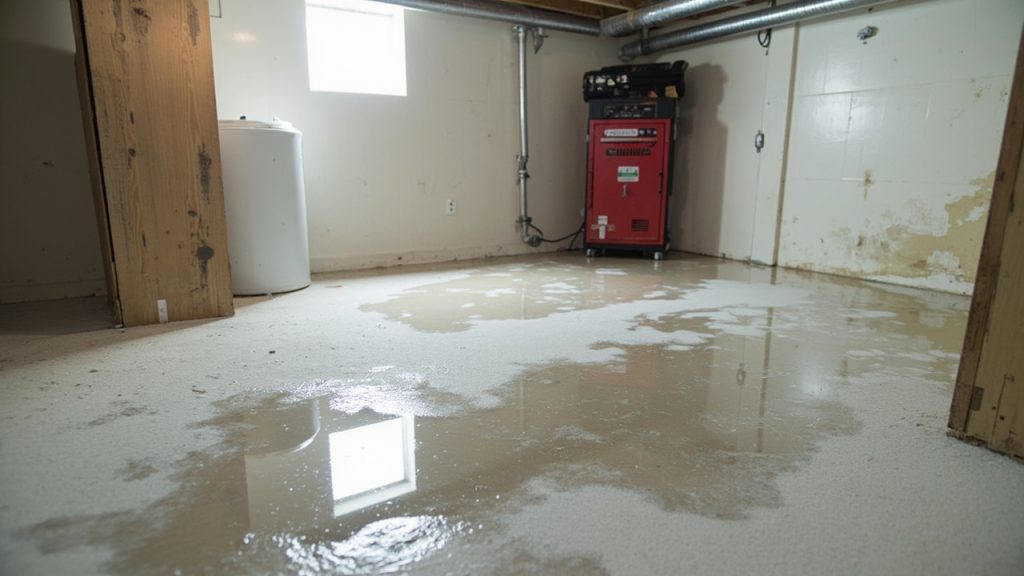
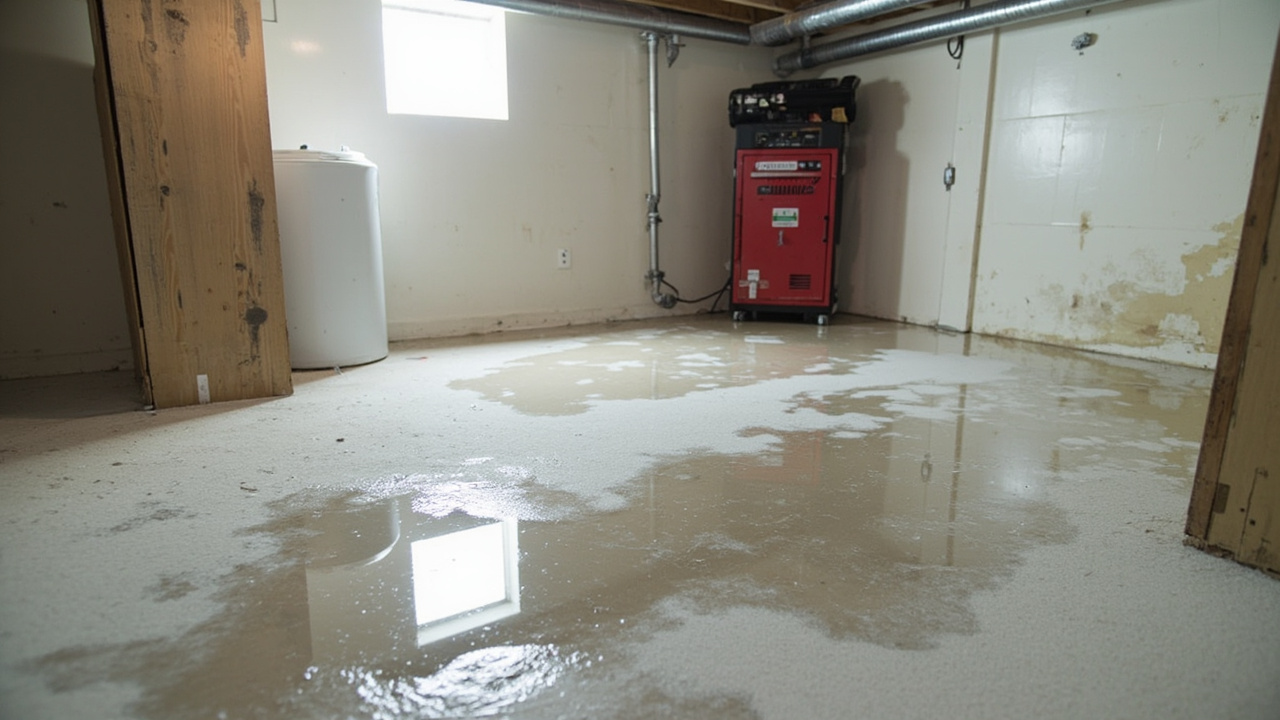
Your water softener just failed. Salt water is pooling across your basement floor in Mount Greenwood, and you need to know what to do right now. Unlike a standard pipe burst, a brine tank leak requires specific cleanup techniques because salt is corrosive and hygroscopic, meaning it attracts moisture even after the standing water is gone. This guide walks you through emergency mitigation, DIY cleanup limits, and when to call a Chicago water damage professional.
Why Brine Leaks Demand Different Treatment Than Freshwater Floods
Most Chicago homeowners think all water damage is the same. It isn’t. When your water softener’s brine tank or bypass valve fails, the water pooling on your basement floor contains dissolved sodium chloride at concentrations between 5 and 26 percent. This isn’t just dirty water. This is a corrosive agent targeting your concrete, wood subflooring, and metal fasteners.
Chicago basements typically rest on limestone or concrete slabs over clay-rich soil. Salt penetrates these materials and crystallizes as the moisture evaporates. Those salt crystals don’t dry away. They remain hygroscopic, pulling humidity from the air even weeks after the floor appears dry. This moisture attraction accelerates mold growth and wood rot in the subflooring and rim joists that hold up your entire home.
Freshwater from a burst pipe dries comparatively fast with standard dehumidification. Brine requires antimicrobial treatment and salt neutralization to prevent long-term structural failure.
Immediate Steps to Take in the First Hour
- Shut off the water supply to the softener
Locate the bypass valve on your water softener’s inlet. This three-port valve sits between the cold water line and the softener tank. Turn the handle to the “bypass” position. This stops fresh water from feeding the leak. If you cannot locate or operate the bypass valve, shut off the main water supply to your entire home at the meter or main shutoff valve.
- Turn off electrical power
Switch off the breaker controlling the softener’s resin tank pump. If the pump continues running, it will spray brine throughout the utility room and create an electrical hazard in pooled water.
- Photograph the damage
Take photos of the wet areas, standing water, and any visible damage to drywall, flooring, or adjoining materials. Documentation matters for insurance claims. Capture the date and time in your photos if your phone records this information automatically.
- Remove standing water with a wet vacuum
A standard shop vacuum rated for wet pickup will extract standing brine water. Do not use a household vacuum. Position the hose into affected areas and extract water into a floor drain or sump pit. For small leaks, 30 to 60 minutes of vacuuming removes most surface water.
- Open windows and doors
Ventilation is your first defense against mold. Open every basement window and any adjacent exterior doors. If the weather outside is warmer than your basement, this air exchange begins drying immediately. Chicago spring and summer humidity makes this step essential. Do not rely on ventilation alone for large leaks.
Cleaning Salt Residue From Concrete and Flooring
After you remove standing water, salt crystals remain embedded in concrete pores and wood fibers. Standard mopping with fresh water will not dissolve these crystals. You need targeted chemical treatment.
For concrete basement floors and walls, mix a solution of white vinegar and water at a 1:1 ratio. Vinegar’s acidity dissolves salt crystals without damaging concrete. Spray or mop affected surfaces thoroughly. The vinegar will fizz slightly as it reacts with salt residue. Allow the mixture to sit for 15 to 20 minutes, then mop with clean water multiple times until no white salt film remains on the surface.
For hardwood or laminate flooring, brine damage is more severe. Salt penetrates the finish and swells wood fibers. If water penetrated seams or reached subfloor areas, professional restoration is necessary. DIY mopping often drives moisture deeper into wood, accelerating rot. Laminate flooring affected by brine should be removed and replaced by a professional to prevent subfloor failure.
For drywall, if brine water reached wall bases, the drywall must be professionally removed and replaced. Salt-saturated drywall continues to release moisture and supports mold growth. Partial removal and targeted drying with industrial equipment is the only effective remediation.
Mold Prevention in Chicago’s Humid Basement Environment
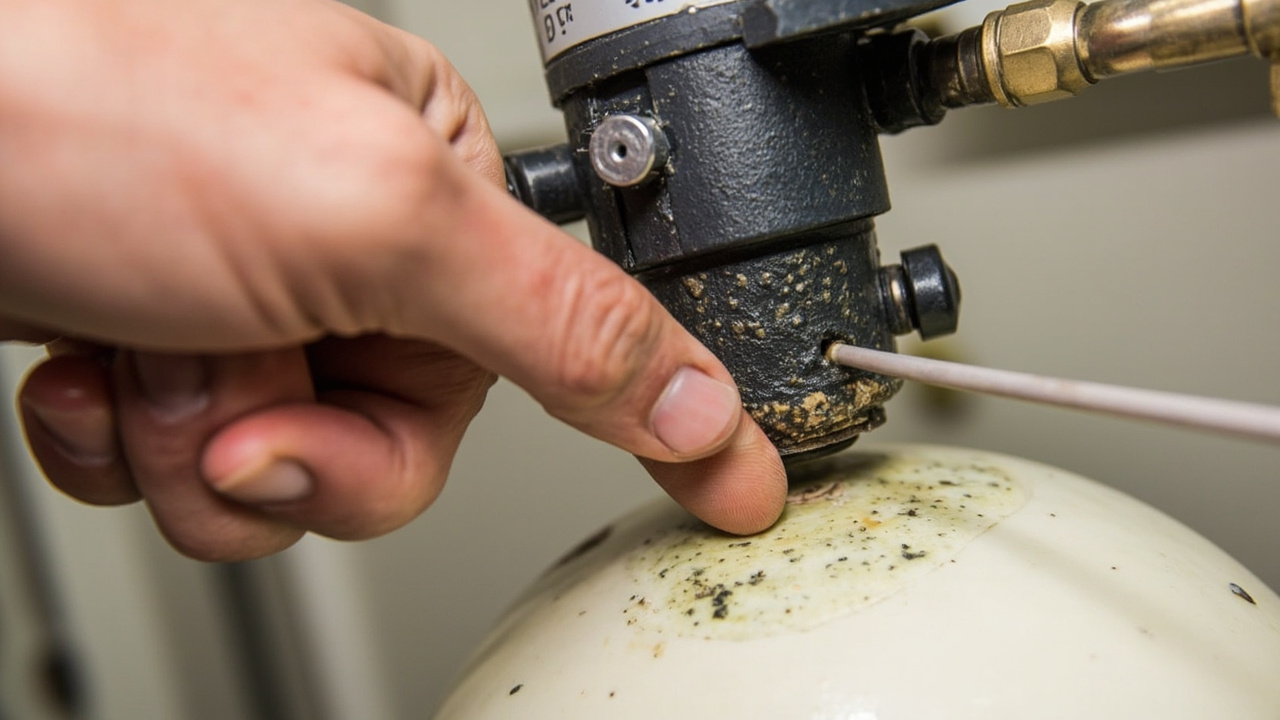
Chicago summers bring high humidity and Lake Michigan’s moisture influence. Mount Greenwood basement environments reach 60 to 80 percent relative humidity naturally, even without water damage. A water softener leak creates conditions where mold colonies double every 24 to 48 hours if not aggressively addressed.
After removing standing water and salt residue, deploy industrial dehumidifiers immediately. A standard home dehumidifier removes 30 to 40 pints of water daily. A basement with brine saturation requires commercial-grade dehumidification removing 100 to 150 pints daily. Running dehumidifiers for 7 to 14 days is standard protocol for brine leaks.
Place moisture meters on concrete, wood studs, and subflooring to track drying progress. Professional restoration crews use thermal imaging to identify wet spots hidden inside walls. When wood moisture content drops below 16 percent and concrete below 80 percent relative humidity measured via calcium chloride testing, the space is considered dry.
Do not skip antimicrobial treatment. Apply a IICRC-approved antimicrobial solution to all surfaces that contacted brine water. This prevents mold spore germination even if humidity spikes. Bleach or vinegar solutions are insufficient. Professional-grade antimicrobials contain quaternary ammonium compounds or hydrogen peroxide formulations that persist on treated surfaces.
When DIY Cleanup Stops and Professional Restoration Begins
Small leaks caught immediately can be managed with the steps above. Large leaks or leaks discovered days after the fact require professional intervention. Evaluate your situation against these indicators.
| Leak Severity | Water Volume Estimate | Affected Areas | DIY or Professional |
|---|---|---|---|
| Small | Less than 10 gallons | Concrete floor only within 5 feet of softener | DIY with vinegar treatment and dehumidifier rental |
| Medium | 10 to 50 gallons | Concrete and lower drywall, affects utility area and adjacent spaces | Professional water extraction plus DIY dehumidification or split approach |
| Large | More than 50 gallons | Multiple rooms, impacts subflooring, reaches electrical systems or HVAC | Full professional restoration including extraction, drying, antimicrobial treatment |
| Extended neglect | Any volume discovered after 48 hours | Mold visible or odor present, structural wood involvement | Professional structural assessment and specialized mold remediation required |
Red flags that demand immediate professional assistance include electrical panel proximity, sump pump failure during the leak, visible mold growth, or standing water reaching HVAC equipment. Chicago’s aging combined sewer systems mean basement flooding can involve sewage contamination, which requires hazardous material protocols.
Mount Greenwood properties often feature older limestone foundations and historic bungalow construction. These buildings are sensitive to salt damage because limestone is porous and reactive to chloride. A small brine leak in a 1920s bungalow can compromise foundation integrity if not professionally mitigated.
Professional Water Softener Leak Restoration Process
When you call a Chicago water damage restoration company, the response follows a structured protocol aligned with IICRC S500 standards for water damage mitigation.
Water extraction happens first. Professionals use truck-mounted or portable extraction equipment that removes standing water in hours rather than days. Industrial wet vacuums pull water from concrete, drywall cavities, and subflooring. For large leaks, this step prevents secondary damage and reduces overall drying time by 50 to 70 percent.
Moisture mapping follows extraction. Technicians place moisture meters on all materials that contacted brine water. Thermal imaging cameras identify wet pockets hidden inside walls or under flooring. This baseline measurement determines where dehumidifiers and air movers need deployment.
Industrial dehumidification and air movement run continuously for 7 to 21 days depending on leak size and material saturation. Commercial dehumidifiers reduce moisture while high-velocity air movers increase evaporation rates. Professional technicians monitor humidity levels daily and adjust equipment as the space dries.
Salt neutralization uses industrial-grade solutions applied to all affected surfaces. These antimicrobials contain sodium hypochlorite or hydrogen peroxide compounds that kill mold spores and prevent microbial colonization. Application requires proper safety equipment and ventilation.
Structural assessment evaluates wood framing, subflooring, and foundation integrity. If salt penetration has caused corrosion or wood rot, the affected sections are removed and replaced. This prevents long-term collapse risk in your home’s structural system.
Understanding Insurance Coverage for Water Softener Failures
Your homeowner’s insurance policy likely covers water softener leaks only under specific circumstances. Most standard policies cover “sudden and accidental discharge” of water from the appliance. This means if the brine tank cracks or the bypass valve fails unexpectedly, coverage applies.
Insurance denies claims for water damage resulting from lack of maintenance. If your softener was leaking slowly for weeks and you ignored it, the insurer may classify this as preventable and deny the claim. Regular inspection and maintenance of your water softener are essential for claim eligibility.
Flood insurance does not cover water softener leaks. Flood policies cover damage from external water sources like overflowing rivers or storm surge. Internal appliance failures fall under homeowner’s insurance or your separate water backup endorsement.
Document the failure thoroughly. Photograph the leak, the failed component, and all damage. Request a written statement from the softener repair technician explaining what caused the failure. Include this documentation with your insurance claim. Professional water damage restoration companies handle claim communication directly with your insurer, reducing your administrative burden during an emergency.
File your claim immediately. Insurance companies impose time limits on claim submission. Waiting weeks or months may result in claim denial. Most policies require notification within 30 days of discovering the damage.
| Insurance Scenario | Coverage Status | Typical Deductible Impact |
|---|---|---|
| Sudden brine tank crack | Covered under homeowner’s policy | Standard deductible applies, usually 500 to 1000 dollars |
| Slow leak from negligent maintenance | Typically denied | No coverage, you pay restoration costs |
| Bypass valve malfunction during operation | Covered if sudden and unexpected | Standard deductible applies |
| Water backup from overwhelmed sump pump during softener leak | Covered only if water backup endorsement included | Water backup endorsement deductible, usually 500 to 2500 dollars |
| Mold growth resulting from untreated leak | Typically excluded unless you have mold coverage rider | Mold coverage has separate limits, often 10000 dollars maximum |
Work with your insurance adjuster and a professional restoration company in parallel. The adjuster documents what happened. The restoration company performs the actual mitigation and cleanup. Both parties communicate to ensure your claim is supported by professional findings.
Chicago’s Hard Water Problem and Water Softener Lifespan
Chicago’s water supply contains between 200 and 300 parts per million of dissolved minerals, primarily calcium and magnesium. This hard water accelerates water softener resin degradation. Over time, the resin beads in your softener’s tank crack and shed fine particles into your home’s plumbing. Meanwhile, the brine tank corrodes from repeated salt water exposure.
Most water softeners last 10 to 15 years in Chicago’s water conditions. After 12 years, brine tank failure and bypass valve leaks become increasingly common. If your softener is older than 12 years and you discover a leak, consider full replacement rather than repair. A new unit eliminates future leak risk and improves salt efficiency.
Mount Greenwood and surrounding areas like Beverly and Washington Heights rely on deep well water from the Chicago aquifer system. This water is harder than surface water drawn from Lake Michigan. If you live south of the Chicago River, your softener works harder than systems serving Lake Shore Drive or Lincoln Park neighborhoods.
Preventative maintenance extends softener lifespan. Annual inspection of the brine tank’s exterior for corrosion, the bypass valve for mineral buildup, and the resin tank for visible damage catches problems before leaks occur. Replace brine tank tanks every 5 to 10 years as preventative maintenance, not repair.
Sump Pump and Drainage Coordination During Softener Leaks
If your basement has a sump pump, this system may already be removing groundwater from your clay-rich Chicago soil. During a water softener leak, coordinate your cleanup with sump pump operation.
Do not direct brine water into your sump pit unless the pump is equipped with a filter or baffle system. Raw brine can clog the pump’s discharge line and cause it to fail. Instead, use floor drains or direct manual extraction to the sanitary sewer system if city code permits.
After the leak is stopped, run your sump pump to verify it still functions. Chicago’s freeze thaw cycles and high water table mean your pump is critical infrastructure. A failed sump pump during spring snowmelt can cause far greater damage than your water softener leak.
Frequently Asked Questions
How long does it take to dry a basement after a water softener leak?
Small leaks on concrete only dry in 3 to 7 days with active dehumidification. Medium leaks affecting drywall and subflooring require 10 to 14 days. Large leaks with structural wood involvement may require 21 to 30 days. Professional moisture testing determines when the space is truly dry rather than relying on visual inspection.
Can I use a household dehumidifier instead of renting a commercial unit?
Household dehumidifiers remove 30 to 40 pints of water daily and empty frequently in humid conditions. A brine-soaked basement produces 50 to 100 pints of moisture daily. You would need 3 to 5 household units running continuously, which costs more in electricity than professional dehumidifier rental and dries much slower.
Will salt damage my hardwood flooring permanently?
Yes. Salt penetrates wood finish and causes permanent swelling and discoloration. Once brine contacts hardwood, the wood must be sanded and refinished or replaced entirely. Attempting to dry water-damaged hardwood without removing it allows mold to colonize the wood fibers beneath the finish.
Does my homeowner’s insurance cover water softener leak cleanup?
Coverage depends on the cause of the leak. Sudden, unexpected failures are typically covered. Leaks resulting from poor maintenance or deferred repairs are usually denied. Review your policy’s language around “sudden and accidental discharge” or contact your insurance agent for clarification specific to your coverage.
What should I do if mold appears after my water softener leak?
Stop DIY remediation immediately. Disturbing mold releases spores into the air, spreading contamination. Contact a professional mold remediation company. Visible mold after water damage requires professional assessment and containment protocols to protect your family’s health and prevent structural damage.
Can I replace my water softener with a tankless system to prevent future leaks?
Tankless water softeners, also called point-of-use systems, eliminate the risk of brine tank leaks because they store no standing brine. Installation requires professional plumbing, but these systems reduce maintenance burden and leak risk. Discuss the trade-offs between upfront cost and long-term leak prevention with a plumber familiar with Chicago’s hard water challenges.
What to Do Right Now
If your water softener is currently leaking, take these three actions immediately. First, operate the bypass valve to stop fresh water from feeding the leak. If you cannot locate the bypass valve, shut off your main water supply. Second, remove standing water with a shop vacuum and open windows for ventilation. Third, take photographs documenting the wet areas and any visible damage for your insurance claim.
For small leaks affecting only concrete floors, proceed with vinegar-based salt neutralization and dehumidifier rental. Monitor the space daily using a moisture meter.
For leaks affecting drywall, subflooring, or other materials beyond concrete, or if mold appears within 48 hours, contact Cornerstone Water Damage Restoration for professional assessment and insurance coordination. Our crew responds 24 hours daily throughout Mount Greenwood and greater Chicago. Call us immediately if you discover your water softener has failed or if you suspect brine saturation in your basement.
Do not wait. Brine damage accelerates mold growth and structural deterioration. The faster you respond, the less your final restoration costs and the better your long-term property protection.
{
“@context”: “https://schema.org”,
“@type”: “BlogPosting”,
“headline”: “Water Softener Leak Cleanup in Mount Greenwood: Emergency Response and Brine Damage Restoration”,
“description”: “Mount Greenwood water softener leak? Learn brine cleanup, salt damage prevention, and when to call a Chicago restoration expert. 24/7 emergency help.”,
“wordCount”: 2595,
“datePublished”: “2026-05-08T08:44:00.000Z”,
“dateModified”: “2026-05-08T08:44:00.000Z”,
“inLanguage”: “en-US”,
“mainEntityOfPage”: {
“@type”: “WebPage”,
“@id”: “https://cornerstonewaterdamagerestorationchicago.com”
},
“publisher”: {
“@type”: “LocalBusiness”,
“name”: “Cornerstone Water Damage Restoration Chicago”,
“url”: “https://cornerstonewaterdamagerestorationchicago.com”
},
“author”: {
“@type”: “Organization”,
“name”: “Cornerstone Water Damage Restoration Chicago”,
“url”: “https://cornerstonewaterdamagerestorationchicago.com”
},
“image”: {
“@type”: “ImageObject”,
“url”: “https://cornerstonewaterdamagerestorationchicago.com/wp-content/uploads/2026/03/when-your-water-softener-fails-and-floods-the-util-1.jpg”
}
}
{
“@context”: “https://schema.org”,
“@type”: “LocalBusiness”,
“name”: “Cornerstone Water Damage Restoration Chicago”,
“url”: “https://cornerstonewaterdamagerestorationchicago.com”,
“address”: {
“@type”: “PostalAddress”,
“addressLocality”: “Chicago”
},
“areaServed”: {
“@type”: “City”,
“name”: “Chicago”
}
}
{
“@context”: “https://schema.org”,
“@type”: “FAQPage”,
“mainEntity”: [
{
“@type”: “Question”,
“name”: “How long does it take to dry a basement after a water softener leak?”,
“acceptedAnswer”: {
“@type”: “Answer”,
“text”: “Small leaks on concrete only dry in 3 to 7 days with active dehumidification. Medium leaks affecting drywall and subflooring require 10 to 14 days. Large leaks with structural wood involvement may require 21 to 30 days. Professional moisture testing determines when the space is truly dry rather than relying on visual inspection.”
}
},
{
“@type”: “Question”,
“name”: “Can I use a household dehumidifier instead of renting a commercial unit?”,
“acceptedAnswer”: {
“@type”: “Answer”,
“text”: “Household dehumidifiers remove 30 to 40 pints of water daily and empty frequently in humid conditions. A brine-soaked basement produces 50 to 100 pints of moisture daily. You would need 3 to 5 household units running continuously, which costs more in electricity than professional dehumidifier rental and dries much slower.”
}
},
{
“@type”: “Question”,
“name”: “Will salt damage my hardwood flooring permanently?”,
“acceptedAnswer”: {
“@type”: “Answer”,
“text”: “Yes. Salt penetrates wood finish and causes permanent swelling and discoloration. Once brine contacts hardwood, the wood must be sanded and refinished or replaced entirely. Attempting to dry water-damaged hardwood without removing it allows mold to colonize the wood fibers beneath the finish.”
}
},
{
“@type”: “Question”,
“name”: “Does my homeowner’s insurance cover water softener leak cleanup?”,
“acceptedAnswer”: {
“@type”: “Answer”,
“text”: “Coverage depends on the cause of the leak. Sudden, unexpected failures are typically covered. Leaks resulting from poor maintenance or deferred repairs are usually denied. Review your policy’s language around \”sudden and accidental discharge\” or contact your insurance agent for clarification specific to your coverage.”
}
},
{
“@type”: “Question”,
“name”: “What should I do if mold appears after my water softener leak?”,
“acceptedAnswer”: {
“@type”: “Answer”,
“text”: “Stop DIY remediation immediately. Disturbing mold releases spores into the air, spreading contamination. Contact a professional mold remediation company. Visible mold after water damage requires professional assessment and containment protocols to protect your family’s health and prevent structural damage.”
}
},
{
“@type”: “Question”,
“name”: “Can I replace my water softener with a tankless system to prevent future leaks?”,
“acceptedAnswer”: {
“@type”: “Answer”,
“text”: “Tankless water softeners, also called point-of-use systems, eliminate the risk of brine tank leaks because they store no standing brine. Installation requires professional plumbing, but these systems reduce maintenance burden and leak risk. Discuss the trade-offs between upfront cost and long-term leak prevention with a plumber familiar with Chicago’s hard water challenges.”
}
}
]
}
{
“@context”: “https://schema.org”,
“@type”: “HowTo”,
“name”: “How to respond to a water softener leak”,
“step”: [
{
“@type”: “HowToStep”,
“position”: 1,
“name”: “Shut off the water supply to the softener”,
“text”: “Locate the bypass valve on your water softener’s inlet. This three-port valve sits between the cold water line and the softener tank. Turn the handle to the \”bypass\” position. This stops fresh water from feeding the leak. If you cannot locate or operate the bypass valve, shut off the main water supply to your entire home at the meter or main shutoff valve.”
},
{
“@type”: “HowToStep”,
“position”: 2,
“name”: “Turn off electrical power”,
“text”: “Switch off the breaker controlling the softener’s resin tank pump. If the pump continues running, it will spray brine throughout the utility room and create an electrical hazard in pooled water.”
},
{
“@type”: “HowToStep”,
“position”: 3,
“name”: “Photograph the damage”,
“text”: “Take photos of the wet areas, standing water, and any visible damage to drywall, flooring, or adjoining materials. Documentation matters for insurance claims. Capture the date and time in your photos if your phone records this information automatically.”
},
{
“@type”: “HowToStep”,
“position”: 4,
“name”: “Remove standing water with a wet vacuum”,
“text”: “A standard shop vacuum rated for wet pickup will extract standing brine water. Do not use a household vacuum. Position the hose into affected areas and extract water into a floor drain or sump pit. For small leaks, 30 to 60 minutes of vacuuming removes most surface water.”
},
{
“@type”: “HowToStep”,
“position”: 5,
“name”: “Open windows and doors”,
“text”: “Ventilation is your first defense against mold. Open every basement window and any adjacent exterior doors. If the weather outside is warmer than your basement, this air exchange begins drying immediately. Chicago spring and summer humidity makes this step essential. Do not rely on ventilation alone for large leaks.”
}
],
“image”: “https://cornerstonewaterdamagerestorationchicago.com/wp-content/uploads/2026/03/when-your-water-softener-fails-and-floods-the-util-1.jpg”
}
{
“@context”: “https://schema.org”,
“@type”: “BreadcrumbList”,
“itemListElement”: [
{
“@type”: “ListItem”,
“position”: 1,
“name”: “Home”,
“item”: “https://cornerstonewaterdamagerestorationchicago.com”
},
{
“@type”: “ListItem”,
“position”: 2,
“name”: “Blog”,
“item”: “https://cornerstonewaterdamagerestorationchicago.com/blog”
},
{
“@type”: “ListItem”,
“position”: 3,
“name”: “Water Softener Leak Cleanup in Mount Greenwood: Emergency Response and Brine Damage Restoration”
}
]
}
{
“@context”: “https://schema.org”,
“@type”: “Service”,
“serviceType”: “Water Damage Restoration”,
“provider”: {
“@type”: “LocalBusiness”,
“name”: “Cornerstone Water Damage Restoration Chicago”,
“url”: “https://cornerstonewaterdamagerestorationchicago.com”
},
“areaServed”: {
“@type”: “City”,
“name”: “Chicago”
},
“description”: “Mount Greenwood water softener leak? Learn brine cleanup, salt damage prevention, and when to call a Chicago restoration expert. 24/7 emergency help.”
}