
Protecting Your Chicago Airbnb from Water Damage While You Are Away
Your Airbnb generates income every night guests stay in your Chicago property. One burst pipe, one malfunctioning sump pump, or one guest-caused leak can wipe out weeks of bookings and cost tens of thousands in repairs. As a short-term rental host, you face a challenge that traditional landlords do not. You are not there most nights. Your property sits vacant between guests. When something goes wrong, you might not know for hours or days.
Chicago winters make this problem worse. Polar Vortex events freeze pipes in seconds. Spring rains overwhelm aging sump pumps. Summer humidity accelerates mold growth behind walls. You need more than homeowner insurance and hope. You need a system that watches your property while you sleep, alerts you to problems before they become disasters, and gives you the tools to act fast when something goes wrong.
This guide walks you through the specific challenges Chicago STR hosts face and the exact technologies and maintenance schedules that protect your investment.
Why Chicago Short-Term Rentals Face Unique Water Risks
Chicago’s climate and aging infrastructure create perfect conditions for water damage. You are not just dealing with a generic rental market. You are managing a property in a city where environmental factors and building codes directly impact your liability and repair costs.. Read more about Fixing interior water damage from failing rooftop deck drains in West Town.
Polar Vortex events arrive suddenly. Temperatures drop from 35 degrees Fahrenheit to minus 20 degrees Fahrenheit in hours. Uninsulated pipes in exterior walls, crawl spaces, or above-ceiling areas freeze and burst. Guests often turn off heat to save money, accelerating the problem. One burst pipe floods drywall, flooring, and furnishings within minutes.
Chicago’s geologic composition creates additional pressure on your foundation. Chicago Blue Clay, the dominant subsurface layer, exerts significant hydrostatic pressure against foundation walls year-round. This clay layer bears heavy loads and retains moisture exceptionally well. Properties built on this foundation experience moisture infiltration even during normal rainfall. Heavy spring rains in April, which average 3.7 inches in Chicago, combine with the high water table near Lake Michigan to flood basements and crawl spaces. The water table elevation in many Chicago neighborhoods sits within 10 to 15 feet of the surface, depending on proximity to Lake Michigan and topography.
West Side properties in Logan Square and Bucktown face aging combined sewer systems. Heavy spring rains overwhelm the infrastructure. Sewage backs up into basements and lower-level units. Sump pumps fail due to power outages or simple wear. By the time you check your messages, raw sewage has saturated hardwood floors and drywall.
East Side properties in Lakeview and Uptown sit closest to Lake Michigan and experience the most pronounced water table elevation issues. Groundwater pushes through foundation cracks and wall joints. High humidity in summer months accelerates mold colonization on basement walls and furnishings.
Your property type matters too. Classic Chicago bungalows, two-flats, and three-flats have unfinished basements with exposed plumbing runs. Modern high-rise condos have internal plumbing stacks shared with neighbors. Water from an upper unit leaks through your ceiling. Neither scenario is your fault, but both destroy your bookings.
Install Smart Water Shut-Off Valves and Remote Sensors
Manual monitoring from 50 miles away does not work. You need technology that responds faster than you can.
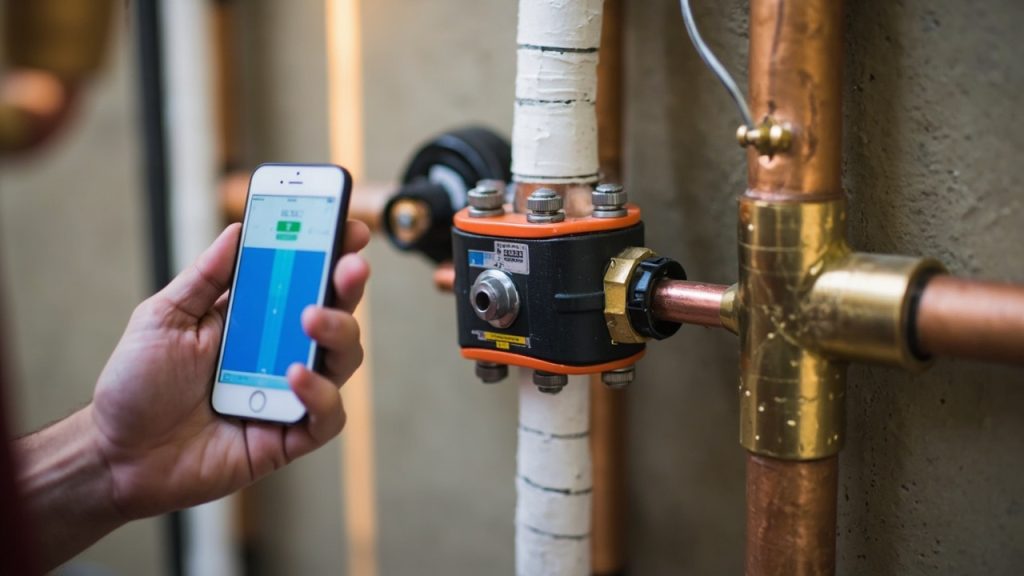
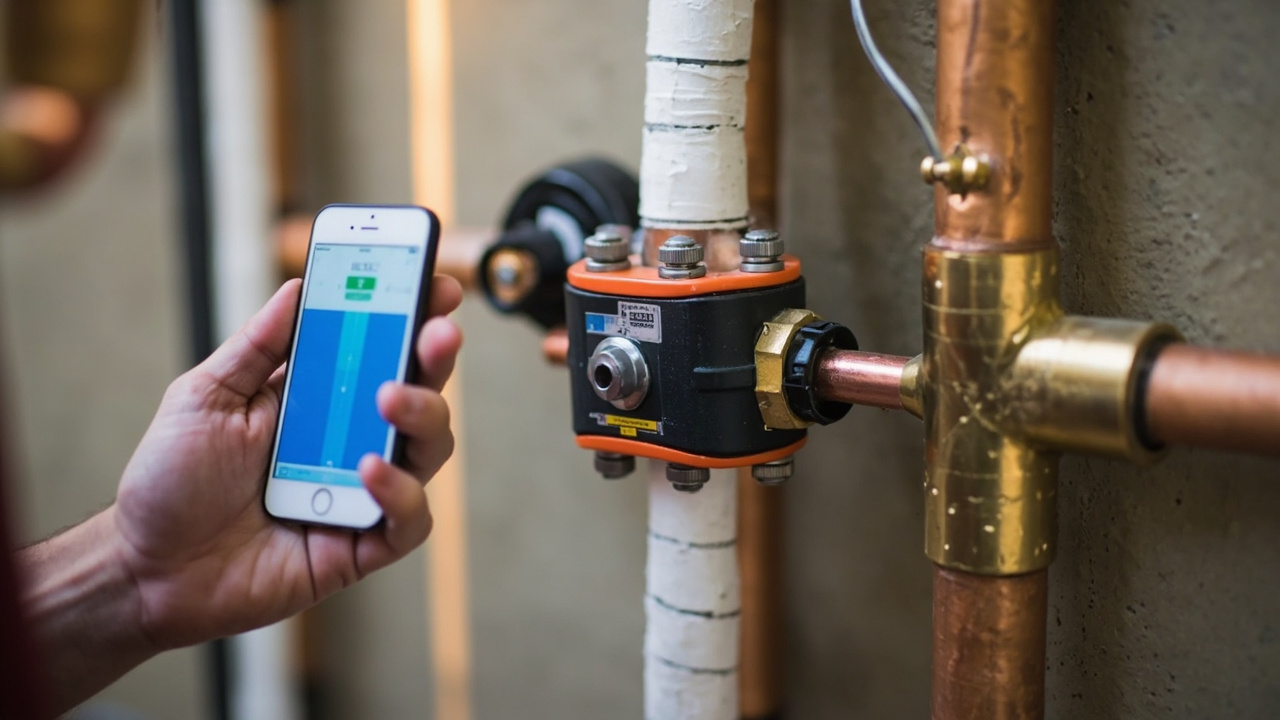
Smart water shut-off systems like the Moen Flo and Phyn attach to your water meter or main shut-off valve. Sensors detect unusual flow rates, water temperature drops indicating frozen pipes, or sudden pressure changes from burst pipes. When a problem occurs, the system alerts your phone and can shut off water automatically before significant damage spreads.
Moen Flo monitors water usage and learns your normal patterns. If a toilet runs for six hours straight or if cold water flows from your hot water line, the app sends an alert. You get real-time data showing exactly how many gallons per minute your property is consuming. Phyn operates similarly but offers more detailed analysis of water quality and pressure trends.
The cost of a smart shut-off system pays for itself within one week of lost Airbnb bookings. Installation takes one hour and requires no plumbing modifications in most cases.
Pair your water shut-off with additional sensors in high-risk zones. Place moisture sensors under sinks, near the water heater, in the basement, and around the toilet base. These sensors trigger alerts at the first sign of moisture, not after visible pooling occurs. Wireless humidity sensors in the basement track moisture levels and help you prevent mold growth before it becomes a health hazard or structural threat.
Sump Pump Battery Backup Systems Save Garden-Level Properties
Every basement or garden-level unit in Chicago needs a sump pump. Most have one. Few have battery backup.
Sump pumps fail when you need them most. During heavy spring rains, thunderstorms, or snowmelt, the power grid strains. Outages hit your neighborhood. Your electric sump pump stops working. Water pools in the sump pit and rises into your finished basement. Guests wake to water creeping across hardwood floors.
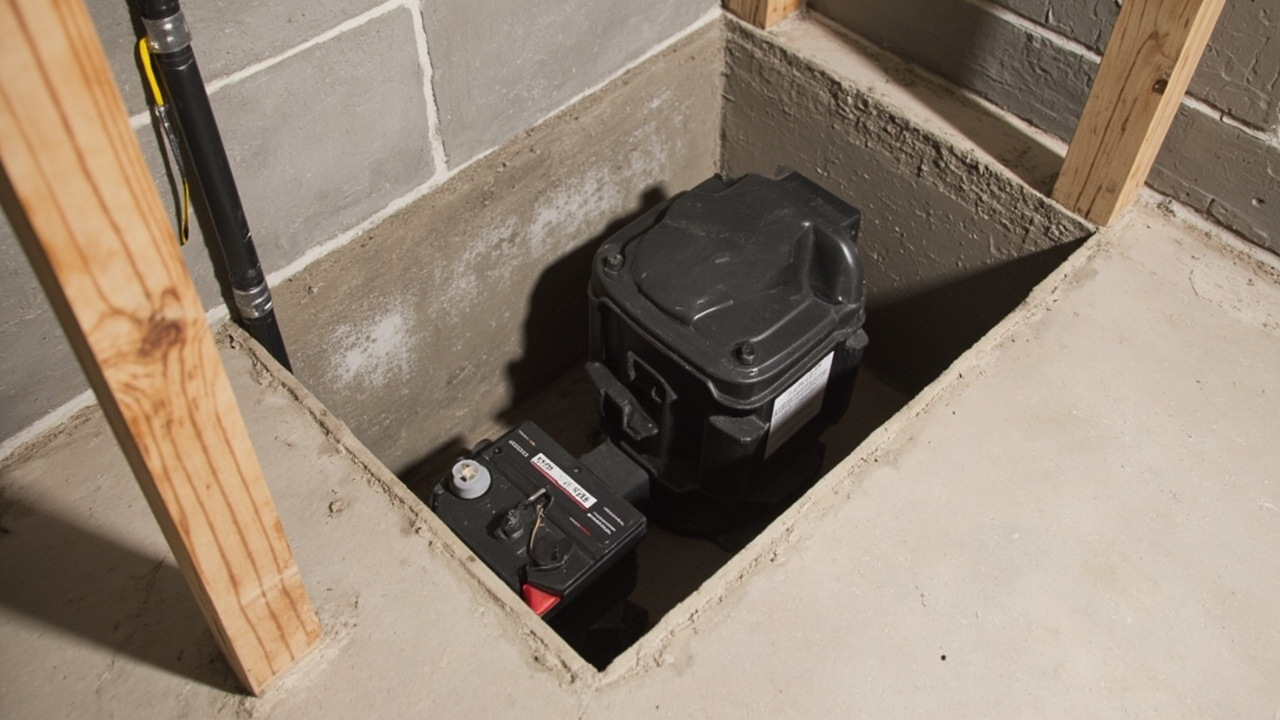
A battery backup system sits next to your existing sump pump. When the electric pump fails or keeps up, the backup activates automatically. Most systems use a sealed marine battery and discharge water to the same drain line as your primary pump. A quality system pumps thousands of gallons before battery depletion.
Installation costs far less than repairing water-damaged engineered hardwood or replacing drywall and insulation. Battery backup units require annual battery testing and occasional replacement, but the cost is predictable and manageable.
If your property lacks a sump pump entirely, install one immediately. Chicago Building Code requires adequate sub-soil drainage and flood protection. A professional can evaluate your specific property and design a system that handles Chicago’s typical spring rainfall rates.
Chicago Winterization Schedule to Prevent Frozen Pipes
Frozen pipes cause approximately 40 percent of water damage claims in Illinois during winter months. Prevention requires discipline and specific timing.
Begin winterization in September. This timeline gives you time to identify and address existing problems before Polar Vortex events arrive in December and January.
| Month | Task | Why It Matters |
|---|---|---|
| September | Inspect all exterior pipes, hose bibs, and meter boxes for cracks or deterioration. Test each outdoor faucet to confirm water drains completely. | Damaged pipes fail first when temperatures drop. Outdoor water left inside hose lines freezes and expands causing ruptures. |
| October | Install foam pipe insulation on all exposed pipes in unheated spaces. Crawl spaces, attics, and basements all qualify. Seal gaps around pipes entering the home. | Even brief temperature dips freeze uninsulated pipes. Foam adds R-value and reduces risk by 80 percent, protecting against sudden cold snaps. |
| November | Disconnect garden hoses. Shut off exterior water valves if your home has interior shut-off points. Drain hose bibs completely. Test your interior water shut-off valve to confirm it operates smoothly. | Water trapped in hoses or exterior lines expands and ruptures pipes. A non-functional shut-off valve defeats your emergency response plan. |
| December through February | Check thermostat settings weekly. Ensure basements, crawl spaces, and guest-facing areas maintain minimum 55 degrees Fahrenheit. Monitor weather forecasts for Polar Vortex warnings. | Pipes in unheated areas freeze below 32 degrees. Guests may turn off heat. Advance warning lets you act before temperatures plummet. |
| March | Reconnect outdoor faucets. Test all water-using appliances. Confirm sump pump operates and battery backup functions correctly. | Spring melt and heavy rains test your entire drainage system. A broken sump pump discovered in April is too late for prevention. |
Chicago Building Code requires your property to maintain adequate heat in all areas where pipes exist. Failure to do so violates habitability standards and voids certain insurance coverage. Document your winterization efforts. Take photos of foam insulation, closed valve positions, and thermostat settings. This documentation protects you in insurance disputes.
Educate Guests About Chicago Plumbing Realities
Guest behavior causes 35 percent of water damage claims in short-term rentals. Guests do not understand Chicago’s plumbing vulnerabilities. They treat your vintage pipes like new construction.
Include plumbing care instructions in your welcome packet and house rules. Explain which fixtures are sensitive. Tell guests not to flush anything except toilet paper. Warn them that Chicago’s water hardness causes buildup in shower heads and faucet screens. Show them where the water shut-off valve is located.
Address the heating system directly. Explain that turning off heat damages pipes and voids your heating system warranty. Set the thermostat to 65 degrees minimum in winter. Install a lock or thermostat cover if guests consistently ignore this rule.
Provide clear instructions for reporting leaks, running water, or moisture. Give them your phone number and a backup contact. Respond to leak reports within 30 minutes, even at midnight. A quick response prevents hours of additional damage.
Create a simple one-page water emergency guide. List the water shut-off location with a photo. Explain how to stop a running toilet or overflowing sink. Provide your emergency contact. Laminate it and post it in the kitchen and master bathroom.
Seasonal Maintenance Strategies for West Side and East Side Properties
West Side properties in Logan Square and Bucktown face aging sewer infrastructure and combined stormwater systems that back up regularly during heavy rains. East Side properties in Lakeview and Uptown deal with proximity to high water tables, Lake Michigan influence, and hydrostatic pressure from Chicago Blue Clay formations. Both neighborhood clusters require aggressive seasonal maintenance tailored to their specific vulnerabilities.
- Monthly in your West Side or East Side property: Check basement for standing water or musty odors. Test your smart water sensors to confirm they communicate with your phone. Review water usage data from your Moen Flo or Phyn app to spot unusual consumption patterns that signal hidden leaks.
- Quarterly: Empty gutters and downspouts. Confirm gutters slope toward downspouts and water exits at least six feet from your foundation. Inspect basement walls for new cracks or efflorescence, which is white powder indicating moisture movement through foundation walls. Test GFCI outlets in bathrooms and kitchens to confirm they trip properly.
- Twice Yearly: Run your sump pump by pouring water into the pit. Confirm it activates and discharges properly into your designated drain location. Test your battery backup system under load. Check your water heater pan for leaks or mineral deposits.
- Annually: Have a licensed plumber inspect your main water line for cracks or tree root intrusion that blocks drainage. Confirm your shut-off valve operates smoothly and does not stick. Check for moisture in your crawl space or basement using moisture meters. Clean your main drain line with a professional service to prevent backups during spring rains when water tables rise.
Insurance Considerations Specific to Airbnb and VRBO Hosts
Your homeowner insurance likely excludes water damage claims for short-term rental properties. This gap leaves you exposed.
Standard homeowner policies classify your Airbnb and VRBO properties as business operations. Many insurers deny water damage claims citing this classification. Most insurers deny Loss of Use coverage, meaning you receive no payment for lost rental income during repairs.
AirCover, Airbnb’s built-in protection, covers damage to your property caused by guests but excludes damage from Polar Vortex pipe bursts, sump pump failures, or sewage backups. These are maintenance or environmental claims, not guest-caused damage.
Acquire a dedicated short-term rental insurance rider from a specialty provider. This rider extends coverage to water damage from frozen pipes, sump pump failures, and sewage backups. Critically, it includes Loss of Use coverage. If a pipe burst forces you to close your listing for two weeks, the rider compensates you for lost bookings.
Document your prevention efforts. Provide your insurance company with photos of your winterization work, smart water shut-off installation, sump pump battery backup, and maintenance records. Insurers reward proactive risk management with better rates and faster claim processing.
Review your policy annually. Chicago water damage claims increased in recent years due to extreme weather events. Insurers adjust coverage and rates accordingly. Do not assume your current policy still provides adequate protection.
Chicago Building Code and Private Property Retention Program Eligibility
Chicago enforces specific building codes for water damage prevention beyond general Chapter 33 standards. Familiarize yourself with these requirements for your neighborhood.
Chicago Building Code Chapter 33 addresses sub-soil drainage and dampproofing. Properties in flood-prone areas must meet additional standards. Cook County maintains flood zone maps updated annually through FEMA partnerships. Check your property’s flood zone classification on the Cook County Assessor’s website. Properties in the 100-year flood zone require elevated mechanical systems, waterproofed basements, and functional sump pumps.
The City of Chicago Private Property Retention Program provides cost-sharing assistance for flood mitigation projects in eligible neighborhoods. Eligibility depends on your specific address and prior flooding history. West Side properties in Logan Square, Bucktown, and Pilsen may qualify for grants covering 50 percent of waterproofing, sump pump installation, or combined sewer overflow prevention costs. East Side properties in Lakeview, Uptown, and Ravenswood near the lakefront qualify if they sit within identified flood mitigation zones. Contact your aldermanic office directly to determine whether your property qualifies. The 2026 allocation budget increased for water mitigation projects, making this an optimal time to apply.
Aldermanic water mitigation initiatives vary by ward. Some wards offer free sump pump installation or waterproofing assessments. Others provide rebate programs for property owners who install rain gardens or permeable pavement to reduce stormwater runoff. Research your specific aldermanic district online or call your aldermanic office to learn what programs serve your address.
The Illinois Environmental Protection Agency provides guidance on flood zones and water damage mitigation. FEMA flood maps change annually as data improves. A property outside the flood zone today might be inside it in 2026 due to updated precipitation data or topographic corrections. This affects your insurance requirements and your liability if water damage occurs.
What To Do When A Guest Reports Water Damage At 2 AM
Your prevention system fails. A guest calls. Water is visible in the bedroom. You are two hours away.
Have a response protocol prepared now, before this happens.
First, instruct the guest to locate your water shut-off valve and close it. Provide detailed directions and a photo. If the guest cannot find it or is uncomfortable operating it, and if you have a smart shut-off system, close it remotely from your phone.
Second, tell the guest to move furniture away from the water and open windows to increase air circulation. Do not use the HVAC system yet. Do not attempt to dry wet carpet with regular fans. Both actions can spread moisture and mold spores.
Third, call an emergency water damage restoration company immediately. Corners of walls begin retaining moisture within hours. Mold can colonize within 24 to 48 hours. Professional extraction and drying prevents structural damage and mold.
Have a restoration company on speed dial now. Call them monthly just to confirm they can respond within one hour of your property. Water damage restoration is a race against time. The first four hours determine whether you need cosmetic repairs or structural replacement.
Fourth, document everything. Take photos before the restoration company arrives. Photo evidence supports your insurance claim and demonstrates due diligence if a claim dispute arises.
Finally, compensate the guest appropriately. Offer a full refund plus a discount on a future stay if they wish to rebook. This goodwill prevents negative reviews and preserves your listing reputation. A single bad review costs more than the refund.
Calculating Prevention ROI for Your Airbnb Business
Smart water shut-off systems cost several hundred dollars installed. Sump pump battery backup costs several hundred dollars. Annual maintenance and monitoring add costs yearly.
One week of lost bookings costs thousands in lost income. Structural repairs from unmitigated water damage run from tens of thousands to six figures depending on severity. Guest refunds and reputation damage add thousands more.
Your prevention investment pays for itself within the first incident avoided. Every property needs this protection. The only question is whether the incident occurs in month one or month five after installation.
Factor in insurance savings. Properties with documented prevention measures often qualify for lower premiums. Some insurers offer discounts for smart water monitoring systems. Capture this savings and apply it to your prevention costs.
Frequently Asked Questions
What is the most common cause of water damage in Chicago short-term rentals?
Frozen pipes during Polar Vortex events rank first. Sump pump failures during spring rains rank second. Sewage backups from aging infrastructure rank third. Guest misuse of bathrooms or kitchen fixtures ranks fourth.
Do I need a licensed plumber to install a smart water shut-off system?
Most systems do not require a plumber if you have an accessible water meter or shut-off valve. Read the installation manual carefully. If your shut-off valve is buried or requires modification, hire a licensed plumber. The cost is minimal compared to the benefit.
How often should I test my sump pump battery backup?
Test it monthly during the dry season and after any heavy rain. Simulate a power outage by unplugging the main pump and pouring water into the pit. Your battery backup should activate within seconds. Replace batteries every three to five years depending on usage.
Will Airbnb AirCover pay for my water damage repairs?
Only if a guest caused the damage directly through negligence or misuse. AirCover does not cover mechanical failures, environmental causes, or maintenance lapses. Read the full AirCover policy to understand your specific coverage limits.
What temperature should I set my thermostat to prevent frozen pipes?
Maintain 55 degrees Fahrenheit minimum in all areas where pipes exist, including basements and crawl spaces. For guest-facing living spaces, 65 degrees is more comfortable. If your guests consistently lower temperatures, install a programmable thermostat that prevents settings below 60 degrees.
How does Chicago Blue Clay affect my foundation water damage risk?
Chicago Blue Clay creates significant hydrostatic pressure against foundation walls year-round. This clay layer bears heavy loads and retains moisture exceptionally well, making foundation walls susceptible to seepage even during normal rainfall. Properties with Chicago Blue Clay subsurface layers benefit most from sump pumps, interior waterproofing, and moisture monitoring systems.
Protect Your Income and Your Property Now
Chicago weather is unpredictable. Your guests are unpredictable. Your absent landlord status is the one constant risk you control.
Start protecting your Chicago Airbnb today. Contact a licensed water damage restoration company in your neighborhood and a licensed plumber to assess your specific vulnerabilities. Prevention installed now prevents disasters later.
Water damage restoration after an incident is expensive, slow, and emotionally draining. Prevention is straightforward, affordable, and reliable. Every week you delay is a week your property sits unprotected.
Install your smart water monitoring system this month. Schedule your winterization next month. Set up your emergency response protocol today. Your booking calendar and your guest reviews depend on professional water damage prevention. Protect your investment now.
{
“@context”: “https://schema.org”,
“@type”: “BlogPosting”,
“headline”: “Short-Term Rental Water Damage Prevention: The Chicago Host’s Guide”,
“description”: “Smart water monitoring, sump pump backup, winterization, and Chicago building code compliance for STR hosts protecting rental income.”,
“wordCount”: 3106,
“datePublished”: “2026-05-01T04:38:00.000Z”,
“dateModified”: “2026-05-01T04:38:00.000Z”,
“inLanguage”: “en-US”,
“mainEntityOfPage”: {
“@type”: “WebPage”,
“@id”: “https://cornerstonewaterdamagerestorationchicago.com”
},
“publisher”: {
“@type”: “LocalBusiness”,
“name”: “Cornerstone Water Damage Restoration Chicago”,
“url”: “https://cornerstonewaterdamagerestorationchicago.com”
},
“author”: {
“@type”: “Organization”,
“name”: “Cornerstone Water Damage Restoration Chicago”,
“url”: “https://cornerstonewaterdamagerestorationchicago.com”
},
“image”: {
“@type”: “ImageObject”,
“url”: “https://cornerstonewaterdamagerestorationchicago.com/wp-content/uploads/2026/03/protecting-your-chicago-airbnb-from-water-damage-w-1.jpg”
}
}
{
“@context”: “https://schema.org”,
“@type”: “LocalBusiness”,
“name”: “Cornerstone Water Damage Restoration Chicago”,
“url”: “https://cornerstonewaterdamagerestorationchicago.com”,
“address”: {
“@type”: “PostalAddress”,
“addressLocality”: “Chicago”
},
“areaServed”: {
“@type”: “City”,
“name”: “Chicago”
}
}
{
“@context”: “https://schema.org”,
“@type”: “FAQPage”,
“mainEntity”: [
{
“@type”: “Question”,
“name”: “What is the most common cause of water damage in Chicago short-term rentals?”,
“acceptedAnswer”: {
“@type”: “Answer”,
“text”: “Frozen pipes during Polar Vortex events rank first. Sump pump failures during spring rains rank second. Sewage backups from aging infrastructure rank third. Guest misuse of bathrooms or kitchen fixtures ranks fourth.”
}
},
{
“@type”: “Question”,
“name”: “Do I need a licensed plumber to install a smart water shut-off system?”,
“acceptedAnswer”: {
“@type”: “Answer”,
“text”: “Most systems do not require a plumber if you have an accessible water meter or shut-off valve. Read the installation manual carefully. If your shut-off valve is buried or requires modification, hire a licensed plumber. The cost is minimal compared to the benefit.”
}
},
{
“@type”: “Question”,
“name”: “How often should I test my sump pump battery backup?”,
“acceptedAnswer”: {
“@type”: “Answer”,
“text”: “Test it monthly during the dry season and after any heavy rain. Simulate a power outage by unplugging the main pump and pouring water into the pit. Your battery backup should activate within seconds. Replace batteries every three to five years depending on usage.”
}
},
{
“@type”: “Question”,
“name”: “Will Airbnb AirCover pay for my water damage repairs?”,
“acceptedAnswer”: {
“@type”: “Answer”,
“text”: “Only if a guest caused the damage directly through negligence or misuse. AirCover does not cover mechanical failures, environmental causes, or maintenance lapses. Read the full AirCover policy to understand your specific coverage limits.”
}
},
{
“@type”: “Question”,
“name”: “What temperature should I set my thermostat to prevent frozen pipes?”,
“acceptedAnswer”: {
“@type”: “Answer”,
“text”: “Maintain 55 degrees Fahrenheit minimum in all areas where pipes exist, including basements and crawl spaces. For guest-facing living spaces, 65 degrees is more comfortable. If your guests consistently lower temperatures, install a programmable thermostat that prevents settings below 60 degrees.”
}
},
{
“@type”: “Question”,
“name”: “How does Chicago Blue Clay affect my foundation water damage risk?”,
“acceptedAnswer”: {
“@type”: “Answer”,
“text”: “Chicago Blue Clay creates significant hydrostatic pressure against foundation walls year-round. This clay layer bears heavy loads and retains moisture exceptionally well, making foundation walls susceptible to seepage even during normal rainfall. Properties with Chicago Blue Clay subsurface layers benefit most from sump pumps, interior waterproofing, and moisture monitoring systems.”
}
}
]
}
{
“@context”: “https://schema.org”,
“@type”: “BreadcrumbList”,
“itemListElement”: [
{
“@type”: “ListItem”,
“position”: 1,
“name”: “Home”,
“item”: “https://cornerstonewaterdamagerestorationchicago.com”
},
{
“@type”: “ListItem”,
“position”: 2,
“name”: “Blog”,
“item”: “https://cornerstonewaterdamagerestorationchicago.com/blog”
},
{
“@type”: “ListItem”,
“position”: 3,
“name”: “Short-Term Rental Water Damage Prevention: The Chicago Host’s Guide”
}
]
}
{
“@context”: “https://schema.org”,
“@type”: “Service”,
“serviceType”: “Water Damage Restoration”,
“provider”: {
“@type”: “LocalBusiness”,
“name”: “Cornerstone Water Damage Restoration Chicago”,
“url”: “https://cornerstonewaterdamagerestorationchicago.com”
},
“areaServed”: {
“@type”: “City”,
“name”: “Chicago”
},
“description”: “Smart water monitoring, sump pump backup, winterization, and Chicago building code compliance for STR hosts protecting rental income.”
}