
Why Your Old Chicago Radiator Is Leaking and How to Save the Floor
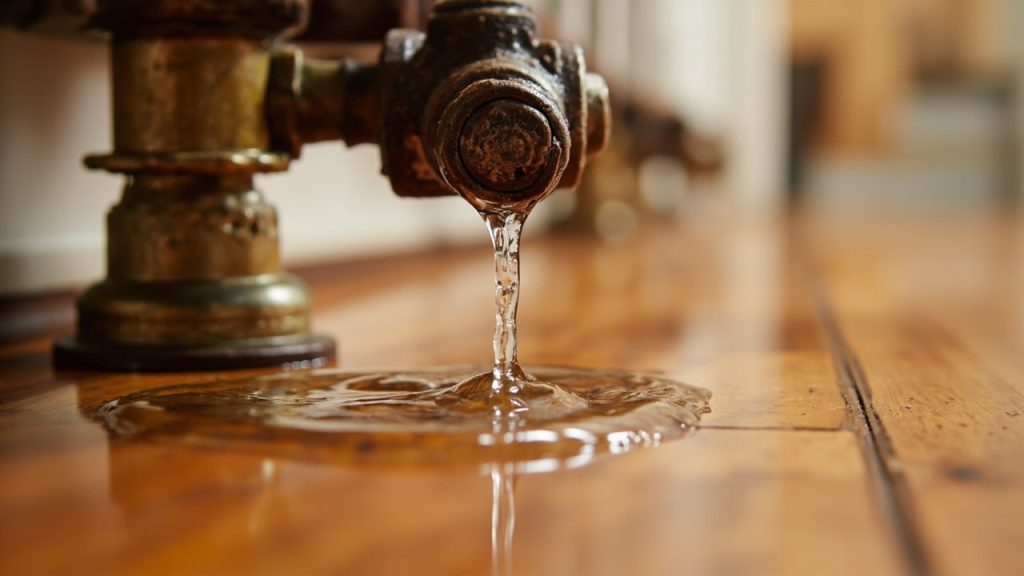
Your cast-iron radiator is leaking water across your hardwood floor. Panic sets in. You need to know three things right now. First, how to stop the water immediately. Second, what happens to your floor and substructure in the hours that follow. Third, who repairs the damage before mold takes hold.. Read more about Restoring water damaged documents and archives in Hyde Park faculty offices.
This guide walks you through each step. It covers Chicago’s specific heating system vulnerabilities, emergency response procedures, and the restoration process that protects your home’s value.
Why Chicago Radiators Fail in Winter
Chicago’s Polar Vortex conditions create a perfect storm for radiator failure. Historic homes in Rogers Park, Lincoln Park, and Uptown rely on steam and hot water radiator systems installed between 1890 and 1960. These cast-iron units are durable, but they fear extreme temperature swings.
When outdoor temperatures plummet below zero and then climb 30 degrees in two days, metal contracts and expands. Solder joints weaken. Valve seals crack. Small leaks become torrents. The freeze-thaw cycle repeats every winter throughout Chicago, placing older radiator systems under constant stress.
Chicago’s 60 to 80 percent humidity during summer months accelerates corrosion inside the radiator pipes. Water trapped in a heating system acts as a solvent and eats through the interior walls of cast iron. By the time you spot a drip, internal degradation has been underway for years.
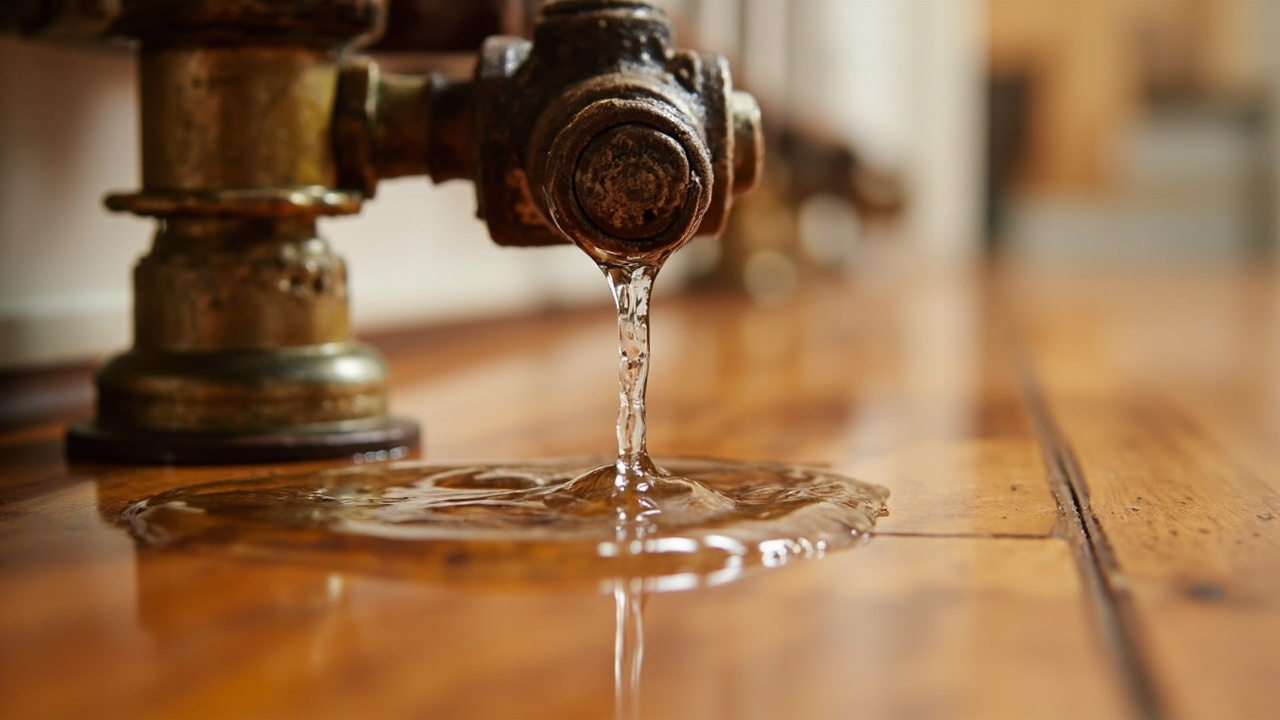
Many radiator leaks originate at connection points rather than the radiator body itself. The valve seat at the base of your radiator develops a pinhole leak. The union connector where the supply line enters the unit corrodes. The bleed valve, used to remove trapped air, fails under pressure. Each failure point requires a different emergency response.
Immediate Emergency Steps to Stop Water Damage
The first five minutes determine whether water damage affects one square foot or your entire basement. Act with speed and precision.
- Locate the shutoff valve
Find the brass or steel shutoff valve at the base of the leaking radiator. This valve controls water flow to that individual unit. Turn it clockwise as far as it will go. Do not force it if it resists. Frozen or corroded valves sometimes require careful tapping with a rubber mallet to break free.
- Turn off the boiler system
If the radiator shutoff valve fails to stop the leak, shut off the entire heating system at the boiler. Look for the main power switch and flip it to the off position. Most boilers have a clear on-off switch near the top of the unit. If you cannot locate it, call the boiler manufacturer’s emergency line.
- Drain the radiator line if possible
Some radiators have a drain valve at the lowest point of the unit. Opening this valve allows pressurized water to escape into a bucket rather than flooding the floor. Place a bucket beneath the drain valve before opening it. Heating system water may scald you or contain mineral sediment.
- Extract standing water immediately
Use towels, mop, and buckets to remove standing water around the radiator. Move furniture away from the affected area. Open windows to increase air circulation. Do not wait for water to evaporate on its own. Standing water penetrates hardwood flooring and drywall within hours.
- Call a professional water damage restoration team
Professional crews respond 24/7 across Rogers Park, Lincoln Park, and Uptown. Certified technicians arrive within two hours of your call in most cases. They bring commercial-grade dehumidifiers and high-velocity fans to prevent mold growth while you arrange radiator repair.
Water Classification and Damage Assessment
Not all radiator leaks cause the same level of property damage. The water classification determines the restoration approach and health risks involved.
| Water Class | Source | Health Risk | Restoration Method |
|---|---|---|---|
| Class 1 Clean Water | New radiator leak, clean supply line | Low. Boiler water contains minimal contamination | Water extraction and structural drying |
| Class 2 Gray Water | Radiator system with mineral deposits, rust, or sediment | Moderate. Mineral scale and rust particles cause staining and odor | Water extraction plus antimicrobial treatment and pH restoration |
| Class 3 Black Water | Radiator connected to contaminated heating system or combined sewer backup | High. Pathogenic bacteria and mold spores present | Industrial extraction, structural removal, mold remediation |
Most residential radiator leaks in Chicago fall into Class 1 or Class 2. The boiler water itself is relatively clean. Problems arise when water seeps into hardwood flooring, subflooring, and wall cavities where mold develops.
The Threat to Chicago Hardwood Floors and Plaster Walls
Chicago bungalows, two-flats, and greystones feature hardwood floors and plaster-and-lath walls built in the early 1900s. These materials respond to water damage in ways modern homes do not.
Hardwood flooring expands when you expose it to moisture. A leak under a radiator causes wood planks to swell and buckle within 24 hours. The finish lifts and cracks. Once wood moves, it does not return to its original shape even after drying. You must replace affected floors rather than repair them.
The subfloor beneath hardwood presents a different threat. Chicago homes built before 1950 often feature wood subfloor joists placed directly on masonry basement walls or concrete. A radiator leak soaks water into this subfloor and traps it there. Moisture feeds mold growth that spreads through the entire basement structure.
Plaster-and-lath walls compound the problem. Unlike modern drywall, plaster absorbs and holds moisture for weeks. Water migrates upward through capillary action, wicking moisture into upper floors. A radiator leak on the second floor can cause ceiling damage on the first floor days later.
Chicago’s 60 to 80 percent average humidity during warm months accelerates mold growth. A damp basement from a radiator leak becomes a mold factory within 48 hours if professionals do not extract water immediately.
Professional Water Extraction and Structural Drying
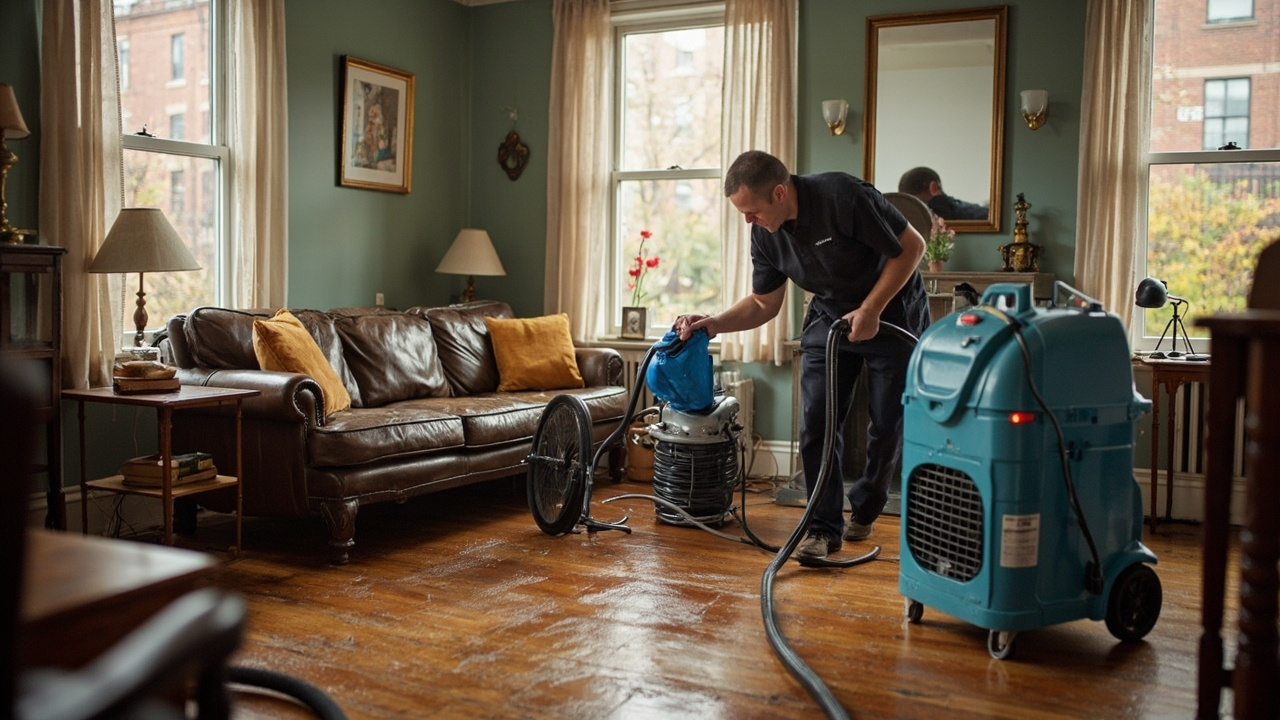
Extracting standing water is not enough. Trapped moisture inside walls, flooring, and substructure continues damaging your home for weeks. Professional restoration requires specialized equipment and expertise.
The restoration process follows five key stages that align with IICRC water damage restoration guidelines.
| Stage | Timeline | Equipment and Method | Goal |
|---|---|---|---|
| 1. Inspection and Documentation | 30 minutes to 1 hour | Moisture meter testing, thermal imaging camera, visual assessment | Identify all wet materials and document water intrusion pattern |
| 2. Water Extraction | 1 to 4 hours depending on volume | Wet vac with 20 to 25 gallon capacity, portable submersible pump for large volumes | Remove all standing water from floors, carpets, and low-lying areas |
| 3. Structural Drying | 3 to 7 days | Commercial dehumidifiers removing 50 to 100 pints per day, high velocity axial fans, air movers | Reduce moisture in walls, joists, and subfloor to safe levels below 17 percent |
| 4. Mold Prevention and Antimicrobial Treatment | 1 to 2 days | HEPA air scrubbing, antimicrobial fogging, affected area sealing | Kill mold spores and prevent mold colonization during drying phase |
| 5. Final Restoration and Repair | 7 to 14 days | Flooring replacement, drywall repair, paint, return to normal conditions | Restore property to pre-damage condition and functionality |
Each stage is essential. Skipping structural drying because standing water is gone creates hidden mold problems that emerge months later. Chicago’s humidity accelerates this process. A basement damp for more than 48 hours in June becomes a mold hazard.
Professional technicians use psychrometric principles to guide drying. They monitor both temperature and humidity levels, adjusting equipment placement to optimize evaporation rates. This approach removes moisture faster than passive air circulation alone.
Mold Growth Timeline After Radiator Leaks
Mold begins growing within 24 to 48 hours of water exposure. Chicago’s warm, humid summers compress this timeline. A radiator leak discovered on a Monday afternoon requires professional water extraction before Wednesday morning or mold remediation becomes necessary.
Invisible mold spores travel through air ducts and settle on every surface in your home. Once mold colonies establish themselves, remediation costs exceed water extraction costs by a factor of three to five.
The health risks of mold exposure include respiratory irritation, allergic reactions, and asthma aggravation. Children, elderly residents, and people with compromised immune systems face elevated risk. Removing mold from a home is both a property preservation issue and a family health issue.
Professional mold remediation requires containment to prevent spore spread throughout your home. Technicians seal affected areas, use HEPA filtration to capture spores, and apply EPA-approved antimicrobial treatments. This process takes days and costs significantly more than preventing mold through rapid water extraction.
Working with Insurance Claims in Illinois
Illinois homeowners insurance covers sudden radiator leaks in most cases. Gradual leaks that develop over time do not. The distinction matters because the insurance company investigates the failure cause before approving claims.
Document the leak immediately with photographs and video. Capture the radiator, the standing water, and visible damage to flooring and walls. Timestamp your photos using your phone’s camera function. Insurance adjusters use visual evidence to determine whether the leak was sudden (covered) or gradual (excluded).
Report the claim to your insurance provider within 24 hours. Most homeowners policies require prompt notification. Waiting a week to report a leak signals that you did not consider it urgent, which insurers interpret as negligence.
Professional restoration companies handle direct communication with your insurance company. They provide detailed water damage assessments, restoration timelines, and cost estimates that insurance adjusters trust. This reduces the paperwork burden on you and accelerates claim approval.
Your deductible applies to radiator leak claims just like any other water damage. Most homeowners carry a 500 to 1000 dollar deductible. Insurance covers costs above that threshold. If restoration costs 2500 dollars and your deductible is 1000 dollars, insurance pays 1500 dollars.
Why DIY Drying Fails for Radiator Water Damage
Opening windows and running a box fan seems like a logical response to water damage. This approach fails for radiator leaks in Chicago homes for specific reasons.
Box fans move air across wet surfaces but do not remove moisture from the air itself. In fact, opening windows during humid weather adds moisture to your home. Chicago’s summer humidity reaches 70 to 80 percent. Outside air is already saturated with moisture. Moving humid air through your home cannot dry materials wet from a radiator leak.
Hardwood floors require moisture content below 12 percent to prevent buckling. Subflooring needs to reach 15 percent or below. A dehumidifier removes moisture from the air, allowing trapped water in wood to evaporate into the dehumidified air. A box fan cannot accomplish this task.
Professional dehumidifiers remove 50 to 100 pints of water per day from your home. The water drains into a collection tank or floor drain. This creates a moisture deficit that pulls water from hardwood flooring and substructure. After seven days of professional drying, materials reach safe moisture levels.
A box fan and open windows take three to four weeks to achieve the same result. During that time, mold colonizes your home. Structural damage accelerates. The cost of preventing damage through professional drying is a fraction of the remediation cost that follows negligent drying.
Radiator Leaks in Multi-Unit Buildings
Chicago’s two-flats and three-flats present unique radiator leak challenges. A second-floor radiator leak damages not only the second-floor apartment but also the first-floor ceiling and possibly the first-floor hardwood flooring.
Water runs downward through ceiling cavities and wall voids. Plaster ceilings absorb water and fail within days. First-floor tenants discover water damage on their ceiling without knowing the source. The landlord or property manager becomes liable for damage to multiple units.
Boiler systems in two-flats and three-flats often serve all units from a single central location. A failed shutoff valve on one radiator affects the entire building’s heating system if the main boiler shuts down. Coordinating repairs with multiple residents becomes complex.
Insurance claims for multi-unit damage require documentation of the leak source and the path of water travel. Professional documentation captures this information, protecting landlords and property managers from liability disputes.
Chicago Building Code Requirements for Radiator System Repair
Chicago Building Code Section 13-128 requires that water heating and steam heating systems meet specific installation standards. Radiator replacement or major repair triggers a building permit requirement in many cases. You cannot simply swap out a failed radiator for a new one without city inspection in Chicago.
Contact the Chicago Department of Buildings at 311 to request a radiator repair permit. You can also submit permit applications online through the Chicago Department of Buildings portal at chicago.gov/dob. Typical permit processing timelines range from 5 to 10 business days for straightforward radiator replacements. The city charges permit fees between 150 and 400 dollars depending on the scope of work and the property classification.
A new radiator must include a shutoff valve and check valve to meet current code. Many older Chicago radiators lack these safety devices. When you replace a failed radiator, the city inspector may require valve installation on the supply and return lines. These additions cost 200 to 400 dollars but bring your system into compliance with current standards.
Lead paint concerns apply to radiators installed before 1978. Chicago properties built before this date likely have lead-based paint on radiators and associated piping. When water damage requires radiator removal, lead abatement procedures apply. Licensed contractors must handle disturbed lead paint according to Illinois state regulations and OSHA guidelines. Failing to disclose lead paint hazards before renovation exposes property owners to significant liability.
Asbestos insulation on radiator pipes presents another code consideration. Many Chicago homes from the 1940s to 1970s have asbestos-wrapped heating pipes. Disturbing asbestos during radiator repair requires professional abatement by certified contractors. You cannot simply remove and discard asbestos-wrapped pipes without following specific removal protocols.
Professional restoration companies coordinate with city inspectors and licensed specialists to ensure radiator system repairs comply with Chicago Building Code. This protects your home’s marketability, your safety, and your liability status when selling the property.
Preventing Future Radiator Leaks
A failed radiator taught you an expensive lesson. Preventing the next leak protects your home and wallet.
Schedule annual boiler and radiator inspections before winter each October. A licensed HVAC technician evaluates radiator condition, checks valve function, and identifies corroded connections before they fail. This single annual visit costs 150 to 250 dollars and often prevents leaks that would cost thousands to remediate.
Flush your heating system every three to five years if you live in an area with hard water. Chicago’s water supply contains elevated mineral content. Mineral deposits accumulate inside radiators and pipes, accelerating corrosion. Flushing removes sediment and extends system life by five to ten years.
Insulate basement radiators and pipes with foam pipe wrap in Chicago homes with unfinished basements. This slows heat loss and reduces the temperature stress on pipes during the Polar Vortex. Cheap foam insulation costing 30 to 50 dollars prevents leaks that would cost thousands.
Replace radiator shutoff valves every 15 to 20 years. These valves fail silently. You discover the failure when the radiator leaks and you need to shut off water flow. New valves provide insurance against radiator emergencies. Replacement costs 100 to 200 dollars but beats the cost of emergency water extraction and restoration.
Reduce boiler pressure if your system runs above 30 PSI. Elevated pressure increases the force on radiator connections and seals. A properly adjusted boiler reduces strain on aging radiators. Most heating contractors can adjust pressure in 30 minutes during a service call.
Frequently Asked Questions
How long does water from a radiator leak remain dangerous for mold growth?
Mold begins colonizing wet materials within 24 to 48 hours. In Chicago’s humid climate, this timeline compresses to 24 hours during summer months. Professional water extraction within 24 hours of discovery prevents most mold growth. After 48 hours, mold prevention becomes mold remediation, which costs three to five times more.
Can a radiator leak damage the foundation of a Chicago home?
Most radiator leaks affect hardwood flooring and subflooring rather than the foundation. Radiators sit inside homes on upper floors, not in basements near the foundation. If a radiator leak runs down through multiple floors and reaches the basement, prolonged moisture exposure can weaken joists and accelerate wood rot. Foundation damage from a radiator leak is uncommon unless the leak persists for months without treatment.
Does homeowners insurance cover radiator leak damage if the radiator is old?
Insurance covers sudden radiator failure regardless of age. An 80-year-old radiator that suddenly splits and floods your kitchen is covered the same way as a new radiator. Insurance does not cover gradual leaks that develop over time due to lack of maintenance. The distinction between sudden and gradual determines coverage, not the radiator’s age.
What is the cost difference between water extraction and mold remediation?
Water extraction for a radiator leak in a Chicago home ranges from 800 to 3000 dollars depending on water volume and affected materials. Mold remediation costs three to five times more because it requires containment, HEPA filtration, structural removal of contaminated materials, and antimicrobial treatment. Preventing mold through rapid water extraction saves thousands in mold remediation costs.
How do I know if radiator leak water got inside the walls?
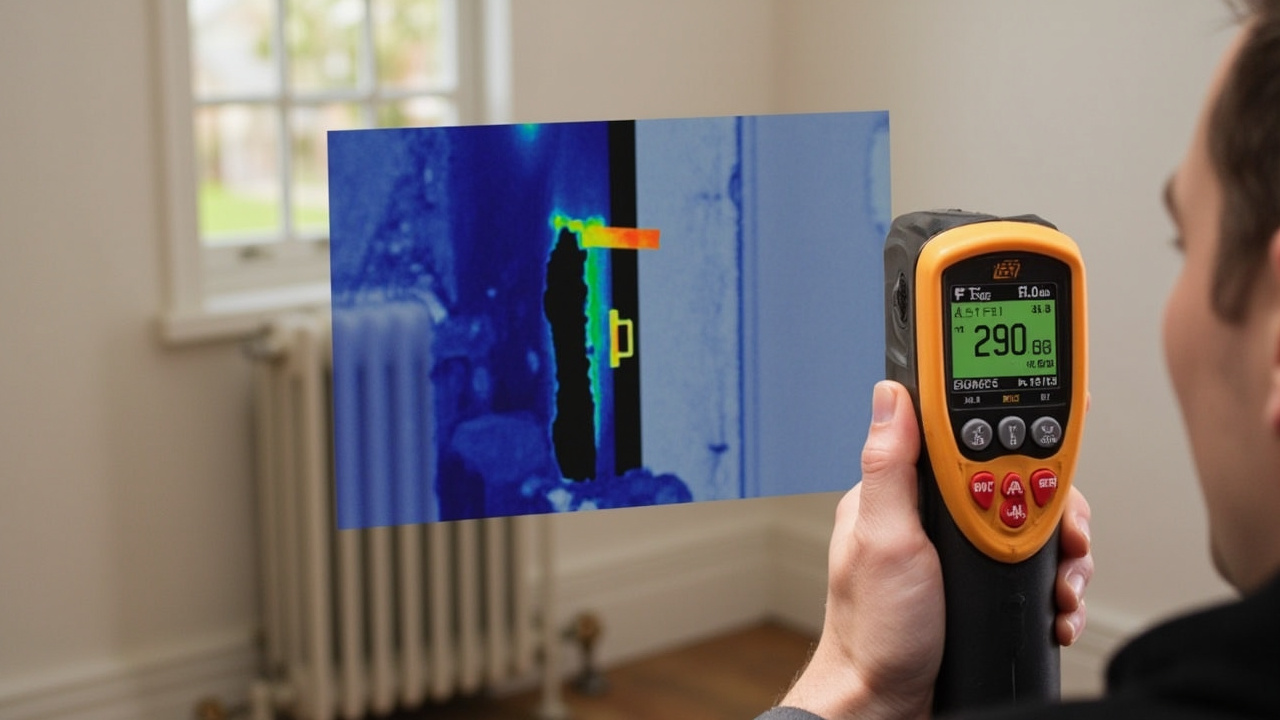
Visual inspection alone does not reveal water inside wall cavities. Professional technicians use moisture meters to detect water trapped in drywall and plaster. Thermal imaging cameras show temperature differentials that indicate moisture pockets. If water from a radiator leak saturated the floor near a wall, professionals should inspect that wall for hidden moisture before declaring the restoration complete.
Radiator Leak Damage Requires Speed and Expertise
A leaking radiator in your Rogers Park, Lincoln Park, or Uptown home demands action within hours, not days. Standing water damages hardwood flooring within 24 hours. Mold growth begins within 48 hours. Professional water extraction prevents both.
IICRC certified technicians respond 24/7 across Chicago’s neighborhoods. They arrive within two hours of your call in most cases. Professional teams extract water, dry structures, prevent mold, and coordinate with your insurance company. This combination of speed and expertise is what separates professional restoration from DIY attempts that fail and leave you with mold damage.
Do not wait for the water to evaporate or hope that opening windows solves the problem. Call a professional restoration company today if your radiator is leaking. Describe the location of the leak, the extent of visible water damage, and any structural materials affected. Professional teams assess the situation and begin restoration immediately.
Contact a professional water damage restoration company now for radiator leak emergencies in Chicago. They are available 24/7 across Rogers Park, Lincoln Park, and Uptown.
{
“@context”: “https://schema.org”,
“@type”: “BlogPosting”,
“headline”: “Radiator Water Damage Restoration in Chicago, IL”,
“description”: “Stop radiator leaks fast before mold destroys your Chicago home. Emergency response steps, water extraction, and floor restoration explained.”,
“wordCount”: 3047,
“datePublished”: “2026-04-29T11:38:00.000Z”,
“dateModified”: “2026-04-29T11:38:00.000Z”,
“inLanguage”: “en-US”,
“mainEntityOfPage”: {
“@type”: “WebPage”,
“@id”: “https://cornerstonewaterdamagerestorationchicago.com”
},
“publisher”: {
“@type”: “LocalBusiness”,
“name”: “Cornerstone Water Damage Restoration Chicago”,
“url”: “https://cornerstonewaterdamagerestorationchicago.com”
},
“author”: {
“@type”: “Organization”,
“name”: “Cornerstone Water Damage Restoration Chicago”,
“url”: “https://cornerstonewaterdamagerestorationchicago.com”
},
“image”: {
“@type”: “ImageObject”,
“url”: “https://cornerstonewaterdamagerestorationchicago.com/wp-content/uploads/2026/03/why-your-old-chicago-radiator-is-leaking-and-how-t-1.jpg”
}
}
{
“@context”: “https://schema.org”,
“@type”: “LocalBusiness”,
“name”: “Cornerstone Water Damage Restoration Chicago”,
“url”: “https://cornerstonewaterdamagerestorationchicago.com”,
“address”: {
“@type”: “PostalAddress”,
“addressLocality”: “Chicago”
},
“areaServed”: {
“@type”: “City”,
“name”: “Chicago”
}
}
{
“@context”: “https://schema.org”,
“@type”: “FAQPage”,
“mainEntity”: [
{
“@type”: “Question”,
“name”: “How long does water from a radiator leak remain dangerous for mold growth?”,
“acceptedAnswer”: {
“@type”: “Answer”,
“text”: “Mold begins colonizing wet materials within 24 to 48 hours. In Chicago’s humid climate, this timeline compresses to 24 hours during summer months. Professional water extraction within 24 hours of discovery prevents most mold growth. After 48 hours, mold prevention becomes mold remediation, which costs three to five times more.”
}
},
{
“@type”: “Question”,
“name”: “Can a radiator leak damage the foundation of a Chicago home?”,
“acceptedAnswer”: {
“@type”: “Answer”,
“text”: “Most radiator leaks affect hardwood flooring and subflooring rather than the foundation. Radiators sit inside homes on upper floors, not in basements near the foundation. If a radiator leak runs down through multiple floors and reaches the basement, prolonged moisture exposure can weaken joists and accelerate wood rot. Foundation damage from a radiator leak is uncommon unless the leak persists for months without treatment.”
}
},
{
“@type”: “Question”,
“name”: “Does homeowners insurance cover radiator leak damage if the radiator is old?”,
“acceptedAnswer”: {
“@type”: “Answer”,
“text”: “Insurance covers sudden radiator failure regardless of age. An 80-year-old radiator that suddenly splits and floods your kitchen is covered the same way as a new radiator. Insurance does not cover gradual leaks that develop over time due to lack of maintenance. The distinction between sudden and gradual determines coverage, not the radiator’s age.”
}
},
{
“@type”: “Question”,
“name”: “What is the cost difference between water extraction and mold remediation?”,
“acceptedAnswer”: {
“@type”: “Answer”,
“text”: “Water extraction for a radiator leak in a Chicago home ranges from 800 to 3000 dollars depending on water volume and affected materials. Mold remediation costs three to five times more because it requires containment, HEPA filtration, structural removal of contaminated materials, and antimicrobial treatment. Preventing mold through rapid water extraction saves thousands in mold remediation costs.”
}
},
{
“@type”: “Question”,
“name”: “How do I know if radiator leak water got inside the walls?”,
“acceptedAnswer”: {
“@type”: “Answer”,
“text”: “Visual inspection alone does not reveal water inside wall cavities. Professional technicians use moisture meters to detect water trapped in drywall and plaster. Thermal imaging cameras show temperature differentials that indicate moisture pockets. If water from a radiator leak saturated the floor near a wall, professionals should inspect that wall for hidden moisture before declaring the restoration complete.”
}
}
]
}
{
“@context”: “https://schema.org”,
“@type”: “HowTo”,
“name”: “How to Stop a Radiator Leak Immediately”,
“step”: [
{
“@type”: “HowToStep”,
“position”: 1,
“name”: “Locate the shutoff valve”,
“text”: “Find the brass or steel shutoff valve at the base of the leaking radiator. This valve controls water flow to that individual unit. Turn it clockwise as far as it will go. Do not force it if it resists. Frozen or corroded valves sometimes require careful tapping with a rubber mallet to break free.”
},
{
“@type”: “HowToStep”,
“position”: 2,
“name”: “Turn off the boiler system”,
“text”: “If the radiator shutoff valve fails to stop the leak, shut off the entire heating system at the boiler. Look for the main power switch and flip it to the off position. Most boilers have a clear on-off switch near the top of the unit. If you cannot locate it, call the boiler manufacturer’s emergency line.”
},
{
“@type”: “HowToStep”,
“position”: 3,
“name”: “Drain the radiator line if possible”,
“text”: “Some radiators have a drain valve at the lowest point of the unit. Opening this valve allows pressurized water to escape into a bucket rather than flooding the floor. Place a bucket beneath the drain valve before opening it. Heating system water may scald you or contain mineral sediment.”
},
{
“@type”: “HowToStep”,
“position”: 4,
“name”: “Extract standing water immediately”,
“text”: “Use towels, mop, and buckets to remove standing water around the radiator. Move furniture away from the affected area. Open windows to increase air circulation. Do not wait for water to evaporate on its own. Standing water penetrates hardwood flooring and drywall within hours.”
},
{
“@type”: “HowToStep”,
“position”: 5,
“name”: “Call a professional water damage restoration team”,
“text”: “Professional crews respond 24/7 across Rogers Park, Lincoln Park, and Uptown. Certified technicians arrive within two hours of your call in most cases. They bring commercial-grade dehumidifiers and high-velocity fans to prevent mold growth while you arrange radiator repair.”
}
],
“image”: “https://cornerstonewaterdamagerestorationchicago.com/wp-content/uploads/2026/03/why-your-old-chicago-radiator-is-leaking-and-how-t-1.jpg”
}
{
“@context”: “https://schema.org”,
“@type”: “BreadcrumbList”,
“itemListElement”: [
{
“@type”: “ListItem”,
“position”: 1,
“name”: “Home”,
“item”: “https://cornerstonewaterdamagerestorationchicago.com”
},
{
“@type”: “ListItem”,
“position”: 2,
“name”: “Blog”,
“item”: “https://cornerstonewaterdamagerestorationchicago.com/blog”
},
{
“@type”: “ListItem”,
“position”: 3,
“name”: “Radiator Water Damage Restoration in Chicago, IL”
}
]
}
{
“@context”: “https://schema.org”,
“@type”: “Service”,
“serviceType”: “Water Damage Restoration”,
“provider”: {
“@type”: “LocalBusiness”,
“name”: “Cornerstone Water Damage Restoration Chicago”,
“url”: “https://cornerstonewaterdamagerestorationchicago.com”
},
“areaServed”: {
“@type”: “City”,
“name”: “Chicago”
},
“description”: “Stop radiator leaks fast before mold destroys your Chicago home. Emergency response steps, water extraction, and floor restoration explained.”
}