
Chicago River Flood Risk Map: Is Your Property in a High-Risk Zone?
The Chicago River has crested above flood stage multiple times in the past decade. Spring storms and the limits of the city’s drainage infrastructure mean your basement could be at risk right now, and you may not know it.
Understanding your flood zone matters because it affects your insurance options, your property value, and whether your home gets flooded before you ever see a drop of rain. This guide breaks down exactly what the maps mean, where the danger zones are, and what you need to do to protect your property.. Read more about How to dry out a flooded industrial warehouse in the Back of the Yards.
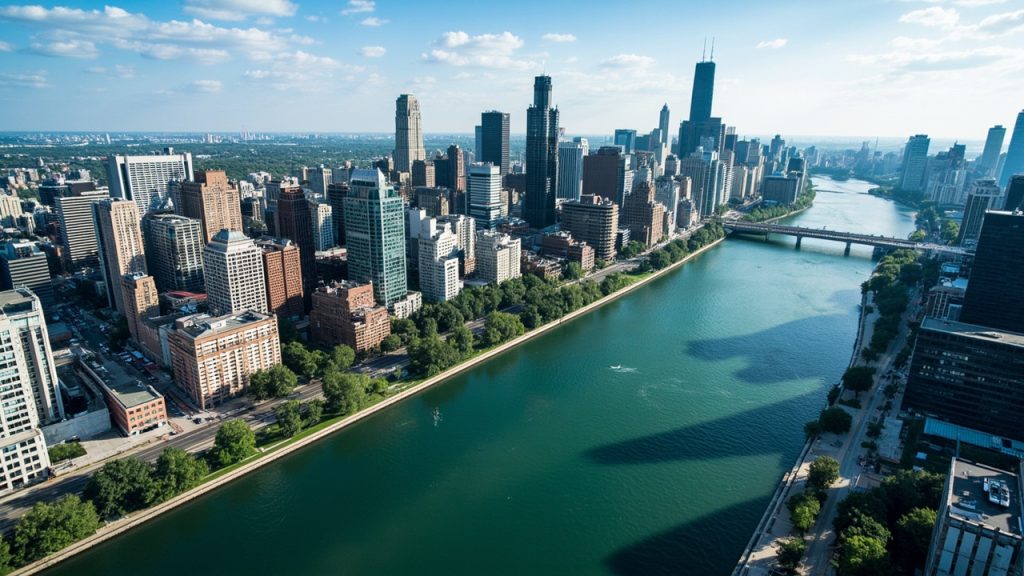
How the Chicago River Threatens Your Home
The North Branch of the Chicago River flows through neighborhoods including Lincoln Park, West Loop, and Logan Square. The South Branch cuts through the Loop and industrial areas south of downtown. Both branches receive stormwater runoff, groundwater, and treated wastewater from the Metropolitan Water Reclamation District of Greater Chicago (MWRD).. Read more about Emergency response for water main breaks affecting manufacturing plants in Archer Heights.
When the river swells, water moves in two directions. First, it backs up into storm drains and sewage systems that feed into the river. Second, it floods basements and ground-level spaces directly adjacent to the riverbanks. A single heavy rain event can push the river 4 to 6 feet above normal stage in less than 24 hours.
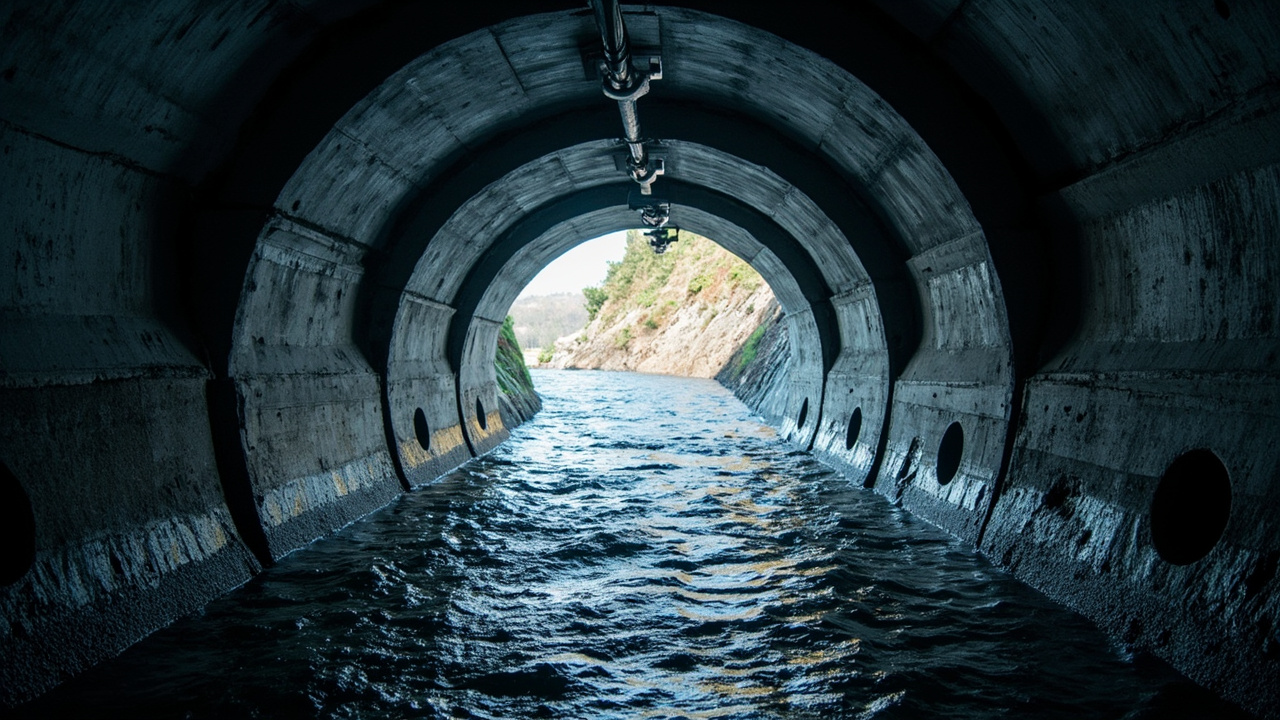
The bigger problem occurs when the MWRD’s Tunnel and Reservoir Plan, known as TARP or the Deep Tunnel, reaches capacity. Engineers built the Deep Tunnel as a massive underground storage system that captures excess stormwater and sewage to prevent combined sewer overflows into the river. But when a major storm dumps more than 1 inch of rain across the city in a few hours, the tunnel reaches maximum capacity. When that happens, the system has nowhere to store water, and the Chicago River becomes the overflow valve.
Chicago’s geology adds another layer of complexity to flood risk. The Chicago Blue Clay beneath the city is a dense glacial deposit with virtually no natural drainage capacity. This clay layer forces water to move laterally toward the lowest point, which is the Chicago River and its branches. The convergence of three branches at downtown creates a bottleneck that amplifies water pressure during storms. The city’s stormwater infrastructure dates to the 1800s in many areas, meaning these systems were designed for rainfall patterns that no longer match 21st-century storm intensity. Freeze-thaw cycles damage aging pipes and reduce their capacity, forcing more overflow into the river during spring thaws and heavy rains.
Reading Your FEMA Flood Insurance Rate Map for Chicago
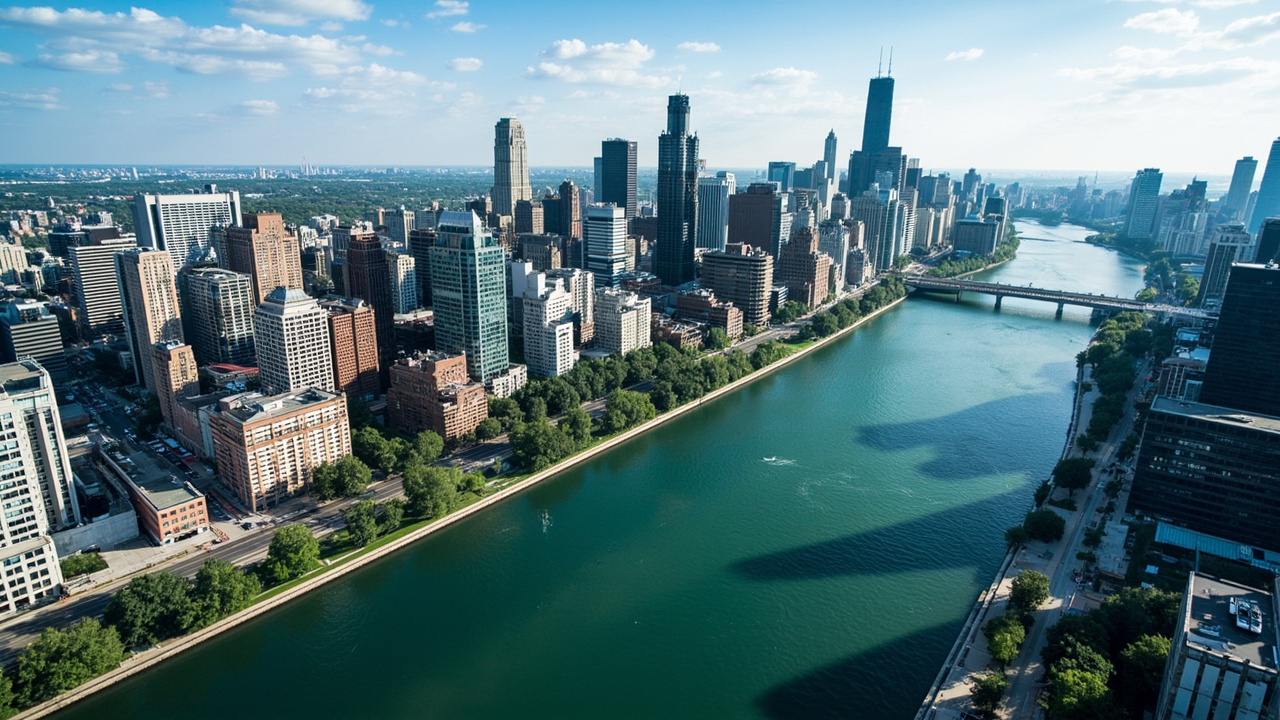
The Federal Emergency Management Agency (FEMA) creates flood maps that show risk zones for the entire country. Chicago residents can access these maps through the FEMA Flood Map Service Center. The maps use color coding and zone labels to indicate flood risk.
FEMA defines flood risk in two primary zones that matter to Chicago homeowners.
| Flood Zone | Risk Level | Chicago Location Examples | Do You Need Flood Insurance? |
|---|---|---|---|
| Zone AE (100-Year Floodplain) | High Risk. Has a 1 in 100 chance of flooding each year | Properties directly along the North Branch from Lincoln Park to West Loop. Some Loop blocks south of the Chicago River | Yes, if you have a mortgage |
| Zone X (Outside 500-Year Floodplain) | Low to Moderate Risk. Less than 1 in 500 chance annually | Logan Square, blocks west of the river corridor | No, but recommended if you have a basement |
The 100-year floodplain means a 1 in 100 chance that the river will flood to that level in any given year. It does not mean the river floods once every 100 years. Two major floods could happen in consecutive years.
The 500-year floodplain is broader. It covers areas that flood less often, but the consequences are worse when they do. Chicago experienced flooding at or near the 500-year level in 2017 and again in 2020.
To find your flood zone, visit the FEMA map portal and enter your address. You will see a color-coded map of your specific block. If your property appears in Zone AE, you need flood insurance if you have a mortgage. If you are in Zone X but have a basement, flood insurance is optional but strongly recommended.
Why the Deep Tunnel Cannot Always Save You
Engineers built the Deep Tunnel as one of the world’s largest civil engineering projects. The system tunnels nearly 300 miles beneath the city and suburbs. It stores stormwater in massive underground caverns called reservoirs. When the storm ends and river levels drop, pump stations move the stored water back out and send it to treatment facilities.
The Deep Tunnel works exceptionally well for moderate storms. A typical spring rain that drops 1 inch over 6 hours gets captured completely. Your basement does not flood because the water has nowhere to back up.
Extreme storms overwhelm the system. A cloudburst that drops 2 to 3 inches in 2 to 3 hours fills the Deep Tunnel to capacity within the first hour. After that, excess water overflows directly into the Chicago River and its branches. When that happens, every combined sewer in nearby neighborhoods becomes a two-way street. Water backs up out of drains in basements, laundry rooms, and ground-level bathrooms.
The Deep Tunnel also has a secondary weakness. It relies on pumps to move stored water back out after a storm. If the grid loses power during a major storm event, pumps stop working and the system becomes a dead-end repository. The water sits underground until power is restored. In neighborhoods like Lincoln Park and West Loop that sit downslope from the North Branch, gravity alone will not help the stored water move.
Neighborhood-Specific Flood Risk in Greater Chicago
The risk of river flooding is not uniform across Chicago. Proximity to the river, soil type, and elevation all shape your specific risk level.
Lincoln Park and West Loop Flood Risk
These neighborhoods sit directly along the North Branch of the Chicago River. Properties within 2 blocks of the river are in FEMA Zone AE, meaning they face high flood risk. Lincoln Park has a mix of older apartment buildings and newer condos. Many older buildings have basement laundry and mechanical spaces that can fill with water in minutes during a river crest. West Loop has converted warehouse lofts with large basement areas that are now residential spaces or restaurants.
The clay soils beneath Lincoln Park and West Loop are part of Chicago Blue Clay, a dense layer left behind by glaciers 20,000 years ago. This soil has virtually no drainage capacity. Water that falls on the ground surface moves toward the lowest point, which is the river. Basements in these neighborhoods are especially vulnerable because they sit below the water table for much of the year. The freeze-thaw cycles that occur in Chicago winters make matters worse. Water enters foundation cracks in fall and expands as it freezes, creating larger gaps that accelerate spring seepage.
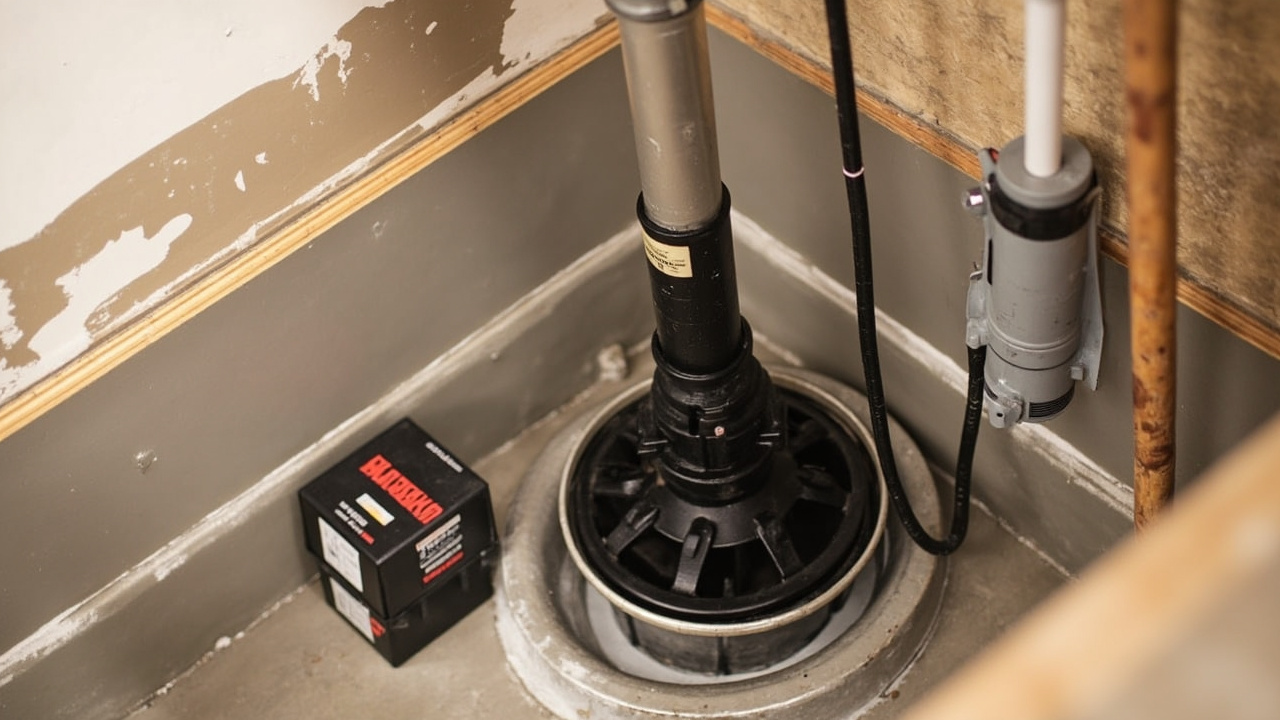
Residents in these zones should have flood insurance and a functioning sump pump system with battery backup. A backwater valve installed on sewage lines prevents water from flowing backward into the home from the municipal sewer system.
Logan Square Flood Risk
Logan Square is roughly 1.5 miles west of the North Branch. It is outside the 100-year floodplain in most areas, placing it in FEMA Zone X. The flood risk here is lower but not zero. Logan Square sits in a broad, flat basin with poor natural drainage. Heavy rains accumulate in the soil instead of flowing away quickly.
The risk in Logan Square is basement seepage, not river overflow. During a 2 to 3-inch rainfall, water pressure builds in the soil around basement foundations. Hydrostatic pressure forces water through cracks, cold joints, and construction seams in the foundation. Many Logan Square homes are older Chicago bungalows with unfinished basements and exposed stone or brick foundations. These foundations have lower resistance to water intrusion than newer poured concrete.
Logan Square residents may not need flood insurance through the National Flood Insurance Program, but they do need basement moisture control. A sump pump, interior or exterior drainage system, and crack sealing will prevent the majority of water intrusion problems.
The Difference Between River Flooding and Sewer Backup
Two separate flood mechanisms threaten Chicago basements, and they require different responses.
River flooding occurs when the Chicago River, North Branch, or South Branch rises above its banks and water flows into surrounding properties. This is external water that comes from above ground. River flooding affects properties within 200 to 400 feet of the actual riverbank. Flood insurance through the National Flood Insurance Program (NFIP) covers river flooding.
Sewer backup or combined sewer overflow happens when the storm sewer system backs up and sewage or stormwater flows backward into homes through drains and toilets. This is internal water that comes from below ground through the municipal system. Sewer backup affects properties within 5 to 10 blocks of the river during a major storm because the storm sewer system is interconnected. Standard homeowners insurance does not cover sewer backup. You need a separate sewer backup rider, typically an additional $300 to $500 per year.
Some properties face both risks. A home in Lincoln Park directly along the river could experience river flooding from water rising above ground and sewer backup from the overloaded storm system. In that case, you need flood insurance plus a sewer backup rider.
| Flood Type | Source | Affected Areas | Insurance Coverage | Prevention Method |
|---|---|---|---|---|
| River Flooding | Water rises above riverbank and flows into property | Properties within 200-400 feet of river or branches | Flood Insurance (NFIP) | Flood barriers, waterproof walls, elevation |
| Sewer Backup | Stormwater or sewage backs up through drains and toilets | Properties 5-10 blocks from river during major storms | Sewer Backup Rider on homeowners policy | Backwater valve, sump pump, check valves on drains |
| Basement Seepage | Groundwater enters through cracks and foundation seams | Any property with hydrostatic pressure in soil | Not covered by insurance | Sump pump, exterior drainage, interior waterproofing |
What to Do Right Now if You Are in a High-Risk Zone
If your address shows up in FEMA Zone AE, start here.
- Get flood insurance quotes today. Do not wait for a hurricane season or spring storm forecast. Flood insurance has a 30-day waiting period from the time you purchase it. If you wait until a storm warning appears, it will be too late. Contact your homeowners insurance agent and ask for NFIP quotes. Compare rates from two to three different carriers.
- Have a professional inspect your basement drainage and sump pump. A functioning sump pump is your first line of defense. Old pumps fail without warning. Battery backup systems ensure water removal even if the grid goes down during a storm. A professional inspection identifies whether your pump is sized correctly for your basement and soil type.
- Install a backwater valve on your main sewer line. This one-way valve prevents stormwater and sewage from flowing backward into your home through drains. Installation costs between $1,500 and $3,000 depending on your home’s configuration, but it eliminates one entire class of flood risk. The valve installs in the main sewer line where it exits your home. It closes automatically when municipal sewer pressure exceeds household water pressure.
- Seal visible foundation cracks. Small hairline cracks do not allow water in during normal conditions. During a major rain event when hydrostatic pressure is high, water will find these gaps. Hydraulic cement or polyurethane sealant will stop water intrusion. Have a contractor inspect all basement walls and repair anything larger than a hairline crack.
- Clear gutters and downspouts monthly during the wet season. Clogged gutters cause water to overflow at the base of your foundation. Ensure downspouts extend at least 6 feet away from the foundation to direct water away from the home.
The Metropolitan Water Reclamation District and Your Local Risk
The MWRD manages wastewater treatment and stormwater management for Cook County. The agency operates the Deep Tunnel system and sets policies for sewer overflow prevention. Residents can check historical river levels and current stream conditions on the MWRD website.
The MWRD publishes real-time data on Chicago River elevation. During major storms, you can watch the river rise in 15-minute increments. If you live in a high-risk zone, monitoring MWRD gauges during storm events helps you know when to move valuables to higher floors or turn off electrical systems in the basement.
The MWRD also manages combined sewer overflow events. When the Deep Tunnel reaches capacity and water must be discharged, the agency posts notices on its website. These notifications tell you whether overflow is going into the Chicago River or whether wastewater receives treatment first. During an overflow event, avoid bathing or swimming in the river because untreated sewage may be present.
Building Code Requirements for Flood-Prone Properties in Chicago
Chicago’s building code has specific requirements for properties in flood zones. If you are renovating a basement in a flood-prone area, new work must meet these standards.
Electrical outlets in basements must have ground fault circuit interrupter (GFCI) protection. Mechanical systems including furnaces, water heaters, and electrical panels must sit above the 100-year flood elevation or be flood-proofed to prevent water entry. Drywall and insulation in basements of flood zone properties must be moisture-resistant materials rated for flood environments.
Older homes in Lincoln Park and West Loop typically do not meet these standards. Renovations provide an opportunity to upgrade. Work with a contractor who understands Chicago flood requirements and can ensure your renovation will withstand water exposure.
What Happens After a Major Chicago River Flood
After the 2020 Chicago River flood, the MWRD completed a comprehensive assessment of the Deep Tunnel system. The assessment found that the tunnel performed as designed but that the magnitude of the storm exceeded the system’s 10-year design capacity. The river rose to near the 500-year flood level, meaning water moved into properties that had never flooded before.
The MWRD is expanding tunnel capacity in phases. New storage tunnels are under construction south of the Loop and in the North Branch corridor. These projects will take 10 to 15 years to complete. In the interim, existing flood risk remains unchanged. Residents should not expect the system to be upgraded anytime soon.
After a major flood, property values in affected neighborhoods temporarily decline as buyers become aware of flood risk. Insurance costs rise, and some lenders require flood insurance even for properties outside FEMA zones. The most affected neighborhoods take 3 to 5 years to recover property values. Areas slightly farther from the river recover faster because flood risk is perceived as lower.
Should You Move or Stay
If you own property in FEMA Zone AE along the Chicago River, staying and implementing preventative measures is far more cost-effective than relocating. The steps outlined in this guide reduce flood risk by 90 percent or more. A properly maintained sump pump system and a backwater valve will protect your home through most storm events.
Extreme storms that exceed the Deep Tunnel capacity happen once per decade or less frequently. If you can afford flood insurance and the cost of preventative equipment, the risk is manageable. If flood insurance premiums and maintenance costs exceed 2 to 3 percent of your home’s value annually, relocation becomes economically rational.
For properties in Zone X or outside the floodplain, the risk of river flooding is low. Basement seepage and sump pump maintenance are the main concerns. These issues are preventable and repairable.
Homeowners Insurance Does Not Cover Flood Damage in Chicago
Standard homeowners insurance does not cover damage from external flooding such as river overflow or stormwater inundation. You need a separate flood insurance policy through the National Flood Insurance Program or a private insurer. Sewer backup and water backup through drains requires a separate rider on your homeowners policy, typically costing $300 to $500 annually.
How to Know If Your Basement Is Below the Water Table
If your basement has active water seepage, a sump pump that never shuts off during wet seasons, or musty odors year-round, your basement sits below the water table. Water pressure from soil surrounding your foundation is forcing water inward. A professional inspection can determine your exact situation and recommend solutions ranging from improved drainage to interior waterproofing.
Flood Insurance Cost Differences Between Zone AE and Zone X
Flood insurance premiums in Zone AE are typically 3 to 5 times higher than Zone X because the risk is higher. A $300,000 home in Zone AE might cost $1,200 to $2,000 annually for flood coverage, while the same property in Zone X might cost $300 to $600 annually. Rates vary by carrier and individual property elevation.
Whether a Sump Pump Can Prevent All Basement Flooding
A properly sized sump pump with battery backup can prevent most basement flooding from groundwater and stormwater backup. It cannot prevent flooding from external river overflow if water physically enters the basement from above ground. For protection against all flood types, combine sump pump systems with elevated mechanical equipment, waterproofed walls, and flood barriers on doors and windows.
Protect Your Home with Preventative Measures
Your best defense against Chicago’s flood risk is a multi-layered approach. Start with understanding which zone your property is in. Get flood insurance if you are in Zone AE or if you have a basement in Zone X. Install a sump pump with battery backup so water removal continues even during a power outage. Add a backwater valve to prevent sewage from flowing backward into your home. Keep gutters clear so water drains away from your foundation instead of pooling around it.
For properties in high-risk zones, a professional basement inspection identifies which measures will deliver the most value. Some homes need interior waterproofing on foundation walls. Others need exterior drainage systems to intercept water before it reaches the foundation. Still others need foundation crack repair or sump pump upgrades.
If flooding occurs despite preventative measures, immediate water removal limits damage. The first 24 hours after water enters your home determine whether the damage is limited to cleanup or whether structural damage and mold growth develop. Water that sits in wood framing, drywall, or insulation for more than a day begins to decompose the material and feed mold growth. Basement contents including stored items, HVAC equipment, and water heaters must be removed and dried immediately.
Professional restoration services document water damage with photos, measurements, and written reports. This documentation is essential for insurance claims. Professional contractors also communicate with your insurance adjuster to explain the scope of damage and answer technical questions about how the water entered your home.
Next Steps for Property Owners in Flood Zones
If your property is in a flood zone, take action now rather than waiting for the next storm forecast. Request flood insurance quotes from at least two carriers. Schedule a professional basement assessment to identify which protective measures your home needs most urgently. Prioritize work by cost and risk reduction value.
Monitor the MWRD website during storm events to understand when river levels are rising. Know the location of your main sewer line and electrical panel so you can shut them off if flooding threatens. Keep contact information for water extraction and restoration services in an accessible location.
Flood risk is manageable when you understand it and take preventative action. Do not assume that the Deep Tunnel system will protect you. Do not wait for a weather forecast to alert you to danger. The homes that survive Chicago floods are the ones where owners understood their risk level and invested in protection before water arrived.
{
“@context”: “https://schema.org”,
“@type”: “BlogPosting”,
“headline”: “Chicago River Flood Risk Map: Is Your Property in a High-Risk Zone?”,
“description”: “Learn flood zones near the North Branch Chicago River. Understand your FEMA risk level, insurance needs, and protective measures for Lincoln Park, West Loop, Logan Square.”,
“wordCount”: 3251,
“datePublished”: “2026-04-27T07:13:00.000Z”,
“dateModified”: “2026-04-27T07:13:00.000Z”,
“inLanguage”: “en-US”,
“mainEntityOfPage”: {
“@type”: “WebPage”,
“@id”: “https://cornerstonewaterdamagerestorationchicago.com”
},
“publisher”: {
“@type”: “LocalBusiness”,
“name”: “Cornerstone Water Damage Restoration Chicago”,
“url”: “https://cornerstonewaterdamagerestorationchicago.com”
},
“author”: {
“@type”: “Organization”,
“name”: “Cornerstone Water Damage Restoration Chicago”,
“url”: “https://cornerstonewaterdamagerestorationchicago.com”
},
“image”: {
“@type”: “ImageObject”,
“url”: “https://cornerstonewaterdamagerestorationchicago.com/wp-content/uploads/2026/03/what-homeowners-near-the-north-branch-of-the-chica-1.jpg”
}
}
{
“@context”: “https://schema.org”,
“@type”: “LocalBusiness”,
“name”: “Cornerstone Water Damage Restoration Chicago”,
“url”: “https://cornerstonewaterdamagerestorationchicago.com”,
“address”: {
“@type”: “PostalAddress”,
“addressLocality”: “Chicago”
},
“areaServed”: {
“@type”: “City”,
“name”: “Chicago”
}
}
{
“@context”: “https://schema.org”,
“@type”: “BreadcrumbList”,
“itemListElement”: [
{
“@type”: “ListItem”,
“position”: 1,
“name”: “Home”,
“item”: “https://cornerstonewaterdamagerestorationchicago.com”
},
{
“@type”: “ListItem”,
“position”: 2,
“name”: “Blog”,
“item”: “https://cornerstonewaterdamagerestorationchicago.com/blog”
},
{
“@type”: “ListItem”,
“position”: 3,
“name”: “Chicago River Flood Risk Map: Is Your Property in a High-Risk Zone?”
}
]
}
{
“@context”: “https://schema.org”,
“@type”: “Service”,
“serviceType”: “Water Damage Restoration”,
“provider”: {
“@type”: “LocalBusiness”,
“name”: “Cornerstone Water Damage Restoration Chicago”,
“url”: “https://cornerstonewaterdamagerestorationchicago.com”
},
“areaServed”: {
“@type”: “City”,
“name”: “Chicago”
},
“description”: “Learn flood zones near the North Branch Chicago River. Understand your FEMA risk level, insurance needs, and protective measures for Lincoln Park, West Loop, Logan Square.”
}