
Professional Sump Pump Basin Cleaning in Chicago. The Complete Maintenance Guide
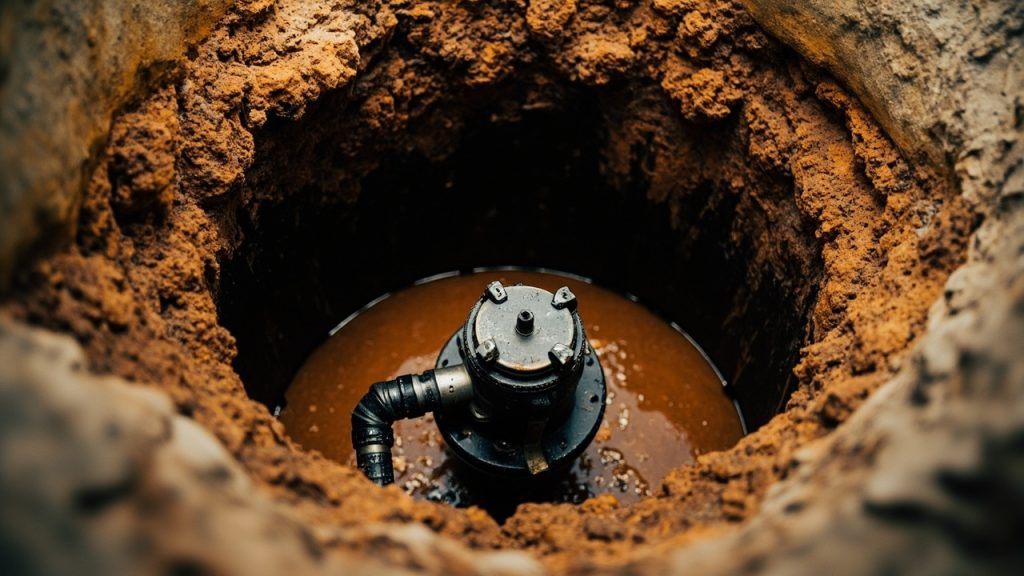
Your sump pump basin is working hard right now. When sediment, iron bacteria, and debris accumulate in that crock, your pump fails. Silently. Often on the worst day of the year. If you live in McKinley Park, Bridgeport, or Canaryville, that pit beneath your basement floor is constantly collecting groundwater that would otherwise flood your foundation. But a sump pump only works if its basin stays clean.
Chicago’s heavy spring rains, freeze-thaw cycles, and high clay content mean your basin fills faster and dirtier than basins in other regions. This guide walks you through what needs to happen to keep that pump operational and your basement dry.
Why Chicago Basements Struggle With Basin Contamination
Chicago sits on Chicago Blue Clay. This dense, water-resistant soil forces groundwater to migrate sideways and downward until it hits your foundation. The problem accelerates in spring when snowmelt combines with heavy rain. Your sump pit fills with more than just clean water.
Groundwater in the Chicagoland area carries iron bacteria, sediment, and minerals. Over weeks and months, these settle in your basin as a gritty, often foul-smelling sludge. Iron ochre, a byproduct of iron bacteria, coats pump impellers and clogs intake screens. The discharge line freezes in January. Float switches stick.
McKinley Park and Bridgeport experience this especially. Both neighborhoods sit near the Calumet River drainage corridor. The water table climbs higher here during spring storms. Your basin fills faster and carries more suspended solids than a basement ten miles west. Illinois EPA regulations for sump pump discharge in Cook County require that water exit your property within 10 feet of the foundation and flow downhill to prevent re-infiltration. Compliance with these Cook County standards prevents costly violations and protects the Calumet River watershed.
Add Chicago’s age factor. Many homes in these neighborhoods were built before 1950. Basements feature poured limestone walls, cracks that weep water, and foundation systems designed for 1920s-era groundwater loads, not 2026 precipitation patterns.
The Dangers of Ignoring a Dirty Sump Pump Basin
A filthy basin does three things you do not want.
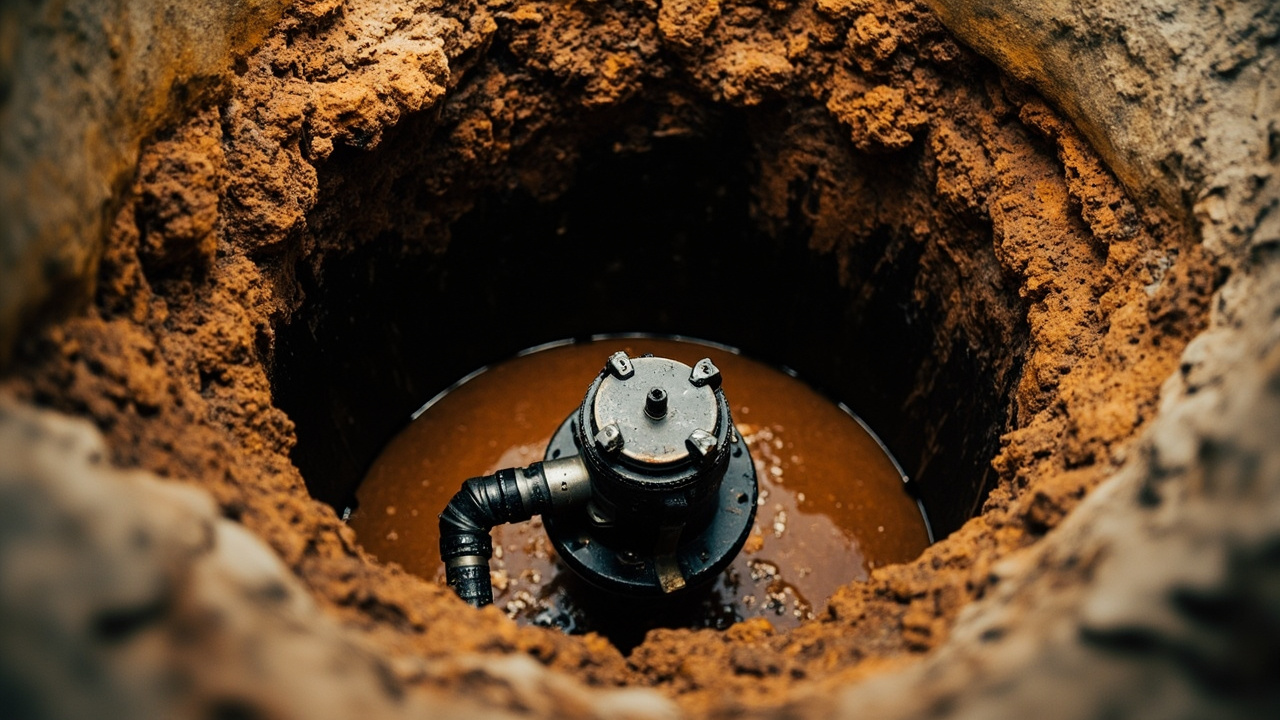
First, it blocks the pump intake. Sediment wraps around the impeller. Mineral buildup clogs the screen. The pump runs but moves no water. Your basement floods silently while the pump runs itself dry.
Second, it causes mechanical failure. Particles accelerate wear on pump seals. Iron ochre acts like sandpaper on internal components. The check valve, which prevents backflow, gets stuck open when debris prevents it from sealing. A stuck check valve lets water siphon back into your pit during dry periods, keeping the basin perpetually full and the pump cycling constantly.
Third, it creates health hazards. Stagnant water in a sump basin grows mold. Sulfur-reducing bacteria produce hydrogen sulfide gas, the rotten-egg smell that rises into your living space. If you smell sulfur in your basement, your basin needs immediate attention. That odor is not just unpleasant. It signals anaerobic decomposition and active mold colonization.
Step-by-Step Basin Cleaning and Sediment Removal
- Shut Off Power at the Breaker
Locate the breaker that powers your sump pump. Switch it off. Sump pumps run on 110 or 240 volts. Water and electricity are a fatal combination. Do not skip this step under any circumstance. If the pump suddenly powers on while you are working inside the pit, you risk electrocution.
- Pump Out Standing Water
Use a wet vacuum or a submersible pump to remove all standing water from the basin. Transfer it to a floor drain or outside, away from your foundation. Do not drain it directly onto a neighbor’s property. Standing water in the pit prevents you from seeing sediment and makes cleaning ineffective.
- Remove the Pump and Check the Intake Screen
Lift the pump out of the basin. If it is bolted down, unbolt it first. Inspect the intake screen or valve at the pump’s bottom. If sediment wraps around it or mineral crusts block it, soak the pump head in clean water for 30 minutes. Use a soft brush to scrub away deposits. Do not use a wire brush. You can scratch the pump’s internal components.
- Scrub the Basin Walls and Bottom
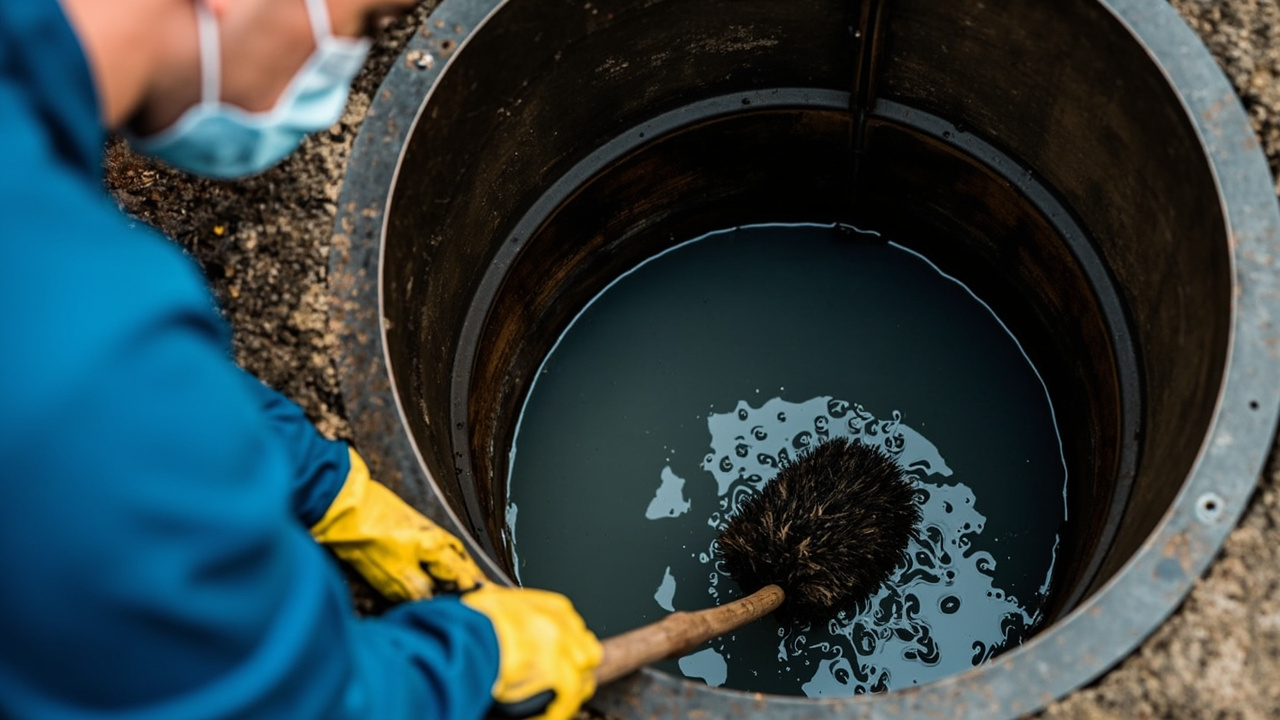
Use a stiff-bristled brush and warm water to scrub every inch of the basin’s interior. Pay special attention to corners where sediment settles. If iron ochre has crusted inside the pit, scrub harder. Some deposits require a plastic scraper to dislodge. Iron ochre feels like dried mud and often has a rust or orange tint.
- Rinse and Dry the Basin
Rinse the entire basin with clean water. Use a wet vacuum to remove all rinse water. A damp basin is acceptable. Bone dry is ideal. Water remaining in corners will recontaminate your basin within weeks.
- Disinfect With Approved Solutions
Once the basin is clean and rinsed, spray the interior with an EPA-approved disinfectant. Household bleach diluted 1 part bleach to 10 parts water works. Let it sit for 10 minutes. Household vinegar does not kill mold spores effectively and is not recommended for serious contamination. If you see black mold patches, call a water damage restoration professional. Mold in a sump pit indicates deeper basement moisture issues.
- Inspect and Test the Check Valve
Locate the check valve in your discharge line. This one-way valve sits where the pump connects to the pipe that carries water away from your foundation. Remove it by unbolting or unthreading the union fitting. Hold it up to a light. If you cannot see through the valve’s opening, sediment or mineral deposits block it. Soak it in vinegar for 2 hours, then scrub with a soft brush. Test it by blowing air through it. Air should move in one direction only. Reverse direction should feel blocked.
- Test the Float Switch
The float switch looks like a small bulb or rod that rises and falls with water level. Manually lift it up and down. You should hear or feel a clicking sound. That click is the switch turning on and off. If you hear no click, the switch failed. It needs replacement. A dead float switch is one of the top reasons pumps fail to activate during heavy rain.
- Inspect the Discharge Line for Clogs
Chicago winters freeze discharge lines. If your line runs outside the basement, it likely froze at least once this season. Disconnect the discharge pipe from the pump. Look inside the pipe opening. Is there ice, sludge, or mineral buildup. If the line is clogged, water has nowhere to go even if the pump works. Use a plumbing snake or a wet vacuum to clear the line. Make sure the exterior portion of the discharge line has a downward slope and drains at least 10 feet from your foundation.
- Reassemble and Test
Reinstall the pump, reattach all discharge lines, bolt down the check valve, and restore power at the breaker. Fill a bucket with water and pour it into the basin. The pump should activate within 30 seconds. Listen for the discharge line to flow. The pump should shut off when water drains below the float switch threshold. If it does not activate or does not shut off, stop and contact a professional.
Removing Iron Ochre and Iron Bacteria Buildup
Iron ochre is the rust-colored or dark orange sludge that coats basins in Chicago homes. It forms when iron in groundwater oxidizes. Iron bacteria accelerate the process. Removing it requires more than a simple wash.
If your basin has thick iron ochre deposits, soak the affected areas with a solution of one part white vinegar to one part water. Let it sit for 4 to 6 hours. The acid loosens mineral bonds. Scrub vigorously with a stiff brush. Some deposits will not budge. You may need to repeat the soak and scrub cycle two or three times.
For severe iron ochre buildup, use a commercial iron bacteria treatment product. These products contain chelating agents that dissolve iron deposits better than vinegar alone. Follow the product label exactly. Rinse thoroughly after treatment.
If your sump pump smells like rotten eggs despite cleaning, iron bacteria are still present. Professional water damage restoration crews use UV light and enzyme-based treatments that penetrate deeper than surface scrubbing. If the smell returns within a week of your cleaning, call a specialist.
Chicago Seasonal Maintenance Timeline
Your cleaning schedule must match Chicago’s climate. One cleaning per year is not enough.
| Season | Primary Task | Why It Matters |
| January through February | Check discharge line. Break ice. Test pump activation. | Polar Vortex events freeze discharge pipes solid. If water cannot exit, the pump fails. Test by running water into the basin and listening for discharge flow outside. |
| March through May | Deep clean basin. Remove winter sediment. Clear intake screen. | Spring snow melt and heavy rain overwhelm basins. Sediment accumulated all winter now enters the basin rapidly. Clean before peak season hits. |
| June through August | Monitor basin water level. Check for odors. | High humidity accelerates mold growth in damp basins. Even in summer, if water sits in the pit, mold colonizes. A sulfur smell signals urgent cleaning. |
| September through October | Clean basin again. Test float switch responsiveness. | Fall rain increases basin fill rates. Summer mold spores settle as sludge. Clean before winter dormancy prevents spring surprises. |
| November through December | Inspect discharge line path. Remove leaves and debris from basin cover. | Prepare for winter freeze. A clogged discharge line freezes faster than a clear one. Ice dams form here first. Clear debris before cold arrives. |
Safety Gear You Need Before Starting
Sump basins contain contaminated water. Wear these items before entering the work area.
- Nitrile gloves, heavy duty. Two pairs. If one tears, the second protects you.
- N95 respiratory mask. Mold spores and hydrogen sulfide gas are airborne. A simple dust mask does not filter them. A powered air-purifying respirator (PAPR) is better if the smell is strong.
- Safety glasses. Splashing contaminated water in your eyes causes infections.
- Long sleeves and long pants. Bacteria in sump water can enter through skin cuts.
- Closed-toe shoes with non-slip soles. Basin edges are slippery. Falls into contaminated water can spread infection to your entire body.
- A shop towel or rags for cleanup.
When Professional Basin Cleaning Becomes Necessary
Some basins need more than DIY scrubbing. Call a Chicago water damage restoration professional if any of these conditions exist.
Black mold visible on basin walls or pump housing. Black mold means the pit is supporting active fungal colonies. Bleach kills the surface. It does not kill deep spore clusters. Professional crews use HEPA filtration and antimicrobial treatments that reach inside pump housings and crevices.
Strong sulfur smell that returns within days after cleaning. This indicates iron bacteria colonization deep in the soil surrounding the basin. Surface cleaning will not stop the bacteria from migrating back into the pit. A restoration specialist tests the surrounding soil and recommends basin modifications or replacement.
Pump failure to activate despite a clean basin and new float switch. The pump itself may be failing. The electrical connection may be corroded. The breaker may be tripping due to a ground fault. A professional tests all components and identifies the root cause.
Persistent basement dampness or flooding despite a clean basin. The sump system may be undersized for your home. The basin may have structural cracks allowing water to escape instead of flowing up and out. Soil around the foundation may require regrading. Professional assessment identifies whether basin cleaning alone will solve your problem or whether additional waterproofing is needed.
Discharge line issues you cannot resolve. If your discharge line is buried under concrete, frozen solid inside walls, or connected to the municipal sewer system incorrectly, you cannot fix it yourself. Many Chicago homes built before 1980 have discharge lines that connect to sump basins that once emptied into the street or combined sewer. Current Chicago Building Code prohibits this. A professional can advise on legal discharge solutions.
Preventing Future Basin Problems in McKinley Park and Bridgeport
Prevention is cheaper than emergency response. These steps keep your basin cleaner longer.
Install a basin cover or grate. A cover prevents surface water, leaves, insects, and pet hair from falling into the pit. It does not eliminate sediment from groundwater, but it reduces organic matter that feeds mold. A grate allows water to enter while blocking debris.
Add a sediment filter to the pump intake. These attachments trap particles before they reach the pump impeller. Replace filters every 3 months during heavy rain season. A filter costs 40 to 80 dollars and saves your pump from premature failure.
Extend your discharge line away from the foundation. Water should travel at least 10 feet horizontally and downhill before it settles. This prevents water from re-infiltrating your foundation soil and refilling the basin immediately.
Keep gutters clean. Clogged gutters send water down the foundation wall in concentrated streams. This increases groundwater infiltration. Clean gutters reduce basin fill rates by 20 to 40 percent.
Grade soil around your home away from the foundation. Slope the ground 6 inches over 10 feet. This prevents standing water near basement walls and reduces hydrostatic pressure on your foundation.
Consider a backup pump system. A second sump pump wired to a battery backup powers on if the primary pump fails or the electric goes out. Chicago’s power grid strains during spring storms. Backup pumps activate when your home loses power.
How Often Should You Clean Your Basin
| Condition | Cleaning Frequency | Notes |
| New sump system, no visible sediment, no odor | Once per year in spring | Baseline maintenance for homes in good drainage condition. McKinley Park homes with recent waterproofing start here. |
| Visible sediment, slight odor, heavy spring rains expected | Every 3 to 4 months | Seasonal basins in Bridgeport typically need spring and fall cleaning. Water tables rise in March and April. |
| Strong odor, iron ochre deposits, frequent pump activation | Every 6 to 8 weeks | High iron bacteria load or poor drainage design. Professional assessment should determine if basin modification or replacement is needed. |
| Persistent mold, backup flooding, basement humidity above 60% | Monthly plus professional evaluation | These indicate the sump system alone cannot handle groundwater volume. Additional waterproofing or pump upgrades required. |
Frequently Asked Questions
Can I use a shop vacuum to pump out my sump basin?
Yes. A wet vacuum works well for removing standing water. Do not use it to grind up sediment. A standard shop vac is designed to move water, not process solids. Empty the vac immediately after pumping so sediment does not dry and harden inside the tank.
Is it safe to clean a sump basin if I have a septic system?
Sump basins and septic systems are separate. Water from your sump basin should never enter your septic tank. If you suspect your discharge line connects to your septic system, stop. Contact a licensed plumber. This violates code and damages your septic system.
What if my discharge line is frozen and I cannot clear it?
Do not pour hot water down the line. This can crack PVC pipe. Instead, turn off the sump pump and have your basin cleaned by a professional. During winter, a professional can recommend insulation solutions or check valve modifications to prevent future freezing. Many Bridgeport and McKinley Park homeowners install discharge line insulation sleeves before winter.
How do I know if my basin is cracked?
Look for water seeping from the basin walls when water is in the pit. Visible cracks in concrete or plastic are also signs. A cracked basin leaks water into surrounding soil instead of pumping it out. This wastes pump energy and keeps the basement damp. Cracks require basin replacement or professional sealing.
Should I put anything in my sump basin to prevent odors?
Do not put bleach, fragrances, or additives in your basin expecting them to help. They mask odors but do not eliminate the bacteria causing them. The only effective treatment is clean water, proper drainage, and a sump basin cover that limits organic matter from entering the pit. Once odors persist despite cleanliness, professional assessment is needed.
Can I combine my sump pump discharge with my gutter downspout?
No. Gutter water is cleaner, but combining discharge lines creates a heavy flow in one location. This causes erosion near your foundation and can lead to water pooling in the yard. Each discharge line should be separate and travel a different path away from your home.
The Bottom Line on Sump Basin Care
A clean sump basin is your foundation’s best defense against Chicago’s aggressive groundwater. The Blue Clay beneath McKinley Park, Bridgeport, and Canaryville forces water under pressure against your walls. Without a functioning sump system, basements flood.
Sediment, iron ochre, and bacterial growth disable pumps silently. You do not know your system failed until water starts rising. A regular cleaning schedule prevents this. Seasonal variations matter. Spring requires more attention than summer. Winter discharge line maintenance prevents freeze-related failures.
If you clean your basin and problems return within weeks, the issue is not maintenance. It is system design, soil conditions, or foundation structural problems. A professional assessment of mold remediation standards and sump system design can identify what your basement needs.
Do not wait for a flood to pay attention to your sump pump. Schedule a basin cleaning now if you have not done one in more than 6 months. If you smell sulfur, see sediment, or notice your pump running constantly, your basin needs cleaning today. Do not put it off until spring rain arrives.
Contact Cornerstone Water Damage Restoration today for a free sump basin inspection and cleaning estimate. We serve McKinley Park, Bridgeport, Canaryville, and all Chicago neighborhoods. Our 24/7 emergency team can respond to pump failures, flooding, and basin issues at any hour. Call or email us now to schedule your appointment and protect your basement before the next heavy rain.
{
“@context”: “https://schema.org”,
“@type”: “BlogPosting”,
“headline”: “Professional Sump Pump Basin Cleaning in Chicago: The Complete Maintenance Guide”,
“description”: “Deep clean your sump pump basin in Chicago. Step-by-step guide for McKinley Park and Bridgeport homeowners dealing with sediment and iron bacteria.”,
“wordCount”: 2962,
“datePublished”: “2026-04-25T06:13:00.000Z”,
“dateModified”: “2026-04-25T06:13:00.000Z”,
“inLanguage”: “en-US”,
“mainEntityOfPage”: {
“@type”: “WebPage”,
“@id”: “https://cornerstonewaterdamagerestorationchicago.com”
},
“publisher”: {
“@type”: “LocalBusiness”,
“name”: “Cornerstone Water Damage Restoration Chicago”,
“url”: “https://cornerstonewaterdamagerestorationchicago.com”
},
“author”: {
“@type”: “Organization”,
“name”: “Cornerstone Water Damage Restoration Chicago”,
“url”: “https://cornerstonewaterdamagerestorationchicago.com”
},
“image”: {
“@type”: “ImageObject”,
“url”: “https://cornerstonewaterdamagerestorationchicago.com/wp-content/uploads/2026/03/cleaning-up-after-a-sump-pump-basin-overflows-in-m-1.jpg”
}
}
{
“@context”: “https://schema.org”,
“@type”: “LocalBusiness”,
“name”: “Cornerstone Water Damage Restoration Chicago”,
“url”: “https://cornerstonewaterdamagerestorationchicago.com”,
“address”: {
“@type”: “PostalAddress”,
“addressLocality”: “Chicago”
},
“areaServed”: {
“@type”: “City”,
“name”: “Chicago”
}
}
{
“@context”: “https://schema.org”,
“@type”: “FAQPage”,
“mainEntity”: [
{
“@type”: “Question”,
“name”: “Can I use a shop vacuum to pump out my sump basin?”,
“acceptedAnswer”: {
“@type”: “Answer”,
“text”: “Yes. A wet vacuum works well for removing standing water. Do not use it to grind up sediment. A standard shop vac is designed to move water, not process solids. Empty the vac immediately after pumping so sediment does not dry and harden inside the tank.”
}
},
{
“@type”: “Question”,
“name”: “Is it safe to clean a sump basin if I have a septic system?”,
“acceptedAnswer”: {
“@type”: “Answer”,
“text”: “Sump basins and septic systems are separate. Water from your sump basin should never enter your septic tank. If you suspect your discharge line connects to your septic system, stop. Contact a licensed plumber. This violates code and damages your septic system.”
}
},
{
“@type”: “Question”,
“name”: “What if my discharge line is frozen and I cannot clear it?”,
“acceptedAnswer”: {
“@type”: “Answer”,
“text”: “Do not pour hot water down the line. This can crack PVC pipe. Instead, turn off the sump pump and have your basin cleaned by a professional. During winter, a professional can recommend insulation solutions or check valve modifications to prevent future freezing. Many Bridgeport and McKinley Park homeowners install discharge line insulation sleeves before winter.”
}
},
{
“@type”: “Question”,
“name”: “How do I know if my basin is cracked?”,
“acceptedAnswer”: {
“@type”: “Answer”,
“text”: “Look for water seeping from the basin walls when water is in the pit. Visible cracks in concrete or plastic are also signs. A cracked basin leaks water into surrounding soil instead of pumping it out. This wastes pump energy and keeps the basement damp. Cracks require basin replacement or professional sealing.”
}
},
{
“@type”: “Question”,
“name”: “Should I put anything in my sump basin to prevent odors?”,
“acceptedAnswer”: {
“@type”: “Answer”,
“text”: “Do not put bleach, fragrances, or additives in your basin expecting them to help. They mask odors but do not eliminate the bacteria causing them. The only effective treatment is clean water, proper drainage, and a sump basin cover that limits organic matter from entering the pit. Once odors persist despite cleanliness, professional assessment is needed.”
}
},
{
“@type”: “Question”,
“name”: “Can I combine my sump pump discharge with my gutter downspout?”,
“acceptedAnswer”: {
“@type”: “Answer”,
“text”: “No. Gutter water is cleaner, but combining discharge lines creates a heavy flow in one location. This causes erosion near your foundation and can lead to water pooling in the yard. Each discharge line should be separate and travel a different path away from your home.”
}
}
]
}
{
“@context”: “https://schema.org”,
“@type”: “HowTo”,
“name”: “How to Clean Your Sump Pump Basin”,
“step”: [
{
“@type”: “HowToStep”,
“position”: 1,
“name”: “Shut Off Power at the Breaker”,
“text”: “Locate the breaker that powers your sump pump. Switch it off. Sump pumps run on 110 or 240 volts. Water and electricity are a fatal combination. Do not skip this step under any circumstance. If the pump suddenly powers on while you are working inside the pit, you risk electrocution.”
},
{
“@type”: “HowToStep”,
“position”: 2,
“name”: “Pump Out Standing Water”,
“text”: “Use a wet vacuum or a submersible pump to remove all standing water from the basin. Transfer it to a floor drain or outside, away from your foundation. Do not drain it directly onto a neighbor’s property. Standing water in the pit prevents you from seeing sediment and makes cleaning ineffective.”
},
{
“@type”: “HowToStep”,
“position”: 3,
“name”: “Remove the Pump and Check the Intake Screen”,
“text”: “Lift the pump out of the basin. If it is bolted down, unbolt it first. Inspect the intake screen or valve at the pump’s bottom. If sediment wraps around it or mineral crusts block it, soak the pump head in clean water for 30 minutes. Use a soft brush to scrub away deposits. Do not use a wire brush. You can scratch the pump’s internal components.”
},
{
“@type”: “HowToStep”,
“position”: 4,
“name”: “Scrub the Basin Walls and Bottom”,
“text”: “Use a stiff-bristled brush and warm water to scrub every inch of the basin’s interior. Pay special attention to corners where sediment settles. If iron ochre has crusted inside the pit, scrub harder. Some deposits require a plastic scraper to dislodge. Iron ochre feels like dried mud and often has a rust or orange tint.”
},
{
“@type”: “HowToStep”,
“position”: 5,
“name”: “Rinse and Dry the Basin”,
“text”: “Rinse the entire basin with clean water. Use a wet vacuum to remove all rinse water. A damp basin is acceptable. Bone dry is ideal. Water remaining in corners will recontaminate your basin within weeks.”
},
{
“@type”: “HowToStep”,
“position”: 6,
“name”: “Disinfect With Approved Solutions”,
“text”: “Once the basin is clean and rinsed, spray the interior with an EPA-approved disinfectant. Household bleach diluted 1 part bleach to 10 parts water works. Let it sit for 10 minutes. Household vinegar does not kill mold spores effectively and is not recommended for serious contamination. If you see black mold patches, call a water damage restoration professional. Mold in a sump pit indicates deeper basement moisture issues.”
},
{
“@type”: “HowToStep”,
“position”: 7,
“name”: “Inspect and Test the Check Valve”,
“text”: “Locate the check valve in your discharge line. This one-way valve sits where the pump connects to the pipe that carries water away from your foundation. Remove it by unbolting or unthreading the union fitting. Hold it up to a light. If you cannot see through the valve’s opening, sediment or mineral deposits block it. Soak it in vinegar for 2 hours, then scrub with a soft brush. Test it by blowing air through it. Air should move in one direction only. Reverse direction should feel blocked.”
},
{
“@type”: “HowToStep”,
“position”: 8,
“name”: “Test the Float Switch”,
“text”: “The float switch looks like a small bulb or rod that rises and falls with water level. Manually lift it up and down. You should hear or feel a clicking sound. That click is the switch turning on and off. If you hear no click, the switch failed. It needs replacement. A dead float switch is one of the top reasons pumps fail to activate during heavy rain.”
},
{
“@type”: “HowToStep”,
“position”: 9,
“name”: “Inspect the Discharge Line for Clogs”,
“text”: “Chicago winters freeze discharge lines. If your line runs outside the basement, it likely froze at least once this season. Disconnect the discharge pipe from the pump. Look inside the pipe opening. Is there ice, sludge, or mineral buildup. If the line is clogged, water has nowhere to go even if the pump works. Use a plumbing snake or a wet vacuum to clear the line. Make sure the exterior portion of the discharge line has a downward slope and drains at least 10 feet from your foundation.”
},
{
“@type”: “HowToStep”,
“position”: 10,
“name”: “Reassemble and Test”,
“text”: “Reinstall the pump, reattach all discharge lines, bolt down the check valve, and restore power at the breaker. Fill a bucket with water and pour it into the basin. The pump should activate within 30 seconds. Listen for the discharge line to flow. The pump should shut off when water drains below the float switch threshold. If it does not activate or does not shut off, stop and contact a professional.”
}
],
“image”: “https://cornerstonewaterdamagerestorationchicago.com/wp-content/uploads/2026/03/cleaning-up-after-a-sump-pump-basin-overflows-in-m-1.jpg”
}
{
“@context”: “https://schema.org”,
“@type”: “BreadcrumbList”,
“itemListElement”: [
{
“@type”: “ListItem”,
“position”: 1,
“name”: “Home”,
“item”: “https://cornerstonewaterdamagerestorationchicago.com”
},
{
“@type”: “ListItem”,
“position”: 2,
“name”: “Blog”,
“item”: “https://cornerstonewaterdamagerestorationchicago.com/blog”
},
{
“@type”: “ListItem”,
“position”: 3,
“name”: “Professional Sump Pump Basin Cleaning in Chicago: The Complete Maintenance Guide”
}
]
}
{
“@context”: “https://schema.org”,
“@type”: “Service”,
“serviceType”: “Water Damage Restoration”,
“provider”: {
“@type”: “LocalBusiness”,
“name”: “Cornerstone Water Damage Restoration Chicago”,
“url”: “https://cornerstonewaterdamagerestorationchicago.com”
},
“areaServed”: {
“@type”: “City”,
“name”: “Chicago”
},
“description”: “Deep clean your sump pump basin in Chicago. Step-by-step guide for McKinley Park and Bridgeport homeowners dealing with sediment and iron bacteria.”
}