
Water Damage on Plaster Walls A Chicago Homeowner’s Guide to Repair and Restoration
Your decision in the first 24 hours after discovering water on plaster walls determines whether your walls survive with repair or require complete removal. When water saturates the plaster walls of your Chicago home, you face a problem fundamentally different from drywall damage. Plaster absorbs moisture like a sponge and holds it deep within the wooden lath structure behind the finish coat. The heavy clay-rich soil under Chicago homes, combined with freeze-thaw winters and spring flooding patterns, makes plaster damage one of the most serious threats to historic property integrity in the region. This guide walks you through the signs of structural danger, the science of how plaster fails, and what professional restoration looks like in Chicago’s climate.
Contact a professional plaster restoration specialist within 24 hours of discovering water on your walls. This is the single most important decision you can make.
Why Plaster Walls Respond Differently to Water Than Drywall
Plaster and drywall might look similar on the surface, but they respond completely differently when wet. Workers apply plaster, a dense mineral compound, over wooden lath strips. When water enters, it penetrates through tiny pores in the plaster and soaks into the wood underneath.
Drywall contains gypsum sandwiched between paper. It absorbs water quickly but releases it faster during drying. Plaster dries slowly and holds moisture for weeks or even months. This prolonged moisture exposure creates ideal conditions for mold growth and structural deterioration.
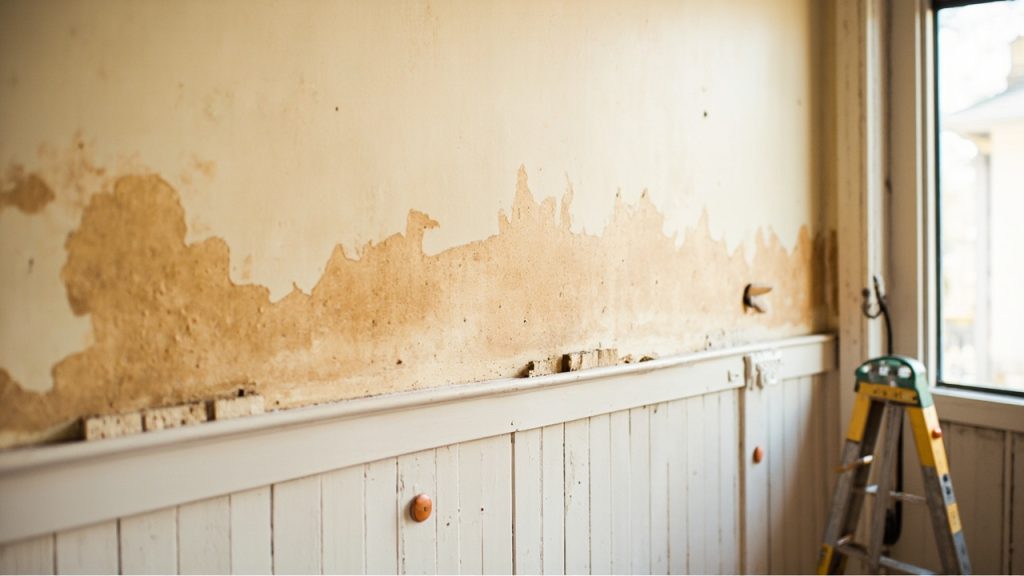
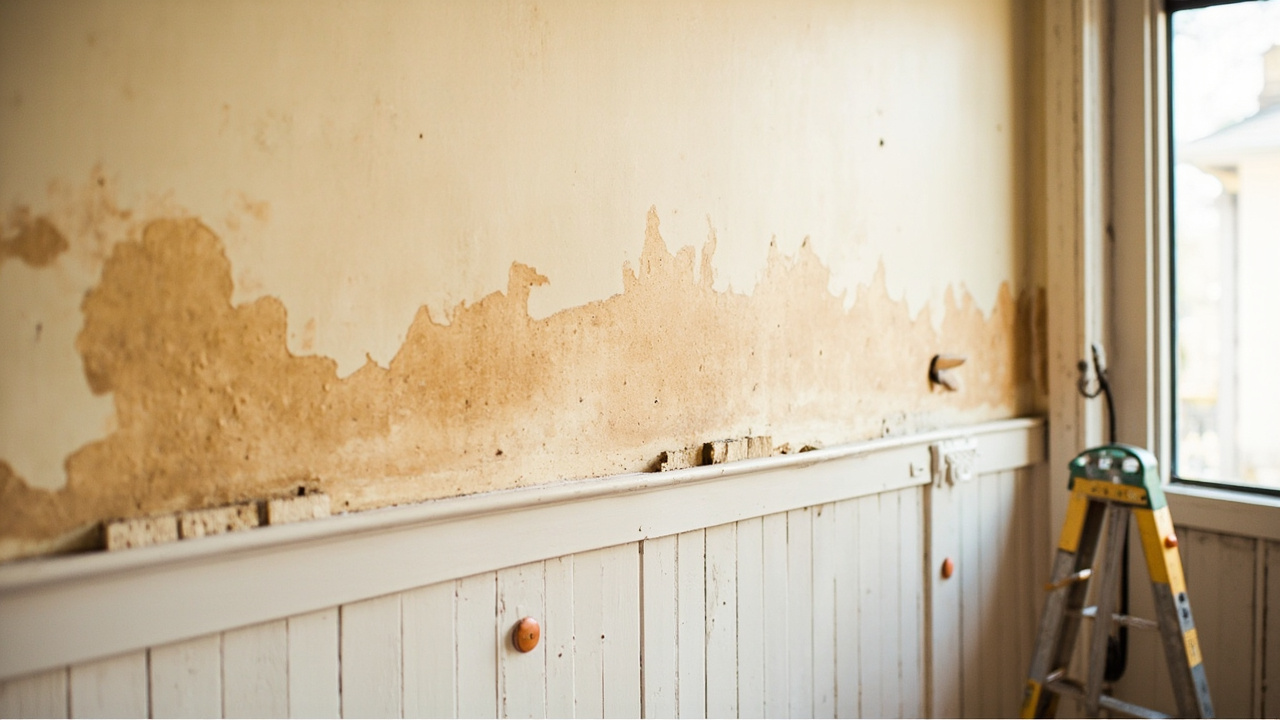
The wooden lath behind the plaster becomes the weak point. As the wood absorbs water, it swells and softens. The plaster loses its bond to the lath. The paint bubbles and cracks. Brown stains spread across the surface. If moisture remains trapped long enough, the entire plaster section delamates and collapses under its own weight.
Identifying Water Damage Signs in Plaster Before Structural Failure
Not every wet spot on a plaster wall signals emergency. Understanding the difference between surface moisture and structural damage saves you thousands in unnecessary removal.
Early warning signs that indicate active moisture
- Brown water stains that expand over days, not weeks. These stains show the moisture is still moving through the plaster.
- Efflorescence, a white powdery coating on the plaster surface. Salt deposits form when water evaporates, leaving mineral residue behind. Efflorescence means moisture is traveling through the plaster actively.
- Soft or spongy spots when you press the plaster with your finger. Sound plaster feels hard and solid. Water-logged plaster yields to pressure.
- Musty odors near the wall, even if the surface appears dry. Mold grows on the wood lath before it becomes visible on the plaster finish.
- Paint bubbling or peeling in patterns that follow the water’s path upward. Plaster paint loses adhesion when moisture breaks the bond between layers.
Critical danger signs requiring immediate professional assessment
- Cracks spreading from a central point, especially on ceilings. Plaster ceiling weight increases 15 to 25 percent when saturated. Pancaking, or sudden ceiling collapse, happens without warning when load exceeds the lath capacity.
- Visible delamination where the plaster surface separates from the lath. You see the brown paper or wood lath showing through.
- Water still dripping or seeping from the wall 12 hours after the source stopped. Standing water inside the plaster indicates the lath is saturated.
- Mold visible as black, green, or orange spots in any pattern. Once mold establishes, it spreads rapidly inside the wall cavity where you cannot see it.
Why Chicago’s Climate Accelerates Plaster Damage
Chicago homeowners face seasonal water threats that intensify plaster vulnerability. Our winters create burst pipes when temperatures drop below freezing for extended periods. Polar vortex events strike every few years and freeze pipes in uninsulated walls or attics within hours, causing catastrophic ruptures.
Lakefront neighborhoods
Spring brings heavy rain that overwhelms aging sump pumps, especially in neighborhoods like Lincoln Park and Lakeview where historic bungalows have undersized drainage systems. The high water table near Lake Michigan means groundwater rises during wet seasons, pushing water through basement walls and foundation cracks. These lakefront properties experience significantly more groundwater pressure than west-side homes because of their proximity to the lake.
West-side neighborhoods
West-side neighborhoods like West Lawn, Englewood, and Back of the Yards experience similar challenges from aging infrastructure and heavy spring rainfall, but without the constant groundwater pressure that affects lakefront properties. Homes in these areas more often face water damage from sump pump failures and roof leaks rather than rising water tables.
Chicago’s humidity and soil composition
Summer humidity levels in Chicago reach 70 to 80 percent regularly. Plaster that was partially dried from spring floods cannot fully dry in this humid environment. Moisture remains trapped in the wood lath, creating perfect conditions for mold colonies that spread through the cavity behind the plaster.
Chicago Blue Clay, the dense soil composition under most older homes, creates hydrostatic pressure against basement walls. This constant pushing force drives moisture through concrete and into plaster above-grade if cracks exist in the foundation.
The Mold Risk Behind Your Plaster Walls
Mold rarely appears on the plaster surface first. Mold grows on the wood lath in the dark, humid cavity behind the finish coat. By the time you see mold on the plaster, colonies have been establishing for weeks inside the wall space.
Wood lath provides ideal mold substrate. It absorbs water, contains cellulose that mold feeds on, and sits in a dark, undisturbed environment where spores find protection. Mold starts growing when moisture content in the lath exceeds 20 percent, a level reached within days of water exposure.
Once mold colonizes the lath, it releases spores into your home’s air. These spores trigger allergic reactions, asthma attacks, and respiratory infections, especially in children and elderly residents. Mold produces mycotoxins that accumulate in the lungs with prolonged exposure.
Professional restoration addresses the mold source by drying the lath completely, not just the plaster surface. Surface cleaning without structural drying leaves mold alive in the wood, where it continues spreading.
Real example from Chicago practice
A 1920s bungalow in West Lawn experienced burst pipes in January 2026. Water flooded the second-floor bathroom and seeped into adjacent plaster walls. The homeowner discovered the leak within two hours but waited four days before calling a restoration team, hoping the damage would dry on its own. By the time professionals arrived, moisture meters showed 40 percent water content in the plaster and 35 percent in the lath. Without immediate professional drying within those first 24 hours, mold colonized the lath cavity behind the walls within one week. The team eventually needed to remove and replace all affected plaster sections because the mold had spread too extensively for salvage.
Professional Restoration Process for Saturated Plaster
The restoration sequence determines whether your walls survive with repair or require removal. Professionals follow a structured protocol to assess, dry, and restore plaster safely.
Assessment and moisture mapping
The restoration team begins with infrared thermography and moisture meters. Infrared cameras show temperature differences in the wall that indicate moisture location and extent. Moisture meters measure water content in the plaster and wood lath at multiple depths. This data reveals whether moisture is confined to the surface or penetrated deep into the lath structure.
The team documents affected areas with photos and measurements. This documentation becomes critical for insurance claims, especially in Chicago where building code compliance affects coverage decisions.
Source removal and structural drying
The water source must stop before drying begins. Burst pipes get capped or repaired. Foundation cracks get sealed. Roof leaks get patched. Without source control, drying efforts fail because new moisture continues entering the wall.
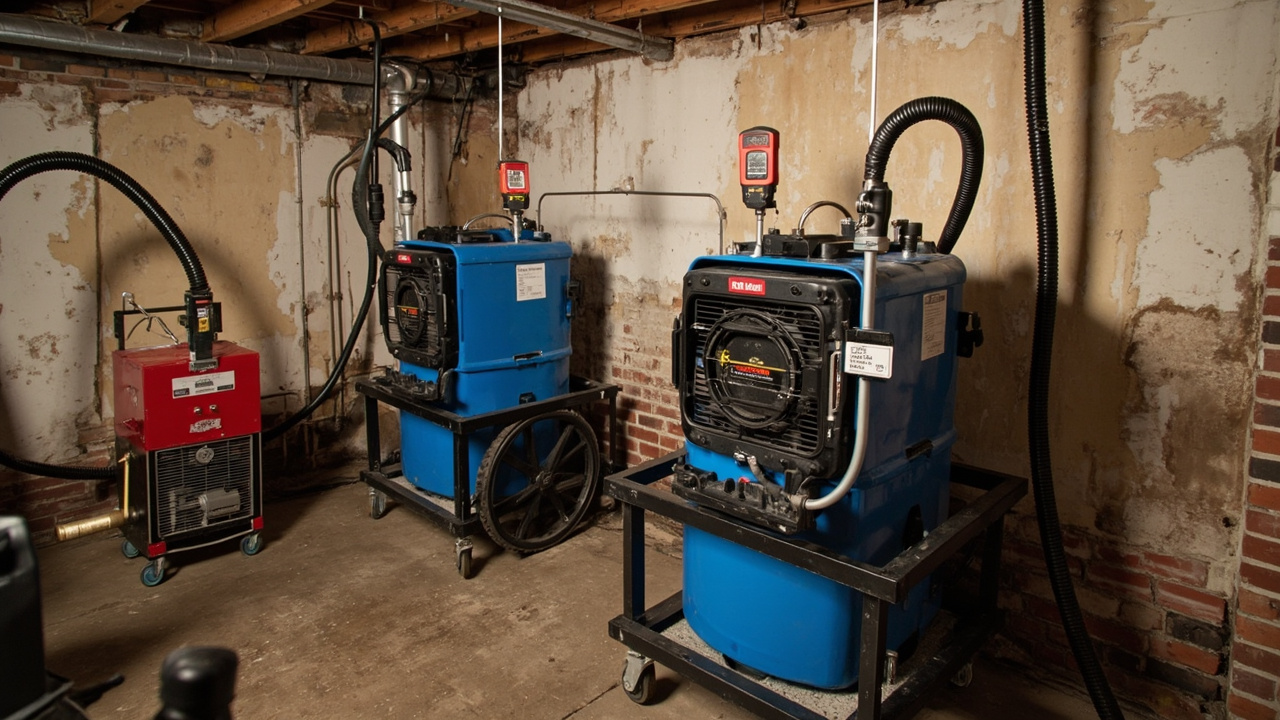
Professional drying equipment removes moisture from plaster and wood lath simultaneously. Large-capacity dehumidifiers and high-velocity air movers circulate air across the plaster surface and into the cavity behind it. This creates a moisture gradient that pulls water from deep in the lath toward the surface where it evaporates.
Drying timelines for plaster in Chicago typically range from three to five days for surface saturation and seven to ten days for deep lath saturation. This extended drying is longer than drywall because plaster density slows evaporation. Rushing the process leaves moisture trapped inside the wall, where mold establishes immediately after work stops.
The save versus tear-out decision
After full assessment, professionals recommend either drying and repair or removal. The decision depends on moisture depth, structural integrity, and economic factors.
Plaster repair makes sense when moisture does not penetrate beyond one-third of the plaster thickness and the lath remains solid when tested. After proper drying, the team applies moisture-sensitive primer, addresses any mold with professional-grade antimicrobial treatment, and repaints the wall. Repaired plaster can last decades when the moisture source is eliminated.
Plaster removal becomes necessary when moisture has saturated the lath completely, delamination is extensive, or mold has spread through the wood cavity. The team removes plaster and lath down to the brick or stone structure underneath, treats any visible mold with professional remediation protocols, and allows the structure to dry completely before new wallboard installation.
Common Water Damage Causes in Chicago Historic Homes
Burst pipes from winter freezes
Chicago’s polar vortex events cause water pipes to freeze solid within hours when outdoor temperatures plunge below zero. Uninsulated pipes in exterior walls, attics, or crawl spaces freeze first. As water expands when it freezes, pressure builds inside the pipe until the metal ruptures. Water then floods into walls, ceilings, and adjacent plaster surfaces. These events occur most frequently in January and February, with peak incidents during the first week of extreme cold.
Sump pump failure during spring storms
Spring brings the heaviest rainfall to Chicago. Neighborhoods in Lincoln Park and Lakeview experience basement flooding when sump pumps fail to keep up with groundwater volume. Power outages during storms disable electric pumps, allowing water to rise through foundation cracks and into basement walls. The plaster on basement walls absorbs this water before residents realize flooding occurred.
Roof and gutter failures
Clogged gutters prevent water from draining away from the roof edge. Snow and ice dams block drainage, causing water to back up under the roof decking and leak into attics. Water then travels down interior walls, soaking through the plaster in upper floors and attics before reaching basement levels.
Foundation cracks and hydrostatic pressure
Chicago Blue Clay beneath homes becomes saturated during wet seasons. The heavy, dense soil creates outward pressure against foundation walls. Cracks in foundations allow water to seep through basement walls and into the plaster finish. This seepage continues for weeks after rain stops because groundwater takes time to recede.
Condensation in humid summers
Plaster walls in unconditioned basement spaces collect condensation when outdoor humidity exceeds 70 percent. Water droplets form on the cool plaster surface, then travel downward into the material. This moisture combines with inadequate ventilation to create the ideal environment for mold growth.
Insurance Coverage for Plaster Water Damage in Chicago
Most standard homeowners insurance policies in Illinois cover sudden water damage from burst pipes but exclude gradual seepage and flood damage. Understanding your coverage prevents claim denials.
What insurance typically covers
Burst pipes that rupture suddenly and cause water damage to walls, ceilings, and contents are covered if the policy includes water damage coverage. Sudden roof leaks caused by storms or missing flashing are covered under most policies. Accidental discharge from appliances like dishwashers or washing machines is covered if the policy includes accidental water damage.
What insurance typically excludes
Flooding from rain, groundwater, or overflowing rivers is excluded unless you carry separate flood insurance. Gradual seepage from foundation cracks, poor drainage, or chronic dampness is excluded as a maintenance issue. Damage from lack of maintenance like clogged gutters or failed sump pumps is excluded. Mold remediation is excluded in most standard policies, though structural drying is covered when caused by a covered water loss.
Document all damage with photos and written descriptions before the adjuster arrives. Understanding Chicago water damage insurance claims helps you negotiate fairly with adjusters who often underprice restoration work.
Historical Plaster Restoration Complications in Chicago Homes
Chicago homes built before 1978 frequently contain lead paint in the plaster finish coat. Restoration work in these homes requires special protocols to contain lead dust and prevent exposure during removal.
EPA regulations require lead abatement contractors to obtain certification before disturbing lead paint. Improper removal spreads lead dust throughout the home, contaminating other rooms and creating health hazards. Professional restoration teams in Chicago understand these requirements and follow containment procedures that protect your family.
Asbestos appears in some plaster products manufactured before 1980. Asbestos-containing plaster was common in Chicago’s oldest buildings. Disturbing asbestos releases fibers into the air that cause mesothelioma and lung cancer decades later. Any plaster removal in homes built before 1980 requires asbestos testing before work begins.
Chicago building code requires documentation of lead and asbestos abatement work. Restoration teams must maintain records and provide certificates of completion. These records become critical when selling the property, as disclosure requirements apply in Illinois.
Comparing Plaster Drying Timelines and Methods
| Moisture Depth in Plaster, Drying Method, Timeline in Chicago Climate, Mold Prevention Rate |
|---|
| Surface saturation only. Dehumidifiers and air movers. 2 to 3 days. 98 percent with professional drying. |
| Moderate lath penetration. Cavity drying plus dehumidification. 5 to 7 days. 92 percent with proper extraction protocols. |
| Complete lath saturation. Professional cavity extraction plus drying. 10 to 14 days. 85 percent with extended monitoring. |
| Mold established in cavity. Removal and remediation. Structural integrity compromised. Removal required to prevent spread. |
Chicago’s humidity levels extend drying times by 20 to 30 percent compared to drier climates. The standard drying formula used in other regions does not apply here. Professional teams adjust equipment duration and intensity based on local weather patterns and moisture meter readings throughout the drying process.
Step-by-Step Professional Assessment Process
- Visual inspection of affected areas
The technician photographs all visible damage and notes the water level marks on walls and ceilings. These marks indicate how high water rose and where saturation is most likely deepest.
- Moisture meter testing at multiple depths
Readings are taken at the surface of the plaster, mid-depth, and at the lath interface. Meters show moisture content as a percentage. Readings above 25 percent indicate active moisture that requires professional drying.
- Infrared thermography scanning
The thermal camera reveals temperature differences where moisture is present. Wet areas appear as cold zones because evaporating water cools the material. This image shows moisture location even when not visible to the eye.
- Structural tapping and observation
The technician taps the plaster with a tool to hear if the lath remains bonded. Hollow sounds indicate delamination where the plaster has separated from the wood. Solid sounds mean the bond remains intact.
- Documentation with measurements and photos
All findings are recorded in detailed reports with measurements of affected areas. This documentation supports insurance claims and guides the restoration plan.
- Recommendation for repair or removal
Based on moisture depth, structural integrity, and economic factors, the team recommends either professional drying and repair or complete removal and replacement.
Restoration Equipment Used in Chicago Water Damage Work
| Equipment Type, Purpose in Plaster Drying, Duration of Use |
|---|
| LGR dehumidifiers. Remove moisture from air and plaster surface, each unit removes 170 to 270 pints of water per day. Continuous for 3 to 10 days. |
| High-velocity air movers. Create air circulation patterns that push moisture from deep plaster toward surface for evaporation. Continuous for 3 to 10 days. |
| Moisture meters. Measure water content in plaster and lath, readings above 25 percent indicate wet material. Daily throughout drying period. |
| Infrared cameras. Identify moisture location and track drying progress, show which areas remain wet when surface appears dry. Initial assessment and final verification. |
| Cavity drying systems. Extract water from inside walls and plaster cavities, essential for complete lath saturation. 3 to 7 days depending on saturation depth. |
Professional teams deploy this equipment strategically based on the extent of damage. Surface saturation requires fewer units and shorter duration. Deep lath saturation requires multiple dehumidifiers, cavity extraction, and extended operation to pull moisture from the wood.
What Happens If You Attempt DIY Drying
Opening windows and running fans might seem like simple solutions, but they often trap moisture inside plaster walls. Chicago humidity means outdoor air is often more humid than the air inside your home. When you open windows during humid seasons, you introduce additional moisture that slows drying.
Standard household fans do not move enough air volume to create the drying effect needed in plaster. Professional air movers move 4,000 to 7,000 cubic feet per minute. A typical household fan moves 800 to 1,500 cubic feet per minute. The difference means moisture remains trapped in the plaster for weeks while you believe drying is happening.
Without moisture meters, you cannot determine when plaster is dry enough to paint. Painting over wet plaster traps moisture inside permanently. The paint seal prevents any remaining water from evaporating, locking in moisture that supports mold growth for months.
Mold Detection and Remediation During Plaster Restoration
Professional teams identify mold before it becomes visible. Air quality testing samples the air inside affected walls and cavities. Laboratory analysis reveals mold spore counts and species present. Elevated counts indicate mold colonization that requires professional remediation.
Hidden signs of toxic mold in Chicago homes after water damage often appear weeks after the initial leak. The mold grows inside cavities where you cannot see it, releasing spores that accumulate in your home’s air.
Remediation includes applying professional-grade antimicrobial solutions to wood lath, ensuring complete drying before any encapsulation, and final verification testing to confirm mold elimination. This process costs more than standard drying but prevents the health consequences of living with mold-contaminated walls.
Real example from West Lawn restoration
A West Lawn home from the 1930s had condensation problems in the basement throughout the summer of 2026. By August, the homeowner noticed musty odors but did not call professionals until September when visible mold appeared on basement plaster walls. Air quality testing revealed mold spore counts 10 times higher than outdoor levels. The mold had colonized the lath cavity for at least six weeks before becoming visible. Complete removal and replacement of affected plaster sections became necessary because professional antimicrobial treatment could not reach mold that had already spread through the wood structure.
Chicago Building Code Requirements for Plaster Restoration
Chicago building code requires that water-damaged plaster meets structural standards before occupancy resumes. Restoration work must be completed by licensed contractors and inspected before the property is released for use.
Sub-soil drainage requirements apply to basements in Chicago. If water damage resulted from poor drainage, the restoration must include corrective measures that meet current code, not just the standard from when the home was built. This often means installing interior perimeter drains or exterior waterproofing systems.
Humidity levels must remain below 50 percent in finished spaces per city code. If the property has a history of moisture problems, the restoration plan must include dehumidification systems or mechanical ventilation to maintain code-compliant humidity levels permanently.
Timeline for Professional Plaster Restoration in Chicago
From the moment water stops to complete restoration typically takes 10 to 21 days depending on damage severity. The first 24 hours are critical. Moisture begins migrating deeper into plaster and lath immediately. Professional response within 24 hours prevents moisture from reaching the lath core, reducing drying time and mold risk significantly.
Days 2 through 5 focus on professional drying. Equipment runs continuously. Moisture meters show declining readings. The team monitors progress daily and adjusts equipment deployment based on real data, not assumptions.
Days 6 through 10 include removal of any saturated sections that cannot be salvaged, structural repairs, and final drying verification. Moisture content must reach 15 percent or below before repairs begin.
Days 11 through 21 involve primer application, patching, painting, and final inspections. Quality work takes time because rushing this phase results in mold breakthrough within months.
When to Call Professional Water Damage Restoration for Plaster Damage
Call professionals immediately if water is actively entering your home. Do not wait to see how much damage occurs. The first hours determine whether restoration is possible.
Call professionals if you discover water on plaster walls within 24 hours of the leak source stopping. This window gives you the best chance of saving the plaster through professional drying.
Call professionals if you notice musty odors, brown stains, or soft spots in plaster walls. These signs indicate moisture is present and mold risk is rising.
Call professionals before you paint or attempt repairs. Surface cleaning and painting without structural drying locks moisture inside, creating permanent problems that require wall removal.
Protecting Your Chicago Home From Future Plaster Water Damage
Winterization prevents burst pipes that destroy plaster walls during freeze events. Insulate exposed pipes in attics, crawl spaces, and exterior walls. Seal air leaks that allow cold air to reach pipes. Drain and shut off outdoor faucets in fall. These steps reduce burst pipe incidents by over 80 percent.
Maintain gutters and downspouts so water drains away from your foundation. Clogged gutters cause ice dams in winter and water overflow in spring. Both create roof leaks that damage plaster ceilings and upper walls.
Test sump pumps monthly and install battery backup systems so pumps operate during power outages. Spring flooding often coincides with storm-related power outages. Battery backup ensures groundwater stays out of basements during these critical periods.
Install a dehumidifier in basements to maintain humidity below 50 percent year-round. This single measure prevents mold growth and condensation damage on plaster walls during summer months.
Have the foundation inspected every five years for new cracks. Small cracks seal easily. Waiting allows water to penetrate deeper, reaching plaster walls and creating costly damage.
The Bottom Line on Plaster Wall Water Damage
Plaster walls in Chicago homes require different treatment than modern drywall. The combination of dense material, wooden lath backing, and Chicago’s freeze-thaw climate creates unique challenges that demand professional expertise.
Early detection and professional drying save plaster walls that would otherwise require removal. This preservation protects your home’s historic character and avoids the cost of complete wall reconstruction.
Attempting DIY fixes or hiring contractors unfamiliar with plaster restoration leads to hidden moisture, mold growth, and structural failure months after the initial incident.
Call a local plaster restoration specialist within 24 hours of discovering water on walls. The first day determines whether walls can be saved. Professional teams arrive equipped to assess your specific situation, deploy appropriate drying equipment, and document all findings for insurance purposes. Do not delay or attempt surface fixes that mask deeper moisture problems.
{
“@context”: “https://schema.org”,
“@type”: “BlogPosting”,
“headline”: “Water Damage on Plaster Walls A Chicago Homeowner’s Guide to Repair and Restoration”,
“description”: “Restore water-damaged plaster walls in Chicago homes. Learn professional drying methods, mold prevention, and when to call specialists within 24 hours.”,
“wordCount”: 3748,
“datePublished”: “2026-04-20T12:09:00.000Z”,
“dateModified”: “2026-04-20T12:09:00.000Z”,
“inLanguage”: “en-US”,
“mainEntityOfPage”: {
“@type”: “WebPage”,
“@id”: “https://cornerstonewaterdamagerestorationchicago.com”
},
“publisher”: {
“@type”: “LocalBusiness”,
“name”: “Cornerstone Water Damage Restoration Chicago”,
“url”: “https://cornerstonewaterdamagerestorationchicago.com”
},
“author”: {
“@type”: “Organization”,
“name”: “Cornerstone Water Damage Restoration Chicago”,
“url”: “https://cornerstonewaterdamagerestorationchicago.com”
},
“image”: {
“@type”: “ImageObject”,
“url”: “https://cornerstonewaterdamagerestorationchicago.com/wp-content/uploads/2026/03/restoring-water-damaged-plaster-walls-in-douglas-p-1.jpg”
}
}
{
“@context”: “https://schema.org”,
“@type”: “LocalBusiness”,
“name”: “Cornerstone Water Damage Restoration Chicago”,
“url”: “https://cornerstonewaterdamagerestorationchicago.com”,
“address”: {
“@type”: “PostalAddress”,
“addressLocality”: “Chicago”
},
“areaServed”: {
“@type”: “City”,
“name”: “Chicago”
}
}
{
“@context”: “https://schema.org”,
“@type”: “HowTo”,
“name”: “How to Assess Plaster Water Damage”,
“step”: [
{
“@type”: “HowToStep”,
“position”: 1,
“name”: “Visual inspection of affected areas”,
“text”: “The technician photographs all visible damage and notes the water level marks on walls and ceilings. These marks indicate how high water rose and where saturation is most likely deepest.”
},
{
“@type”: “HowToStep”,
“position”: 2,
“name”: “Moisture meter testing at multiple depths”,
“text”: “Readings are taken at the surface of the plaster, mid-depth, and at the lath interface. Meters show moisture content as a percentage. Readings above 25 percent indicate active moisture that requires professional drying.”
},
{
“@type”: “HowToStep”,
“position”: 3,
“name”: “Infrared thermography scanning”,
“text”: “The thermal camera reveals temperature differences where moisture is present. Wet areas appear as cold zones because evaporating water cools the material. This image shows moisture location even when not visible to the eye.”
},
{
“@type”: “HowToStep”,
“position”: 4,
“name”: “Structural tapping and observation”,
“text”: “The technician taps the plaster with a tool to hear if the lath remains bonded. Hollow sounds indicate delamination where the plaster has separated from the wood. Solid sounds mean the bond remains intact.”
},
{
“@type”: “HowToStep”,
“position”: 5,
“name”: “Documentation with measurements and photos”,
“text”: “All findings are recorded in detailed reports with measurements of affected areas. This documentation supports insurance claims and guides the restoration plan.”
},
{
“@type”: “HowToStep”,
“position”: 6,
“name”: “Recommendation for repair or removal”,
“text”: “Based on moisture depth, structural integrity, and economic factors, the team recommends either professional drying and repair or complete removal and replacement.”
}
],
“image”: “https://cornerstonewaterdamagerestorationchicago.com/wp-content/uploads/2026/03/restoring-water-damaged-plaster-walls-in-douglas-p-1.jpg”
}
{
“@context”: “https://schema.org”,
“@type”: “BreadcrumbList”,
“itemListElement”: [
{
“@type”: “ListItem”,
“position”: 1,
“name”: “Home”,
“item”: “https://cornerstonewaterdamagerestorationchicago.com”
},
{
“@type”: “ListItem”,
“position”: 2,
“name”: “Blog”,
“item”: “https://cornerstonewaterdamagerestorationchicago.com/blog”
},
{
“@type”: “ListItem”,
“position”: 3,
“name”: “Water Damage on Plaster Walls A Chicago Homeowner’s Guide to Repair and Restoration”
}
]
}
{
“@context”: “https://schema.org”,
“@type”: “Service”,
“serviceType”: “Water Damage Restoration”,
“provider”: {
“@type”: “LocalBusiness”,
“name”: “Cornerstone Water Damage Restoration Chicago”,
“url”: “https://cornerstonewaterdamagerestorationchicago.com”
},
“areaServed”: {
“@type”: “City”,
“name”: “Chicago”
},
“description”: “Restore water-damaged plaster walls in Chicago homes. Learn professional drying methods, mold prevention, and when to call specialists within 24 hours.”
}