
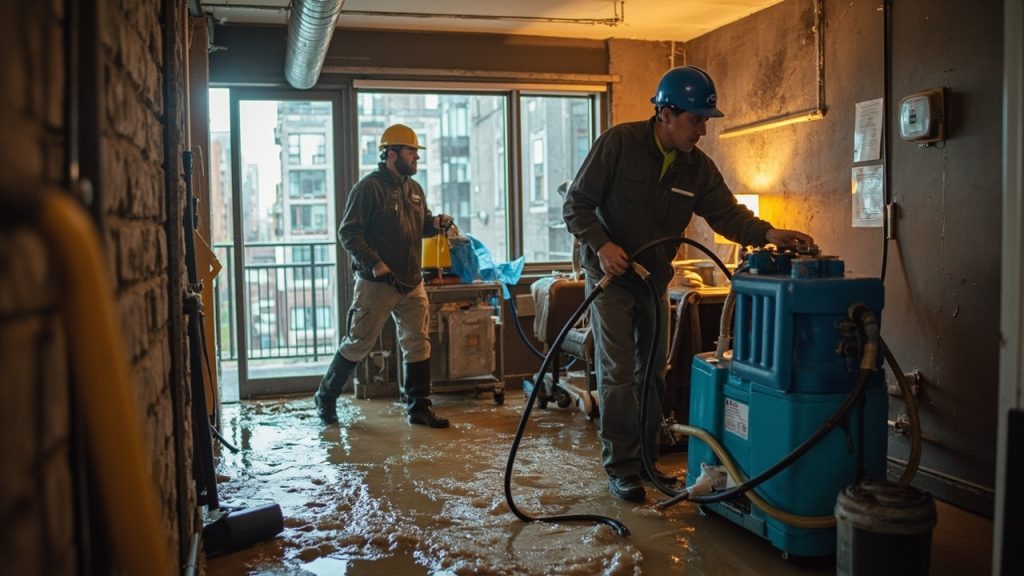
Chicago Tenant Rights When Your Apartment Floods
In my 15 years handling tenant disputes in Chicago, the first call I get is always the same question. A pipe bursts. The roof leaks. Sewage backs up through the basement. The tenant panics and asks, “Who pays for this?” The answer depends on the Chicago Residential Landlord and Tenant Ordinance (RLTO) and your building’s age. Understanding your rights under the RLTO will help you take action and recover.
What Is the RLTO and Why It Matters to Flood Victims
The Chicago Residential Landlord and Tenant Ordinance protects you when water damage occurs in your rental unit. Section 5-12-110 of the Municipal Code of Chicago requires landlords to maintain all structural components in good repair. This includes the roof, exterior walls, foundation, and internal plumbing systems. The law also enforces an implied warranty of habitability, meaning your landlord must keep the unit safe, clean, and fit for living.
Water damage that creates mold, electrical hazards, or makes rooms unusable violates this warranty. Most Chicago apartments and rental homes fall under the RLTO. The only exceptions are owner-occupied buildings with two to six units where the owner lives in one unit, and some licensed residential facilities.
Who Pays for Water Damage Repairs
The key question is this: who bears the cost when water damage occurs? The answer depends on what caused the damage.
Your landlord must pay for repairs caused by structural failure or neglect. If a pipe bursts, the roof leaks, the foundation cracks, or the sump pump fails due to lack of maintenance, your landlord pays. These are capital repairs that fall under their legal duty to maintain the building.
You are responsible for damage caused by your own actions. If you leave a window open during a rainstorm, overwater a plant and flood the floor, or ignore a leaking toilet for weeks, you may owe for repairs. Your renters insurance covers your personal belongings but may also cover some tenant-caused damage to the unit itself if you purchase the right policy.
Water damage from weather events like heavy rain or snow melt is typically the landlord’s responsibility if the building structure failed to protect the unit. Chicago’s combined sewer system creates water backup problems during heavy spring rains, particularly in older neighborhoods on the north and west sides. If sewage backs up into your apartment through basement drains or lower-level bathrooms, your landlord must hire a professional to clean and restore the space.
| Damage Type | Responsible Party | Timeline for Repair |
|---|---|---|
| Burst pipe or plumbing failure | Landlord | Emergency (24-48 hours) |
| Roof leak | Landlord | Emergency (within 24 hours) |
| Foundation crack causing seepage | Landlord | Non-emergency (14 days) |
| Tenant-caused overflow or spill | Tenant (or renters insurance) | Tenant responsible for timing |
| Sump pump failure in basement apartment | Landlord | Emergency (24-48 hours) |
| Combined sewer backup or heavy rain flooding | Landlord | Emergency if uninhabitable (24-48 hours) |
Emergency Repairs vs. Non-Emergency Repairs Under Chicago Law
Chicago law distinguishes between emergency and non-emergency repairs. The timeline for repairs depends on how serious the damage is.
Emergency repairs must be completed within 24 to 48 hours. These include repairs that affect habitability and health and safety. A burst pipe flooding your kitchen, a roof leak dripping into your bedroom, or a sewage backup in the bathroom all require emergency response. Your landlord must hire a licensed contractor immediately or provide temporary solutions like tarps, fans, and dehumidifiers.
Non-emergency repairs must begin within 14 days of your written notice. These include damage that does not immediately threaten health or safety. Minor leaks that are not spreading, water stains from old damage, and foundation seepage that is not actively leaking into the unit fall into this category. The repair itself may take longer than 14 days if structural work is needed, but your landlord must start the process and show progress.
During the emergency repair period, your landlord must provide you with a safe, habitable alternative if the damage makes the unit uninhabitable. This means temporary housing, hotel costs, or a rent credit. You do not have to pay rent for days when the unit is not fit to live in.
How to Document Damage and Notify Your Landlord
Documentation is critical. Photographs and written records protect you if the landlord tries to claim the damage was not serious or if you need to file an insurance claim or small claims court case.
Take photos and videos of all water damage immediately. Capture wet walls, stains, standing water, and any damaged belongings. Use your phone camera or any camera you have. Date the photos if possible. Take close-ups and wider shots that show the scope of the problem.
Write down the date, time, and cause of the damage. Did a pipe burst? Is water actively dripping? Has the water been there for hours or days? Does the unit smell musty? Are there visible signs of mold? Document everything in writing.
Send your landlord a written notice immediately. Do not rely on a phone call or text message. Use email or send a certified letter with return receipt so you have proof. Your notice should include the date and time the damage occurred, a description of the damage, photos if sending by email, and your request for emergency or immediate repairs.
Keep copies of all communications. Save the email, print the letter, and keep the return receipt. You will need this proof if the landlord does not respond or if you later need to file a complaint with the Chicago Department of Buildings.
Creating a 14-Day Demand Notice for Repairs
If your landlord does not respond to your initial notice or does not make emergency repairs within 24-48 hours, you must send a formal 14-day demand letter. This is your legal right under Chicago law.
- Include the Legal Address
Use your apartment address and the building address where the landlord receives mail for notices, usually listed in your lease.
- State the Problem Clearly
Describe the water damage in detail. Example: “On March 15, 2026, at approximately 2 p.m., a pipe in the kitchen ceiling burst, causing water to pour into the unit. The water damaged the living room carpet, wall, and ceiling. The unit now has standing water and a strong musty smell.”
- List the Damage
Be specific. Example: “The damage affects the kitchen ceiling, the living room wall and ceiling, the hallway carpet, and electrical outlets. The unit is not safe to occupy due to electrical hazards and potential mold growth.”
- Reference the RLTO
Write: “Under Section 5-12-110 of the Chicago Municipal Code, you are required to maintain the structural components of this rental unit in good repair. This includes pipes and the building structure.”
- Demand Repair by a Specific Date
State that repairs must begin within 14 days (or 24-48 hours for emergency repairs). Example: “I demand that you hire a licensed contractor to begin repairs by March 29, 2026.”
- Request a Written Response
Ask the landlord to confirm in writing that repairs will begin and provide a timeline.
- Send by Email and Certified Mail
Send the letter by both methods. Keep copies of everything.
You now have a legal record of your demand. If the landlord fails to respond or begin repairs within the deadline, you have grounds for additional legal action.
Rent Withholding and the Repair and Deduct Remedy in Chicago
Chicago law gives you the right to withhold rent if your landlord fails to make emergency repairs. This is an effective tool, but you must follow the rules carefully or you could face eviction.
You can only withhold rent if the landlord has failed to make repairs that affect habitability after a 14-day demand letter. Simply being annoyed with your landlord or disagreeing about repair timelines does not give you the right to stop paying rent. The damage must make the unit unsafe or uninhabitable.
Before you withhold rent, send a certified letter notifying your landlord that you are invoking your right under the RLTO to withhold rent due to the uninhabitable condition. Include the repair deadline that has passed and explain why the unit is not fit to live in.
Deposit the withheld rent into a separate savings account or envelope. Do not spend it. If the landlord sues for eviction, you must prove that you set the money aside. The court may order you to pay this money to the court clerk while the case is pending.
The repair and deduct remedy is another option. You can hire a licensed contractor to make the repairs yourself and deduct the cost from your rent. Chicago law allows you to deduct up to the lesser of 500 dollars or one half of the monthly rent. You must provide the landlord with a written estimate of the cost before hiring the contractor. After the work is complete, you deduct the cost from your next rent payment and provide the landlord with the receipt and contractor invoice.
This remedy works only for non-emergency repairs. For emergency repairs, you should contact the Chicago Department of Buildings to file a complaint. The city can order emergency repairs and fine the landlord if they do not comply.
Mold and Health Risks After Water Damage
Water damage in Chicago apartments creates mold risk within 24 to 48 hours. This is one of the most serious health threats facing flood victims in older Chicago neighborhoods. Chicago’s high humidity levels, combined with inadequate drying, encourage rapid mold growth. This goes far beyond cosmetic damage. Mold presents a genuine health emergency that falls squarely under the implied warranty of habitability.
Mold spores trigger allergies, asthma, and respiratory infections. Mold exposure is especially dangerous for children, elderly people, and those with compromised immune systems. Black mold produces mycotoxins that cause neurological problems and severe illness. Pet exposure to mold causes respiratory distress and organ damage. In one case I handled, a tenant’s young daughter developed a chronic respiratory infection after her family lived in a moldy basement apartment in Pilsen for two months while the landlord delayed repairs. The child required medication for years afterward.
Your landlord must hire a licensed mold remediation contractor to address visible mold. The contractor must identify the source of moisture, remove the mold, dry the affected area completely, and restore the space to safe conditions. This is not a do-it-yourself job. Illinois does not license mold inspectors, but contractors must follow industry standards set by the IICRC (Institute of Inspection, Cleaning and Restoration Certification).
Hidden signs of mold can include dark spots on walls, a musty smell, warped walls or ceilings, or soft spots in drywall. If you see or smell mold, document it with photos and notify your landlord in writing immediately.
If your landlord refuses to address mold, you can file a complaint with the Chicago Department of Buildings. The city has authority to order remediation and levy fines. You can also file a complaint with the Metropolitan Tenants Organization, which provides free legal aid to Chicago renters.
Chicago Building Vulnerabilities by Neighborhood
Chicago’s older apartment buildings have specific vulnerabilities to water damage based on their age and construction. Understanding these will help you recognize potential problems early and understand your building’s flood risk.
West Town and Bucktown feature many two-flats and bungalows built between 1910 and 1940 with unfinished basements and limestone foundations. These foundations absorb water and develop cracks over time due to hydrostatic pressure from Chicago Blue Clay soil. If your unit is in a basement apartment in these neighborhoods, you face higher risk for foundation seepage and sump pump failure. Basement apartments in older Chicago two-flats often have exposed basement joists and unstable wall systems that deteriorate when exposed to standing water.
Pilsen’s concrete vintage buildings with poor drainage systems present another common problem. Many structures in this neighborhood date to the 1920s and 1930s, with flat roofs that collect water and inadequate gutter systems. The older concrete used in these buildings absorbs moisture through capillary action, and the flat-roof design creates standing water that penetrates into living units below. Basement units in Pilsen face especially severe risk during spring rains.
Lincoln Square two-flats built between 1920 and 1940 often rest on limestone foundations that are failing after a century of exposure to freeze-thaw cycles and Chicago’s wet soil conditions. These buildings have limestone foundation issues that create chronic seepage. The older windows in these buildings lack proper sealing, allowing water to penetrate around frames during heavy rain. Many Lincoln Square buildings also feature outdated roof membranes that have reached the end of their lifespan.
Logan Square’s converted warehouse lofts and older industrial buildings present different challenges. These structures were never designed as residential spaces. Their large windows, flat roofs, and thin exterior walls offer minimal weather protection. The sealant around these windows deteriorates quickly, and the flat roofs often lack proper drainage systems.
Older plumbing systems in all these neighborhoods use galvanized steel pipes or outdated materials that corrode and fail. Cast iron drain pipes develop internal corrosion and collapse. Copper pipes in pre-1950s buildings may require careful handling during repairs due to lead solder.
Combined sewer systems in older Chicago neighborhoods cause water backups during heavy rain. The city’s combined sewer overflow (CSO) problem forces sewage to back up into buildings through basement drains and lower-level bathrooms when the main sewer line reaches capacity. This is a health emergency requiring professional sewage cleanup. North and west side wards with dense older housing stock experience this problem most frequently. West Town, Bucktown, Wicker Park, Pilsen, Lincoln Square, and Logan Square all have aging combined sewer systems prone to backup during spring rains.
What to Do in the First 24 Hours After Water Damage
Your immediate actions in the first 24 hours will protect your health, preserve evidence, and establish your legal rights.
- Stop the water source if it is safe to do so. Turn off the main water valve if a pipe burst. Close windows if rain is pouring in. Do not touch electrical outlets or wiring if water is present.
- Move to a safe room. If the damage is extensive or the unit smells like sewage, evacuate immediately. Your health comes first.
- Take photos and videos of all visible damage. Photograph wet walls, standing water, damaged belongings, and the source of the water if visible.
- Call your renters insurance company and report the claim. Provide your policy number and describe the damage. The insurer will tell you next steps and whether they need an adjuster to visit.
- Send an email to your landlord with a brief notice of the water damage and its cause. For example, “Water pipe burst in kitchen on March 15 at 2 p.m. Unit is flooded. Emergency repair needed.” This establishes the date and time you reported the issue.
- Do not attempt to dry the unit yourself with fans or dehumidifiers unless the damage is very minor. Large-scale water requires professional extraction equipment to prevent mold. Attempting to dry water damage without professional equipment often traps moisture inside walls, causing hidden mold growth that emerges weeks later.
- List all damaged items for insurance purposes. Write down furniture, electronics, clothing, and other belongings that were damaged. Note the approximate age and replacement cost if possible.
Getting Professional Help When You Need It
Water damage that affects more than a small area requires professional water restoration. Your landlord must hire a licensed contractor, or you may hire one under the repair and deduct remedy if the landlord refuses.
Look for a contractor certified by the IICRC. These technicians have training in water extraction, structural drying, and mold prevention. They use professional equipment including submersible pumps, dehumidifiers, air movers, and moisture detection tools.
A professional restoration company will document the damage, provide a scope of work, handle insurance coordination, and keep you informed throughout the process. They can also identify hidden water damage in walls, under flooring, and in insulation that you cannot see.
When Water Damage Makes Your Unit Uninhabitable
Some water damage is so severe that the unit becomes uninhabitable. Chicago law gives you the right to terminate your lease and move out if this happens.
A unit is considered uninhabitable if water damage creates conditions that threaten health or safety. Examples include standing water that creates mold and fungal growth, electrical hazards from wet wiring or outlets, structural damage that weakens floors or ceilings, or contamination from sewage.
If your unit becomes uninhabitable, you do not have to pay rent for any day that the condition exists. Your landlord remains liable for your security deposit and cannot claim you owe rent for the uninhabitable period.
If the landlord cannot repair the unit within 30 days, you have the right to move out without penalty. Send a written notice of termination citing the uninhabitable condition and referencing Section 5-12-130 of the RLTO. Keep a copy for your records.
Filing a Complaint with the Chicago Department of Buildings
If your landlord ignores your repair demand, you can file a complaint with the Chicago Department of Buildings. This triggers a city inspection and creates an official record.
Call 311 or use the online complaint system to file your complaint. The 311 system serves all Chicago residents and accepts complaints about building code violations, including water damage and mold. Describe the water damage, the date you reported it to the landlord, and the fact that repairs have not begun. The city will send an inspector to assess the unit. If violations are found, the landlord receives a notice of violation and a deadline to correct the problems. Failure to comply results in fines. You can track your complaint status through the 311 online portal using a reference number provided when you file.
You can also file a complaint with the Chicago Commission on Human Rights if the water damage and lack of repairs disproportionately affect a protected class, such as families with children or people with disabilities.
Rent Withholding in Practice
I represented a tenant in Logan Square whose landlord ignored three repair requests after a roof leak created visible mold in the bedroom. After sending a formal 14-day demand letter, the tenant withheld rent and deposited it into a separate account. The landlord filed for eviction, but the court found that the unit was uninhabitable due to mold and dismissed the case. The tenant used the withheld rent to pay for mold remediation and deducted the cost from future rent payments. Proper documentation and following the procedural steps protected that tenant from eviction and ensured the repairs were completed.
Small Claims Court as Your Final Option
If your landlord refuses to make repairs after 14 days, violates your rights, or retains your security deposit improperly, you can sue in small claims court. Cook County District Court handles small claims cases up to 10,000 dollars in damages in Chicago. You do not need an attorney for small claims court, though you may bring one.
File your case at a Cook County District Court location. Your neighborhood likely has a courthouse branch within a reasonable distance. File a complaint describing the water damage, the date you notified the landlord, and the repairs that were not made or the security deposit that was wrongfully withheld.
Bring your documentation. Photographs, emails to the landlord, certified letters, receipts for repairs you made under the repair and deduct remedy, and renters insurance documentation will strengthen your case.
The judge will review the evidence and determine whether your landlord violated the RLTO. If you win, the judge may order the landlord to pay for repairs, return your security deposit, pay your damages, or pay your attorney fees.
Can My Landlord Evict Me for Asking for Water Damage Repairs
No. The RLTO prohibits retaliation. If your landlord tries to evict you, raise your rent, reduce services, or threaten other actions because you demanded repairs or filed a complaint, that is retaliation. You can sue your landlord in small claims court or file a complaint with the city. The burden of proof falls on the landlord to prove the eviction is not retaliatory. Document all communications with your landlord about repairs. If an eviction notice arrives within six months of your repair request, the law presumes retaliation unless your landlord can prove otherwise.
What Happens to Your Security Deposit During Water Damage
Your security deposit is protected by the Chicago Residential Security Deposit Ordinance. If water damage occurs and you need temporary housing or if you move out due to uninhabitable conditions, your landlord cannot keep the security deposit.
Your security deposit can only be used for unpaid rent or damage you caused, not for structural repairs or water damage caused by landlord neglect. If the landlord tries to deduct repair costs from your security deposit, you can sue in small claims court in Cook County.
If you move out due to water damage making the unit uninhabitable, your landlord must return your full security deposit within 30 to 45 days, plus interest at currently 1.5 percent annually. Failure to return the deposit results in penalties of two times the deposit amount plus attorney fees.
Renters Insurance and Your Protection
Renters insurance is critical protection that many Chicago tenants overlook. Your landlord’s insurance covers the building structure, not your belongings or your liability.
A renter’s policy covers your personal property, temporary relocation costs if the unit becomes uninhabitable, and your liability if you accidentally cause damage to the landlord’s property. The cost is typically 150 to 300 dollars per year, depending on your coverage limits and location.
If water damage destroys your furniture, electronics, clothing, and other belongings, your renters insurance reimburses you. The landlord’s insurance does not cover your items. If you caused the damage, your renters insurance covers the cost of repairs to the unit itself, in addition to your belongings.
If water damage makes your unit uninhabitable, renters insurance covers temporary housing costs while repairs are completed. This is called loss of use coverage. You can stay in a hotel, rent another apartment temporarily, or stay with friends while submitting receipts to your insurance company for reimbursement.
File a renters insurance claim immediately after documenting the damage. Contact your insurance agent or the insurer’s claims line. They will guide you through the process and may send an adjuster to assess the damage.
Resources and Support for Chicago Tenants
Several organizations provide free or low-cost legal assistance and information for Chicago renters facing water damage. The Metropolitan Tenants Organization offers free legal aid, tenant rights workshops, and hotline support. Legal Aid Chicago provides free legal services to low-income residents in Cook County. The Illinois Tenants Union offers statewide tenant rights information and advocacy resources. The Chicago Department of Buildings accepts complaints about building code violations including water damage and mold.
{
“@context”: “https://schema.org”,
“@type”: “BlogPosting”,
“headline”: “Chicago Tenant Rights When Your Apartment Floods”,
“description”: “Chicago tenant flood rights explained. Know who pays, how to get repairs fast, and your legal protections under the RLTO.”,
“wordCount”: 3789,
“datePublished”: “2026-04-17T06:23:00.000Z”,
“dateModified”: “2026-04-17T06:23:00.000Z”,
“inLanguage”: “en-US”,
“mainEntityOfPage”: {
“@type”: “WebPage”,
“@id”: “https://cornerstonewaterdamagerestorationchicago.com”
},
“publisher”: {
“@type”: “LocalBusiness”,
“name”: “Cornerstone Water Damage Restoration Chicago”,
“url”: “https://cornerstonewaterdamagerestorationchicago.com”
},
“author”: {
“@type”: “Organization”,
“name”: “Cornerstone Water Damage Restoration Chicago”,
“url”: “https://cornerstonewaterdamagerestorationchicago.com”
},
“image”: {
“@type”: “ImageObject”,
“url”: “https://cornerstonewaterdamagerestorationchicago.com/wp-content/uploads/2026/03/your-rights-as-a-chicago-tenant-when-your-apartmen-1.jpg”
}
}
{
“@context”: “https://schema.org”,
“@type”: “LocalBusiness”,
“name”: “Cornerstone Water Damage Restoration Chicago”,
“url”: “https://cornerstonewaterdamagerestorationchicago.com”,
“address”: {
“@type”: “PostalAddress”,
“addressLocality”: “Chicago”
},
“areaServed”: {
“@type”: “City”,
“name”: “Chicago”
}
}
{
“@context”: “https://schema.org”,
“@type”: “HowTo”,
“name”: “How to Send a 14-Day Demand for Repairs in Chicago”,
“step”: [
{
“@type”: “HowToStep”,
“position”: 1,
“name”: “Include the Legal Address”,
“text”: “Use your apartment address and the building address where the landlord receives mail for notices, usually listed in your lease.”
},
{
“@type”: “HowToStep”,
“position”: 2,
“name”: “State the Problem Clearly”,
“text”: “Describe the water damage in detail. Example: \”On March 15, 2026, at approximately 2 p.m., a pipe in the kitchen ceiling burst, causing water to pour into the unit. The water damaged the living room carpet, wall, and ceiling. The unit now has standing water and a strong musty smell.\””
},
{
“@type”: “HowToStep”,
“position”: 3,
“name”: “List the Damage”,
“text”: “Be specific. Example: \”The damage affects the kitchen ceiling, the living room wall and ceiling, the hallway carpet, and electrical outlets. The unit is not safe to occupy due to electrical hazards and potential mold growth.\””
},
{
“@type”: “HowToStep”,
“position”: 4,
“name”: “Reference the RLTO”,
“text”: “Write: \”Under Section 5-12-110 of the Chicago Municipal Code, you are required to maintain the structural components of this rental unit in good repair. This includes pipes and the building structure.\””
},
{
“@type”: “HowToStep”,
“position”: 5,
“name”: “Demand Repair by a Specific Date”,
“text”: “State that repairs must begin within 14 days (or 24-48 hours for emergency repairs). Example: \”I demand that you hire a licensed contractor to begin repairs by March 29, 2026.\””
},
{
“@type”: “HowToStep”,
“position”: 6,
“name”: “Request a Written Response”,
“text”: “Ask the landlord to confirm in writing that repairs will begin and provide a timeline.”
},
{
“@type”: “HowToStep”,
“position”: 7,
“name”: “Send by Email and Certified Mail”,
“text”: “Send the letter by both methods. Keep copies of everything.”
}
],
“image”: “https://cornerstonewaterdamagerestorationchicago.com/wp-content/uploads/2026/03/your-rights-as-a-chicago-tenant-when-your-apartmen-1.jpg”
}
{
“@context”: “https://schema.org”,
“@type”: “BreadcrumbList”,
“itemListElement”: [
{
“@type”: “ListItem”,
“position”: 1,
“name”: “Home”,
“item”: “https://cornerstonewaterdamagerestorationchicago.com”
},
{
“@type”: “ListItem”,
“position”: 2,
“name”: “Blog”,
“item”: “https://cornerstonewaterdamagerestorationchicago.com/blog”
},
{
“@type”: “ListItem”,
“position”: 3,
“name”: “Chicago Tenant Rights When Your Apartment Floods”
}
]
}
{
“@context”: “https://schema.org”,
“@type”: “Service”,
“serviceType”: “Water Damage Restoration”,
“provider”: {
“@type”: “LocalBusiness”,
“name”: “Cornerstone Water Damage Restoration Chicago”,
“url”: “https://cornerstonewaterdamagerestorationchicago.com”
},
“areaServed”: {
“@type”: “City”,
“name”: “Chicago”
},
“description”: “Chicago tenant flood rights explained. Know who pays, how to get repairs fast, and your legal protections under the RLTO.”
}