
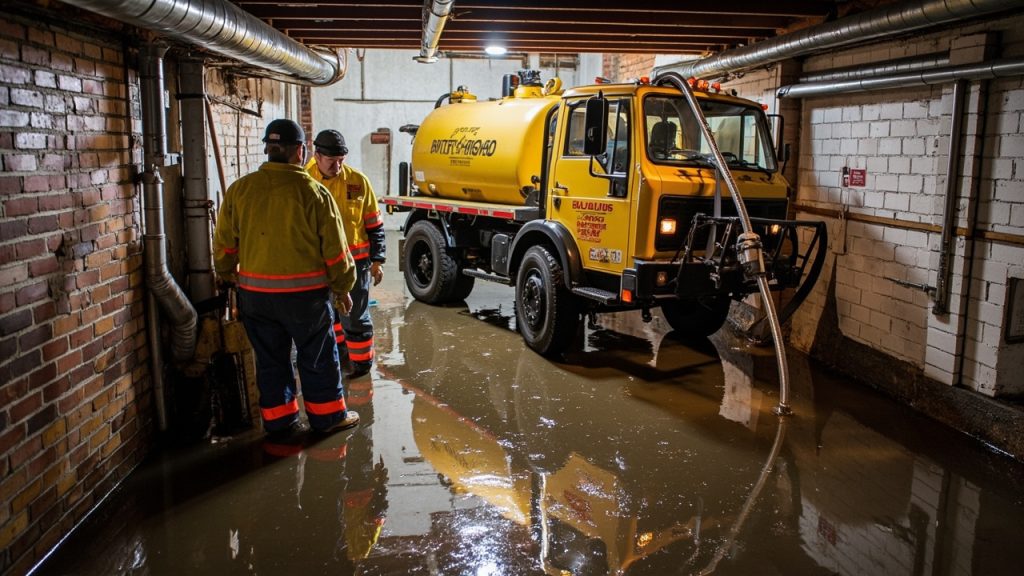
Chicago Water Main Break Damage: Emergency Response and Liability Guide for Englewood Homeowners
Immediate Damage Assessment and Liability Clarity When Your Englewood Property Floods
A water main break near your property is not your fault. When the City of Chicago’s aging infrastructure fails, your basement floods, your foundation cracks, and your family faces immediate health risks. The critical fact is this: the Chicago Department of Water Management owns and maintains the city’s main lines, and that department is financially responsible for the damage it causes to your home.
You need to act fast, document everything, and understand exactly who pays for the damage. The first 24 hours determine whether you recover your losses or struggle with denial and delays. This guide walks you through damage assessment, the restoration process, claim filing against the city, and your path to full recovery.
The liability is clear. The water main breaks outside your property line. The pipes belong to the city. The damage belongs to the city’s insurance. Your role is to report the break immediately, document the damage thoroughly, and pursue the city’s liability through the proper channels.
What Happens When a Water Main Breaks in Your Englewood Neighborhood
Chicago’s water distribution system includes over 4,000 miles of aging pipes. Many were installed in the 1950s and 1960s. Every year, the city experiences hundreds of main breaks, flooding basements across older South Side neighborhoods. Englewood, along with nearby Washington Park and Grand Boulevard, experiences the most frequent breaks due to shared infrastructure characteristics from the 1920s through 1950s era.
Englewood’s particular vulnerability stems from cast iron pipe clusters installed during the neighborhood’s rapid expansion in the early 20th century. The neighborhood’s dense clay soil composition, part of Chicago’s Blue Clay formation, creates constant expansion and contraction pressure on these aged pipes. Englewood sits above a high water table fed by Lake Michigan’s proximity, accelerating corrosion in iron pipes that are now 75 to 100 years old. The combination of dense clay, high groundwater, and extreme winter freeze-thaw cycles makes Englewood experience main breaks at rates 30 to 40 percent higher than newer neighborhoods.
A burst main line can send hundreds of gallons of water per minute into your property. The water from a city main contains sediment, bacteria, and minerals. This is Category 2 gray water, not clean water. It poses serious health risks if it contacts your skin or your home’s living spaces. Mold can begin growing within 24 to 48 hours of water entry.
Unlike a burst pipe inside your home, the water main breaks outside your property line. The Chicago Department of Water Management owns and maintains these lines. That distinction matters for liability and insurance claims. You did not cause this. The city’s failure to maintain infrastructure caused it. The responsibility falls on the city.
Your First Actions The Critical 24-Hour Window
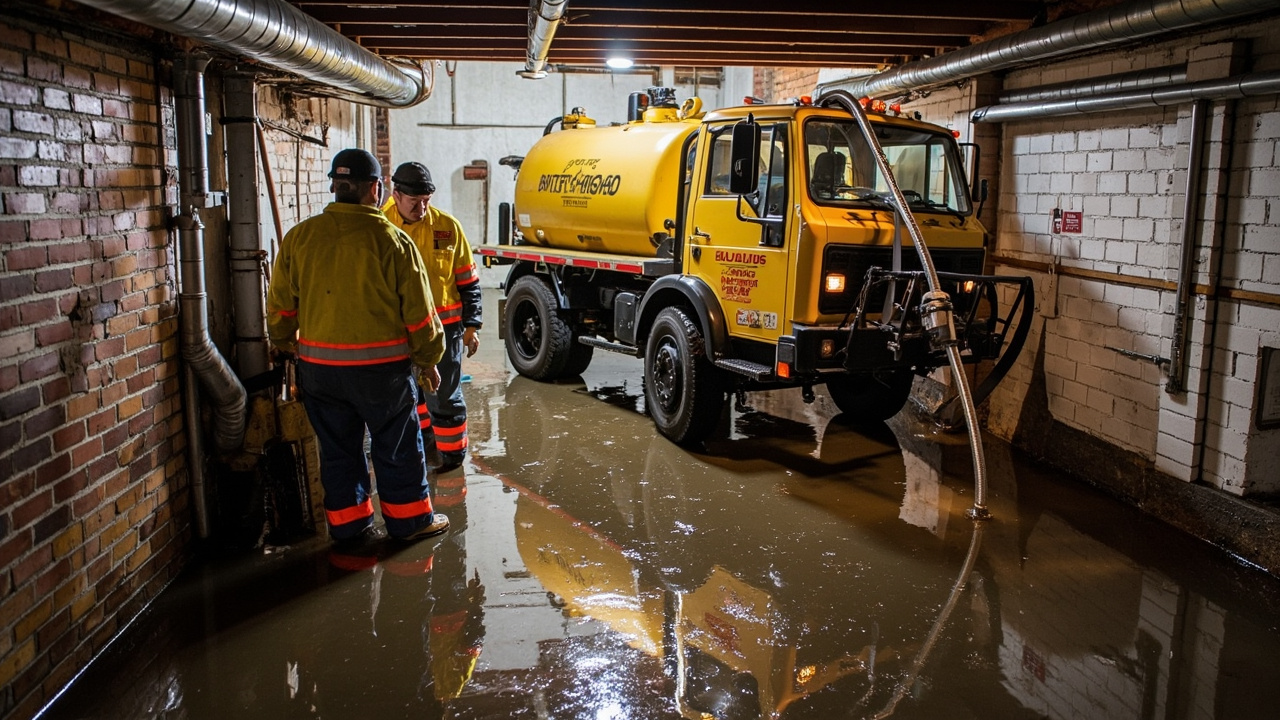
The moment you notice water entering your basement or yard, stop standing in the water and move your family to a dry area of the home.
- Shut off your main water valve Locate your home’s water shutoff valve, typically in the basement near the front foundation or in the utility area. Turn it clockwise until tight. This prevents contaminated street water from backing up through your plumbing into your living spaces. Do not turn off the valve unless you see water actively flowing from your pipes.
- Turn off electrical systems in wet areas Water conducts electricity. Turn off the breaker to your basement, furnace, and water heater if water has reached those areas. Do not touch wet electrical equipment. Call a licensed electrician if you are unsure whether power is safe.
- Document damage with photos and video Photograph standing water, wet drywall, damaged flooring, and any items destroyed. Take video walking through the affected area. Timestamp everything. Insurance companies and the city will demand this evidence. This documentation is your strongest tool in proving the extent of damage for your claim.
- Report to the Department of Water Management through 311 Call 311 within hours of discovering the break. Provide your address, describe the water flow, and ask for a case number. Write down the case number. The city will eventually inspect and file a report. This creates an official record that ties the city’s infrastructure failure to your property damage.
- Call a professional water damage restoration company Water extraction must begin within hours, not days. Standing water leads to mold, structural rot, and permanent damage. Professional teams handle extraction, documentation for your insurance claim, and structural drying simultaneously. They also provide expert documentation that strengthens your city liability claim.
- Do not touch contaminated water City water main flooding brings bacteria, sediment, and potentially harmful pathogens. Wear gloves and an N95 mask if you must enter the area. Wash your hands and any exposed skin immediately. Do not let children or pets contact the water.
Is the City of Chicago Liable for Water Main Break Damage
Yes, the city is liable for damage caused by a water main break. The Department of Water Management owns the main line and is responsible for maintaining it. If the main breaks and floods your property, the city is financially responsible for your losses.
There are limits and exceptions. Chicago has specific rules about when and how much the city will pay.
| Liability Factor | City Responsible | You Responsible |
|---|---|---|
| Water main break (city-owned pipe) | Yes, up to damage limits | Your deductible only |
| Service line break (from main to meter) | Depends on ownership and local code | Often yes, full cost |
| Water backup through your drains | No | Yes, unless you have sewer backup coverage |
| Damage from your own plumbing | No | Yes |
| Mold growth from city water | Depends on claim filing speed | Partial, if delay was your fault |
The key distinction is the service line. The main line runs under the street. The service line is the pipe that runs from the main to your property’s water meter. In Chicago, the service line responsibility depends on where the break occurs and your property’s age. Homes built before 1950 in Englewood, Washington Park, and Grand Boulevard often have the city responsible for the service line up to the property line under Chicago Municipal Code Title 13, Chapter 13-104. Newer homes typically place responsibility on the homeowner.
For Englewood specifically, homeowners can file claims in the Circuit Court of Cook County, Law Division, or through the city’s administrative claims process with the Chicago Department of Law. The city does not have unlimited liability. Illinois tort law caps damages in certain cases, and the city processes claims through a specific procedure. Speed matters. The longer you wait to report the damage to the city, the weaker your claim.
How to File a Claim with the City of Chicago
Filing a claim against Chicago requires following exact procedures. Mistakes delay payment or result in denial.
Report to the Department of Water Management Call 311 within 24 hours of discovering the break. Provide your address, describe the damage, and request a city inspection. Ask the representative for a reference number and the name of the inspector. Write this down.
File a formal claim with the City Clerk’s Office Visit the Chicago City Clerk’s office website for claim forms. You have up to one year to file, yet do not delay. Bring your 311 case number, photos, and receipts for any emergency repairs or extraction services. The form requires specific details about the damage and the date of discovery.
Submit receipts and repair estimates The city will review your claim and may request additional documentation. Provide itemized receipts from your restoration company, repair contractors, and any temporary housing costs. Keep all invoices. The city may deny claims with insufficient documentation.
Negotiate or pursue legal action The city may offer a settlement, deny the claim, or offer less than your actual damages. If you disagree with the city’s offer, you can pursue a claim in Chicago’s municipal claims process or civil court. Many homeowners hire an attorney at this stage.
Understanding Your Homeowners Insurance Coverage
Your homeowners insurance policy may or may not cover damage from a city water main break. This depends on your specific policy and the type of water involved.
| Coverage Type | Coverage Status | Details |
|---|---|---|
| Standard homeowners policy | No | Most policies exclude external water and flooding |
| Service line coverage endorsement | Yes, sometimes | Covers damage from breaks in the service line only, not the main |
| Water backup coverage rider | No | Covers backup from your drains, not external mains |
| Flood insurance policy | No | Flood policies cover only rising water from natural sources, not main breaks |
This creates a gap. Your homeowners insurance will not cover it. Your flood policy will not cover it. Your responsibility shifts to the city, which is why the claim process matters so much.
Some homeowners carry service line coverage, which covers breaks in the line from the main to the meter. This is different from the main break itself. If your service line breaks, this coverage helps. If the main breaks, you rely on the city’s liability.
Your best protection is documenting the damage immediately, filing the city claim promptly, and having professionals handle the restoration. Professional companies work directly with insurance adjusters and the city, reducing your burden during an already stressful time.
Professional Water Extraction and Structural Drying
Once you have called the city and your restoration team, the work begins. This is not a job for a wet vac and some fans.
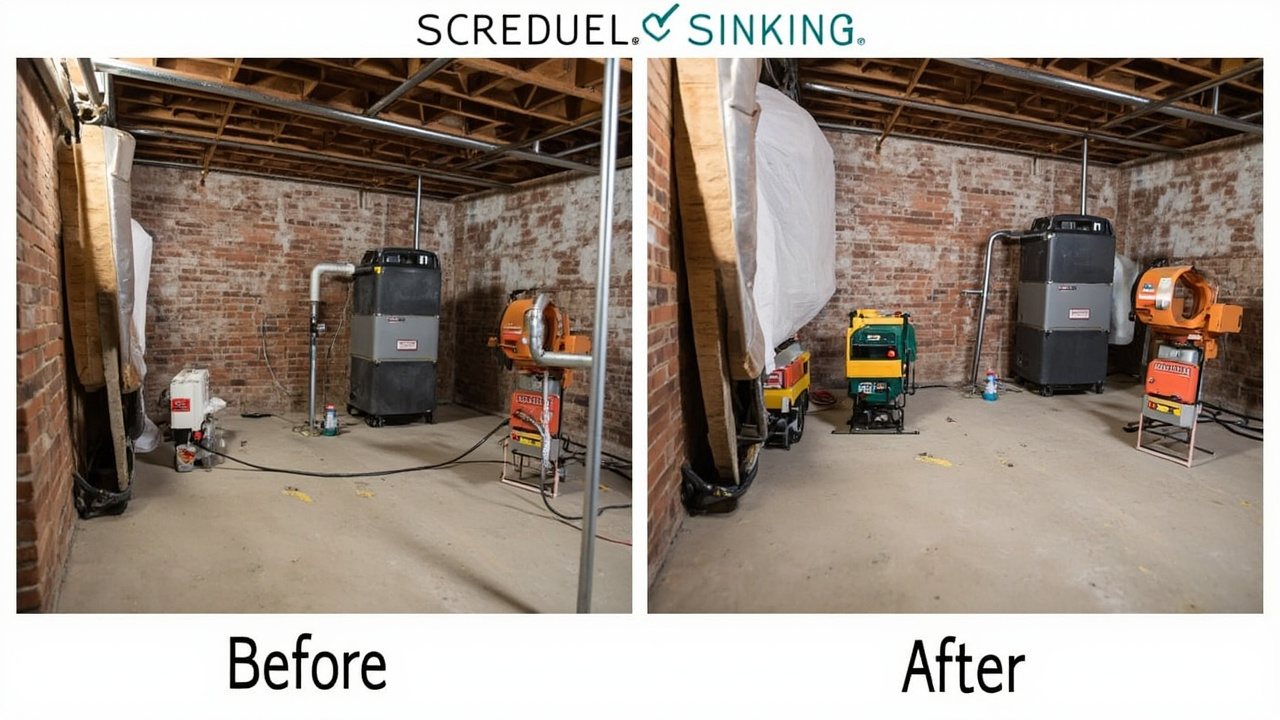
Water Extraction Professionals deploy truck-mounted extraction systems and portable extractors to remove standing water. A typical basement flood may contain thousands of gallons. Extraction machines can remove 10 to 30 gallons per minute. The team also pulls water from walls, under flooring, and from crawl spaces.
Structural Drying After extraction, the structure is saturated. Drywall, wood framing, concrete, and insulation all contain moisture. This moisture must be removed or mold will grow. The team uses industrial-grade dehumidifiers and air movers designed for water damage scenarios.
Chicago’s climate adds complexity. Summer humidity is high. Basements in Chicago bungalows and older two-flats have poor ventilation. Drying takes longer. The team monitors moisture levels in walls and structural members using moisture meters and thermal imaging. Drying typically takes 5 to 14 days, depending on the extent of saturation and the season. In Englewood’s older brick construction, drying often extends to the longer end of this range due to dense masonry’s moisture absorption.
Mold Prevention If the team detects mold growth or conditions favoring mold, they apply antimicrobial treatments. They also remove affected materials like drywall and insulation. Mold from category 2 gray water can pose serious health risks, especially to children and people with respiratory issues.
Odor Removal Contaminated water leaves odors. The team uses air purifiers, ozone treatment, or enzymatic treatments to eliminate odors that linger after physical cleanup.
Why Chicago Water Main Breaks Happen More Often Now
Chicago’s water infrastructure is aging. The city laid most of its main lines between the 1950s and 1970s. Pipes that are 50 to 70 years old are near the end of their lifespan. Winter freeze-thaw cycles accelerate deterioration. Englewood’s cast iron pipes from the 1920s and 1930s are even older and more vulnerable.
The polar vortex events that strike Chicago cause sudden temperature drops from 50 degrees to 10 below zero. Soil contracts and expands. Underground pipes experience extreme stress. Main breaks cluster during winter thaws.
Chicago’s soil composition compounds the problem. The city sits on Chicago Blue Clay, a dense clay layer with high water content. This clay expands when wet and contracts when dry, putting constant pressure on buried pipes. Englewood sits directly above the thickest deposits of this clay layer, creating stronger pressure variations than areas farther from Lake Michigan. Add the region’s high water table near Lake Michigan, and old iron pipes corrode faster. In Englewood specifically, soil oxygen depletion near the water table accelerates anaerobic corrosion, eating through cast iron from the inside out.
The Chicago Department of Water Management is replacing lead service lines and aging mains, yet the work is slow. Englewood still has original cast iron pipes from the 1920s and 1930s throughout the neighborhood’s core residential zones. These neighborhoods experience more frequent breaks and more severe damage when breaks occur.
Secondary Damage You Must Prevent
Water damage extends beyond the immediate flood. Secondary damage can cost as much as the initial damage if you do not act.
Mold and Mildew Gray water from city mains contains organic matter and bacteria. These feed mold growth. Mold begins in 24 to 48 hours. It spreads through porous materials like drywall, insulation, and wood. Professional drying must start immediately to stop mold before it takes hold.
Structural Rot Wood framing absorbs water and deteriorates. Joists, beams, and floor structures weaken. Repair or replacement becomes necessary if rot progresses. This is expensive and visible to home inspectors and appraisers when you sell or refinance.
Foundation Cracks A water main break can cause soil erosion around your foundation. Hydrostatic pressure increases. Foundation walls crack or bow. A foundation specialist must assess the damage early.
Electrical System Damage If water reached your electrical panel, service entrance, or appliances, they are damaged and unsafe. Licensed electricians must evaluate and replace affected components.
HVAC and Mechanical Damage Furnaces, water heaters, air conditioning units in basements are vulnerable. Water and mud in mechanical equipment cause failure. Replacement is often required.
Preventing Future Main Break Damage
You cannot control when a main breaks, yet you can reduce the impact on your home.
Install a Sump Pump A sump pump removes groundwater and water intrusion before it spreads through the basement. A backup battery-powered pump protects against failures during power outages. During city infrastructure stress events like main breaks, power outages are common.
Seal Foundation Cracks Small cracks allow water entry. Injection epoxy or polyurethane sealants prevent seepage from turning into flooding.
Install a Backflow Preventer This device prevents water from flowing backward through your drains into your home. If a city main break creates pressure differences in the sewer system, your drains can back up. A backflow preventer stops this.
Grade Soil Away from Your Foundation Slope the ground away from your basement walls at least 6 inches over 10 feet. This directs water away from the foundation.
Keep Storm Drains Clear If standing water from a main break cannot flow to storm drains, it pools around your home. Clear leaves and debris from nearby street drains.
Frequently Asked Questions
How long does it take to dry a basement after a water main break
Drying typically takes 5 to 14 days. Chicago’s humid summers extend drying time. The extent of saturation and the structural type also affect duration. A brick bungalow in Englewood dries slower than a newer home with better ventilation. The restoration team will measure moisture levels and confirm when the structure reaches normal levels.
Can I dry my basement myself with a shop vac and fans
You should not attempt to dry city water damage yourself. Gray water requires decontamination and professional extraction to prevent mold and health hazards. Insurance adjusters and the city prefer documentation from licensed restoration professionals. DIY drying also voids insurance claims in many cases.
Will my homeowners insurance pay for this
Most homeowners policies exclude external water and flooding. Your coverage depends on your specific policy. The city is liable, not your insurance. Some policies with service line coverage may help if the service line broke, yet not the main. Check your policy and ask your agent.
What if the city denies my claim
If the city denies or underpays your claim, you can appeal within the municipal claims process or file a lawsuit in circuit court. Many homeowners hire an attorney. The burden is on the city to prove they are not liable. Documentation and professional restoration reports strengthen your case significantly.
How much will this cost me
If the city is liable and pays your claim, your personal cost is your insurance deductible only. If the city delays or denies payment, you may need to pursue legal action. Restoration costs for a typical basement flood range widely based on the size and damage severity. The city ultimately bears this cost if liability is established.
{
“@context”: “https://schema.org”,
“@type”: “BlogPosting”,
“headline”: “Chicago Water Main Break Damage: Emergency Response and Liability Guide for Englewood Homeowners”,
“description”: “Chicago water main break flooding your Englewood home? Learn liability, city claims, restoration steps, and how to recover damages from the city.”,
“wordCount”: 2702,
“datePublished”: “2026-04-12T08:14:00.000Z”,
“dateModified”: “2026-04-12T08:14:00.000Z”,
“inLanguage”: “en-US”,
“mainEntityOfPage”: {
“@type”: “WebPage”,
“@id”: “https://cornerstonewaterdamagerestorationchicago.com”
},
“publisher”: {
“@type”: “LocalBusiness”,
“name”: “Cornerstone Water Damage Restoration Chicago”,
“url”: “https://cornerstonewaterdamagerestorationchicago.com”
},
“author”: {
“@type”: “Organization”,
“name”: “Cornerstone Water Damage Restoration Chicago”,
“url”: “https://cornerstonewaterdamagerestorationchicago.com”
},
“image”: {
“@type”: “ImageObject”,
“url”: “https://cornerstonewaterdamagerestorationchicago.com/wp-content/uploads/2026/03/when-the-city-water-main-breaks-near-your-englewoo-1-1.jpg”
}
}
{
“@context”: “https://schema.org”,
“@type”: “LocalBusiness”,
“name”: “Cornerstone Water Damage Restoration Chicago”,
“url”: “https://cornerstonewaterdamagerestorationchicago.com”,
“address”: {
“@type”: “PostalAddress”,
“addressLocality”: “Chicago”
},
“areaServed”: {
“@type”: “City”,
“name”: “Chicago”
}
}
{
“@context”: “https://schema.org”,
“@type”: “HowTo”,
“name”: “How to Respond to a Water Main Break”,
“step”: [
{
“@type”: “HowToStep”,
“position”: 1,
“name”: “Shut off your main water valve”,
“text”: “Locate your home’s water shutoff valve, typically in the basement near the front foundation or in the utility area. Turn it clockwise until tight. This prevents contaminated street water from backing up through your plumbing into your living spaces. Do not turn off the valve unless you see water actively flowing from your pipes.”
},
{
“@type”: “HowToStep”,
“position”: 2,
“name”: “Turn off electrical systems in wet areas”,
“text”: “Water conducts electricity. Turn off the breaker to your basement, furnace, and water heater if water has reached those areas. Do not touch wet electrical equipment. Call a licensed electrician if you are unsure whether power is safe.”
},
{
“@type”: “HowToStep”,
“position”: 3,
“name”: “Document damage with photos and video”,
“text”: “Photograph standing water, wet drywall, damaged flooring, and any items destroyed. Take video walking through the affected area. Timestamp everything. Insurance companies and the city will demand this evidence. This documentation is your strongest tool in proving the extent of damage for your claim.”
},
{
“@type”: “HowToStep”,
“position”: 4,
“name”: “Report to the Department of Water Management through 311”,
“text”: “Call 311 within hours of discovering the break. Provide your address, describe the water flow, and ask for a case number. Write down the case number. The city will eventually inspect and file a report. This creates an official record that ties the city’s infrastructure failure to your property damage.”
},
{
“@type”: “HowToStep”,
“position”: 5,
“name”: “Call a professional water damage restoration company”,
“text”: “Water extraction must begin within hours, not days. Standing water leads to mold, structural rot, and permanent damage. Professional teams handle extraction, documentation for your insurance claim, and structural drying simultaneously. They also provide expert documentation that strengthens your city liability claim.”
},
{
“@type”: “HowToStep”,
“position”: 6,
“name”: “Do not touch contaminated water”,
“text”: “City water main flooding brings bacteria, sediment, and potentially harmful pathogens. Wear gloves and an N95 mask if you must enter the area. Wash your hands and any exposed skin immediately. Do not let children or pets contact the water.”
}
],
“image”: “https://cornerstonewaterdamagerestorationchicago.com/wp-content/uploads/2026/03/when-the-city-water-main-breaks-near-your-englewoo-1-1.jpg”
}
{
“@context”: “https://schema.org”,
“@type”: “BreadcrumbList”,
“itemListElement”: [
{
“@type”: “ListItem”,
“position”: 1,
“name”: “Home”,
“item”: “https://cornerstonewaterdamagerestorationchicago.com”
},
{
“@type”: “ListItem”,
“position”: 2,
“name”: “Blog”,
“item”: “https://cornerstonewaterdamagerestorationchicago.com/blog”
},
{
“@type”: “ListItem”,
“position”: 3,
“name”: “Chicago Water Main Break Damage: Emergency Response and Liability Guide for Englewood Homeowners”
}
]
}
{
“@context”: “https://schema.org”,
“@type”: “Service”,
“serviceType”: “Water Damage Restoration”,
“provider”: {
“@type”: “LocalBusiness”,
“name”: “Cornerstone Water Damage Restoration Chicago”,
“url”: “https://cornerstonewaterdamagerestorationchicago.com”
},
“areaServed”: {
“@type”: “City”,
“name”: “Chicago”
},
“description”: “Chicago water main break flooding your Englewood home? Learn liability, city claims, restoration steps, and how to recover damages from the city.”
}