
Professional vs DIY Water Damage Drying for Your Chicago Basement
Your basement is wet. Water sits on the floor or seeps from the foundation. You have a choice between renting a fan and dehumidifier from a hardware store or calling a professional restoration team.
The decision calculus is direct. A DIY rental saves $300 upfront but risks a $5,000 mold remediation bill. A professional drying costs $1,500 to $3,500 and protects your insurance claim. In Chicago’s humid climate with clay soil and aging infrastructure, the professional option is cheaper once mold risk enters the calculation. Here is how to choose between them.
The decision you make in the next few hours determines whether you spend hundreds of dollars or thousands, and whether mold grows in your walls over the next month. Both approaches work in certain situations. Neither is universally right or wrong. What matters is understanding when DIY drying crosses into dangerous territory and what Chicago’s specific climate does to speed up mold growth if you get it wrong.
The DIY Approach and When It Works
A broken washing machine overflows. A supply line under the sink leaks for a day. Your sump pump fails during a light rain and water pools in one corner of the basement. These are moments when DIY drying makes sense.
Category 1 water is the restoration industry’s term for clean water. It comes from a source like a supply line, roof leak, or rainwater that has not contacted soil or sewage. The IICRC S500 Standard, which sets the benchmark for water damage restoration, allows for DIY intervention in these scenarios when the affected area stays under 100 square feet and the water has been present for less than 24 hours.
You can rent a box fan and a portable dehumidifier. Place the fan near the wet area to push air across the surface. Set the dehumidifier to pull moisture from the air. Open windows if the weather is dry. Run both machines for 48 to 72 hours. In many cases, this stops the problem before structural damage occurs.

The cost of rental equipment runs between $50 and $150 per day. Electricity to run the machines for three days adds another $15 to $40. If the water dries in that timeframe, you solve the problem for under $500.
This scenario depends on several conditions that many homeowners misunderstand.
The Hidden Problem With Surface Drying
A wet basement floor looks dry after three days of fan and dehumidifier running. You walk across it. You touch the concrete. It feels dry. You turn off the equipment and declare victory.
Underneath that surface, the concrete still holds water. Sub-surface moisture migrates slowly through the porous material. Drywall absorbs water like a sponge and releases it far more slowly than it absorbs it. Wood framing, insulation, and subfloors trap moisture for weeks after the surface appears dry.
A box fan and standard dehumidifier do not move enough air or pull enough moisture from the air to reach the water trapped inside walls, under flooring, or deep in concrete. These machines were designed to cool rooms or remove humidity from living spaces, not to dry saturated building materials.
This is where mold enters the picture. Mold spores grow in moisture-rich environments. Stachybotrys, the black mold species most feared by homeowners, begins colonizing within 24 to 48 hours of exposure. In Chicago’s humid summers, with indoor temperatures between 70 and 75 degrees and moisture levels above 60 percent, mold spreads aggressively. By week three, mold mycelium invades drywall, insulation, and wood framing in ways that DIY equipment cannot reach.
Mold remediation in a Chicago basement costs between $2,000 and $10,000 depending on the extent. A professional drying job performed immediately after water damage costs between $1,500 and $4,000 in most cases. The DIY approach saves money upfront, turning that $300 equipment rental into a $5,000 remediation project when mold grows.
Why Chicago’s Climate Accelerates Mold Growth
Chicago sits near Lake Michigan. The lake moderates winter temperatures and increases relative humidity year-round. In summer, humidity levels regularly exceed 60 percent. In winter, forced-air heating dries indoor air, yet basements without climate control stay damp naturally because they sit below grade and absorb groundwater pressure through concrete walls.
The Chicago Blue Clay that underlies most of the city holds water. This clay-rich soil creates hydrostatic pressure against basement foundations, particularly in spring when snowmelt and heavy rains saturate the ground. A foundation wall in a house in Lincoln Park, Logan Square, or Beverly experiences constant moisture pressure from below. A water event in that environment is not a simple drying problem. It is a moisture crisis waiting to happen.
Storm season from April through June brings heavy rains. Sump pumps fail. Combined sewer systems in older neighborhoods overflow. Property owners in West Loop, Rogers Park, and Cicero face particular risk because these areas sit in older infrastructure zones where sewage backups occur more frequently.
Freeze-thaw cycles in Chicago winters crack concrete and create pathways for water intrusion. A pipe burst during a Polar Vortex event releases hot water that quickly turns to ice, cracks surrounding concrete, and creates structural damage that extends the drying timeline.
These local conditions mean Chicago basements dry more slowly than those in drier climates. DIY drying that might work in Denver or Phoenix fails in Chicago because the climate works against you.
Water Damage in Norwood Park and Surrounding Chicago Neighborhoods
Norwood Park, located on Chicago’s northwest side, exemplifies the challenges that many Chicago neighborhoods face when water damage strikes. The community’s mix of older brick homes and newer construction, combined with clay soil and aging sewer infrastructure, creates specific basement water vulnerability that requires understanding the differences between DIY and professional drying approaches.
Pilsen on the southwest side experiences similar challenges. The neighborhood’s proximity to aging combined sewer lines creates sewage backup risk during heavy rains. When the system backs up, Category 3 contaminated water flows into basements through floor drains.
Bucktown in northwest Chicago has older two-flat and three-flat buildings with shallow basements that sit just above the water table. Spring water seepage and freeze-thaw foundation cracks are endemic to the area. Homeowners in Bucktown deal with chronic dampness that makes mold growth faster when water damage occurs.
Ravenswood on the north side sits on terrain with high groundwater tables near the Chicago River. Foundation walls in Ravenswood experience constant hydrostatic pressure. Water damage in Ravenswood often involves ongoing seepage from below rather than a one-time event, making professional assessment and waterproofing critical.
When comparing professional drying equipment to home fans for a wet basement, the differences become immediately clear. A homeowner in Norwood Park, Pilsen, Bucktown, or Ravenswood facing water damage can rent basic equipment for $300 to $400, or hire professional restoration services for $1,500 to $3,500. The choice between these options determines not just upfront cost but whether secondary damage like mold growth occurs.
Chicago Building Code Compliance for Basement Drying
Chicago’s Municipal Code section 13-96 requires basements to be kept dry and free from moisture. The code defines acceptable moisture levels and requires property owners to maintain effective drainage and waterproofing. When water damage occurs, restoring the space to code compliance requires documenting that structural drying was achieved.
Professional restoration teams work within Chicago Building Code requirements. They use moisture testing methods aligned with code standards. They provide documentation showing moisture content returned to acceptable baselines. This documentation proves code compliance if the city’s Department of Buildings inspects the property.
DIY drying lacks this code compliance documentation. If an inspector later discovers mold or elevated moisture, the property owner faces code violation citations and potential fines. Code compliance becomes a liability issue that makes professional drying the legally prudent choice.
Professional Drying Equipment Versus Home Fans
Professional restoration teams use equipment designed specifically for rapid structural drying. Understanding the difference requires understanding psychrometry, the science of moisture in air and materials.
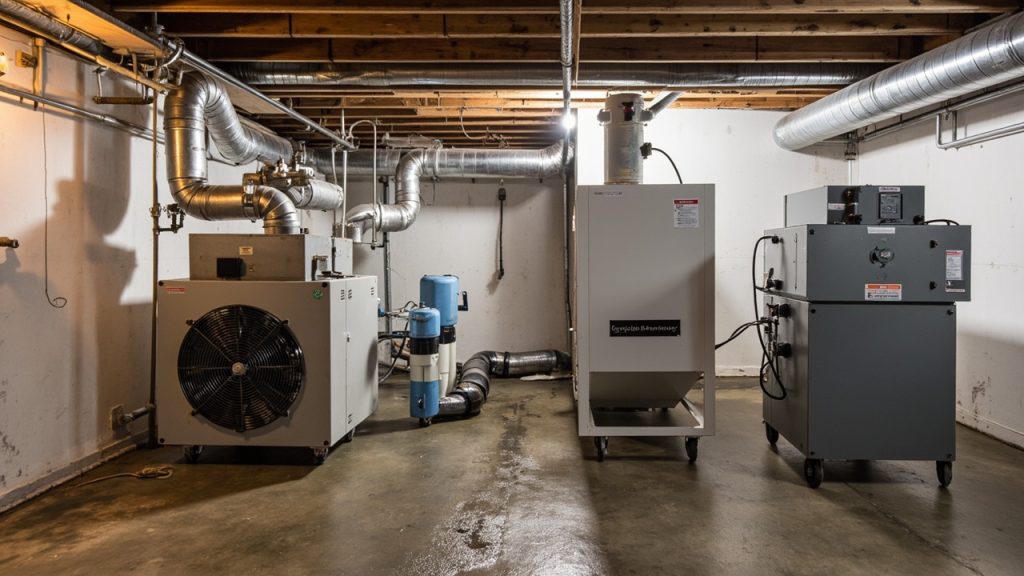
An industrial LGR dehumidifier pulls significantly more water from the air than a household dehumidifier. LGR stands for Low Grain Refrigerant, a refrigeration system that removes moisture even in cold basements where standard dehumidifiers stop working. Where a standard dehumidifier removes 20 to 30 pints of water per day, an LGR unit removes 120 to 180 pints per day. The difference comes from the refrigeration system. LGR dehumidifiers cool incoming air to a temperature where moisture condenses, then warm that dry air before releasing it back into the room. This process, called the regeneration cycle, allows the machines to remove moisture continuously.
Professional teams pair LGR dehumidifiers with axial air movers. These are large fans, often called injectant movers or air movement machines. They push air at high velocity across wet surfaces and into cavities, forcing moisture out of materials and into the air where the dehumidifier can capture it. A single air mover can push 1,500 to 4,000 cubic feet of air per minute. Three or four of these machines working together create rapid moisture migration from materials to air to dehumidifier.
Professionals also use moisture detection equipment that homeowners do not have. Thermal imaging cameras detect moisture by showing temperature variations on building surfaces. A wet wall absorbs heat from the air and appears cooler on thermal imaging than dry areas nearby. Pinless moisture meters measure moisture content without drilling holes, allowing technicians to track drying progress in walls and concrete. Pin-type moisture meters give precise readings of moisture depth in materials.
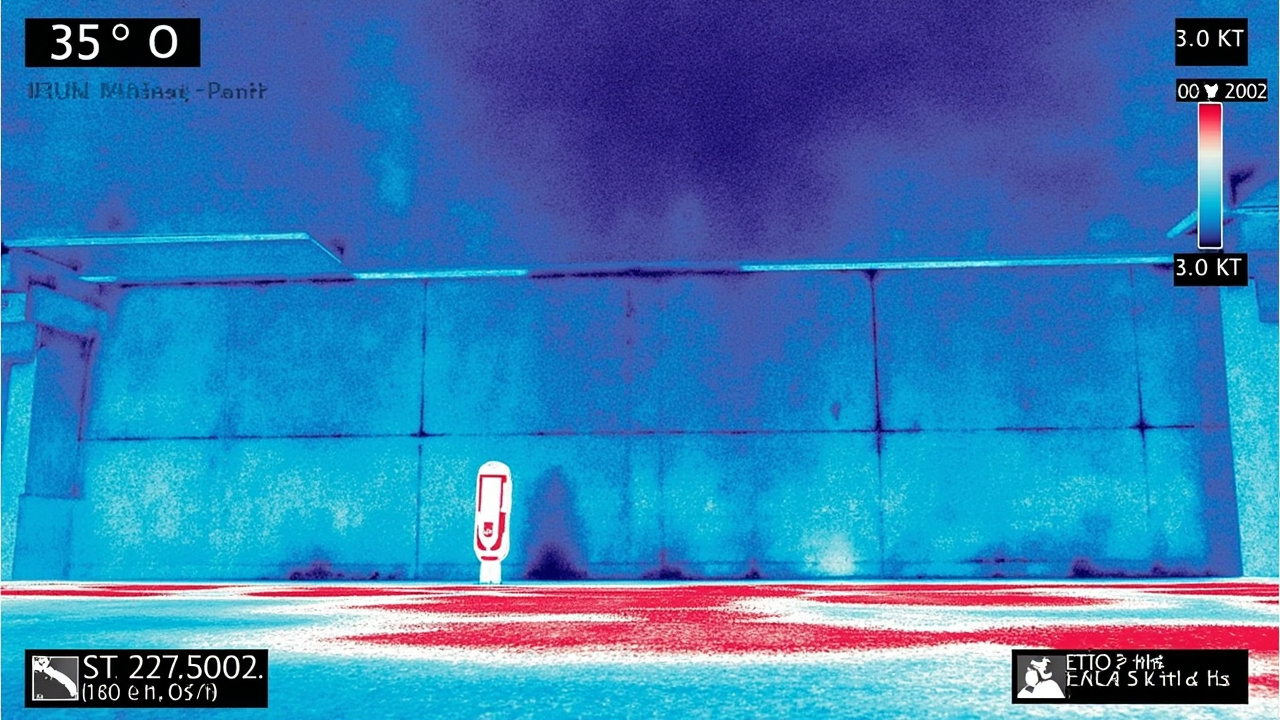
Using this equipment, a professional team can map exactly where moisture sits, monitor drying progress daily, and adjust equipment placement to ensure complete structural drying. The monitoring prevents the common DIY failure where surfaces dry yet cavities remain saturated.
In Norwood Park specifically, professional drying becomes even more critical because the neighborhood’s proximity to the North Branch of the Chicago River and its location on clay soil increase groundwater pressure. A Norwood Park basement water event requires professional response to address both the immediate water removal and the underlying hydrostatic pressure that may continue pushing water into the foundation.
Structural Drying Versus Surface Drying, A Critical Distinction
The restoration industry distinguishes between surface drying and structural drying. Surface drying is when the visible water is gone and the floor feels dry. Structural drying is when the moisture content of building materials drops to normal levels, typically between 12 and 16 percent for wood and concrete depending on the material.
Concrete typically contains 6 to 8 percent moisture at baseline in a dry environment. Drywall baseline is 5 percent. When water damage occurs, these materials saturate to 30, 40, or even 60 percent moisture content. Drying them back to baseline requires consistent air movement and dehumidification over days or weeks depending on material density and depth.
A wet basement concrete floor with 3 inches of water on the surface dries to the touch in 48 hours with a box fan and dehumidifier running. The moisture content of that concrete at day three is still 20 to 25 percent. Mold begins growing at 16 percent. The floor is a mold incubator even though it feels dry.
Professional drying continues until moisture readings confirm structural drying is complete. This typically takes 5 to 10 days for clean water damage in a basement with moderate surface area. In larger areas or with complex water intrusion patterns, structural drying takes 14 to 21 days.
The Risk Matrix When DIY Drying Becomes Dangerous
| Scenario | Water Category | Surface Area Affected | Time Since Event | DIY Risk Level | Recommendation |
|---|---|---|---|---|---|
| Broken supply line under sink | Category 1 (Clean) | Less than 50 sq ft | Less than 12 hours | Low | DIY acceptable with monitoring |
| Sump pump failure, localized pooling | Category 1 (Clean) | 50 to 150 sq ft | Less than 24 hours | Low to Moderate | DIY possible, consider pro monitoring |
| Basement window well breach during rain | Category 1 (Clean) | 100 to 300 sq ft | Less than 24 hours | Moderate | Professional drying recommended |
| Burst pipe in wall during freeze | Category 1 (Clean) | Unknown, likely in wall cavities | Variable | High | Professional immediately |
| Sewage backup from floor drain | Category 3 (Black Water) | Any size | Any time | Extreme | Professional only, biohazard protocols required |
| Flood water from creek or street | Category 2 or 3 (Gray or Black) | Any size | Any time | Extreme | Professional only, contamination and structural risk |
Category 1 water is clean water from a known source like a supply line or rainwater. Category 2 water contains some contamination from soil or minor sewage exposure but is not black water from sewage systems. Category 3 water is sewage or contaminated floodwater. DIY drying is never appropriate for Category 2 or 3 water. These require professional cleanup with biohazard protocols, HEPA air scrubbing, and antimicrobial treatment.
Red flags that force DIY drying to stop immediately include water in wall cavities, water that has been standing for more than 48 hours, water visible in multiple areas of the basement suggesting a systemic problem, any suspicion that sewage is involved, and visible signs of contamination like discoloration or odor.
Professional Drying Equipment and What It Does
| Equipment Type | Function | Moisture Removal Capacity | When Professionals Use It |
|---|---|---|---|
| LGR Dehumidifier | Removes moisture from air through refrigeration cycle | 120 to 180 pints per day per unit | Every water damage restoration job, especially in cool basements |
| Axial Air Mover | Pushes high-velocity air across wet surfaces and into cavities | 1,500 to 4,000 cubic feet per minute airflow | All structural drying work, positioned to maximize moisture migration |
| HEPA Air Scrubber | Captures airborne mold spores and particulates during drying process | Filters 99.97 percent of particles 0.3 microns and larger | Any job where mold contamination risk exists, especially Category 2 or 3 water |
| Thermal Imaging Camera | Detects moisture using temperature differential | Identifies wet areas invisible to the eye | Initial assessment and ongoing monitoring to confirm drying progress |
| Moisture Meter (Pin and Pinless) | Measures moisture content percentage in materials | Confirms baseline moisture content versus saturation | Daily monitoring throughout drying process to document completion |
A professional restoration team deploys four to six LGR dehumidifiers, three to six air movers, and HEPA scrubbing equipment in a 1,000 square foot basement affected by water damage. These machines run continuously until moisture readings show structural drying is complete. Equipment rental and electricity costs run higher than DIY equipment, yet the drying is guaranteed to reach baselines that prevent mold growth and secondary damage.
The Cost Analysis DIY Versus Professional in Reality
A homeowner in Norwood Park faces water in the basement from a sump pump failure. The water covers approximately 500 square feet to a depth of 2 to 4 inches. The water is Category 1 clean water from groundwater seepage through the floor. The homeowner has two options.
Option One entails renting equipment. Two box fans at $20 each per day for three days equals $120. One standard dehumidifier at $30 per day for three days equals $90. Delivery and pickup fees add $50. Electricity for running both machines 72 hours at standard rates adds $25. Total cost is approximately $285.
If mold growth occurs because the concrete remained saturated beneath the surface, remediation costs $3,000 to $8,000. Total cost becomes $3,285 to $8,285. Most homeowners’ insurance policies do not cover mold remediation if the homeowner failed to take mitigation steps after water damage. The cost comes entirely from the homeowner’s pocket.
Option Two involves hiring a professional restoration team. The team performs the initial inspection and moisture mapping, deploys equipment for six days including two days beyond initial rental to confirm drying, documents drying progress with daily moisture readings and thermal imaging, provides a final moisture report, and ensures structural drying is complete. The cost for this service in the Chicago market ranges from $1,500 to $3,500 depending on the company and specific scope.
The professional approach costs $2,000 upfront yet prevents mold from growing. Insurance documentation from the professional drying work supports the homeowner’s claim for the water damage itself, potentially reducing out-of-pocket expenses if the water source was covered under the policy. The total cost often becomes $500 to $1,500 after insurance coverage.
The professional approach is cheaper in most cases when mold risk is factored in. The DIY approach is only cheaper if structural drying occurs before mold growth begins. In Chicago’s humid climate, that window is narrow.
Insurance Documentation and Why Professionals Matter
Your homeowners insurance policy covers water damage from sudden events like burst pipes or sump pump failures, yet only if you mitigate the damage appropriately. Insurance companies define mitigation as taking immediate steps to prevent secondary damage like mold growth.
If you report water damage and the insurance adjuster finds mold when inspecting, the insurance company may deny the water damage claim. They argue that you failed to mitigate by not drying the structure quickly enough. Mold is typically not covered under standard homeowners policies, leaving you without insurance support.
A professional restoration team provides documentation that proves mitigation occurred. They document the initial moisture levels with meters and thermal imaging. They maintain daily logs of equipment operation and moisture readings. They provide a final report confirming structural drying was achieved according to IICRC S500 standards. This documentation protects your insurance claim.
If you dry the basement yourself and mold appears later, you have no professional documentation showing that you took proper mitigation steps. The insurance company can deny your claim. The lack of documentation costs you thousands of dollars in mold remediation.
Chicago Specific Risks Freeze Thaw and Sump Pump Failure
Historic Chicago homes in neighborhoods like Beverly, Oak Park, and Rogers Park have basements with limestone or brick foundations. These materials are porous and absorb water readily. Repeated freezing and thawing cycles crack these foundations and create pathways for water entry that worsen with each winter cycle.
A burst pipe in January during a Polar Vortex event is not just a water damage problem. The hot water from the burst pipe freezes on contact with cold concrete and brick. The ice expands and cracks the surrounding foundation. The freeze-thaw stress affects the entire wall, not just the area where water entered. When spring warmth arrives and snow melts, hydrostatic pressure from groundwater pushes through the newly cracked foundation and causes ongoing seepage into the basement.
Professional drying in this scenario requires not just dehumidification yet also planning for structural reinforcement. A restoration team works with waterproofing contractors to assess foundation integrity and recommend solutions like interior or exterior waterproofing, sump pump installation, or foundation repair.
Sump pump failures are Chicago’s most common basement water problem. A sump pump sits in a pit at the lowest point of the basement floor. When water reaches the pump, it activates and pushes water outside through discharge lines. If the pump fails, water pools in the basement without removing itself.
Sump pump failures happen because the pump motor burns out, the float switch breaks, the discharge line freezes in winter, or the pump becomes blocked by sediment. A backup pump system prevents total failure, yet many Chicago homeowners do not have one. When their primary pump fails during a heavy rain or spring melt, they face rapid basement flooding.
Professional restoration teams treat sump pump failure as a high-priority situation. Water that enters through a failed sump pump is often clean groundwater and qualifies as Category 1, yet the volume of water entering the basement often exceeds DIY drying capacity. A team deploys aggressive drying equipment and works quickly to prevent mold growth before remediation costs spiral.
Sewage backup in older Chicago neighborhoods presents a different crisis. Many areas served by the city’s combined sewer system experience overflow during heavy rains. When surface water exceeds sewer capacity, the system backs up and sewage flows through basement floor drains and up through toilets. This is Category 3 water and requires professional cleanup with biohazard protocols. HEPA scrubbing, antimicrobial treatment, and specialized disposal procedures are necessary. DIY drying of sewage-contaminated water is not safe and violates health codes.
A sewage backup cleanup service addresses this specific Chicago infrastructure problem. Neighborhoods like West Loop, Pilsen, and areas near the Chicago River face regular sewer backup risk because of aging infrastructure and combined sewer design. Communities such as Edgewater on the North Shore and Hyde Park on the South Side experience these challenges due to their proximity to Lake Michigan and their aging sewer systems.
When to Call a Professional Before DIY Becomes Dangerous
The decision point between DIY and professional help comes down to specific factors. Answer these questions honestly.
- Is the water source confirmed as clean water, or is there any possibility it contacted sewage, soil contamination, or floodwater. If uncertain, treat it as contaminated and call a professional.
- Has more than 24 hours passed since the water entered. If yes, professional drying should start immediately.
- Does the affected area cover more than 100 square feet. If yes, DIY equipment lacks the capacity to dry it completely before mold begins growing.
- Is water visible in wall cavities, inside walls, or in spaces you cannot access directly. If yes, you cannot dry those spaces with rental equipment and professional intervention is mandatory.
- Have you experienced previous mold problems in this basement, or does the basement have a history of dampness and moisture issues. If yes, the mold risk from incomplete DIY drying is very high.
- Is your homeowners insurance policy current, and do you plan to file a claim for this water damage. If yes, professional documentation will protect your claim.
If you answered yes to any of these questions, stop DIY attempts and call a professional restoration team. The cost of professional drying is far lower than the cost of mold remediation or structural repair that follows incomplete drying.
Contact a 24/7 emergency water damage cleanup service in Chicago immediately if water damage is significant or if you are uncertain about your ability to dry the space completely. The first phone call happens while you still have options. Waiting three days and then calling means mold may have already begun growing, and your insurance claim protection has weakened.
Why Professional Drying Standards Exist
The IICRC S500 Standard exists because water damage goes wrong predictably when homeowners attempt DIY drying. The standard was created by insurance companies, restoration professionals, and building scientists who studied thousands of water damage cases and identified common failure points.
The standard requires professional drying teams to achieve specific moisture content reductions within specific timeframes. It specifies equipment types needed for different scenarios. It requires daily documentation and final moisture verification. These requirements prevent the common DIY failure where people believe they have solved the problem and stop monitoring, only to discover mold growth weeks later.
Certified IICRC restoration technicians spend time and money earning credentials because they understand the science behind drying. They know psychrometry, moisture dynamics, mold growth conditions, and building materials. This expertise is not obvious to homeowners, yet it determines whether water damage becomes a $2,000 professional drying cost or a $10,000 mold remediation project.
The Right Decision for Your Basement
Professional restoration makes sense for any basement water damage in Chicago that covers more than 100 square feet, involves water that has been present for more than 24 hours, affects wall cavities, involves any water source other than clean supply line water, or impacts your homeowners insurance claim.
DIY drying makes sense only for very small, very recent water events from confirmed clean sources in homes with no previous moisture problems. Even then, monitor carefully with borrowed moisture meters if possible, or follow the equipment rental with a professional moisture assessment to confirm structural drying occurred.
The cost difference between DIY and professional is not as large as the upfront rental prices suggest once mold risk is included. The insurance documentation difference favors professionals. The peace of mind that structural drying was done correctly with proper monitoring is worth the cost.
Schedule a free moisture inspection with a professional restoration team as soon as you notice standing water in your basement or water seepage from foundation walls. A professional can assess the situation, explain your options, and give you an honest estimate of what the situation requires. You can then make an informed decision about DIY versus professional help based on actual facts rather than guesswork.
In the Chicago area, the time to act is now. Spring rains and summer storms will test your basement’s integrity. Winter freeze-thaw cycles will crack foundations. Sump pumps will fail during the exact moment you need them most. Being prepared with an understanding of your basement’s water vulnerability puts you in control when water damage strikes.
Call a restoration professional serving your neighborhood today for that free inspection. Properties in Lincoln Park, Lakeview, Logan Square, West Loop, Norwood Park, Pilsen, Bucktown, Ravenswood, Edgewater, Hyde Park, and throughout Chicago need professional-grade drying solutions. The investment in prevention and rapid professional response protects your home’s structure, your family’s health, and your insurance claim.
{
“@context”: “https://schema.org”,
“@type”: “BlogPosting”,
“headline”: “Professional vs DIY Water Damage Drying for Your Chicago Basement”,
“description”: “Compare professional drying vs DIY rentals for Chicago basements. Learn when professionals matter and why mold costs more than prevention.”,
“wordCount”: 4141,
“datePublished”: “2026-03-15T15:20:00.000Z”,
“dateModified”: “2026-03-15T15:20:00.000Z”,
“inLanguage”: “en-US”,
“mainEntityOfPage”: {
“@type”: “WebPage”,
“@id”: “https://cornerstonewaterdamagerestorationchicago.com”
},
“publisher”: {
“@type”: “LocalBusiness”,
“name”: “Cornerstone Water Damage Restoration Chicago”,
“url”: “https://cornerstonewaterdamagerestorationchicago.com”
},
“author”: {
“@type”: “Organization”,
“name”: “Cornerstone Water Damage Restoration Chicago”,
“url”: “https://cornerstonewaterdamagerestorationchicago.com”
},
“image”: {
“@type”: “ImageObject”,
“url”: “https://cornerstonewaterdamagerestorationchicago.com/wp-content/uploads/2026/03/comparing-professional-drying-equipment-to-home-fa-1.jpg”
}
}
{
“@context”: “https://schema.org”,
“@type”: “LocalBusiness”,
“name”: “Cornerstone Water Damage Restoration Chicago”,
“url”: “https://cornerstonewaterdamagerestorationchicago.com”,
“address”: {
“@type”: “PostalAddress”,
“addressLocality”: “Chicago”
},
“areaServed”: {
“@type”: “City”,
“name”: “Chicago”
}
}
{
“@context”: “https://schema.org”,
“@type”: “BreadcrumbList”,
“itemListElement”: [
{
“@type”: “ListItem”,
“position”: 1,
“name”: “Home”,
“item”: “https://cornerstonewaterdamagerestorationchicago.com”
},
{
“@type”: “ListItem”,
“position”: 2,
“name”: “Blog”,
“item”: “https://cornerstonewaterdamagerestorationchicago.com/blog”
},
{
“@type”: “ListItem”,
“position”: 3,
“name”: “Professional vs DIY Water Damage Drying for Your Chicago Basement”
}
]
}
{
“@context”: “https://schema.org”,
“@type”: “Service”,
“serviceType”: “Water Damage Restoration”,
“provider”: {
“@type”: “LocalBusiness”,
“name”: “Cornerstone Water Damage Restoration Chicago”,
“url”: “https://cornerstonewaterdamagerestorationchicago.com”
},
“areaServed”: {
“@type”: “City”,
“name”: “Chicago”
},
“description”: “Compare professional drying vs DIY rentals for Chicago basements. Learn when professionals matter and why mold costs more than prevention.”
}