
Garden Apartment Flooding in Chicago: Immediate Steps and Professional Restoration
Your garden apartment in Lincoln Square, Logan Square, or West Loop floods differently than a second-floor condo. The ground-level location that made the unit affordable and charming becomes a liability when Chicago’s combined sewer system backs up or heavy spring rain overwhelms your sump pump. You have minutes to act, not hours.
This guide walks you through the first 60 minutes of a flooding event, explains why garden units are vulnerable to Chicago’s climate and infrastructure, and shows you what professional restoration looks like. You will learn to work with your insurance company and understand the local building codes that affect your rental or property value.
What to Do in the First 60 Minutes of Garden Apartment Flooding
Time matters. The difference between catching water damage at two hours and eight hours determines whether your floor joists survive or need structural replacement.
- Ensure electrical safety
Turn off power at the breaker panel if water has reached electrical outlets or appliances. Do not wade into standing water near outlets or light switches. If you cannot safely reach the breaker panel, call Chicago Fire Department non-emergency at 311. Water conducts electricity, and a garden apartment flood often means water at floor level where outlets live.
- Move belongings to higher ground
Grab documents, electronics, photos, and anything with sentimental value. Move furniture legs onto blocks or remove items from the floor entirely. Every minute you spend here is a minute water wicks into drywall and insulation.
- Call Chicago 311 to report sewer involvement
If water is backing up from drains or toilets, report it to Chicago 311. The Metropolitan Water Reclamation District (MWRD) manages the combined sewer system, and they need to know about backups. You will receive a case number. Document this for your insurance claim.
- Document the damage with photos and video
Photograph water level on walls, affected appliances, flooring, and personal property. Take video panning the room to show the extent of damage. Email images to yourself and your insurance company. This is your proof for the claim.
- Contact your landlord or property manager immediately
If you rent, your lease likely requires notification within 24 hours. Provide the 311 case number and your photos. Landlords carry liability insurance and have relationships with restoration companies. Do not wait for them to find out from a neighbor.
- Call a professional restoration company with 24/7 availability
Water damage worsens by the hour. Cornerstone Water Damage Restoration responds to calls day or night because mold begins growing within 24 to 48 hours. A delay of even a few hours increases the cost and the health risk from mold and sewage contamination.
Why Garden Apartments in Chicago Are Uniquely Vulnerable to Flooding
Chicago’s infrastructure and geology make garden apartments targets for water intrusion. Knowing the cause helps you understand the prevention steps and sets realistic expectations for long-term protection.
Chicago’s Combined Sewer System and Backup Risk
Chicago built its original sewer system to handle both sewage and stormwater in a single pipe. When heavy rain falls, the system overloads. The city has invested billions in the Deep Tunnel Project (TARP) to store excess water underground, but older neighborhoods like Rogers Park, Beverly, and parts of the West Loop still rely on the older combined system. A half-inch of rain in two hours can exceed capacity and force sewage and contaminated stormwater backward into your garden apartment.
This water is Category 3 water, also called black water. It contains fecal matter, pathogens, and chemicals. Exposure creates serious health hazards. Professional remediation is non-negotiable for sewage backups.
Hydrostatic Pressure and Wet Basements
Chicago sits on clay-rich soil with a high water table, especially near Lake Michigan. After spring rains or during wet seasons, groundwater presses against your foundation wall with immense force. This hydrostatic pressure pushes water through cracks, through the footer, and into your garden apartment. Even a well-sealed basement will show dampness when groundwater pressure peaks.
Garden apartments in Lakeview and neighborhoods near the lakefront experience this more frequently than those in drier areas like Naperville or Downers Grove.
Sump Pump Failure During Peak Demand
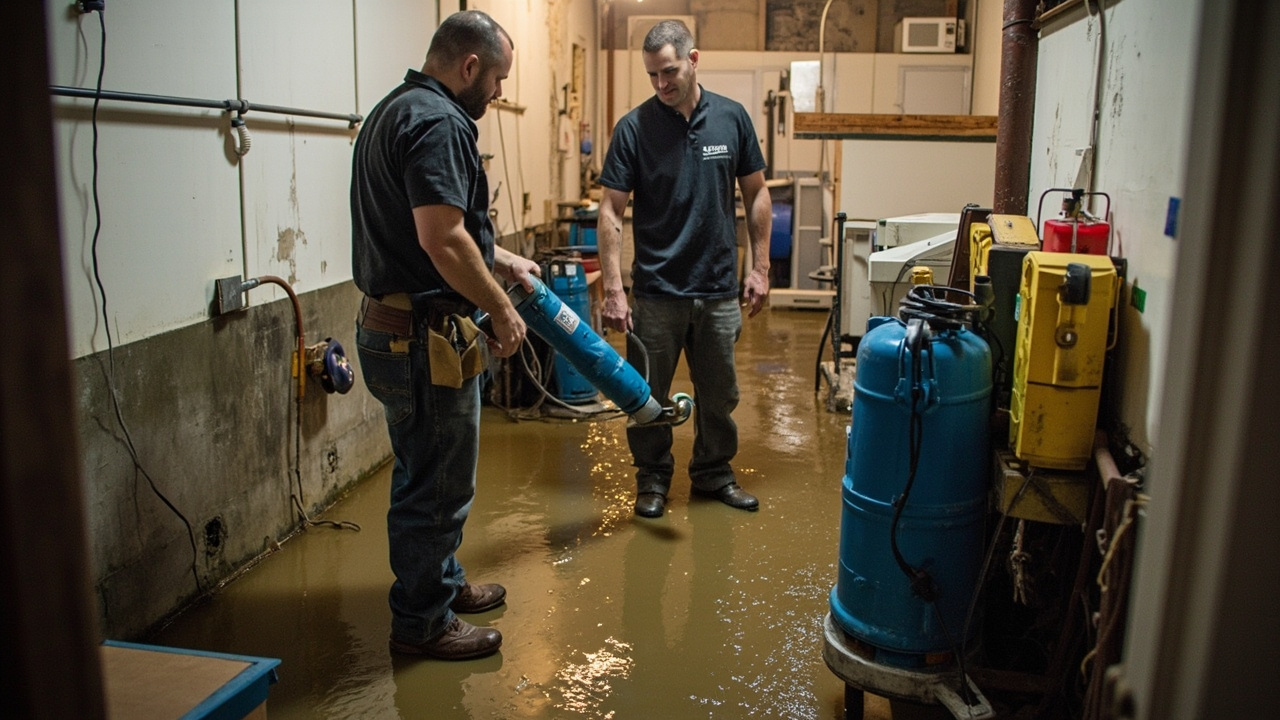
Most garden apartments have a sump pit and pump to manage groundwater. The pump sits in the pit and activates when water reaches a set level. During heavy spring rains, the pump runs continuously. The motor burns out. The check valve clogs with sediment. The power fails during a storm. You have no way to remove the water, and it rises into your living space within hours.
Chicago’s climate adds risk. The polar vortex brings freeze-thaw cycles that crack pipes and destabilize soil. Summer humidity accelerates mold growth once water damage occurs.
Aging Building Envelope and Poor Grading
Historic Chicago bungalows and two-flats, common in Lincoln Park and Rogers Park, have limestone or brick foundations that crack over time. Soil settles. Grading around the foundation slopes inward instead of away from the building, channeling rain toward your basement. Many landlords have not invested in backwater valves or sump pump upgrades because the cost seems high until a flood costs ten times more.
| Flooding Source | Likelihood in Garden Apartments | Water Category | Primary Prevention |
| Sewer backup through drains | High in older neighborhoods | Category 3 (Black Water) | Backwater valve installation |
| Groundwater seepage | High near Lake Michigan, year-round risk | Category 1 (Clean Water) | Interior or exterior waterproofing |
| Sump pump failure | High during spring and summer storms | Category 1 initially, Category 2 if sewage involved | Pump maintenance and battery backup |
| Pipe burst from freezing | Moderate, seasonal winter risk | Category 1 (Clean Water) | Insulation and heat tape |
Professional Restoration Process for Garden Apartments
Once you call a restoration company, the work follows a defined sequence. Understanding each phase helps you communicate with technicians and know what to expect regarding timeline and cost.
Extraction and Water Removal
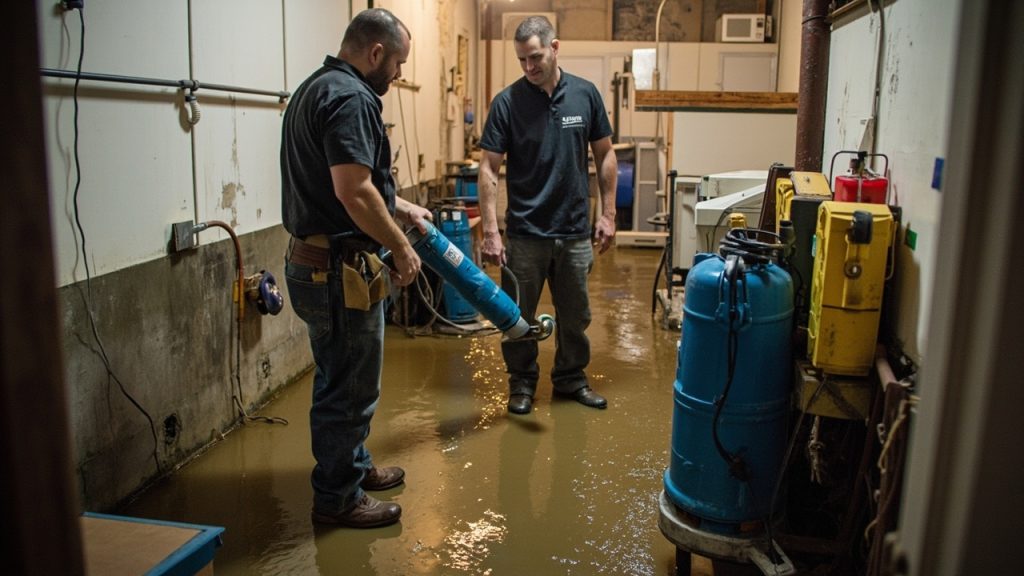
IICRC-certified technicians begin by extracting standing water using submersible pumps and truck-mounted vacuum systems. For a typical garden apartment, this takes 4 to 8 hours depending on the volume. The team then uses portable extractors on carpeting and padding to remove moisture trapped in fibers and the substrate below.
Water pumped from the unit is tested if sewage is suspected. Category 3 water requires special handling and disposal through licensed hazardous waste facilities.
Structural Drying
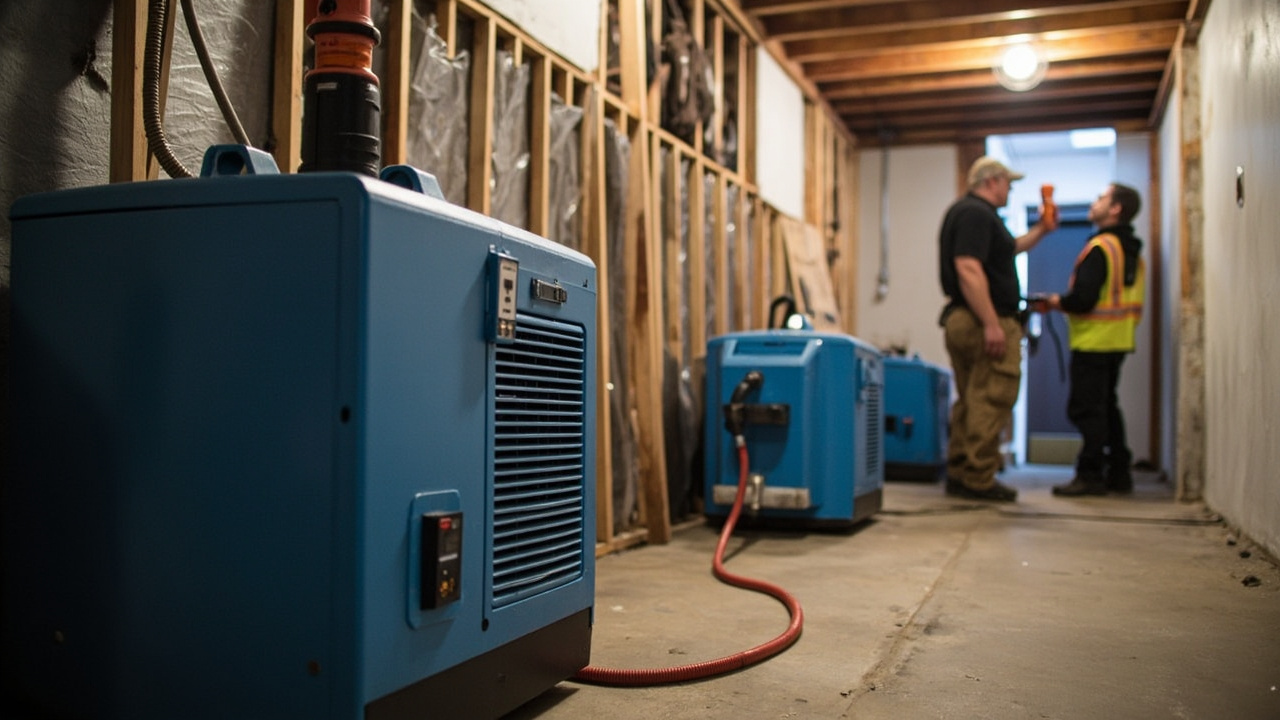
This is the longest phase. After water removal, moisture remains in walls, insulation, wood framing, and concrete slabs. A restoration crew places drying equipment strategically to remove this moisture before mold colonizes. The process involves commercial-grade dehumidifiers and high-volume air movers.
Structural drying can take 5 to 14 days depending on the extent of saturation, ambient humidity, and whether walls must be opened for internal drying. Masonry foundations common in older Chicago homes retain water longer than modern framing, extending the timeline.
Moisture readings guide the process. Technicians measure moisture content in materials daily. When readings fall below acceptable thresholds, drying is complete.
Mold Remediation and Antimicrobial Treatment
If water damage goes more than 48 hours without professional drying, mold growth begins. Even clean water flooding can develop mold. A professional crew applies IICRC-approved antimicrobial treatments to affected materials and encapsulates or removes materials that cannot be salvaged.
Chicago’s humid summers mean mold grows quickly. Mold in water-damaged homes is a serious health concern, especially for children and people with respiratory conditions.
Decontamination of Sewage-Contaminated Surfaces
Category 3 water requires decontamination of all affected surfaces. This means washing floors, walls, and any items that made contact with sewage using approved detergents and antimicrobials. In many cases, porous materials like carpet, drywall, and insulation cannot be fully decontaminated and must be removed and replaced.
This phase is critical because sewage contamination poses ongoing health risks if incomplete.
Water Damage Categories and What They Mean for Your Garden Apartment
Water damage is classified by the source and contamination level. Your insurance claim and restoration approach depend on this classification.
| Category | Source Examples | Health Risk | Restoration Approach |
| Category 1 (Clean Water) | Broken water heater, burst supply line, rain on intact roof | Minimal initial risk, but mold risk increases after 48 hours | Extraction, drying, basic cleaning |
| Category 2 (Gray Water) | Washing machine discharge, dishwasher leak, toilet overflow from clogged drain (not sewage) | Contains some bacteria and contaminants, mold risk is high | Extraction, antimicrobial treatment, thorough drying, material replacement if saturation is deep |
| Category 3 (Black Water) | Sewer backup, toilet overflow with sewage, flood water from streets | Serious pathogenic contamination, mold, airborne hazards | Full decontamination, material replacement, antimicrobial sealing, respiratory protection for workers |
Navigating Insurance Claims for Garden Apartment Flooding
Your coverage depends on your policy type and the flood source. Renters insurance and homeowners policies treat flooding from different sources differently.
Sewer Backup Rider Coverage
Standard homeowners and renters policies exclude sewer backup damage. If you want coverage, you must add a sewer backup rider to your policy. This rider covers water that backs up through drains, toilets, and other internal plumbing when the municipal sewer system overflows.
The rider typically covers between 5,000 and 50,000 dollars depending on your policy. In Chicago, where combined sewer backups occur regularly during storms, this rider is worth the annual cost of 50 to 100 dollars.
Flood Insurance and FEMA Flood Zones
Standard policies exclude flooding from rising water tables, overflowing rivers, or saturated ground. Flood insurance is purchased separately through the National Flood Insurance Program (NFIP) or private insurers. If your garden apartment is in a designated flood zone or near Lake Michigan, your mortgage lender may require flood insurance.
Flood insurance takes 30 days to activate. Once activated, there is a waiting period. Do not assume you are covered. Check your policy or call your agent.
Working with Your Insurance Company
File your claim within 30 days of the loss. Provide your documentation: photos, the Chicago 311 case number if applicable, and a detailed timeline of events. Many insurers allow you to send photos via mobile app or email.
Most insurers hire their own adjusters to inspect damage. You have the right to hire an independent adjuster to represent your interests. If the insurance estimate seems low, request a second opinion.
A reputable restoration company can help manage the claim process. Read more about water damage insurance claims in Chicago to understand what maximizes your payout.
Chicago Building Codes and Garden Apartment Habitability
Chicago building code defines minimum requirements for basement occupancy. If your garden apartment has been finished and rented as living space, it must meet these standards.
Sub-Soil Drainage Requirements
Chicago requires that foundations have drainage below the footer to manage groundwater. A sump pump system must be installed in properties below the elevation of the sewer main or in areas with a high water table. The pump must discharge to a proper outlet, not back into the adjacent soil.
Many older garden apartments in neighborhoods like Beverly and Hyde Park lack compliant drainage systems. Upgrading brings you into code compliance and reduces future flood risk.
Backwater Valve Requirements
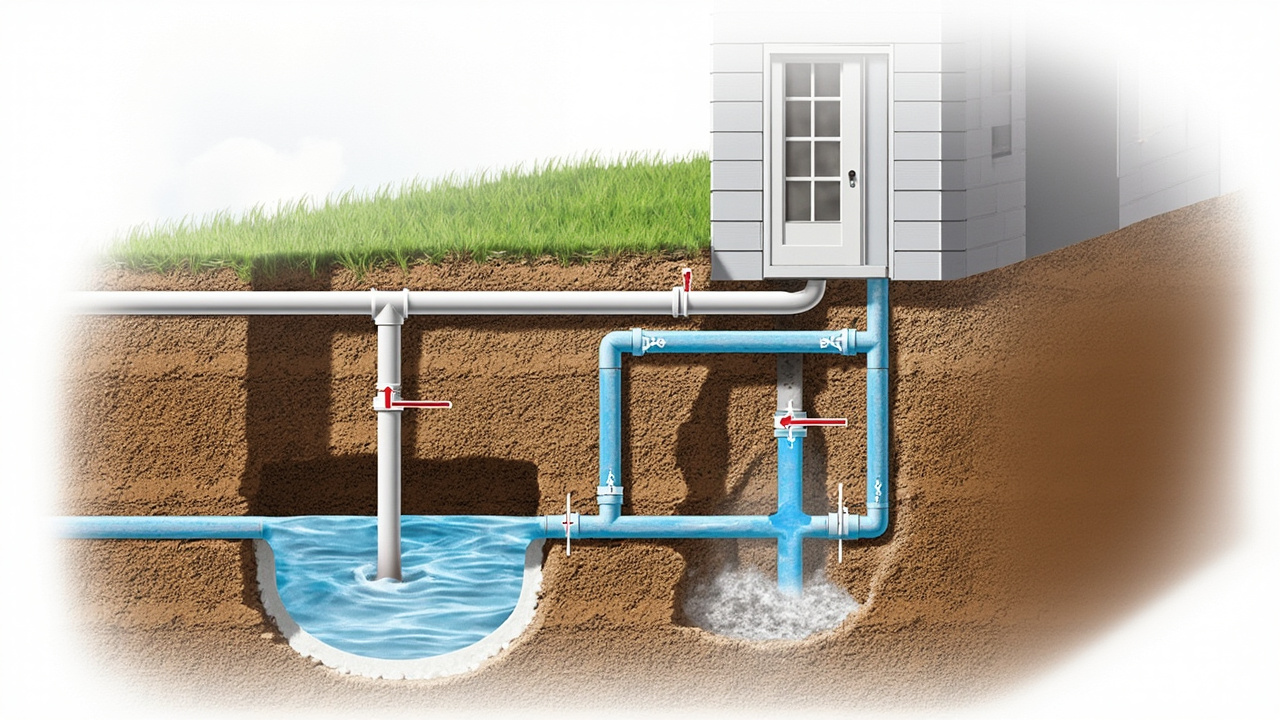
Chicago does not mandate backwater valves in existing homes, but the city strongly recommends them for properties in combined sewer zones. The valve is installed on your main sewer line and closes if sewage backs up, preventing contamination from entering your home.
The valve costs 1,500 to 4,000 dollars to install and is one of the most effective protections against sewage backup. Many insurance companies offer discounts if you install one.
Lead and Asbestos Considerations
If your garden apartment was built before 1978, renovation work must comply with lead-safe practices. Drywall removal, sanding, or renovation triggers lead and asbestos testing requirements under Chicago ordinance. Professional restoration companies know these requirements and carry the necessary certifications.
Landlords are responsible for lead disclosure and compliance. This is another reason to hire professionals rather than attempt restoration yourself.
Long-Term Prevention Strategies for Garden Apartments
Prevention is less costly than restoration. Work with your landlord or property manager to implement these measures.
Sump Pump Maintenance and Battery Backup
Have your sump pump serviced annually before spring. The technician cleans the pit, tests the pump and float switch, and verifies the discharge line. Install a battery backup pump that activates if the main pump fails or power is lost during a storm.
Grading and Drainage
Soil should slope away from your foundation at least 4 to 5 inches per 10 feet. If water pools against your foundation, regrading can redirect it and reduce hydrostatic pressure. This is an inexpensive prevention step.
Interior Waterproofing Coatings
Basement walls can be sealed with waterproof coatings that reduce moisture infiltration. Interior waterproofing is less invasive than exterior excavation and works well for preventing dampness from low-level seepage.
Exterior Waterproofing and Foundation Repair
For homes with structural cracks or severe seepage, exterior waterproofing is the gold standard. Workers excavate around the foundation, repair cracks, install drainage board, and apply waterproof membrane. Cost is significant but provides decades of protection.
Comparing DIY Drying Versus Professional Restoration
After a flood, you may wonder whether hiring professionals is necessary or whether you can dry the space yourself. The answer depends on water category, saturation depth, and time elapsed.
For Category 1 water (clean water) caught immediately, aggressive drying with fans and dehumidifiers you rent may suffice. For Category 2 or 3 water, professional remediation is required for safety. In most cases, drying your own basement after flooding risks hidden moisture and mold growth because you lack professional-grade equipment and moisture monitoring technology.
Professional equipment (industrial dehumidifiers and air movers) removes moisture 3 to 5 times faster than rental equipment. The cost difference is often recovered through lower mold remediation expenses and reduced insurance deductibles.
Choosing a Restoration Company in Chicago
Not all restoration companies are equal. Look for these qualifications when comparing options.
- IICRC certification (Institute of Inspection Cleaning and Restoration Certification). The company should employ technicians certified in Water Damage Restoration, Applied Structural Drying, and Mold Remediation.
- 24/7 emergency availability. Flooding does not wait for business hours. A company that answers calls at 2 AM demonstrates commitment to fast response.
- Local presence. A company with a physical location and fleet in Chicago understands the city’s climate, building styles, and sewer system. They can respond faster than a national chain.
- Insurance relationships. The company should work directly with major carriers and help manage your claim. Ask if they can accept assignment of benefits to reduce your out-of-pocket costs.
- Transparency. Before work begins, the company should explain the process, provide a scope of work, and discuss timeline and cost. Avoid companies that pressure you into immediate decisions.
Ask for references from recent projects in your neighborhood. Word-of-mouth from neighbors is the most reliable indicator of quality.
Frequently Asked Questions
How fast does mold grow after garden apartment flooding?
Mold begins colonizing wet materials within 24 to 48 hours. Visible mold may not appear for days, but spore-forming fungi are already present. This is why rapid professional drying is critical. The faster you remove moisture, the lower your mold risk.
Can I stay in my garden apartment while it is being dried?
Not during active water extraction and structural drying. Industrial equipment generates noise and dust. If sewage backup occurred, your apartment is not safe to occupy until decontamination is complete. Most people stay with friends or family or use insurance money to cover hotel costs during restoration.
What is the difference between a sump pump and a backwater valve?
A sump pump removes groundwater and seepage water that collects in a pit. It pumps water away from the foundation. A backwater valve is installed on the main sewer line and prevents sewage from backing up into your home when the municipal sewer is overloaded. Both are useful. A sump pump handles groundwater. A backwater valve handles sewage backup.
Does my renters insurance cover garden apartment flooding?
Standard renters insurance covers water damage from burst pipes and accidental leaks inside the apartment. It does not cover sewer backup or flooding from groundwater unless you add a sewer backup rider. If you rent a garden apartment, ask your agent about the rider. The cost is low and the protection is important.
How much does backwater valve installation cost?
Installation ranges from 1,500 to 4,000 dollars depending on the depth of your main line, soil conditions, and local labor rates. If you are a homeowner, this is a one-time investment that protects you for decades. If you rent, request that your landlord install one. Insurance companies often offer discounts that recover the cost over time.
What should I do if Chicago 311 is slow to respond to a sewer backup?
The Metropolitan Water Reclamation District (MWRD) manages the sewer system. Call 311 to report the backup, but if your water has come from the city side, you can file a claim with the city for damages related to the municipal system failure. This claim has strict deadlines, so act quickly. Your restoration company can advise you on this process.
Act Now to Protect Your Garden Apartment
Garden apartments in Chicago face real flooding risks from sewer backups, groundwater, and failed sump pumps. You cannot eliminate the risk, but you can reduce it and prepare a response plan.
If you have never experienced a flood, talk to your landlord or hire a professional to assess your drainage and sump pump condition. A brief inspection costs far less than emergency restoration.
If you are currently dealing with water damage, do not wait. Call Cornerstone Water Damage Restoration at any hour. We respond to emergency calls 24/7 because water damage worsens by the minute. We handle the extraction, structural drying, and restoration work while managing your insurance claim. You focus on getting back to normal.
Visit our service areas to confirm we cover your neighborhood, then call to schedule your assessment or emergency response today.
{
“@context”: “https://schema.org”,
“@type”: “BlogPosting”,
“headline”: “Garden Apartment Flooding in Chicago: Immediate Steps and Professional Restoration”,
“description”: “Garden apartments in Chicago face unique flooding risks from sewer backups and hydrostatic pressure. Learn what to do in the first 60 minutes and how to prevent future damage.”,
“wordCount”: 2957,
“datePublished”: “2026-03-13T11:45:00.000Z”,
“dateModified”: “2026-03-13T11:45:00.000Z”,
“inLanguage”: “en-US”,
“mainEntityOfPage”: {
“@type”: “WebPage”,
“@id”: “https://cornerstonewaterdamagerestorationchicago.com”
},
“publisher”: {
“@type”: “LocalBusiness”,
“name”: “Cornerstone Water Damage Restoration Chicago”,
“url”: “https://cornerstonewaterdamagerestorationchicago.com”
},
“author”: {
“@type”: “Organization”,
“name”: “Cornerstone Water Damage Restoration Chicago”,
“url”: “https://cornerstonewaterdamagerestorationchicago.com”
},
“image”: {
“@type”: “ImageObject”,
“url”: “https://cornerstonewaterdamagerestorationchicago.com/wp-content/uploads/2026/03/the-unique-flooding-risks-of-living-in-a-lincoln-s-1.jpg”
}
}
{
“@context”: “https://schema.org”,
“@type”: “LocalBusiness”,
“name”: “Cornerstone Water Damage Restoration Chicago”,
“url”: “https://cornerstonewaterdamagerestorationchicago.com”,
“address”: {
“@type”: “PostalAddress”,
“addressLocality”: “Chicago”
},
“areaServed”: {
“@type”: “City”,
“name”: “Chicago”
}
}
{
“@context”: “https://schema.org”,
“@type”: “FAQPage”,
“mainEntity”: [
{
“@type”: “Question”,
“name”: “How fast does mold grow after garden apartment flooding?”,
“acceptedAnswer”: {
“@type”: “Answer”,
“text”: “Mold begins colonizing wet materials within 24 to 48 hours. Visible mold may not appear for days, but spore-forming fungi are already present. This is why rapid professional drying is critical. The faster you remove moisture, the lower your mold risk.”
}
},
{
“@type”: “Question”,
“name”: “Can I stay in my garden apartment while it is being dried?”,
“acceptedAnswer”: {
“@type”: “Answer”,
“text”: “Not during active water extraction and structural drying. Industrial equipment generates noise and dust. If sewage backup occurred, your apartment is not safe to occupy until decontamination is complete. Most people stay with friends or family or use insurance money to cover hotel costs during restoration.”
}
},
{
“@type”: “Question”,
“name”: “What is the difference between a sump pump and a backwater valve?”,
“acceptedAnswer”: {
“@type”: “Answer”,
“text”: “A sump pump removes groundwater and seepage water that collects in a pit. It pumps water away from the foundation. A backwater valve is installed on the main sewer line and prevents sewage from backing up into your home when the municipal sewer is overloaded. Both are useful. A sump pump handles groundwater. A backwater valve handles sewage backup.”
}
},
{
“@type”: “Question”,
“name”: “Does my renters insurance cover garden apartment flooding?”,
“acceptedAnswer”: {
“@type”: “Answer”,
“text”: “Standard renters insurance covers water damage from burst pipes and accidental leaks inside the apartment. It does not cover sewer backup or flooding from groundwater unless you add a sewer backup rider. If you rent a garden apartment, ask your agent about the rider. The cost is low and the protection is important.”
}
},
{
“@type”: “Question”,
“name”: “How much does backwater valve installation cost?”,
“acceptedAnswer”: {
“@type”: “Answer”,
“text”: “Installation ranges from 1,500 to 4,000 dollars depending on the depth of your main line, soil conditions, and local labor rates. If you are a homeowner, this is a one-time investment that protects you for decades. If you rent, request that your landlord install one. Insurance companies often offer discounts that recover the cost over time.”
}
},
{
“@type”: “Question”,
“name”: “What should I do if Chicago 311 is slow to respond to a sewer backup?”,
“acceptedAnswer”: {
“@type”: “Answer”,
“text”: “The Metropolitan Water Reclamation District (MWRD) manages the sewer system. Call 311 to report the backup, but if your water has come from the city side, you can file a claim with the city for damages related to the municipal system failure. This claim has strict deadlines, so act quickly. Your restoration company can advise you on this process.”
}
}
]
}
{
“@context”: “https://schema.org”,
“@type”: “HowTo”,
“name”: “How to respond to garden apartment flooding in Chicago”,
“step”: [
{
“@type”: “HowToStep”,
“position”: 1,
“name”: “Ensure electrical safety”,
“text”: “Turn off power at the breaker panel if water has reached electrical outlets or appliances. Do not wade into standing water near outlets or light switches. If you cannot safely reach the breaker panel, call Chicago Fire Department non-emergency at 311. Water conducts electricity, and a garden apartment flood often means water at floor level where outlets live.”
},
{
“@type”: “HowToStep”,
“position”: 2,
“name”: “Move belongings to higher ground”,
“text”: “Grab documents, electronics, photos, and anything with sentimental value. Move furniture legs onto blocks or remove items from the floor entirely. Every minute you spend here is a minute water wicks into drywall and insulation.”
},
{
“@type”: “HowToStep”,
“position”: 3,
“name”: “Call Chicago 311 to report sewer involvement”,
“text”: “If water is backing up from drains or toilets, report it to Chicago 311. The Metropolitan Water Reclamation District (MWRD) manages the combined sewer system, and they need to know about backups. You will receive a case number. Document this for your insurance claim.”
},
{
“@type”: “HowToStep”,
“position”: 4,
“name”: “Document the damage with photos and video”,
“text”: “Photograph water level on walls, affected appliances, flooring, and personal property. Take video panning the room to show the extent of damage. Email images to yourself and your insurance company. This is your proof for the claim.”
},
{
“@type”: “HowToStep”,
“position”: 5,
“name”: “Contact your landlord or property manager immediately”,
“text”: “If you rent, your lease likely requires notification within 24 hours. Provide the 311 case number and your photos. Landlords carry liability insurance and have relationships with restoration companies. Do not wait for them to find out from a neighbor.”
},
{
“@type”: “HowToStep”,
“position”: 6,
“name”: “Call a professional restoration company with 24/7 availability”,
“text”: “Water damage worsens by the hour. Cornerstone Water Damage Restoration responds to calls day or night because mold begins growing within 24 to 48 hours. A delay of even a few hours increases the cost and the health risk from mold and sewage contamination.”
}
],
“image”: “https://cornerstonewaterdamagerestorationchicago.com/wp-content/uploads/2026/03/the-unique-flooding-risks-of-living-in-a-lincoln-s-1.jpg”
}
{
“@context”: “https://schema.org”,
“@type”: “BreadcrumbList”,
“itemListElement”: [
{
“@type”: “ListItem”,
“position”: 1,
“name”: “Home”,
“item”: “https://cornerstonewaterdamagerestorationchicago.com”
},
{
“@type”: “ListItem”,
“position”: 2,
“name”: “Blog”,
“item”: “https://cornerstonewaterdamagerestorationchicago.com/blog”
},
{
“@type”: “ListItem”,
“position”: 3,
“name”: “Garden Apartment Flooding in Chicago: Immediate Steps and Professional Restoration”
}
]
}
{
“@context”: “https://schema.org”,
“@type”: “Service”,
“serviceType”: “Water Damage Restoration”,
“provider”: {
“@type”: “LocalBusiness”,
“name”: “Cornerstone Water Damage Restoration Chicago”,
“url”: “https://cornerstonewaterdamagerestorationchicago.com”
},
“areaServed”: {
“@type”: “City”,
“name”: “Chicago”
},
“description”: “Garden apartments in Chicago face unique flooding risks from sewer backups and hydrostatic pressure. Learn what to do in the first 60 minutes and how to prevent future damage.”
}