
Buying a House with Water Damage History The Chicago Homeowner’s Guide
You found the house. The price is right. The neighborhood is perfect. Then you learn it flooded in the basement five years ago. Your real estate agent says it was “fully repaired,” but you have questions. What does “fully repaired” mean? Could the problem happen again? Will your insurance cost more? Will you be able to sell it later?
This is the moment where most Chicago homebuyers freeze. They either walk away without understanding what they’re missing or move forward without understanding what they’re inheriting.
This guide gives you the framework to make that decision with confidence. You will learn what water damage actually tells you about a property, how to spot hidden problems during a walkthrough, what your insurance company already knows about the house through CLUE reports, and whether past water damage is a dealbreaker or a negotiation point.
As someone who has responded to thousands of water emergencies across Chicago including Logan Square, Lakeview, Beverly, Ukrainian Village, and the greater metropolitan area, I can tell you this: past water damage is not a mystery. The signs are there. You just need to know where to look.
Is Past Water Damage a Dealbreaker
The answer depends on three things. First, what type of water caused the damage. Second, how well it was actually fixed. Third, whether the underlying cause was one time or chronic.
A burst pipe from the polar vortex in January that caused one flood five years ago is completely different from a basement that seeps every spring for decades. One is a past event. The other is a permanent condition.
Many Chicago homes have water damage history. Our climate guarantees it. Our soil chemistry invites it. Our aging infrastructure enables it. The question is not whether the house has ever seen water. The question is whether it is currently vulnerable and whether previous repairs were done correctly.
Three Categories of Water Damage and What They Mean
Professional restoration standards distinguish between three types of water damage. Understanding the difference changes how you evaluate a property.
Category 1 (Clean Water) comes from broken supply lines, burst pipes, or rain that enters through a roof. This water is sanitary at the source. The pipes in your house carry potable water. The damage can still be severe, but the water itself is not toxic. A burst pipe in a Chicago winter that flooded a basement for six hours falls here.
Category 2 (Gray Water) comes from washing machines, dishwashers, HVAC condensation drain lines, or water that backs up from a toilet bowl. This water contains some microbial contamination. It is not immediately hazardous, but it carries bacteria and requires proper cleaning and drying protocols. A leaking dishwasher subfloor incident or a sump pump failure that allowed groundwater to accumulate falls here.
Category 3 (Black Water) comes from sewage backup, toilet overflow with fecal matter, contaminated groundwater, or outdoor floodwater. This water is highly toxic and presents serious health risks. It requires professional remediation with full biohazard protocols. A sanitary sewer backup in your basement falls here.
When you ask the seller or their agent about past water damage, you need to know which category it was. Category 1 damage requires thorough drying and inspection. Category 2 and 3 require professional remediation, structural assessment, and often replacement of affected materials.
Red Flags to Spot During a Chicago Home Showing
You cannot see mold growing inside walls. You cannot measure hydrostatic pressure from the Chicago Blue Clay pushing against your foundation from below. You cannot test for hidden moisture with your eyes. But you can train yourself to recognize the physical signs that past water damage may not be fully resolved.
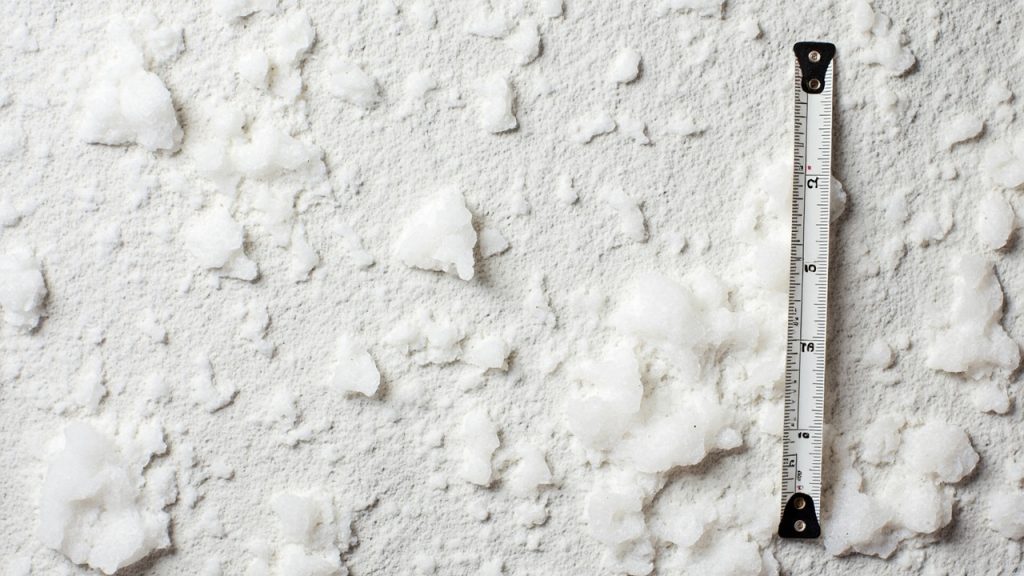
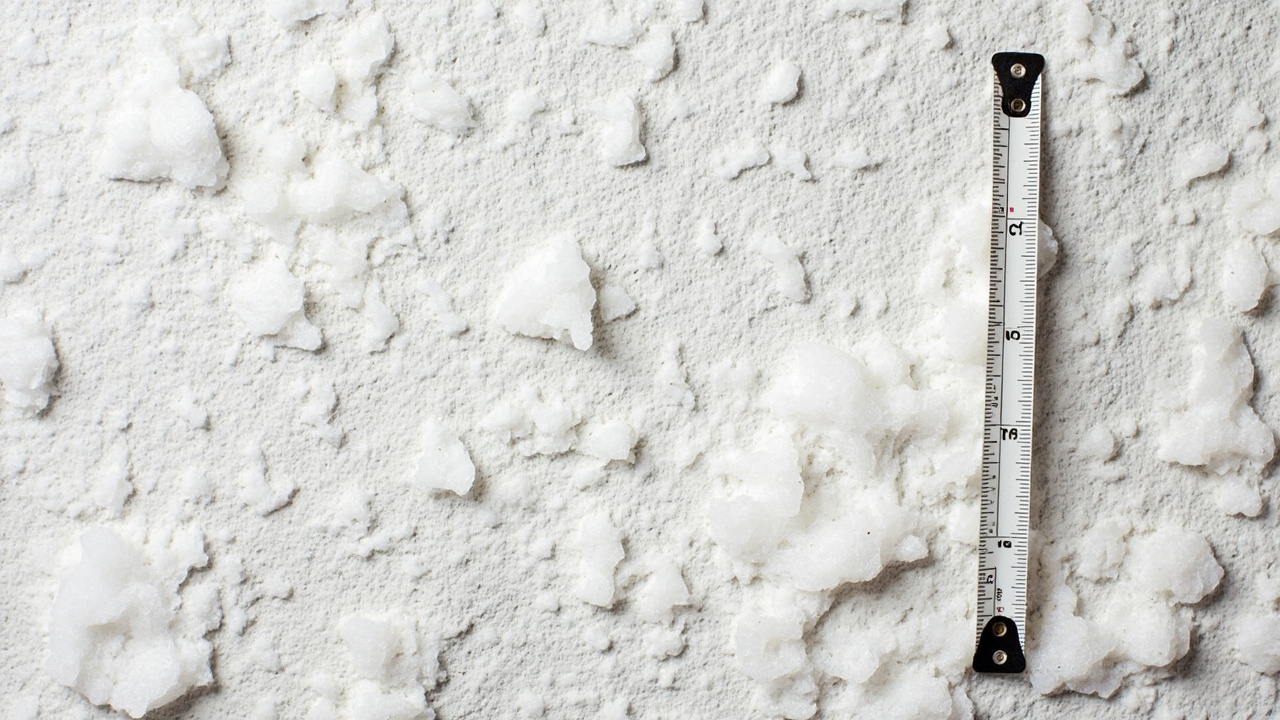
Efflorescence on Basement Walls or Brick appears as white, chalky, or crystalline deposits on masonry surfaces. This mineral residue forms when water moves through brick or concrete, carrying dissolved salts. If you see efflorescence, water has passed through those walls repeatedly. This is the single most reliable indicator of ongoing or recent moisture problems in a Chicago basement. It does not mean the house is uninhabitable, but it means water is moving where it should not.
Musty, Earthy Odors in the Basement or First Floor indicate active mold or mildew growth. Chicago basements in older homes like bungalows, two-flats, and workers cottages have unfinished spaces with exposed joists and concrete. Moisture travels fast in these environments. If the basement smells like wet earth or old socks, mold spores are present. Proper drying stops this smell. A persistent smell means drying was incomplete or the moisture source never stopped.
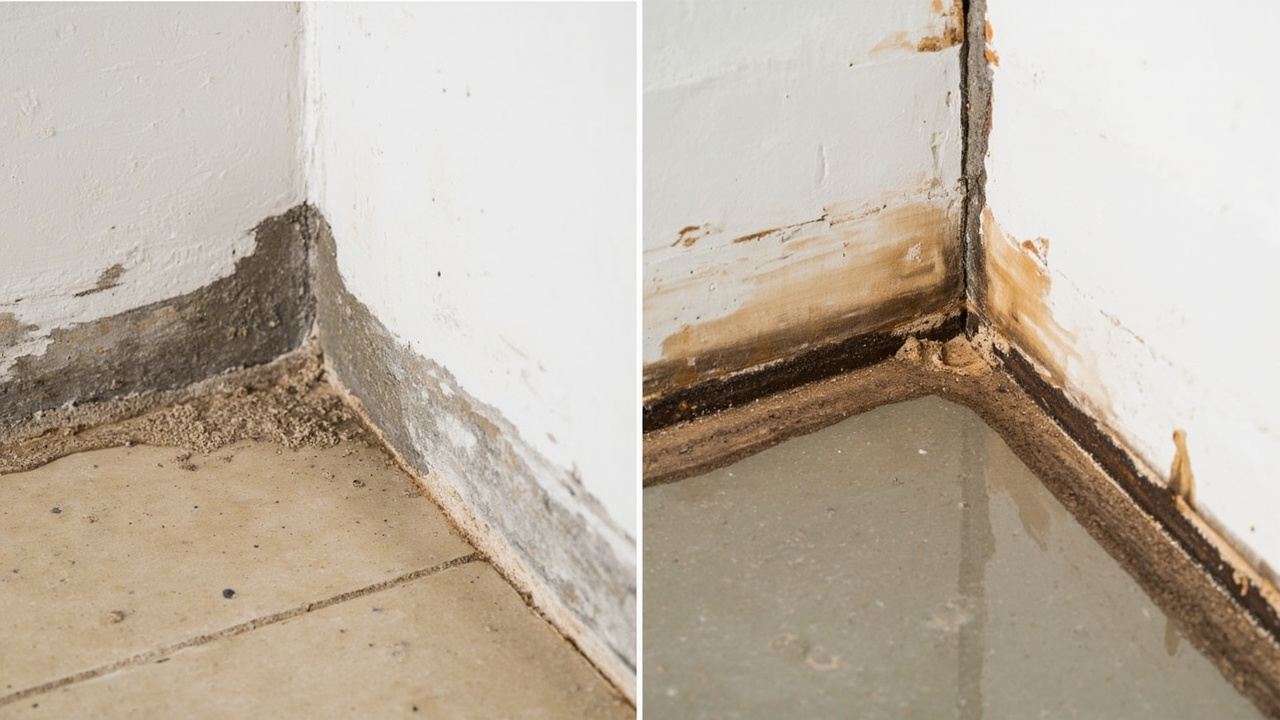
Staining, Discoloration, or Waterlines on Walls and Baseboards show exactly where water reached. In finished basements, look for darker staining on drywall, wood trim, or flooring. In unfinished spaces, look for rust on pipes, discoloration on concrete, or bleached wood. Sellers sometimes paint over water stains. Look behind furniture. Look at trim boards. Look at the junction where walls meet concrete floors.
Peeling Paint, Bubbling, or Flaking Wallpaper on lower walls and near baseboards suggests water damage beneath the surface. Water-damaged drywall often delaminates. The paper layer separates from the gypsum core. This happens when moisture was trapped before proper drying occurred. It is a sign that the repair was cosmetic, not structural.
Soft, Spongy, or Discolored Flooring Materials in basements or first floors indicate moisture saturation. Hardwood floors cup or buckle. Carpet padding retains moisture and develops mold. Vinyl or linoleum lifts or bubbles. Concrete may have dark patches indicating trapped moisture underneath. If you feel any give in the floor or see separation, water damage likely extends below the visible surface.
New or Recently Replaced Sump Pumps, Dehumidifiers, or Drain Systems can be a good sign because the owner is managing moisture or a warning sign because the problem is active enough to require constant equipment. Ask the seller when the sump pump was installed. If it is newer than five years old in a home with historical flooding, the water problem may be ongoing.
Cracks in Foundation Walls, Especially Horizontal or Step-Pattern Cracks indicate structural stress. Hydrostatic pressure from groundwater and Chicago’s clay soil creates immense force on foundations. Cracks allow water entry. More importantly, they suggest the foundation is under strain. Hairline cracks may be cosmetic. Wider cracks signal serious problems.
What the CLUE Report Reveals
Before you make an offer, your insurance company will pull a CLUE report. CLUE stands for Comprehensive Loss Underwriting Exchange, a database that tracks property insurance claims for the past five years. If the house flooded, the claim is in there. If a pipe burst, it is recorded. If the roof leaked, it is documented.
You can request a CLUE report yourself through the property address. This gives you concrete data about the house’s history. One claim for a pipe burst might result in lower insurance premiums if that single event was resolved. Multiple claims or a claim for sewer backup will trigger higher premiums or coverage exclusions.
Homeowners insurance does not cover basement flooding from groundwater or surface water. It covers damage from pipes, appliances, or plumbing fixtures. If a pipe burst in the house and flooded the basement, that is a covered claim. If the sump pump failed and groundwater seepage caused damage, that is not covered. The distinction matters because it tells you whether the homeowner had financial incentive to actually fix the problem.
The seller is required by Illinois Residential Real Property Disclosure Act to disclose known water damage, flooding, or foundation damage. Ask to see that disclosure form. Compare it against the CLUE report. If the disclosure omits damage that appears in CLUE, that is a serious red flag about the seller’s honesty or awareness.
How Past Water Damage Affects Insurance and Resale Value
Chicago homebuyers often underestimate how much water damage history affects future costs. Two factors hit your wallet hard.
Insurance Premiums and Exclusions Once a water claim is on file, subsequent insurers see it. Multiple water claims in five years can result in nonrenewal. Some insurers will not cover homes with more than one water claim. Others will cover water damage but with exclusions or higher deductibles. In neighborhoods like Beverly or West Loop where aging combined sewer systems create regular backups, homes with previous sewer backup claims face steep rate increases.
Resale Value and Buyer Confidence A house with known water damage history will be worth less than an identical house without that history, all else equal. Buyers talk to their lenders. Lenders pull appraisals. Appraisers note water damage in their reports. The damage becomes part of the property record. When you eventually sell, you will disclose it. A future buyer will be cautious. That caution translates to a lower offer.
| Factor | Impact on Cost or Value |
| One past flood claim (now fixed) | Insurance premiums may increase 10-20 percent. Resale value impact is minor if repair was professional and recent inspection is clean. |
| Multiple claims in five years | Nonrenewal likely. You must find specialty insurer at higher cost. Resale value decreases 5-15 percent. |
| Sewer backup claim | Sewer backup coverage is excluded or limited on future policies. Premiums increase significantly. Resale complicated by persistent risk. |
| Chronic seepage (no claims filed) | May not appear in CLUE but shows in inspection. Future buyer demand decreases. Value impact depends on severity and whether waterproofing system is installed. |
Chicago’s Unique Vulnerabilities That Affect Water Risk
Chicago’s geography, climate, and infrastructure create specific water risks that you will not face in other markets. Understanding these local factors helps you evaluate whether past damage is likely to recur.
The Chicago Blue Clay and Hydrostatic Pressure Chicago sits on clay soil with high water retention. When that soil becomes saturated from heavy rain, spring snowmelt, or high groundwater from Lake Michigan proximity, it exerts enormous pressure on foundations. This hydrostatic pressure pushes water through cracks, poorly sealed joints, and mortar joints in basement walls. Homes in low-lying areas near Lincoln Park or near the lakefront in Lakeview experience this more intensely than homes on higher ground in Beverly or the western suburbs.
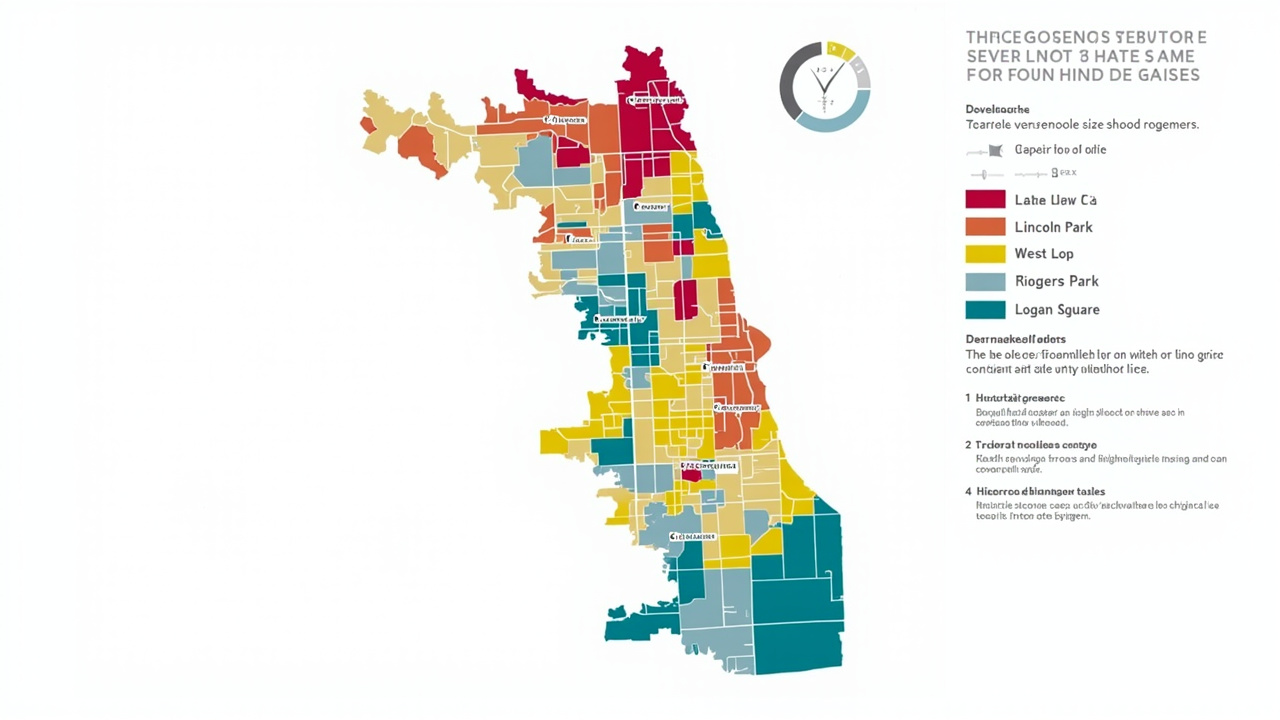
Combined Sewer System Overflows Chicago’s older neighborhoods use combined sewers that carry both stormwater and sanitary sewage in the same pipes. During heavy rain, these systems become overwhelmed. The city’s Deep Tunnel Project, known as the TARP system, was designed to capture this overflow and reduce basement backups. Still, not all Chicago neighborhoods have benefited equally. Older areas like Logan Square, West Loop, and Rogers Park still experience sewer backups during intense rain. If a house had a previous sewer backup claim, your insurance company knows this risk remains even if the house was repaired.
Ukrainian Village Water Risk and Infrastructure Differences
Ukrainian Village represents a critical case study for Chicago homebuyers evaluating water damage risk. The neighborhood occupies a unique geographic position that affects drainage patterns and flood vulnerability differently than nearby areas.
Ukrainian Village sits west of downtown on relatively lower elevation compared to Lincoln Park or Beverly. The neighborhood’s lot layout reflects its development period (primarily 1890-1920) when combined sewers were standard infrastructure. Unlike some western suburbs that were built with separated storm and sanitary sewers, Ukrainian Village relies on the same combined sewer system that serves much of the city’s North Side and near West Side. This means that heavy rainfall events directly impact the neighborhood’s basement flooding risk.
The soil composition in Ukrainian Village differs from areas further west. Closer to Lake Michigan and in lower-lying terrain, the water table sits higher. The Chicago Blue Clay beneath Ukrainian Village homes absorbs and retains moisture differently than soil in higher-elevation neighborhoods like Beverly or Ravenswood. Homes built on shallow foundations in Ukrainian Village experience greater hydrostatic pressure during wet periods. A home that flooded in Ukrainian Village during spring snowmelt faces the same seasonal water pressure returning each year unless exterior waterproofing or sump pump systems were professionally installed.
When evaluating a Ukrainian Village property with past water damage, ask specifically whether the home is in an area designated for the city’s sewer backup risk programs. The city has mapped neighborhoods with higher backup frequency. Ukrainian Village appears in these zones. This means a previous flood claim in Ukrainian Village carries different insurance implications than a similar claim in a neighborhood with newer infrastructure or higher elevation. Insurance companies treat Ukrainian Village water claims more seriously because the underlying risk persists.
Sump Pump Failure and Power Loss Many Chicago basements rely on sump pumps to push groundwater back out. During storms, the power grid sometimes fails. A pump without power is useless. Even homes with backup battery or generator systems can fail if the system was not properly maintained. A history of sump pump failure combined with flooding is a major warning sign.
Basement Types and Vulnerability Chicago has distinct basement styles tied to architectural periods. Pre-1920 bungalows often have unfinished, porous concrete basements or even stone foundations with minimal waterproofing. Two-flats and three-flats built from 1920 to 1960 have more varied foundations. Post-1980 homes in suburbs like Naperville or Downers Grove have better codes but still face groundwater issues on flat prairie land. A 1910 bungalow basement in Lincoln Park faces different risks than a modern condo in the West Loop, but both can have moisture problems.
Polar Vortex Freeze-Thaw Cycles Chicago winters create extreme freeze-thaw cycles. Water expands when it freezes. Pipes burst. The clay soil shifts. Foundations develop new cracks. A burst pipe from a polar vortex event is not predictable, but it does show that older homes with uninsulated pipes in crawlspaces or exterior walls remain at risk. If the home experienced this once, the conditions that caused it have not changed.
Your 10-Point Pre-Purchase Water Damage Checklist
Use this checklist during walkthroughs and before making an offer. Bring a notebook. Take photos.
- Request the Seller’s Disclosure Form Under the Illinois Residential Real Property Disclosure Act, the seller must disclose known water damage, foundation damage, or flooding. Get this in writing. Compare it to what you observe.
- Get a CLUE Report Order this yourself or ask your real estate agent. Review the past five years of claims. Verify the seller’s disclosure matches the CLUE data.
- Walk the Basement Slowly Look for efflorescence, staining, peeling paint, or musty odors. Check corners, walls, and where pipes enter the foundation. Use a smartphone flashlight to illuminate dark areas.
- Inspect the Foundation for Cracks Hairline cracks are cosmetic. Horizontal cracks or step-pattern cracks indicate structural stress. Cracks wider than one-quarter inch need professional evaluation.
- Check the Sump Pump Is one present? When was it installed? Is there a backup system? A recent installation may indicate ongoing moisture management needs.
- Look for Mold or Mildew Check around window wells, basement corners, and under first-floor carpeting in older homes. Mold indicates moisture is present.
- Examine All Flooring Materials Hardwood floors should not be soft or cupped. Carpet should not feel damp or smell musty. Concrete should be dry and uniform in color.
- Review HVAC and Dehumidification Systems A dehumidifier running continuously is a sign the basement has moisture issues. Ask how often it runs.
- Ask About Previous Repairs Did the seller have the house inspected after the flood? Do they have repair receipts? Did they hire a professional restoration company or DIY the cleanup?
- Hire a Professional Inspection Do not rely only on a standard home inspector. Hire a water restoration professional or structural engineer to assess the moisture condition, foundation integrity, and likelihood of future problems. A company like Cornerstone Water Damage Restoration can evaluate the actual risk level and recommend preventative measures.
What Professional Repair Should Look Like
Not all water damage repairs are equal. If the seller claims the property was “fully repaired,” you need to know what that means.
Professional remediation follows IICRC S500 standards, the industry standard for restoration. It covers equipment, drying protocols, moisture testing, and documentation.
A proper repair includes the following elements. First, the company removes any visibly damaged materials like drywall, carpet, or insulation. Second, they dry the structure using industrial dehumidifiers and air movers. Drying is not optional. This process typically takes 5 to 10 days depending on how saturated the materials are. Third, they test moisture levels using moisture meters and moisture barriers to verify that drying is complete. A professional takes moisture readings and documents them.
If the seller cannot produce receipts from a certified restoration company, or if they show you receipts for only a cleanup crew without drying equipment, the repair was incomplete. Ask whether a moisture professional inspected the property after repairs to certify the drying was complete.
Waterproofing and Long-Term Prevention
Repairing past water damage is different from preventing future water damage. A home that flooded once may flood again unless the underlying cause was fixed.
If the flooding came from a one-time event like a burst pipe, no waterproofing is needed beyond normal maintenance. If the flooding came from groundwater seepage or sewer backup, waterproofing or backup prevention is essential.
Interior waterproofing seals the interior walls but does nothing to stop water from entering. It just channels it to a sump pump. Exterior waterproofing excavates around the foundation and applies a membrane to the outside, stopping water before it reaches the walls. Exterior waterproofing is more effective but also more invasive and expensive.
A house that had seepage and was treated only with interior methods may still seep if the groundwater table rises. Ask the seller what waterproofing measures, if any, were installed. If the answer is none, the risk of recurrence is high.
Sewer backup prevention is a separate concern. If a previous claim involved sewage backing up into the house, ask whether a backwater valve or ejector pump was installed. A backwater valve is a one-way check valve that prevents sewage from flowing backward into the house. Without one, the risk of backup persists.
Making Your Decision
Past water damage does not automatically disqualify a property. Many Chicago homes have had water incidents. The question is whether the damage was properly repaired and whether the underlying cause has been addressed.
If the damage was from a burst pipe, a one-time event, and was professionally repaired with documentation, the risk is low. You may negotiate a modest price reduction and move forward with confidence.
If the damage was from chronic seepage or sewer backup and only cosmetic repairs were done, the risk is high. You should either walk away or negotiate a significant reduction in price and require the seller to install waterproofing or backup prevention systems before closing.
If the damage history is unclear or the seller cannot document the repairs, do not proceed without a professional assessment. Hire a certified water restoration company to evaluate the property. A professional inspection costs a few hundred dollars and prevents a six-figure mistake.
For neighborhoods like Lakeview, Lincoln Park, Ukrainian Village, and other areas near the lake or with older infrastructure, water risk is part of the territory. The question is not whether your house could flood. The question is whether you are prepared and whether you have systems in place to minimize damage if it does.
Next Steps
You now have the framework to evaluate any Chicago property with water damage history. You understand the types of damage, the red flags, the insurance implications, and what proper repair looks like.
If you are seriously considering a property with water damage history, do not rely on the seller’s word or the real estate agent’s reassurance. Get professional verification. The City of Chicago Building Department maintains records of code violations and building permits that reveal repair history. Checking this resource alongside a CLUE report gives you a complete picture of documented repairs.
For complex cases like identifying mold after water damage, professional expertise is non-negotiable. Understanding water damage insurance claims in Chicago helps you handle potential future issues and ensures you receive fair compensation if damage occurs.
Contact Cornerstone Water Damage Restoration for a professional property assessment. We serve the greater Chicago area including Logan Square, Lakeview, Beverly, Ukrainian Village, Rogers Park, West Loop, Lincoln Park, and surrounding suburbs like Naperville, Downers Grove, Arlington Heights, and Oak Park. Our team will evaluate the property’s current moisture condition, inspect the foundation and basement systems, and give you a clear, honest assessment of the risk level. We provide this evaluation so you can make a fully informed decision before committing your financial future to a property.
Call us at your earliest convenience or request an assessment online. Do not let uncertainty guide your decision on one of the largest investments of your life. Get the facts. Get the expert assessment. Then make your choice with confidence.
{
“@context”: “https://schema.org”,
“@type”: “BlogPosting”,
“headline”: “Buying a House with Water Damage History The Chicago Homeowner’s Guide”,
“description”: “Complete guide for Chicago homebuyers evaluating properties with water damage history. Learn what to inspect, understand insurance impacts, and make confident decisions.”,
“wordCount”: 3446,
“datePublished”: “2026-03-11T12:30:00.000Z”,
“dateModified”: “2026-03-11T12:30:00.000Z”,
“inLanguage”: “en-US”,
“mainEntityOfPage”: {
“@type”: “WebPage”,
“@id”: “https://cornerstonewaterdamagerestorationchicago.com”
},
“publisher”: {
“@type”: “LocalBusiness”,
“name”: “Cornerstone Water Damage Restoration Chicago”,
“url”: “https://cornerstonewaterdamagerestorationchicago.com”
},
“author”: {
“@type”: “Organization”,
“name”: “Cornerstone Water Damage Restoration Chicago”,
“url”: “https://cornerstonewaterdamagerestorationchicago.com”
},
“image”: {
“@type”: “ImageObject”,
“url”: “https://cornerstonewaterdamagerestorationchicago.com/wp-content/uploads/2026/03/a-checklist-for-ukrainian-village-homebuyers-worri-1.jpg”
}
}
{
“@context”: “https://schema.org”,
“@type”: “LocalBusiness”,
“name”: “Cornerstone Water Damage Restoration Chicago”,
“url”: “https://cornerstonewaterdamagerestorationchicago.com”,
“address”: {
“@type”: “PostalAddress”,
“addressLocality”: “Chicago”
},
“areaServed”: {
“@type”: “City”,
“name”: “Chicago”
}
}
{
“@context”: “https://schema.org”,
“@type”: “BreadcrumbList”,
“itemListElement”: [
{
“@type”: “ListItem”,
“position”: 1,
“name”: “Home”,
“item”: “https://cornerstonewaterdamagerestorationchicago.com”
},
{
“@type”: “ListItem”,
“position”: 2,
“name”: “Blog”,
“item”: “https://cornerstonewaterdamagerestorationchicago.com/blog”
},
{
“@type”: “ListItem”,
“position”: 3,
“name”: “Buying a House with Water Damage History The Chicago Homeowner’s Guide”
}
]
}
{
“@context”: “https://schema.org”,
“@type”: “Service”,
“serviceType”: “Water Damage Restoration”,
“provider”: {
“@type”: “LocalBusiness”,
“name”: “Cornerstone Water Damage Restoration Chicago”,
“url”: “https://cornerstonewaterdamagerestorationchicago.com”
},
“areaServed”: {
“@type”: “City”,
“name”: “Chicago”
},
“description”: “Complete guide for Chicago homebuyers evaluating properties with water damage history. Learn what to inspect, understand insurance impacts, and make confident decisions.”
}