
Prevent Spring Thaw Basement Flooding in Chicago. Focus on Jefferson Park and Surrounding Areas
Jefferson Park residents face particular vulnerability to spring thaw basement flooding due to the neighborhood’s 1920s brick construction, combined sewer infrastructure dating to 1912, and proximity to the Des Plaines River flood plain. The neighborhood’s inland location means it experiences rapid, intense spring melts without the moderating effect that protects lakefront communities. When March arrives and temperatures spike, water seeps through foundation walls, backs up through drains, and creates thousands of dollars in damage across the community. Your basement stays dry all winter, then the Big Thaw begins and everything changes.
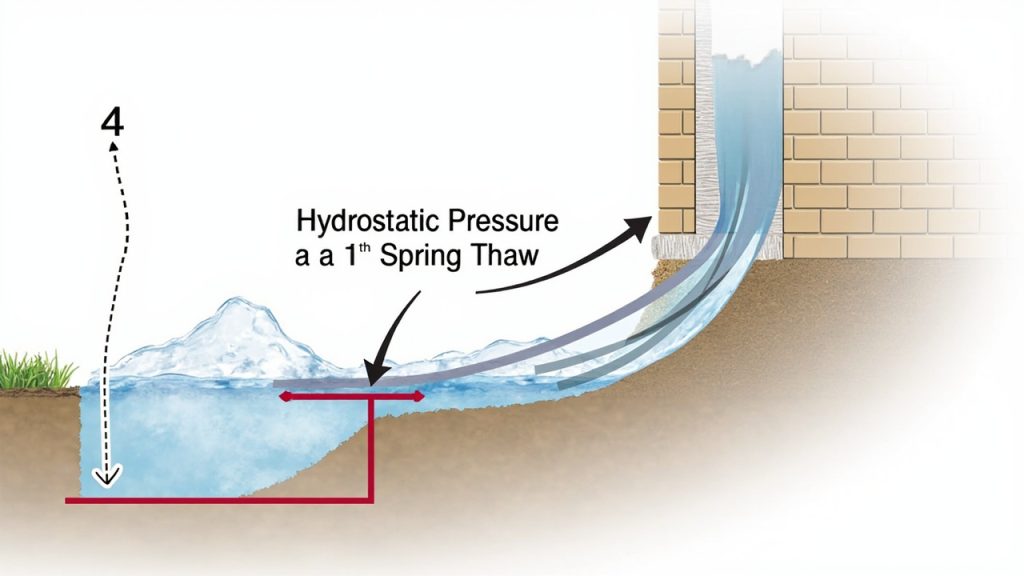
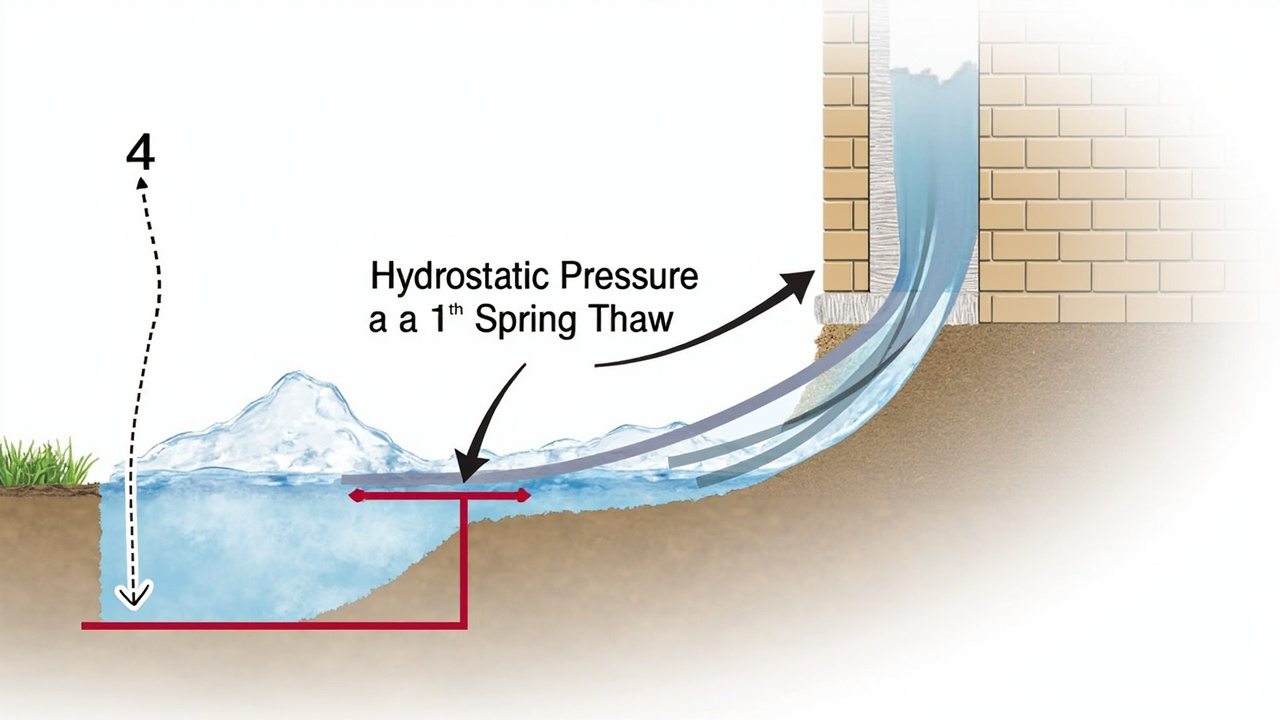
This happens because the ground beneath your home is frozen solid right now. That frozen ground acts as a barrier. Water from melting snow and ice cannot drain through it. Instead, water pools against your foundation walls, pressing inward with tremendous force. Add Chicago’s heavy clay soil into the equation, and the pressure becomes severe. Your basement starts leaking. A sump pump that ran fine all winter suddenly struggles to keep up. Without quick intervention, you face thousands of dollars in water damage, mold remediation, and structural repairs.
This guide walks you through exactly what happens during the spring thaw, why Jefferson Park and Chicago homes are especially vulnerable, and what you can do starting today to prevent disaster.
Why Chicago’s Spring Thaw Is Different from Other Cold Climates
The Chicago area experiences a climate pattern called the Big Thaw. Winter temperatures plunge well below freezing, often reaching 10 to 25 degrees below zero during polar vortex events. Ground temperatures drop accordingly. The frost line in Cook County typically extends 32 to 42 inches deep, depending on soil composition and proximity to Lake Michigan.
When spring arrives, the thaw happens fast. Temperatures spike into the 40s and 50s. Snowmelt cascades downward. The timing matters. The upper soil thaws first. The deeper soil stays frozen. Meltwater cannot percolate down through the frozen layer beneath. Instead, it pools sideways, moving laterally through the soil and pushing against your foundation with hydrostatic pressure.
Chicago Blue Clay makes this worse. Chicago’s native soil contains a high percentage of clay minerals. Clay holds moisture far longer than sandy or silty soil. A clay-rich layer acts almost like concrete. Water sits in that clay layer, building up pressure day after day as more meltwater accumulates.
Add Lake Michigan’s microclimate into the picture. The lake moderates temperature swings near the shoreline, extending the thaw period for residents in Lakeview, Lincoln Park, and other near-shore neighborhoods. Residents in Joliet or Bolingbrook, farther from the lake, often experience a faster, more intense thaw spike. Jefferson Park sits inland from the lake, which means the neighborhood experiences rapid, intense spring melts without the moderating effect that protects lakefront communities.
The Reality of Chicago’s Combined Sewer System
Chicago’s oldest neighborhoods rely on a combined sewer system that carries both stormwater and sewage through the same pipes. When heavy spring rains or rapid snowmelt overwhelm the system, the city’s sewers back up into residential basements. This is classified as a sewer backup, not a standard flood.
The Deep Tunnel Project, also called the Tunnel and Reservoir Plan, helps reduce backups in newer infrastructure zones. Older areas like Rogers Park, West Loop, and parts of Cicero still depend on aging combined sewer lines that were installed 80 to 120 years ago. These pipes were designed for much lower flow rates than modern development creates. Jefferson Park’s sewer infrastructure dates to 1912, and the neighborhood’s combined sewer pipes lack capacity for modern snowmelt peaks combined with urban runoff from expanded roof coverage and parking lots. The Metropolitan Water Reclamation District identifies neighborhoods with combined sewers as high priority for infrastructure upgrades.
When a sewer backs up into your basement, the water contains pathogens and bacteria. This is Category 3 water, the highest contamination level. You cannot simply mop it up yourself. Professional sewage remediation is legally required in Illinois.
The Three Main Causes of Spring Basement Floods
| Cause | Mechanism | Prevention Window |
|---|---|---|
| Hydrostatic pressure from frozen ground | Meltwater pools against foundation, pushing through cracks and weeping mortar joints | Weeks before thaw starts (late February through March) |
| Sump pump failure or overflow | Pump cannot handle meltwater volume or battery backup has no charge. Pit overflows into basement | Now, before the thaw season begins |
| Sewer system backup | Municipal pipes overflow during heavy rain or snowmelt. Contaminated water backs into basement drains | Cannot prevent at home level. Requires city infrastructure upgrades |
Each cause requires different prevention strategies. Understanding which threat applies to your home lets you focus your effort and budget.
How to Test and Maintain Your Sump Pump Before the Thaw
Your sump pump is your first line of defense. A functioning pump removes water from the sump pit before it reaches your basement floor. A failed pump during the thaw is the most common reason homeowners call for emergency extraction.
Test your sump pump now, before spring arrives. Pour a bucket of water into the sump pit. The pump should engage immediately. Listen for a smooth motor sound. Watch for water level dropping as the pump runs. The discharge pipe should send water away from your foundation, ideally at least 10 feet out.
If the pump does not start or runs with a grinding noise, replace it before the thaw. A new sump pump costs less than emergency water restoration.
Battery backup systems are non-negotiable if you live in an area prone to power outages during storms. Chicago’s electrical grid strains during heavy spring storms. An ice storm or wind event can knock out power for hours or days. Your sump pump runs on electricity. No power means no pump function. A battery backup unit keeps the pump running for 6 to 12 hours without grid power.
Check the battery charge on your backup system. Replace the battery if it is more than three years old. A dead backup battery defeats the purpose.
Foundation Cracks and Seepage Paths
Hydrostatic pressure exploits every weak point in your foundation. Concrete and brick foundations develop cracks over decades due to soil settling, freeze-thaw cycles, and structural loads. Old limestone foundations, common in Chicago bungalows and workers cottages, develop mortar joint failures where brick meets the bed joint. Rogers Park’s 1920s brownstones sit on clay soil that holds spring melt like a sponge, creating intense pressure on brick mortar joints that crack and deteriorate over time.
Walk your basement perimeter. Look for active water seepage. Water trickling from a crack during winter means heavy seepage will occur during spring thaw. Mark these spots with tape or chalk.
Small cracks (less than one quarter inch wide) respond to sealing from the inside using epoxy injection systems. Larger cracks or cracks that span the full wall thickness require external excavation and waterproofing membrane installation. This work must follow the Chicago Building Code Section 3401 requirements for sub-soil drainage and foundation waterproofing. Licensed Chicago contractors follow these standards to ensure work meets municipal inspection requirements.
Mortar joint failures in brick basements demand professional assessment. Do not attempt to patch mortar joints yourself. Improper patching traps moisture behind the patch, accelerating structural decay.
Downspout Redirection and Grading
Water running off your roof during snowmelt must go somewhere. Downspouts that empty within 3 feet of your foundation send all that water directly into the soil pressing against your basement walls.
Extend downspouts at least 10 feet away from your foundation using seamless aluminum extensions or buried drain lines. If you have multiple downspouts, you may need to run a line from each one to a daylight location or into a dry well.
Grade check the soil around your foundation. The ground should slope away from your house at least one inch per foot for the first 10 feet. If the grade is flat or slopes toward the house, topsoil and landscaping must be reworked. Residents in Logan Square and other neighborhoods with older infrastructure often find the original grade has settled, directing water back toward the foundation. Jefferson Park’s variable topography means some homes sit in low spots where yard water naturally collects, intensifying spring thaw pressure on foundations.
Window Wells and Basement Egress
Basement window wells are notorious water collection points. During the thaw, standing water in a window well will eventually seep through the window frame. Inspect each window well now.
Remove leaves, soil, and debris from inside the well. Check the drain hole at the bottom. If it is clogged, clear it. Install a window well cover if you do not have one. Clear plastic or metal covers allow light in while keeping water out.
Egress windows in finished basement bedrooms require special attention. The well around an egress window must be sized and drained per code. Improper drainage around an egress well is a common cause of basement water intrusion in renovated spaces across Arlington Heights, Downers Grove, and other suburbs.
Sewer Backup Prevention and Check Valves
A check valve installed on your sewer line prevents city sewer water from flowing backward into your basement. When municipal sewers back up, the valve closes, blocking the reverse flow.
If you do not have a check valve and live in a neighborhood served by combined sewers (most of Chicago proper, parts of Evanston, and sections of Elmhurst), install one now. The cost is far less than sewage cleanup. Illinois law does not require homeowners to install check valves, but the Metropolitan Water Reclamation District recommends them in flood-prone areas.
Sump pump discharge pipes should also have check valves. The valve prevents water from flowing backward into the sump pit when the pump shuts off.
Some homeowners resist check valve installation due to concerns about sewage backing up inside the wall system instead of entering the basement. This is a legitimate concern in some situations. Consult a licensed plumber before installation to ensure proper configuration for your specific home. Early detection prevents major damage if backup occurs despite check valve installation.
Immediate Action Steps If Water Is Already Seeping Into Your Basement
- Stop the source if possible
Close the sump pump access hatch if water is overflowing from the pit. Ensure downspouts are directing water away from the foundation. Check for open basement windows and close them.
- Document everything with photos
Take pictures of water stains, seepage locations, and affected belongings. This documentation supports insurance claims. Capture wide shots showing the overall affected area and close-ups of seepage points.
- Remove valuable items from the basement
Move boxes, furniture, and equipment to higher ground or out of the basement entirely. Even shallow standing water can destroy personal property.
- Turn off electricity to the affected area
If water is near outlets, switches, or appliances, turn off circuit breakers to those areas. Water and electricity create immediate electrocution hazards.
- Call a professional water extraction team immediately
Standing water creates mold growth conditions within 24 to 48 hours. The longer water sits, the more damage spreads. Professional extraction equipment removes water far faster than portable pumps and dehumidifiers.
What Professional Water Extraction Removes in Hours
Professional restoration teams use equipment that moves water orders of magnitude faster than homeowner alternatives. A truck-mounted extraction system removes hundreds of gallons per minute. Portable shopvacs remove a few gallons per minute. The difference is hours versus days.
After extraction, dehumidifiers and air movers create conditions that dry structural materials properly. Standard household fans and open windows are insufficient. High-volume air movers force air across wet surfaces, carrying moisture into the dehumidifier discharge stream. Without this process, drywall and wood framing retain moisture, allowing mold colonies to establish within days.
Professional teams also extract water from subfloor cavities and rim joist areas that homeowners cannot access. This hidden moisture is where mold infestations typically begin.
Mold Remediation After the Flood Subsides
Mold starts growing on damp surfaces 24 to 48 hours after water intrusion. By day five, visible mold colonies appear on drywall, wood, and insulation. By week two, mold spores have spread throughout the house via the HVAC system.
Mold remediation involves identifying all affected materials, removing non-salvageable items, and treating remaining surfaces with biocides. This work must follow IICRC S500 standards. Illinois does not mandate mold licensing, yet work must meet the standard regardless.
Some materials must be replaced entirely. Drywall with mold growth deeper than a quarter inch thick requires removal and replacement. Insulation that has contacted standing water must be removed and replaced. Carpet and carpet padding cannot be saved after water exposure. They must be removed and replaced with new materials.
Early detection prevents the mold colony from spreading to other areas of the house.
Basement Waterproofing Membranes and Interior Drainage Systems
If you experience recurring seepage every spring, a permanent solution requires waterproofing the foundation from inside or outside. Interior waterproofing applies a membrane and drainage system to the inside of the basement wall. Exterior waterproofing excavates the soil around the foundation, applies a membrane, and installs a drain system.
Exterior waterproofing is more effective long-term yet requires excavation. Interior systems are less invasive and more affordable. Many Chicago homeowners choose interior systems as a first step, then upgrade to exterior systems if interior methods prove insufficient.
Interior systems typically include a sump pump upgrade, perimeter drain installation, and vapor barrier application to the basement floor and walls. This setup intercepts water before it reaches the living space.
Pre-Thaw Checklist for Chicago Homeowners
- Test sump pump by pouring water into the pit and confirming it starts and discharges properly
- Replace sump pump battery backup if it is more than three years old or fails a test
- Clear gutters and downspouts of leaves and debris
- Extend downspouts at least 10 feet from foundation, using aluminum extensions or buried drain lines
- Check foundation exterior grade. Ensure it slopes away from house at least one inch per foot
- Inspect basement window wells and clear any standing water or debris
- Install window well covers if they are missing
- Walk the basement perimeter and mark any active seepage points with tape
- Consider check valve installation on sewer line if you live in a combined sewer area
- Take photos and video of your basement in dry condition for comparison if flooding occurs
- Review your homeowner insurance policy for flood and sewer backup coverage
- Program emergency restoration company phone number into your phone contacts
Understanding Your Insurance Coverage During Spring Thaw Season
Standard homeowner insurance policies do not cover water damage from foundation seepage or flooding. This means water that enters through foundation cracks or seepage is not covered unless you have a specific water damage rider.
Sewer backup coverage is a separate rider that covers damage from municipal sewer backups. Without this rider, you pay for all remediation yourself. In Illinois, sewer backup riders are affordable and worth carrying if you live in an older neighborhood with combined sewers.
Sudden pipe burst damage is covered under standard policies, yet slow seepage from foundation cracks is considered a maintenance issue and is excluded. Review your policy now and confirm you have adequate coverage. Contact your agent before the thaw to add riders if needed.
When water damage does occur, work directly with your insurer from the moment damage occurs. Protect your interests by documenting everything and communicating all findings to the adjuster.
Why DIY Basement Drying Fails
Temptation runs high to save money by drying the basement yourself with fans and portable dehumidifiers. This approach fails consistently for one reason. Wet building materials dry slowly without professional-grade equipment and expertise.
Drywall behind the walls, rim joists, and subfloor cavities retain moisture for weeks. Standard dehumidifiers cannot reach these spaces. Mold growth occurs in these hidden spaces, unseen and unchecked. By the time you notice the problem six months later, the colony has spread throughout the basement framing.
Professional extraction and drying systems force moisture out of cavities and into a discharge stream where you can see it leaving the space. This guarantees structural drying and prevents hidden mold colonies from establishing.
Chicago Neighborhoods Most Vulnerable to Spring Thaw Flooding
Certain Chicago neighborhoods experience spring thaw flooding more frequently than others. Understanding your risk helps you prepare accordingly.
| Neighborhood | Risk Factors | Primary Cause |
|---|---|---|
| Rogers Park, Evanston, Skokie | Combined sewer system, high water table near Lake Michigan, clay soil. 1920s brownstones sit on clay that holds spring melt like a sponge | Municipal sewer backup, hydrostatic pressure |
| Lincoln Park, Lakeview | Historic housing stock, combined sewers, shoreline water table influence | Sewer backup, seepage through older foundations |
| Logan Square, West Loop, Cicero | Combined sewers, very old pipes (80+ years), clay soil. Cicero’s combined sewer lines date to 1910 and lack capacity for modern-day snowmelt peaks | Sewer backup during heavy thaw events |
| Jefferson Park | 1912 sewer infrastructure, brick construction, inland location without lake moderation, variable topography that collects water | Sewer backup, hydrostatic pressure, downspout failures in low spots |
| Beverly, Hyde Park | Older homes with unfinished basements, variable grading, clay soil | Hydrostatic pressure, downspout drainage failures |
| Naperville, Downers Grove, Wheaton, Aurora | Newer homes with high water tables, intense spring melt, flat topography | Hydrostatic pressure from rapid thaw, sump pump overflow |
| Joliet, Bolingbrook, Tinley Park | Rapid freeze-thaw cycles, distance from Lake Michigan moderation, clay soil | Intense hydrostatic pressure from sudden thaw |
Live in one of these neighborhoods? Take the pre-thaw checklist seriously. Your risk of spring flooding is higher than average.
The Cost of Inaction
A single spring thaw flood event typically costs homeowners between five thousand and thirty thousand dollars in restoration, including extraction, drying, mold remediation, and material replacement. Unfinished basements face lower costs. Finished basements with carpet, drywall, and electrical systems face the higher range.
This cost assumes you catch the problem within 48 hours and professional restoration begins immediately. Every day you delay increases the cost and health risk.
Prevention costs a fraction of restoration. A new sump pump costs four hundred to one thousand dollars. A battery backup costs five hundred to two thousand dollars. Check valve installation runs two hundred to five hundred dollars. Downspout extensions cost one hundred to three hundred dollars. The total investment in prevention is one thousand five hundred to four thousand dollars.
When flooding does occur and you cannot prevent it entirely, quick response from a professional team minimizes secondary damage like mold growth and structural decay.
Professional Water Restoration What to Know
When water damage occurs, professional restoration teams respond with specific protocols. The process begins with water extraction using truck-mounted systems that remove hundreds of gallons per minute. Extraction removes bulk water from the space so professionals can assess structural damage underneath.
Assessment follows extraction. The team identifies all affected materials, documents damage with photos and video for your insurance company, and creates a drying plan specific to your home’s layout and materials.
Drying begins immediately. Dehumidifiers and air movers are placed throughout the basement to remove moisture from walls, floors, and substructure. Moisture levels are monitored daily using moisture meters and thermohygrometers to confirm the space is drying properly.
Once structural drying is complete, the assessment for mold growth occurs and remediation of any affected materials follows per IICRC S500 standards. This may involve removing and replacing drywall, insulation, or flooring.
Professional teams coordinate directly with your insurance company, providing estimates and progress reports so you understand the scope and timeline.
Frequently Asked Questions
When does Chicago’s spring thaw typically occur?
The Big Thaw usually begins in mid-March and peaks in late March through early April. Temperatures spike from subzero to 40 to 50 degrees Fahrenheit over a period of days. The thaw happens fastest after an intense winter with deep frost penetration. Mild winters with frequent thaw cycles create a slower, less intense spring thaw.
Why is my sump pump running constantly during the thaw?
Groundwater levels rise dramatically during spring thaw as meltwater percolates through the upper soil layers. Your sump pump removes water from the sump pit to keep it from overflowing into the basement. Constant running is normal during the thaw season and means your system is functioning properly. If the pump runs continuously and the water level never drops, the pump may be undersized for current conditions, or groundwater flow is exceeding the pump capacity.
Do I need a professional to install a check valve?
Yes. Check valve installation on sewer lines requires breaking into the main sewer line, which carries hazardous sewage. This work must be performed by a licensed plumber per Illinois plumbing code. DIY installation risks personal injury and contamination.
What is the difference between flood insurance and sewer backup coverage?
Flood insurance covers water damage from rivers, lakes, storm surge, or heavy external rainfall that overwhelms municipal drainage systems. Sewer backup coverage covers water that backs up into your home through drains and sewer lines during municipal system failures. They protect against different causes and must be purchased separately.
How long does professional basement drying take?
Drying typically takes two to four weeks for unfinished basements with standard construction. Finished basements with drywall, carpet, and insulation may take four to six weeks. The timeline depends on the amount of water involved, structural materials present, and outdoor humidity and temperature conditions during drying.
Act Now to Protect Your Jefferson Park Home
Spring thaw threatens Jefferson Park homes every year. The 1912 sewer infrastructure, brick construction, and inland topography create conditions where flooding occurs rapidly. Your preparation now determines whether you face a manageable situation or a catastrophic loss.
Start with the pre-thaw checklist. Test your sump pump today. Clear your gutters and downspouts. Extend downspouts away from your foundation. Inspect window wells. Walk your basement perimeter and mark seepage points. These steps cost little money yet prevent thousands in damage.
If water is seeping into your basement right now or if you want professional assessment of your current preparation level, contact a licensed Chicago-area water restoration company. Professionals can evaluate your sump pump, assess foundation condition, review your check valve configuration, and recommend targeted improvements. Do not wait for the thaw to worsen your damage. Act now and protect your home.
{
“@context”: “https://schema.org”,
“@type”: “BlogPosting”,
“headline”: “Prevent Spring Thaw Basement Flooding in Chicago. Focus on Jefferson Park and Surrounding Areas”,
“description”: “Jefferson Park homeowners face high spring thaw flooding risk. Learn prevention steps for your 1920s brick home and combined sewer infrastructure.”,
“wordCount”: 3667,
“datePublished”: “2026-03-09T09:18:00.000Z”,
“dateModified”: “2026-03-09T09:18:00.000Z”,
“inLanguage”: “en-US”,
“mainEntityOfPage”: {
“@type”: “WebPage”,
“@id”: “https://cornerstonewaterdamagerestorationchicago.com”
},
“publisher”: {
“@type”: “LocalBusiness”,
“name”: “Cornerstone Water Damage Restoration Chicago”,
“url”: “https://cornerstonewaterdamagerestorationchicago.com”
},
“author”: {
“@type”: “Organization”,
“name”: “Cornerstone Water Damage Restoration Chicago”,
“url”: “https://cornerstonewaterdamagerestorationchicago.com”
},
“image”: {
“@type”: “ImageObject”,
“url”: “https://cornerstonewaterdamagerestorationchicago.com/wp-content/uploads/2026/03/how-the-chicago-spring-thaw-can-suddenly-flood-you-1.jpg”
}
}
{
“@context”: “https://schema.org”,
“@type”: “LocalBusiness”,
“name”: “Cornerstone Water Damage Restoration Chicago”,
“url”: “https://cornerstonewaterdamagerestorationchicago.com”,
“address”: {
“@type”: “PostalAddress”,
“addressLocality”: “Chicago”
},
“areaServed”: {
“@type”: “City”,
“name”: “Chicago”
}
}
{
“@context”: “https://schema.org”,
“@type”: “FAQPage”,
“mainEntity”: [
{
“@type”: “Question”,
“name”: “When does Chicago’s spring thaw typically occur?”,
“acceptedAnswer”: {
“@type”: “Answer”,
“text”: “The Big Thaw usually begins in mid-March and peaks in late March through early April. Temperatures spike from subzero to 40 to 50 degrees Fahrenheit over a period of days. The thaw happens fastest after an intense winter with deep frost penetration. Mild winters with frequent thaw cycles create a slower, less intense spring thaw.”
}
},
{
“@type”: “Question”,
“name”: “Why is my sump pump running constantly during the thaw?”,
“acceptedAnswer”: {
“@type”: “Answer”,
“text”: “Groundwater levels rise dramatically during spring thaw as meltwater percolates through the upper soil layers. Your sump pump removes water from the sump pit to keep it from overflowing into the basement. Constant running is normal during the thaw season and means your system is functioning properly. If the pump runs continuously and the water level never drops, the pump may be undersized for current conditions, or groundwater flow is exceeding the pump capacity.”
}
},
{
“@type”: “Question”,
“name”: “Do I need a professional to install a check valve?”,
“acceptedAnswer”: {
“@type”: “Answer”,
“text”: “Yes. Check valve installation on sewer lines requires breaking into the main sewer line, which carries hazardous sewage. This work must be performed by a licensed plumber per Illinois plumbing code. DIY installation risks personal injury and contamination.”
}
},
{
“@type”: “Question”,
“name”: “What is the difference between flood insurance and sewer backup coverage?”,
“acceptedAnswer”: {
“@type”: “Answer”,
“text”: “Flood insurance covers water damage from rivers, lakes, storm surge, or heavy external rainfall that overwhelms municipal drainage systems. Sewer backup coverage covers water that backs up into your home through drains and sewer lines during municipal system failures. They protect against different causes and must be purchased separately.”
}
},
{
“@type”: “Question”,
“name”: “How long does professional basement drying take?”,
“acceptedAnswer”: {
“@type”: “Answer”,
“text”: “Drying typically takes two to four weeks for unfinished basements with standard construction. Finished basements with drywall, carpet, and insulation may take four to six weeks. The timeline depends on the amount of water involved, structural materials present, and outdoor humidity and temperature conditions during drying.”
}
}
]
}
{
“@context”: “https://schema.org”,
“@type”: “HowTo”,
“name”: “How to respond to active basement water intrusion”,
“step”: [
{
“@type”: “HowToStep”,
“position”: 1,
“name”: “Stop the source if possible”,
“text”: “Close the sump pump access hatch if water is overflowing from the pit. Ensure downspouts are directing water away from the foundation. Check for open basement windows and close them.”
},
{
“@type”: “HowToStep”,
“position”: 2,
“name”: “Document everything with photos”,
“text”: “Take pictures of water stains, seepage locations, and affected belongings. This documentation supports insurance claims. Capture wide shots showing the overall affected area and close-ups of seepage points.”
},
{
“@type”: “HowToStep”,
“position”: 3,
“name”: “Remove valuable items from the basement”,
“text”: “Move boxes, furniture, and equipment to higher ground or out of the basement entirely. Even shallow standing water can destroy personal property.”
},
{
“@type”: “HowToStep”,
“position”: 4,
“name”: “Turn off electricity to the affected area”,
“text”: “If water is near outlets, switches, or appliances, turn off circuit breakers to those areas. Water and electricity create immediate electrocution hazards.”
},
{
“@type”: “HowToStep”,
“position”: 5,
“name”: “Call a professional water extraction team immediately”,
“text”: “Standing water creates mold growth conditions within 24 to 48 hours. The longer water sits, the more damage spreads. Professional extraction equipment removes water far faster than portable pumps and dehumidifiers.”
}
],
“image”: “https://cornerstonewaterdamagerestorationchicago.com/wp-content/uploads/2026/03/how-the-chicago-spring-thaw-can-suddenly-flood-you-1.jpg”
}
{
“@context”: “https://schema.org”,
“@type”: “BreadcrumbList”,
“itemListElement”: [
{
“@type”: “ListItem”,
“position”: 1,
“name”: “Home”,
“item”: “https://cornerstonewaterdamagerestorationchicago.com”
},
{
“@type”: “ListItem”,
“position”: 2,
“name”: “Blog”,
“item”: “https://cornerstonewaterdamagerestorationchicago.com/blog”
},
{
“@type”: “ListItem”,
“position”: 3,
“name”: “Prevent Spring Thaw Basement Flooding in Chicago. Focus on Jefferson Park and Surrounding Areas”
}
]
}
{
“@context”: “https://schema.org”,
“@type”: “Service”,
“serviceType”: “Water Damage Restoration”,
“provider”: {
“@type”: “LocalBusiness”,
“name”: “Cornerstone Water Damage Restoration Chicago”,
“url”: “https://cornerstonewaterdamagerestorationchicago.com”
},
“areaServed”: {
“@type”: “City”,
“name”: “Chicago”
},
“description”: “Jefferson Park homeowners face high spring thaw flooding risk. Learn prevention steps for your 1920s brick home and combined sewer infrastructure.”
}