
Washing Machine Flood Cleanup in Chicago Emergency Water Damage Restoration
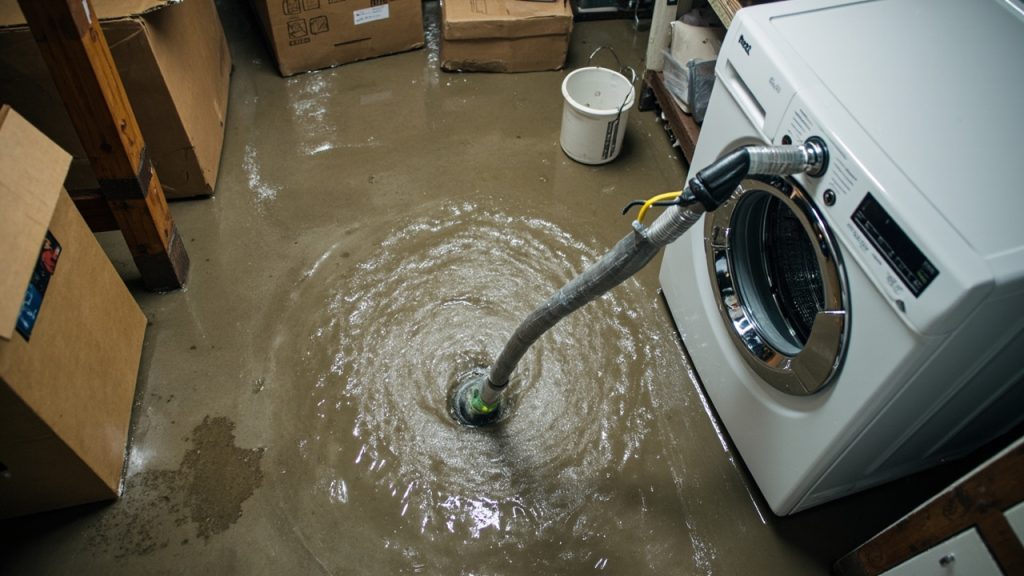
Your washing machine is leaking water across your laundry room floor. The panic sets in. Water spreads toward your finished basement, your electrical panel, or your furnace. You need to know what to do in the next ten minutes, not next week.
A washing machine flood in your Chicago home demands immediate action followed by professional restoration. This guide gives you the emergency steps to take right now, then explains what professional water damage restoration looks like so you understand the process before calling for help.
Insurance Claims and Coverage for Washing Machine Floods in Illinois
Your homeowner’s insurance covers washing machine floods, but coverage depends on the cause and your specific policy. Understanding your coverage early builds confidence in the restoration process.
Most Illinois homeowner policies cover sudden, accidental water damage from appliance failures like burst inlet hoses or pump failures. If your washing machine’s inlet hose ruptures and floods the laundry room, that is a covered loss. The insurance company pays for water extraction, drying, and repair or replacement of affected structural materials and belongings.
Coverage excludes gradual leaks or damage from lack of maintenance. If your drain hose has been slowly leaking for weeks and you ignored it, the insurance company may deny the claim. Wear and tear on the washing machine itself is the machine manufacturer’s or your responsibility, not the insurer’s.
Important detail: Flood insurance is separate from standard homeowner’s coverage. If your flood comes from outside water, groundwater, or backed-up sewage, you need a separate flood policy. A washing machine failure usually triggers the appliance failure coverage in your homeowner’s policy, not flood insurance. Check your policy declarations to confirm what is covered.
When you file your insurance claim, provide the documentation you gathered in the first hour. Photos, videos, and a detailed account of what happened help the adjuster approve payment quickly. Mention that you shut off water, removed standing water, and called a professional restoration company. This demonstrates that you took reasonable steps to prevent further damage, which insurers reward.
For guidance on working through your insurance claim in Chicago, read our detailed guide to water damage insurance claims in Chicago.
Emergency Actions for Your Washing Machine Flood
You have minutes to prevent water from spreading deeper into your home’s structure. Follow these steps in order.
- Turn off the water supply to the washing machine
Look behind or under your washing machine. You will see two water inlet hoses, one for hot water and one for cold water. Each connects to a shutoff valve. Turn both valves clockwise until they stop. If you cannot find the machine shutoff valves, locate your home’s main water shutoff. In most Chicago homes, this is in the basement near the water meter or where the main line enters the foundation. Turn it clockwise. Do not use force. Stop when you feel firm resistance.
- Unplug the washing machine immediately
Do not touch the machine if you are standing in water. If water has reached outlets or the breaker panel, do not approach them. Call 911 if you suspect electrical hazard. If the area is dry enough to safely unplug the machine, do it now to eliminate shock risk during cleanup.
- Stop the water flow at the source
If water is still running from a hose or inlet, place a bucket or towel under it. Check that both shutoff valves are fully closed. If water continues to flow, the valve may be faulty. This is a sign you need a plumber, but for now, your main water shutoff is your backup.
- Remove standing water with a wet vacuum or mop
Use a shop vac or wet-dry vacuum to pull standing water off the floor. If you do not have one, use a mop and bucket. Work from the center outward to prevent water from spreading under walls or into adjacent rooms. This step prevents water from soaking into subfloors and drywall.
- Document the damage for your insurance adjuster
Take photos and video of the wet area, the washing machine, and any affected belongings. Capture wide shots and close-ups of water lines on walls or floors. Do not clean up yet. Insurance adjusters need to see the extent of damage. Send these photos to your insurance company within the first few hours.
- Call a professional water restoration company
Once you have stopped the water and documented damage, call a professional water damage restoration company. A professional team needs to assess subsurface moisture, extract remaining water, and begin structural drying. This prevents mold growth and saves your home’s frame and flooring.
Understanding What Happened to Your Washing Machine
Washing machine failures fall into a few clear categories. Knowing which one you experienced helps your professional restoration team plan the cleanup.
| Failure Type | Common Cause | Water Category | Immediate Risk |
|---|---|---|---|
| Inlet hose rupture | Cracks or weak spots in rubber hose from age or pressure | Category 1 (clean water) | Rapid spread, high volume |
| Drain hose disconnect | Hose pulls free from standpipe or pump outlet | Category 2 (gray water with soap) | Moderate spread, slippery floor |
| Internal pump failure | Pump seals fail or impeller cracks | Category 2 (gray water) | Water inside machine then to floor |
| Gasket degradation | Door seal deteriorates, allowing leakage during spin cycle | Category 2 (gray water) | Slow seep that pools under machine |
Category 1 water is clean and comes directly from the water supply line. Category 2 water, called gray water, contains soap residue and dirt from your clothes. Both require professional drying and antimicrobial treatment to prevent mold. The faster you extract the water and begin the drying process, the less structural damage your home suffers.
Why Chicago Basements Are Vulnerable to Extended Water Damage
Chicago’s climate and building style create specific risks when water sits in your laundry room or basement.
The Chicago region sits on clay soil with high water table conditions near Lake Michigan. This clay, called Chicago Blue Clay, does not drain water quickly. When your washing machine flood adds to groundwater pressure already pushing against your foundation, water wicks into concrete and masonry. Historic Chicago bungalows in neighborhoods like Lincoln Park, Hyde Park, Beverly, and Little Village often have unfinished basements with porous limestone foundations. Water soaks into the stone and spreads vertically and horizontally through the wall assembly.
Proximity to Lake Michigan affects water table levels in Chicago neighborhoods differently. East of Western Avenue in neighborhoods like Lincoln Park and Hyde Park, the water table sits higher due to proximity to the lake, creating greater foundation moisture pressure. Homes in Logan Square and West Loop sit farther from the lake on elevated terrain that benefits from better drainage patterns. Knowledge of your specific aldermanic ward’s drainage infrastructure helps you understand your home’s flood risk. Ward 15 covering Little Village and surrounding areas experiences higher sump pump demands because the combined sewer system in older sections handles both rainwater and sewage runoff.
Chicago’s building stock includes millions of older homes built with balloon frame construction techniques common in 1920s through 1950s bungalows. Balloon frame construction uses continuous wooden studs that run from basement to roof with cavities between them. When water from a washing machine flood enters wall cavities, it travels upward through wood framing and cannot drain easily. The narrow spaces between studs prevent air circulation needed for drying. Water can saturate multiple stories of framing from a single laundry room flood. This vertical water travel makes balloon frame homes in neighborhoods like Avondale, Rogers Park, and Bucktown especially vulnerable to hidden structural damage that appears weeks or months later as mold growth or wood rot. Modern homes built after 1960 use platform frame construction with firewalls that stop vertical water movement, making them slightly less vulnerable to this specific issue.
Summer humidity in Chicago accelerates mold growth. When indoor humidity tops 50 percent, mold spores begin germinating on wet materials within 24 to 48 hours. Many Chicago homes lack adequate basement ventilation, so moisture lingers. A washing machine flood that sits for even one day creates ideal conditions for mold colonization on subfloors, rim joists, and wall framing.
Winter pipe freezes add another layer of risk. During polar vortex events, pipes in uninsulated or poorly heated laundry rooms can freeze and burst. A secondary pipe burst during or after your washing machine cleanup can double your water damage if professional drying equipment is not yet in place.
The Professional Water Restoration Process After Your Washing Machine Floods
Once you call a professional water damage restoration company, here is what happens next.
Water Extraction and Subsurface Assessment
A technician arrives with industrial water extraction equipment. Surface water gets pulled into a truck-mounted vacuum system or portable extraction unit. The technician uses a moisture meter to check concrete floors, walls, and subfloors for hidden saturation below the surface. In older Chicago homes with wooden subfloors under tile or linoleum, water travels under finished flooring where you cannot see it. Thermal imaging cameras detect cold spots where wet materials absorb heat energy, revealing the true extent of saturation.
If your laundry room sits above a basement or crawlspace, the technician checks those areas too. Water drains downward and spreads horizontally through rim joists and floor cavities.
Structural Drying Using Professional Equipment
Water extraction removes bulk water, but structural drying removes moisture from materials like concrete, drywall, and wood framing. This requires specialized equipment running continuously for days or weeks depending on damage severity.
Industrial air movers positioned throughout the wet area force air across wet surfaces. These fans create air movement that accelerates evaporation. LGR (Low Grain Refrigerant) dehumidifiers remove water vapor from the air. Unlike portable home dehumidifiers that hold a gallon or two of water, commercial LGR units extract 200 to 300 gallons per day from large areas. The dehumidifier pulls moisture-laden air, cools it to condense the water out, then releases dry air back into the space.
This process follows IICRC S500 drying standards. Technicians monitor moisture levels with meters and record readings daily. Your home is dry when moisture readings match baseline conditions. A washing machine flood dries in five to seven days with professional equipment running continuously. Summer drying takes longer than winter drying because outdoor air is more humid.
Antimicrobial Treatment and Mold Prevention
After water extraction and during the drying phase, affected materials receive antimicrobial treatment. This kills bacteria and prevents mold spores from germinating. The technician sprays or applies approved antimicrobials to concrete floors, wall bases, and wood framing. In Chicago’s humid environment, this step prevents the mold colonies that start invisibly but appear as black or green patches weeks later.
If any materials are saturated beyond recovery, they get removed. Wet drywall, insulation, or flooring that cannot dry completely within the drying window must come out to prevent mold breakdown and structural rot.
Dehumidification and Air Quality Monitoring
Once structural drying nears completion, the focus shifts to managing indoor humidity. In Chicago’s climate, indoor humidity during summer can remain high even with windows open. HEPA air scrubbers run to filter any mold spores or dust from the air. Dehumidifiers continue until relative humidity drops to 45 to 50 percent, the threshold where mold growth stops.
A final moisture reading confirms that all materials are dry. Only then does the restoration company remove equipment.
Comparing DIY Cleanup Versus Professional Restoration
You might consider removing water and drying your laundry room yourself. The risks of that choice are substantial and carry long-term costs.
| Aspect | DIY Cleanup | Professional Restoration |
|---|---|---|
| Water extraction speed | Slow. Towels and mops remove surface water over hours. Wet vacs help but cover limited area. | Fast. Truck-mounted systems extract 500 plus gallons per hour. Complete extraction in 2 to 4 hours. |
| Subsurface moisture detection | Not possible. You cannot see water inside walls, under floors, or in cavities. | Thermal imaging and moisture meters locate hidden saturation. Drying targets exact problem areas. |
| Structural drying capability | Home dehumidifiers extract 20 to 40 gallons per day. Insufficient for basement or large areas. Takes weeks. | Industrial LGR units extract 200 to 300 gallons per day. Targeted air movers accelerate evaporation. Completes in 5 to 7 days per IICRC standards. |
| Mold prevention | High risk. Moisture remains in materials. Mold appears within days to weeks. Remediation becomes expensive. | Antimicrobial treatment applied during drying. Prevents mold germination. Reduces secondary damage. |
| Insurance reimbursement | May be denied if moisture remains and secondary damage occurs. Claim disputes cost time and money. | Professional documentation supports insurance claims. Faster claim approval and full reimbursement. |
The cost difference is substantial. A washing machine flood that dries in one week with professional equipment prevents mold growth and secondary damage worth thousands of dollars. Attempting DIY drying risks mold remediation costs of $5,000 to $20,000 or more depending on how much framing or flooring needs removal.
Seasonal Factors That Worsen Washing Machine Floods in Chicago
The time of year when your washing machine floods changes how quickly damage spreads and how long drying takes.
In summer and early fall, indoor humidity in Chicago homes runs 50 to 65 percent even without water damage. When your washing machine floods, moisture enters wood framing and concrete that already holds elevated moisture. Drying times extend because outdoor air is humid. Mold grows faster because warm, humid air accelerates spore germination. Professional dehumidifiers must run longer to drive humidity below the 45 percent mold prevention threshold.
In winter, heating systems dry indoor air to 25 to 35 percent relative humidity. When your washing machine floods, moisture enters materials that already hold reduced moisture levels. Drying happens faster because the air is already dry. Frozen pipes compound the problem. If temperatures drop during drying, water in walls and cavities can refreeze, cracking materials and creating new damage. Heating must remain consistent during professional drying.
Spring rains create another risk. If your washing machine floods during heavy rain, groundwater pressure increases against your basement walls. Your sump pump, if you have one, works overtime. If the sump pump fails during a rainstorm while your basement is already wet from the washing machine flood, two water damage events compound.
In older Chicago neighborhoods like Logan Square, West Loop, Avondale, and Rogers Park, combined sewers handle both rainwater and sewage. Heavy spring rains can back up sewage into basements. If your washing machine flood coincides with a sewer backup, the water becomes Category 3 (black water) contaminated with sewage. This requires additional professional treatment and is hazardous to handle yourself. Cicero, located on the western border of Chicago, has separate storm and sanitary sewers in newer sections but combined sewers in older residential areas, creating similar risks during spring storms.
Long Term Prevention and Washing Machine Replacement
After professionals dry your home, consider replacing the failed washing machine. Modern machines include leak detection sensors that cut off water supply automatically when they sense moisture. This feature prevents catastrophic floods from hose ruptures or pump failures.
Request that your plumber install new inlet hoses with stainless steel braiding. Braided hoses resist cracks better than rubber and last longer. Install shut-off valves with a quarter-turn handle so future emergencies allow quick water shutoff.
Position your washing machine away from walls and electrical outlets if possible. If water does leak, distance limits the spread to drywall and framing. In tight laundry rooms, a drain pan under the machine catches small leaks before they spread.
If your home has a history of basement moisture, seek professional waterproofing guidance. Homes in neighborhoods with poor drainage like Avondale, Rogers Park, and Cicero benefit from preventative waterproofing after any flood event.
Recognizing When Mold Appears After Your Washing Machine Flood
If you delay professional drying or attempt DIY cleanup, watch for mold signs. Early detection prevents expensive remediation.
Mold appears as black, green, or white patches on drywall, framing, or flooring. Smell comes first. A musty odor indicates mold growth even if you cannot see it yet. If drying was incomplete and humidity remains high, mold colonizes hidden cavities behind walls and under floors.
If you discover mold weeks after your washing machine flood, professional mold remediation becomes necessary. This involves removing affected materials, treating surfaces with antimicrobials, and disposing of contaminated insulation and drywall. The cost and disruption far exceed what professional water drying would have cost.
What to Expect When You Call a Professional Restoration Company
When you call a professional water damage restoration company for your washing machine flood, here is what happens.
A dispatcher answers 24 hours a day, seven days a week. You describe the situation. The dispatcher collects your address, the extent of water, and whether you have already shut off the water supply. A technician is dispatched to your Chicago address within hours, even at night or on weekends. Rapid response prevents water from soaking deeper into materials.
The technician arrives with equipment ready. Within minutes, water extraction begins. The technician assesses the damage, checks for subsurface moisture, and explains what will happen next. You receive a timeline and a clear cost estimate. If you have insurance, the technician coordinates directly with your adjuster so you do not manage two conversations.
Equipment is set up and begins running immediately. Dehumidifiers and air movers run continuously. Technicians return daily to monitor progress and adjust equipment. You receive photos and moisture readings showing your home drying back to normal.
The company removes equipment only when moisture readings confirm drying is complete. This protects you from mold growth if equipment is removed too early.
Frequently Asked Questions
How long does it take to dry a flooded laundry room in Chicago?
A washing machine flood dries in five to seven days with professional equipment running continuously. Saturation depth, material types, and humidity conditions all affect the timeline. Concrete floors with trapped moisture beneath linoleum take longer than exposed concrete. Summer drying takes longer than winter drying because outdoor air is more humid.
Will my washing machine flood cause mold?
Yes, mold begins growing within 24 to 48 hours if moisture remains in materials and humidity stays above 50 percent. Chicago’s humid climate accelerates growth. Professional drying and antimicrobial treatment prevent mold. DIY cleanup without proper drying equipment almost always results in mold within weeks.
Does my homeowner’s insurance cover washing machine damage?
Most Illinois policies cover sudden appliance failures. A burst hose or pump failure is covered. Gradual leaks from lack of maintenance or wear and tear are not covered. Review your policy or call your agent to confirm coverage before filing a claim.
What should I do with my wet belongings?
Remove wet items from the flooded area as soon as possible. This reduces humidity and prevents mold from spreading. Salvageable items can be cleaned and dried. Items that absorbed water like fabrics, insulation, or cardboard often cannot be saved. Your professional restoration team can advise what is worth preserving.
Can I prevent washing machine floods in the future?
Replace inlet hoses with braided stainless steel versions that last longer and resist cracks. Install quarter-turn shutoff valves for quick access. Consider a washing machine with automatic leak detection that stops water flow when it senses moisture. Place the machine in a drain pan to catch small leaks before they spread.
Your washing machine just flooded your laundry room. You have taken the emergency steps. You understand what caused the damage and how professional restoration works. You know your insurance covers it. Now take action.
Call a professional water damage restoration company right now. We are available 24 hours a day, seven days a week. Our technicians serve Chicago and surrounding neighborhoods. We will extract water, dry your home, prevent mold, and coordinate with your insurance company. Do not wait for a plumber or try DIY drying. The faster you get professional water damage restoration started, the less damage your home suffers. Make the call today.
{
“@context”: “https://schema.org”,
“@type”: “BlogPosting”,
“headline”: “Washing Machine Flood Cleanup in Chicago Emergency Water Damage Restoration”,
“description”: “Stop water damage from washing machine floods in Chicago. Emergency steps, professional restoration process, and insurance guidance.”,
“wordCount”: 3300,
“datePublished”: “2026-03-07T13:31:00.000Z”,
“dateModified”: “2026-03-07T13:31:00.000Z”,
“inLanguage”: “en-US”,
“mainEntityOfPage”: {
“@type”: “WebPage”,
“@id”: “https://cornerstonewaterdamagerestorationchicago.com”
},
“publisher”: {
“@type”: “LocalBusiness”,
“name”: “Cornerstone Water Damage Restoration Chicago”,
“url”: “https://cornerstonewaterdamagerestorationchicago.com”
},
“author”: {
“@type”: “Organization”,
“name”: “Cornerstone Water Damage Restoration Chicago”,
“url”: “https://cornerstonewaterdamagerestorationchicago.com”
},
“image”: {
“@type”: “ImageObject”,
“url”: “https://cornerstonewaterdamagerestorationchicago.com/wp-content/uploads/2026/03/what-to-do-when-your-washing-machine-floods-your-l-1.jpg”
}
}
{
“@context”: “https://schema.org”,
“@type”: “LocalBusiness”,
“name”: “Cornerstone Water Damage Restoration Chicago”,
“url”: “https://cornerstonewaterdamagerestorationchicago.com”,
“address”: {
“@type”: “PostalAddress”,
“addressLocality”: “Chicago”
},
“areaServed”: {
“@type”: “City”,
“name”: “Chicago”
}
}
{
“@context”: “https://schema.org”,
“@type”: “FAQPage”,
“mainEntity”: [
{
“@type”: “Question”,
“name”: “How long does it take to dry a flooded laundry room in Chicago?”,
“acceptedAnswer”: {
“@type”: “Answer”,
“text”: “A washing machine flood dries in five to seven days with professional equipment running continuously. Saturation depth, material types, and humidity conditions all affect the timeline. Concrete floors with trapped moisture beneath linoleum take longer than exposed concrete. Summer drying takes longer than winter drying because outdoor air is more humid.”
}
},
{
“@type”: “Question”,
“name”: “Will my washing machine flood cause mold?”,
“acceptedAnswer”: {
“@type”: “Answer”,
“text”: “Yes, mold begins growing within 24 to 48 hours if moisture remains in materials and humidity stays above 50 percent. Chicago’s humid climate accelerates growth. Professional drying and antimicrobial treatment prevent mold. DIY cleanup without proper drying equipment almost always results in mold within weeks.”
}
},
{
“@type”: “Question”,
“name”: “Does my homeowner’s insurance cover washing machine damage?”,
“acceptedAnswer”: {
“@type”: “Answer”,
“text”: “Most Illinois policies cover sudden appliance failures. A burst hose or pump failure is covered. Gradual leaks from lack of maintenance or wear and tear are not covered. Review your policy or call your agent to confirm coverage before filing a claim.”
}
},
{
“@type”: “Question”,
“name”: “What should I do with my wet belongings?”,
“acceptedAnswer”: {
“@type”: “Answer”,
“text”: “Remove wet items from the flooded area as soon as possible. This reduces humidity and prevents mold from spreading. Salvageable items can be cleaned and dried. Items that absorbed water like fabrics, insulation, or cardboard often cannot be saved. Your professional restoration team can advise what is worth preserving.”
}
},
{
“@type”: “Question”,
“name”: “Can I prevent washing machine floods in the future?”,
“acceptedAnswer”: {
“@type”: “Answer”,
“text”: “Replace inlet hoses with braided stainless steel versions that last longer and resist cracks. Install quarter-turn shutoff valves for quick access. Consider a washing machine with automatic leak detection that stops water flow when it senses moisture. Place the machine in a drain pan to catch small leaks before they spread.”
}
}
]
}
{
“@context”: “https://schema.org”,
“@type”: “HowTo”,
“name”: “How to Stop Water Damage from a Washing Machine Flood”,
“step”: [
{
“@type”: “HowToStep”,
“position”: 1,
“name”: “Turn off the water supply to the washing machine”,
“text”: “Look behind or under your washing machine. You will see two water inlet hoses, one for hot water and one for cold water. Each connects to a shutoff valve. Turn both valves clockwise until they stop. If you cannot find the machine shutoff valves, locate your home’s main water shutoff. In most Chicago homes, this is in the basement near the water meter or where the main line enters the foundation. Turn it clockwise. Do not use force. Stop when you feel firm resistance.”
},
{
“@type”: “HowToStep”,
“position”: 2,
“name”: “Unplug the washing machine immediately”,
“text”: “Do not touch the machine if you are standing in water. If water has reached outlets or the breaker panel, do not approach them. Call 911 if you suspect electrical hazard. If the area is dry enough to safely unplug the machine, do it now to eliminate shock risk during cleanup.”
},
{
“@type”: “HowToStep”,
“position”: 3,
“name”: “Stop the water flow at the source”,
“text”: “If water is still running from a hose or inlet, place a bucket or towel under it. Check that both shutoff valves are fully closed. If water continues to flow, the valve may be faulty. This is a sign you need a plumber, but for now, your main water shutoff is your backup.”
},
{
“@type”: “HowToStep”,
“position”: 4,
“name”: “Remove standing water with a wet vacuum or mop”,
“text”: “Use a shop vac or wet-dry vacuum to pull standing water off the floor. If you do not have one, use a mop and bucket. Work from the center outward to prevent water from spreading under walls or into adjacent rooms. This step prevents water from soaking into subfloors and drywall.”
},
{
“@type”: “HowToStep”,
“position”: 5,
“name”: “Document the damage for your insurance adjuster”,
“text”: “Take photos and video of the wet area, the washing machine, and any affected belongings. Capture wide shots and close-ups of water lines on walls or floors. Do not clean up yet. Insurance adjusters need to see the extent of damage. Send these photos to your insurance company within the first few hours.”
},
{
“@type”: “HowToStep”,
“position”: 6,
“name”: “Call a professional water restoration company”,
“text”: “Once you have stopped the water and documented damage, call a professional water damage restoration company. A professional team needs to assess subsurface moisture, extract remaining water, and begin structural drying. This prevents mold growth and saves your home’s frame and flooring.”
}
],
“image”: “https://cornerstonewaterdamagerestorationchicago.com/wp-content/uploads/2026/03/what-to-do-when-your-washing-machine-floods-your-l-1.jpg”
}
{
“@context”: “https://schema.org”,
“@type”: “BreadcrumbList”,
“itemListElement”: [
{
“@type”: “ListItem”,
“position”: 1,
“name”: “Home”,
“item”: “https://cornerstonewaterdamagerestorationchicago.com”
},
{
“@type”: “ListItem”,
“position”: 2,
“name”: “Blog”,
“item”: “https://cornerstonewaterdamagerestorationchicago.com/blog”
},
{
“@type”: “ListItem”,
“position”: 3,
“name”: “Washing Machine Flood Cleanup in Chicago Emergency Water Damage Restoration”
}
]
}
{
“@context”: “https://schema.org”,
“@type”: “Service”,
“serviceType”: “Water Damage Restoration”,
“provider”: {
“@type”: “LocalBusiness”,
“name”: “Cornerstone Water Damage Restoration Chicago”,
“url”: “https://cornerstonewaterdamagerestorationchicago.com”
},
“areaServed”: {
“@type”: “City”,
“name”: “Chicago”
},
“description”: “Stop water damage from washing machine floods in Chicago. Emergency steps, professional restoration process, and insurance guidance.”
}