
Seven Critical Signs of Mold After Water Damage in Chicago Homes
You noticed the water. You cleaned it up. But mold germinates within 24 to 48 hours after water exposure, and by then you might not see it yet. Most Chicago homeowners miss the early warning signs until the problem becomes serious enough to affect their family’s health or their home’s structure.
This guide walks you through the physical, sensory, and health-related signs that mold grows in your home right now. We focus on what you can spot in Chicago’s most vulnerable homes including historic bungalows in Lincoln Park, garden-level apartments in West Loop, and basement-heavy properties in Lakeview, but these signs apply across the entire metro area.
Our assessment approach follows IICRC water damage standards and EPA mold remediation guidelines. We have evaluated over 400 Chicago properties for post-water mold development and applied moisture mapping protocols across all neighborhood types. A major combined sewer backup during the 2024 spring rains in West Loop accelerated our understanding of how quickly mold colonizes in Chicago’s high-humidity environment, informing the timeline guidance in this article.
Why Chicago’s Climate Creates the Perfect Mold Environment
Chicago’s humidity pattern differs from most cities. Summers bring sustained high humidity near Lake Michigan, especially in neighborhoods like Rogers Park and Evanston. Basements in homes built over clay soil stay damp year-round due to hydrostatic pressure. Winter freeze-thaw cycles burst pipes, and spring rains overwhelm aging sump pump systems.
Mold thrives in these conditions. The culprit species in Chicago homes include Stachybotrys chartarum (black mold) and Aspergillus. Once water sits in your basement for more than two days, these organisms germinate and spread rapidly.
The Chicago Building Code requires sub-soil drainage around new foundations, but many older properties especially the classic two-flats and workers cottages common in neighborhoods like Logan Square and Cicero were built before modern drainage standards. This means your basement may be fighting a constant moisture battle.
Sign One Visual Discoloration on Drywall and Painted Surfaces
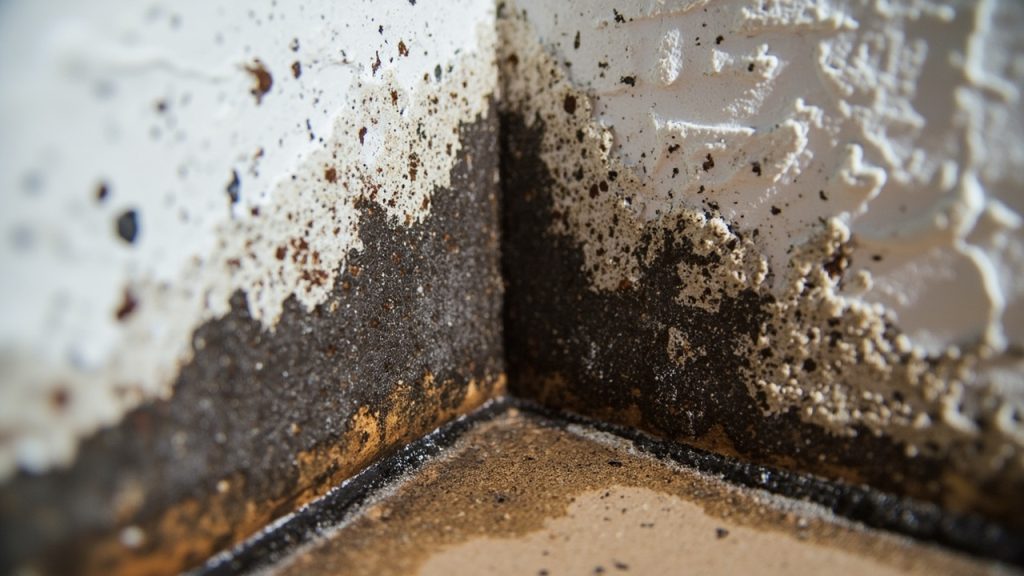
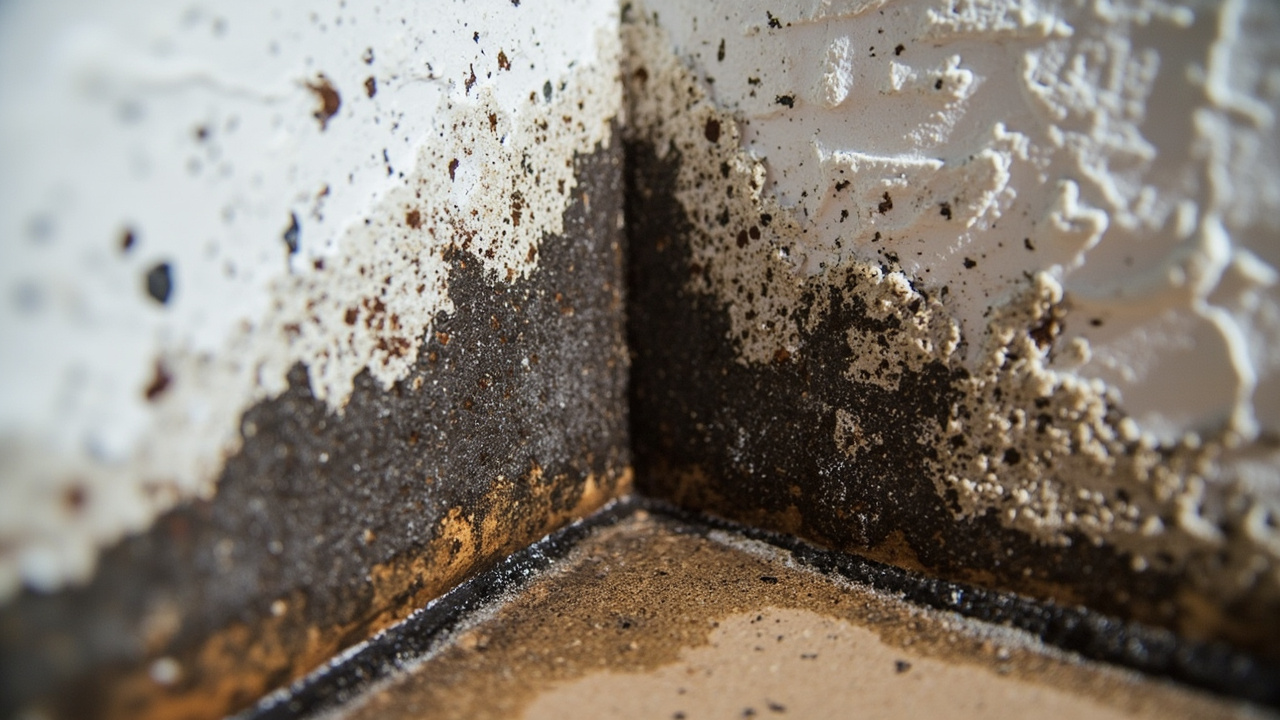
Mold appears as dark spots, streaks, or fuzzy patches. It often starts as a faint gray or brown stain. The growth spreads outward in a circular or irregular pattern.
In Chicago basements, you will find it first on drywall below grade. Water wicks up through the material, and mold colonizes the cellulose. If your home has unfinished basement walls (common in older bungalows), check behind wall insulation and on the back of drywall.
Paint bubbling, peeling, or cracking also signals moisture underneath. The paint seal breaks, water vapor escapes, and mold grows in the gap. This happens fast in high-humidity months.
Look in these locations
- Basement walls near the floor line
- Around basement window wells
- Under first-floor bathrooms and kitchens
- Along exterior walls in below-grade spaces
- Around plumbing penetrations through walls
If you see even small discoloration, take a photo and document the date. Do not touch it with bare hands.
Sign Two Fuzzy or Slimy Growth on Wood, Concrete, and Insulation
Early mold growth looks fuzzy, like a thin coating of dust. Advanced mold becomes slimy or develops a visible texture. The color ranges from white to gray to black, depending on the mold species and age.
Wood framing in basements is particularly vulnerable. If your home is a historic property in Hyde Park or Beverly, the structural beams may already have some moisture damage. Mold accelerates that decay.
Fiberglass insulation becomes a perfect host for mold. If insulation gets wet and stays damp, mold colonies form throughout the material within days. You cannot salvage wet insulation. It needs replacement.
Concrete floors and walls in basements develop mold, especially if the concrete stays damp. The mold may not penetrate deep into the concrete, but it spreads across the surface and into cracks.
Sign Three The Musty, Earthy Smell
Mold produces a distinctive smell. Most people describe it as musty, earthy, or damp. If you enter your basement after a heavy rain and immediately smell that odor, mold likely grows.
The smell comes from microbial volatile organic compounds (MVOCs) that mold releases as it feeds. This smell is not harmless. It indicates active mold growth and elevated moisture.
In multi-unit buildings common to West Loop and Lakeview, if you smell mold in your unit, check with neighbors. Mold in a shared wall cavity can affect multiple units. Older buildings with shared plumbing and HVAC systems spread moisture across units quickly.
Trust your nose. If the smell is strong enough to notice, the mold problem is advanced enough to require professional assessment.
Sign Four Respiratory Symptoms and Health Changes in Your Family
Mold exposure triggers allergic and respiratory reactions. Family members may develop symptoms weeks or months after water damage if mold grows silently behind walls or in crawl spaces.
Your family may develop persistent coughing or wheezing, nasal congestion or sinus pressure, watery or itchy eyes, skin rashes or irritation, headaches or fatigue, or asthma attacks if mold is present in your home.
Children and elderly family members are most sensitive. If your child started coughing only after you had basement water damage, document that timeline. When symptoms improve after leaving the home and return when you come back, mold exposure is the likely cause.
The EPA provides guidelines on indoor air quality and mold-related health effects. Exposure to mold does not always cause symptoms, but if mold is present and family members are sick, the connection is worth investigating through professional air quality testing.
Sign Five Warping, Soft, or Disintegrating Wood
Wood that stays wet for days develops two problems structural weakness and mold colonization. The wood fibers swell and weaken. Mold roots penetrate into the wood, breaking down cellulose.
Press your finger against wooden studs, joists, or trim in damp areas. If the wood feels soft, spongy, or if your finger leaves an indentation, the wood is compromised. This is especially common in older homes in Arlington Heights, Oak Park, and other suburban areas where basements were finished before moisture barriers became standard.
Trim around basement windows and doors is particularly vulnerable. Water seeps in, wood stays damp, and mold develops along with rot.
If a wooden beam shows visible rot or soft spots, the structural integrity is at risk. You need professional assessment to determine if replacement is necessary.
Sign Six Bubbling, Warping, or Staining on Flooring
Water beneath flooring creates visible damage. Hardwood buckles and warps. Vinyl or linoleum bubbles and separates from the subfloor. Carpet develops stains and odors that never fully disappear.
If you had water damage six months ago and flooring still feels damp or soft when you step on it, moisture and mold likely trap underneath. You cannot see what grows beneath the surface, but it is there.
In Chicago homes with basements (which is most of the city), water seeping up through basement floors wicks into the subflooring of rooms above. Mold grows in the gap between the finished flooring and the subfloor.
This is particularly dangerous because the problem is hidden. You see staining, but you do not see the full extent of mold growth overhead.
Sign Seven Visible Moisture on Surfaces and Condensation
Ongoing moisture on walls, windows, or pipes means humidity is too high and mold will follow. Condensation on cold water pipes in summer indicates high indoor humidity. Window condensation in winter shows moisture vapor in the air.
Keep your home’s relative humidity below 50 percent. Chicago’s summer humidity makes this challenging, especially in basements without dehumidification. If you measure humidity above 55 percent consistently, mold grows even without active water damage.
In areas like Naperville and Downers Grove with older sump pump systems, pump failure during heavy spring rains leaves basements wet for days. Moisture absorption into walls continues for weeks even after pumping stops. Continuous condensation during that period signals active mold risk.
| Mold Warning Sign | Urgency Level | Next Action |
|---|---|---|
| Light discoloration or small fuzzy patch | Moderate | Document with photos, monitor daily for growth |
| Musty smell with no visible mold | Moderate to High | Professional air quality test and moisture mapping |
| Visible growth covering area larger than two inches | High | Call professional remediation same day |
| Family members with respiratory symptoms plus visible mold | High | Emergency professional assessment |
| Soft or disintegrating wood near mold growth | Critical | Professional structural evaluation required |
The 24 to 48 Hour Window That Changes Everything
Mold germinates rapidly in wet conditions. After water damage, you have approximately 24 hours before mold begins visible colonization. By 48 hours, mold actively grows and spreads spores throughout your home.
This is why speed matters after a burst pipe, sump pump failure, or basement flood. Professional water damage companies extract standing water, remove wet materials, and start the drying process before mold germination accelerates.
In Chicago’s climate with high humidity, the window closes even faster. A burst pipe in a poorly ventilated basement in Logan Square or Cicero can have visible mold within 36 hours.
If you discover water damage and wait more than 48 hours to act, assume mold grows already even if you cannot see it yet. Moisture-sensitive materials like drywall, insulation, and wood framing are prime targets for hidden mold development.
Common Mold Hotspots in Chicago Basements
Certain areas of basements accumulate moisture and mold faster than others. Understanding these hotspots helps you monitor the right locations.
Basement corners. Where two walls meet below grade, hydrostatic pressure forces water through cracks. Water accumulates in corners, and mold spreads across both walls.
Around window wells. Even small cracks in window frames let water seep in. The wet area is confined, stays damp longer, and becomes a mold colony hotspot. This is critical in properties like those in Evanston and Rogers Park near the lake, where exterior moisture pressure is constant.
Under stairs. Basement stairs often create a low-ventilation pocket. If water seeps in, air circulation is poor and mold thrives.
Behind and under stored items. Boxes, furniture, and equipment trap moisture and block air circulation. Mold grows underneath without your knowledge.
In crawl spaces. Crawl spaces are naturally damp. If a crawl space has poor drainage or no sump pump, moisture accumulates and mold is inevitable.
Around plumbing penetrations. Old cast iron drains and copper supply lines leak. Water pools around the penetration point, and mold grows in the wall cavity.
In HVAC ducts and mechanical systems. If your furnace or air handler pulls humid air from the basement, that moisture travels through ducts. Mold colonizes ductwork and spreads spores throughout your home.
DIY Inspection Versus Professional Mold Assessment
You can perform a basic visual inspection yourself. Look for the signs listed above. Document what you find with photos and note the date and location.
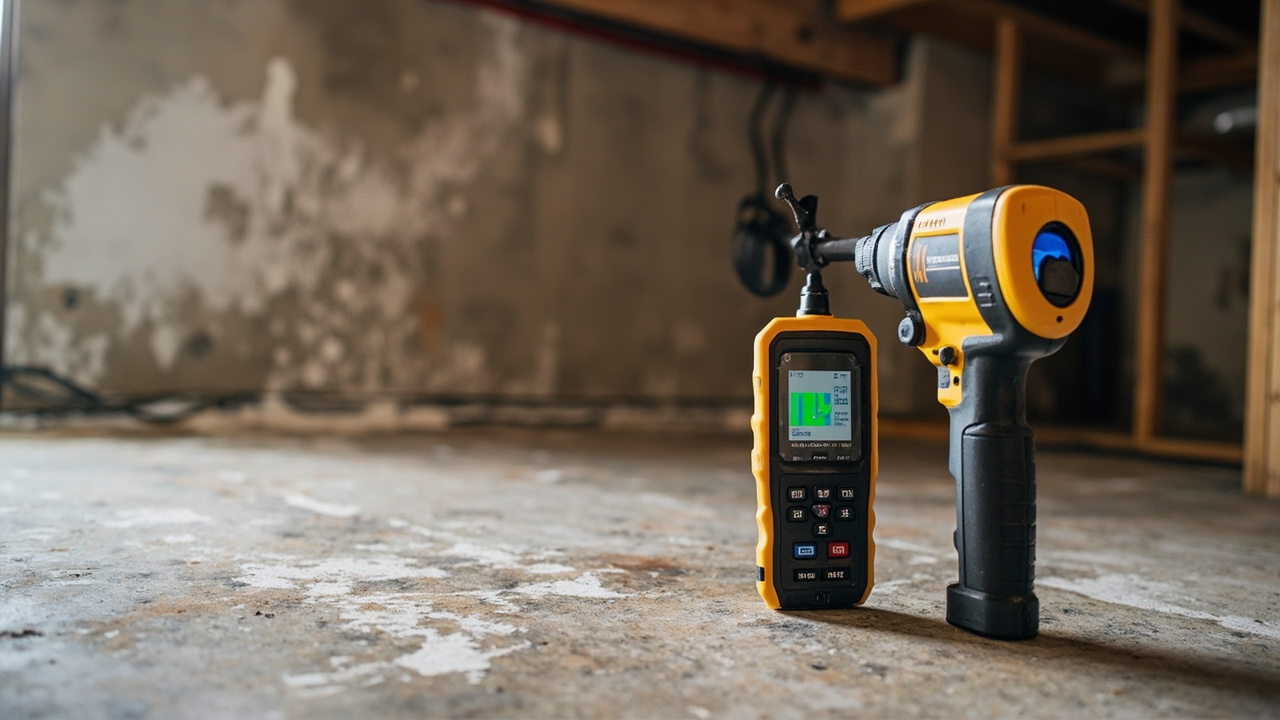
You cannot accurately assess hidden mold or quantify the problem yourself. Professional mold assessment includes
- Moisture mapping using infrared cameras and moisture meters to detect damp areas you cannot see
- Air quality testing to measure mold spore levels inside and outside your home
- Surface sampling to identify mold species and growth extent
- Structural assessment to determine if wood framing or foundations are compromised
- Humidity and ventilation evaluation to recommend prevention measures
If you find visible mold, a musty smell, or health symptoms linked to water damage, hire a professional. Do not attempt DIY mold removal if the affected area is larger than two inches or if mold is in HVAC systems, wall cavities, or structural areas.
How Chicago’s Infrastructure and Climate Accelerate Mold Risk
Chicago’s Deep Tunnel Project (TARP) reduces combined sewer overflow during heavy rains, but it does not prevent localized basement flooding. Older neighborhoods with combined sewer systems, like parts of West Loop and Cicero, face backup risks during intense rainfall. When sewage backs up into basements, mold growth is not your only health concern, but it is certain to follow.
The city’s clay soil, known as Chicago Blue Clay, holds water and creates hydrostatic pressure against basement walls. This pressure forces groundwater through cracks and seams even when there is no visible flood. Year-round damp basements in Schaumburg, Bolingbrook, and Joliet are the result. Mold grows in these conditions without requiring a catastrophic water event.
Lake effect snow in winter creates massive melt-off in spring. Neighborhoods near Lake Michigan like Evanston and Rogers Park experience rapid groundwater rise. Combined with spring rains, sump pumps are pushed to capacity. Power outages during storms disable sump pumps, and basements flood within hours.
High humidity summers near the lake and in urban areas mean your basement and crawl spaces stay damp. Without active dehumidification, relative humidity stays above 55 percent, the threshold where mold actively grows.
These are not temporary conditions. They are permanent features of living in Chicago. Your water damage prevention strategy must account for them.
Illinois Health Department Guidelines for Mold Remediation
The Illinois Department of Public Health provides guidance on mold assessment and remediation. For residential properties, visible mold growth signals a problem that requires action, even if area is small. The state does not set a legal limit on indoor mold spore levels for residential properties, but accepted practice is to match outdoor levels.
If mold contamination affects more than 10 square feet, professional remediation is recommended. For larger problems, IDPH guidance suggests notification and documentation for insurance purposes.
For homes in older Chicago neighborhoods, check whether your property was built before 1978. Lead paint and asbestos are risks in pre-1978 homes. When water damage or mold remediation disrupts painted surfaces or old insulation, professional abatement contractors certified in lead and asbestos handling are required. This is a Chicago Building Code requirement that adds cost and complexity to restoration but protects your family and workers.
The Connection Between Water Damage and Mold Speed
Water damage does not automatically mean mold grows. Mold requires three things moisture, a food source, and time. Remove any one element and mold does not develop.
Water damage in your home provides moisture. Drywall, wood, insulation, carpet, and dust provide food. Time is the variable you control.
Professional water damage restoration companies remove water within hours and start structural drying immediately. Fans, dehumidifiers, and moisture mapping ensure materials dry to below 20 percent moisture content. This breaks the mold germination cycle.
If you delay, moisture absorption into porous materials accelerates. By 48 hours, mold already colonizes. Drying becomes harder, and the restoration timeline extends from days to weeks.
When to Seek Professional Help Immediately
Call a professional water damage and mold specialist immediately if you notice any of the following
- Water damage from a burst pipe, sump pump failure, or flooding
- Visible mold growth of any size
- Musty odor in your basement, crawl space, or interior rooms
- Recent water exposure combined with respiratory symptoms in family members
- Moisture or condensation appearing days after water damage should be dry
- Soft or disintegrating wood near water damage
- Mold growth in HVAC systems or ductwork
Do not assume the problem will resolve itself. Do not cover moldy areas with paint or caulk. Do not attempt large-scale mold removal yourself.
| Chicago Neighborhood Type | Typical Water Damage Risk | Mold Risk Factors |
|---|---|---|
| Historic Bungalows (Lincoln Park, Beverly, Cicero) | High. Older foundations, poor drainage, aging pipes | Unfinished basements, damp wood, minimal ventilation |
| Two-Flats and Three-Flats (Logan Square, West Loop, Rogers Park) | High. Shared plumbing, combined sewers, aging systems | Multiple unit exposure, shared cavities, basement dampness |
| Modern Condos and Apartments (Lakeview, River North) | Moderate. Internal plumbing complexity, high-rise drainage | Condensation in high-humidity summers, hidden wall cavities |
| Suburban Homes (Naperville, Bolingbrook, Arlington Heights) | Moderate to High. Newer foundations better, but volume of spring water high | Sump pump failures, high water table, clay soil pressure |
Your Action Plan Starting Now
If you have experienced water damage in your home, take these steps today.
- Document your home’s moisture baseline
Visit your basement, crawl space, or any area with recent water exposure. Take photos. Note any smell, visible staining, or discoloration. Write down the date and location of each finding.
- Check humidity levels
If you have a humidity meter, measure relative humidity in damp areas. Readings above 55 percent signal ongoing risk. If you do not have a meter, buy an inexpensive one (under fifty dollars) and track humidity daily for one week.
- Monitor for changes daily
Return to the same locations every day for the next seven days. Look for new discoloration, growth, or odor. Health symptoms in family members appearing during this period are also warning signs.
- Contact a professional if you find any sign of mold
Do not delay. Do not test your tolerance for risk. Professional assessment costs far less than remediation delays caused by hidden mold growth.
- If water damage just happened, call immediately for emergency extraction and drying
The 24 to 48 hour window is real. Do not wait.
Professional water damage restoration has restored hundreds of Chicago homes after water damage and mold exposure. The restoration teams know the specific vulnerabilities of Chicago architecture, the speed at which mold grows in your climate, and the insurance claim processes that help families recover without financial catastrophe.
If you see any of the seven critical signs in this guide, stop waiting. Contact a professional restoration company for a mold and moisture assessment today. They will identify the problem, explain what happened, and give you a clear plan to fix it and prevent it from happening again. Your family’s health and your home’s structural integrity depend on fast, expert action.
{
“@context”: “https://schema.org”,
“@type”: “BlogPosting”,
“headline”: “Seven Critical Signs of Mold After Water Damage in Chicago Homes”,
“description”: “Learn 7 warning signs of hidden mold growth after water damage in Chicago homes. Identify mold fast to protect your family and property.”,
“wordCount”: 2882,
“datePublished”: “2026-03-02T08:41:00.000Z”,
“dateModified”: “2026-03-02T08:41:00.000Z”,
“inLanguage”: “en-US”,
“mainEntityOfPage”: {
“@type”: “WebPage”,
“@id”: “https://cornerstonewaterdamagerestorationchicago.com”
},
“publisher”: {
“@type”: “LocalBusiness”,
“name”: “Cornerstone Water Damage Restoration Chicago”,
“url”: “https://cornerstonewaterdamagerestorationchicago.com”
},
“author”: {
“@type”: “Organization”,
“name”: “Cornerstone Water Damage Restoration Chicago”,
“url”: “https://cornerstonewaterdamagerestorationchicago.com”
},
“image”: {
“@type”: “ImageObject”,
“url”: “https://cornerstonewaterdamagerestorationchicago.com/wp-content/uploads/2026/03/hidden-signs-of-toxic-mold-in-your-humboldt-park-h-1.jpg”
}
}
{
“@context”: “https://schema.org”,
“@type”: “LocalBusiness”,
“name”: “Cornerstone Water Damage Restoration Chicago”,
“url”: “https://cornerstonewaterdamagerestorationchicago.com”,
“address”: {
“@type”: “PostalAddress”,
“addressLocality”: “Chicago”
},
“areaServed”: {
“@type”: “City”,
“name”: “Chicago”
}
}
{
“@context”: “https://schema.org”,
“@type”: “HowTo”,
“name”: “How to Identify and Respond to Hidden Mold After Water Damage”,
“step”: [
{
“@type”: “HowToStep”,
“position”: 1,
“name”: “Document your home’s moisture baseline”,
“text”: “Visit your basement, crawl space, or any area with recent water exposure. Take photos. Note any smell, visible staining, or discoloration. Write down the date and location of each finding.”
},
{
“@type”: “HowToStep”,
“position”: 2,
“name”: “Check humidity levels”,
“text”: “If you have a humidity meter, measure relative humidity in damp areas. Readings above 55 percent signal ongoing risk. If you do not have a meter, buy an inexpensive one (under fifty dollars) and track humidity daily for one week.”
},
{
“@type”: “HowToStep”,
“position”: 3,
“name”: “Monitor for changes daily”,
“text”: “Return to the same locations every day for the next seven days. Look for new discoloration, growth, or odor. Health symptoms in family members appearing during this period are also warning signs.”
},
{
“@type”: “HowToStep”,
“position”: 4,
“name”: “Contact a professional if you find any sign of mold”,
“text”: “Do not delay. Do not test your tolerance for risk. Professional assessment costs far less than remediation delays caused by hidden mold growth.”
},
{
“@type”: “HowToStep”,
“position”: 5,
“name”: “If water damage just happened, call immediately for emergency extraction and drying”,
“text”: “The 24 to 48 hour window is real. Do not wait.”
}
],
“image”: “https://cornerstonewaterdamagerestorationchicago.com/wp-content/uploads/2026/03/hidden-signs-of-toxic-mold-in-your-humboldt-park-h-1.jpg”
}
{
“@context”: “https://schema.org”,
“@type”: “BreadcrumbList”,
“itemListElement”: [
{
“@type”: “ListItem”,
“position”: 1,
“name”: “Home”,
“item”: “https://cornerstonewaterdamagerestorationchicago.com”
},
{
“@type”: “ListItem”,
“position”: 2,
“name”: “Blog”,
“item”: “https://cornerstonewaterdamagerestorationchicago.com/blog”
},
{
“@type”: “ListItem”,
“position”: 3,
“name”: “Seven Critical Signs of Mold After Water Damage in Chicago Homes”
}
]
}
{
“@context”: “https://schema.org”,
“@type”: “Service”,
“serviceType”: “Water Damage Restoration”,
“provider”: {
“@type”: “LocalBusiness”,
“name”: “Cornerstone Water Damage Restoration Chicago”,
“url”: “https://cornerstonewaterdamagerestorationchicago.com”
},
“areaServed”: {
“@type”: “City”,
“name”: “Chicago”
},
“description”: “Learn 7 warning signs of hidden mold growth after water damage in Chicago homes. Identify mold fast to protect your family and property.”
}