
Ice Dam Water Damage Repair and Removal in Chicago IL
Ice dams are one of the most destructive winter problems a Chicago homeowner faces. They form when snow melts on your roof, refreezes at the eaves, and traps water underneath your shingles. That water seeps into your attic, drywall, and ceiling, causing thousands of dollars in damage. If you’re seeing water stains on your ceiling or wet insulation in your attic right now, you need professional removal and restoration immediately.
Cornerstone Water Damage Restoration removes ice dams using safe, low-pressure steam technology that protects your roof. We then dry the interior damage and manage your insurance claim from start to finish. Our crews respond 24/7 across the greater Chicago area, including Edgewater, Lincoln Park, Lakeview, Logan Square, Evanston, and extending to Joliet and Bolingbrook.
Repairing Interior Water Damage From Ice Dams in Edgewater
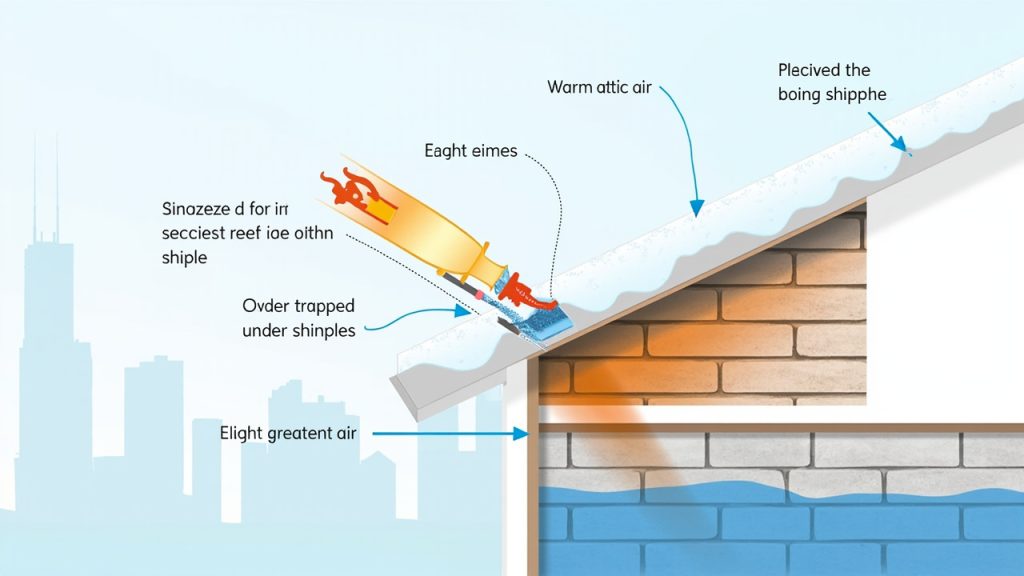
Edgewater’s vintage Chicago courtyard apartments and older residential buildings face unique ice dam challenges. Many of these homes feature the characteristic steep roof pitches common to Sheridan Road properties built in the early 1900s. The older roof angles and vintage construction materials, combined with Edgewater’s proximity to Lake Michigan, create a perfect storm for ice dam formation and interior water damage.
Lake Michigan’s proximity intensifies freeze-thaw cycles in Edgewater neighborhoods. Water vapor from the lake and wind patterns create lake effect snow that deposits heavily on Edgewater roofs. Winter temperatures fluctuate between freezing and thawing more dramatically near the shoreline than inland Chicago areas. When warm attic air rises and melts snow on the roof, the water flows to the cold eaves and freezes solid, trapping moisture beneath your shingles.
Edgewater’s vintage courtyard apartments often feature inadequate attic insulation and poor soffit ventilation, inherited from their original 1920s construction. The flat sections and interior roof valleys common to these older homes trap water more easily than modern peaked roofs. Repairing interior water damage from ice dams in Edgewater requires understanding these architectural quirks and the region’s specific climate pressures.
Ravenswood’s early 1900s two-flats present similar challenges. These homes typically have minimal ventilation and dense construction that traps moisture effectively. The brick and balloon-frame construction common to Ravenswood properties makes water removal and drying more complex than modern homes, requiring specialized equipment and extended dehumidification cycles.
Rogers Park’s proximity to the lakefront exposes homes to intense wind patterns that accelerate ice dam formation. Lake-facing roofs in Rogers Park accumulate snow faster than inland neighborhoods, and the wind creates uneven snow distribution that increases localized melt and refreezing. The older residential stock in Rogers Park often lacks proper ridge ventilation, forcing warm moist air to condense on the roof deck.
Buena Park and Uptown neighborhoods share similar architectural patterns with Edgewater. These neighborhoods feature courtyard buildings with complex roof lines and shared wall construction where water travels unpredictably between units. Ice dams in these buildings require understanding multi-unit restoration protocols and coordination with building management and adjoining residents.
Why Chicago Homes Are Vulnerable to Ice Dam Damage
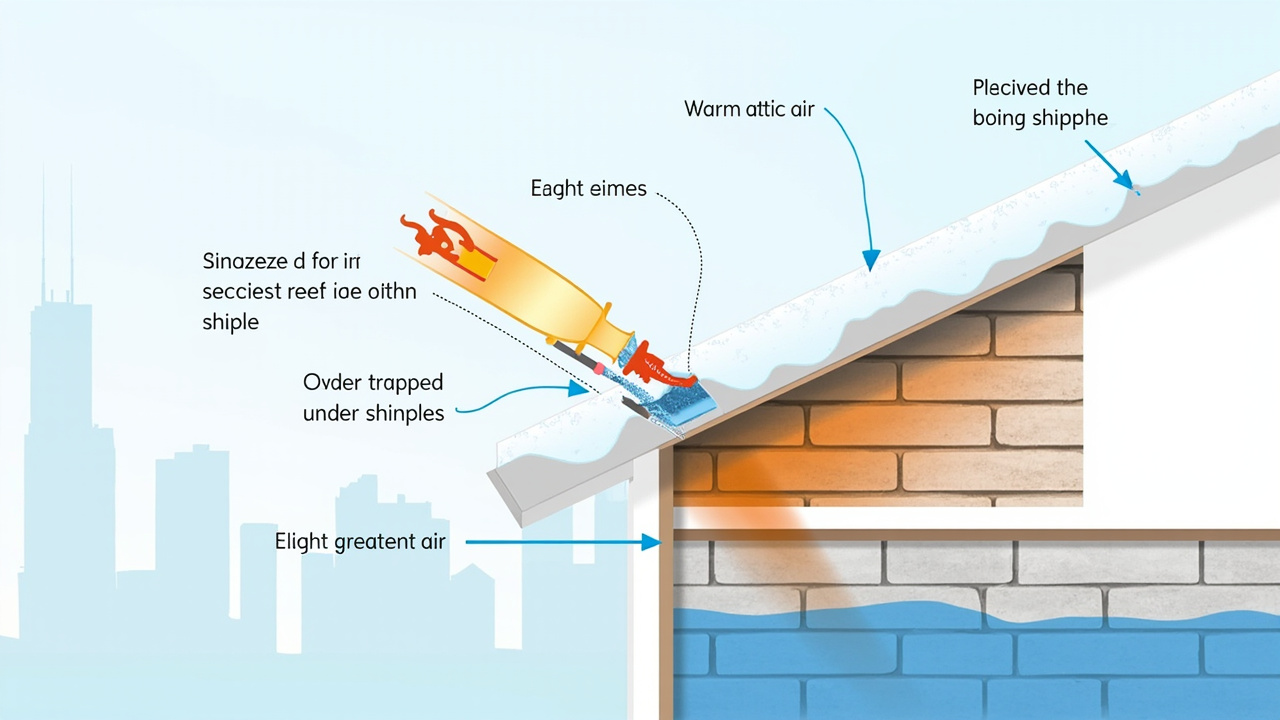
Chicago’s climate creates perfect conditions for ice dams. Winter temperatures fluctuate between freezing and thawing, especially near Lake Michigan where lake effect snow and wind are common. When warm attic air rises and melts snow on the roof, the water flows to the cold eaves and freezes solid.
Historic Chicago architecture makes the problem worse. Chicago bungalows and two-flats often feature inadequate attic insulation and poor soffit ventilation. The flat roofs and interior roof valleys of many older homes trap water more easily than modern peaked roofs. Limestone foundations and high clay content soil mean water seeping into your basement creates additional hydrostatic pressure problems.
The Chicago Building Code requires attic insulation between R-49 and R-60 for new construction, yet many homes built before 2000 have only R-20 to R-30. This temperature difference between your attic and roof surface triggers ice dam formation every winter.
Immediate Steps to Take When You Spot Water Damage
If you see water dripping from your ceiling or wet drywall, act fast. Standing water and moisture create mold within 24 to 48 hours in Chicago’s humid winters.
- Stop the water entry
Place buckets under active drips. Avoid walking in the attic if the floor is wet, you may step through wet drywall below. If you can safely reach the area, use towels to redirect water away from insulation and into the buckets.
- Open interior doors
Allow air to circulate between rooms. Close any exterior doors to prevent outdoor cold air from entering. You want indoor air to reach wet surfaces, not outdoor air.
- Turn on bathroom and kitchen exhaust fans
Run them continuously to pull moisture out of the house. This prevents mold spores from settling on wet drywall and insulation.
- Call for emergency removal
Contact a restoration crew within the first few hours. The faster we remove the ice dam and begin drying, the less structural damage develops and the smaller your mold risk becomes.
- Document the damage
Take photos and videos of stains, wet insulation, and any visible ice buildup on the exterior. Your insurance adjuster will need this evidence.
How Professional Ice Dam Removal Works
Not all ice dam removal methods are equal. Some cause shingle damage that leads to future roof leaks. Others use chemicals that harm landscaping and gutters.
Steam Ice Dam Removal vs Mechanical Chipping
| Method | Temperature | Risk to Roof | Speed | Cost Factor |
|---|---|---|---|---|
| Low-pressure steam (recommended) | 212°F saturated vapor | None. Melts ice without splitting shingles | 30 to 90 minutes per dam | Standard industry cost |
| Manual chipping with ice axes | Not applicable | High. Punctures shingles, cracks flashing | Slow and unpredictable | Lower upfront, higher repair costs later |
| Calcium chloride pellets | Chemical reaction | Moderate. Corrodes metal gutters and flashings | 4 to 12 hours | Low, but environmental damage |
Cornerstone uses steam extraction for ice dam removal. The saturated vapor melts the ice without applying mechanical force. Your shingles, flashing, and gutter remain intact. We work from a secured ladder or safety equipment on the roof, never crawling across the ice dam itself.
The steam process is also faster than manual methods. A technician can clear 30 to 40 linear feet of ice dam per hour, which removes the water backup and allows interior water to stop flowing within minutes.
Structural Drying and Water Damage Restoration After Ice Dam Removal
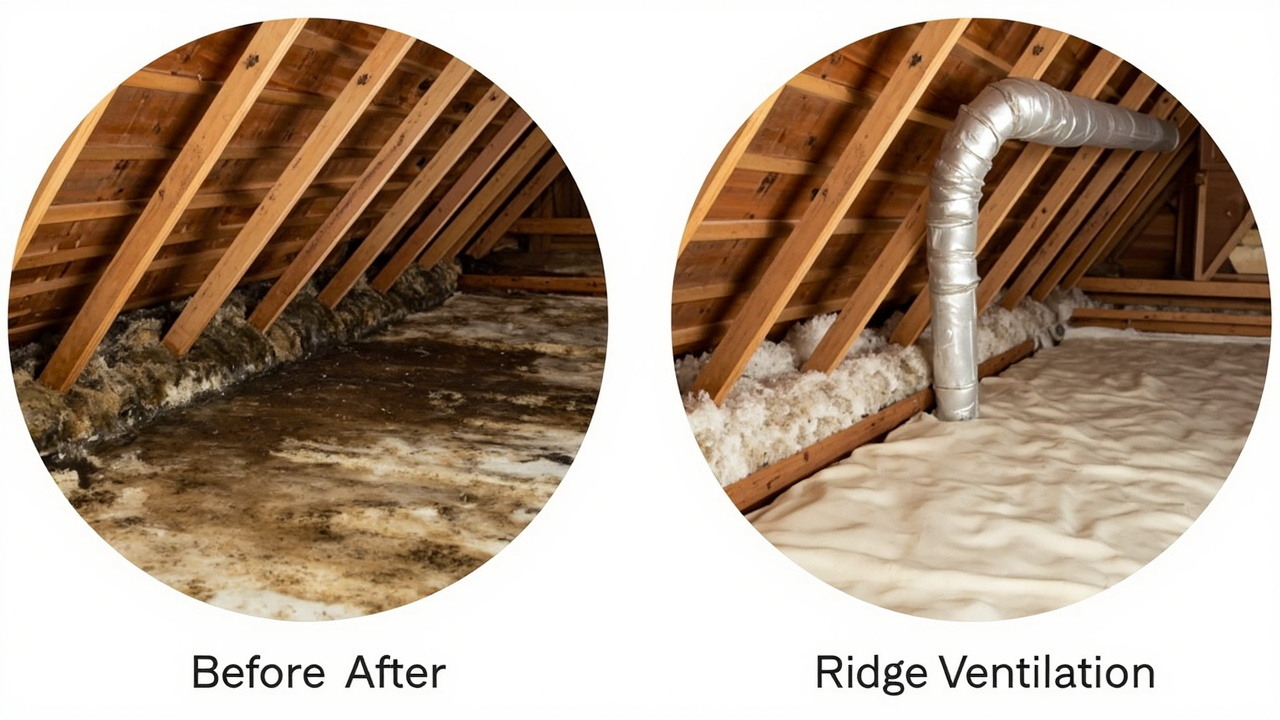
Removing the ice dam stops new water from entering, yet water that soaks into your attic, walls, and ceilings must dry completely. Most homeowners see the dripping stop and assume the problem is solved. Three weeks later, mold growth appears.
The Drying Timeline
Drying speed depends on how much water entered the structure. A small stain on drywall requires 3 to 7 days with proper dehumidification. Saturated insulation and wet wood framing require 14 to 21 days.
| Damage Severity | Affected Area | Typical Drying Time | Dehumidifiers Needed |
|---|---|---|---|
| Minor. Small water stain only | 4 to 8 square feet | 3 to 5 days | 1 to 2 units |
| Moderate. Drywall penetration, wet insulation | 20 to 50 square feet | 7 to 14 days | 3 to 5 units |
| Severe. Deep saturation, wood framing wet | 50+ square feet | 14 to 21 days | 6 to 10 units |
Our crews use industrial-grade dehumidifiers and air movers to accelerate drying. Dehumidifiers pull moisture from the air and structural materials. Air movers create cross-ventilation to prevent pockets of stagnant, humid air from forming inside walls and ceiling cavities.
We monitor moisture levels daily with thermal imaging and moisture meters. When wood framing and drywall reach equilibrium moisture content of 12 percent or less, drying is complete and mold risk ends.
Attic Insulation and Bypass Sealing
Wet attic insulation loses its R-value and attracts mold. If insulation is soaked through, we remove and replace it. During replacement, we seal air bypasses, gaps in the insulation or drywall where warm air from your living space flows directly into the attic.
Air bypasses are common in Chicago bungalows and Edgewater vintage apartments. They occur around plumbing vents, electrical outlets, and where walls meet the roof deck. Sealing bypasses with caulk or foam reduces heat loss and prevents the attic temperature from rising so high that ice dams form in the first place.
Most homes in Chicago benefit from upgrading to R-49 or R-60 insulation as part of the restoration. This meets current Chicago Building Code and significantly reduces future ice dam risk.
Mold Remediation Following Water Intrusion
Mold spores are present in every attic. When they land on wet drywall, wet wood, or wet insulation, they germinate within 24 to 48 hours. Visible mold growth is black, green, or gray discoloration on surfaces.
Our crews contain the moldy area during removal. We use HEPA filtration to prevent spores from spreading to unaffected parts of your home. Once the area is physically dry and mold-free, we apply mold-resistant drywall and vapor barriers during reconstruction.
Mold remediation is covered by standard homeowners insurance if the mold resulted from a water damage claim. This means your ice dam water damage claim typically covers the mold removal at no additional cost to you.
Navigating Illinois Homeowners Insurance for Ice Dam Claims
Your policy wording determines your coverage for ice dam damage. Most standard homeowners policies in Illinois cover sudden, accidental water damage from ice dams if the damage occurred without negligence on your part.
Your Insurance Covers These Ice Dam Repairs
- Water extraction and removal equipment rental
- Structural drying labor and materials
- Damaged drywall, insulation, and ceiling materials
- Mold remediation if secondary to the water claim
- Temporary repairs such as roof tarping
- Deductible applies. Most Illinois homeowners have $500 to $1,000 deductibles
Your Insurance Excludes These Items
- Preventative work such as roof raking or ice dam removal before water enters the home
- Negligent maintenance like never cleaning gutters or allowing snow to pile against the house
- Damage from gradual ice dam formation if you ignored previous years of warning signs
- Backup of water through your plumbing system, separate backup endorsement needed
The key phrase in Illinois insurance is sudden and accidental. This means the water damage was not a result of gradual neglect. An ice dam forming during an unusually heavy snow event qualifies. Repeatedly ignoring an ice dam problem for five winters and then filing a claim does not.
Filing Your Claim
Contact your insurance agent or claims hotline the same day you discover water damage. Provide the date water first entered your home and the approximate amount of damage visible.
An adjuster will inspect your home within 3 to 5 business days. Cornerstone works directly with your adjuster to document the scope of work and secure pre-approval for restoration. This prevents disputes over what work is covered and eliminates surprises when the bill arrives.
For detailed guidance on managing your claim from start to finish, see our full resource on how to handle insurance claims.
Chicago-Specific Prevention Strategies for Ice Dams
Once your home dries and repairs are complete, preventing future ice dams is the next priority. Chicago’s winter weather guarantees ice dams will form again unless you address the root cause.
Improve Attic Insulation and Ventilation
The most effective prevention method is keeping your attic cold. This means two things. First, add insulation to reduce heat loss from your living space into the attic. Second, ensure soffit vents and ridge vents allow cold outside air to flow continuously through the attic.
Many Chicago bungalows have soffit vents that are blocked by ice or debris. Clearing vents annually allows air circulation that cools the attic deck and prevents snow melt. Edgewater homes with older roof pitches benefit especially from careful soffit vent maintenance, as the steeper angles cause faster ice accumulation.
Attic insulation should meet R-49 minimum. In Chicago’s climate with lake effect snow and extreme cold, R-60 provides additional buffer against future ice dams. Fiberglass batts are cheaper upfront, yet blown-in cellulose or fiberglass fills cavities more evenly and reduces air pockets.
Seal Air Bypasses
Air bypasses allow warm, moist air from your kitchen and bathrooms to flow directly into the attic. This humidity condenses on the cold roof deck and contributes to ice formation. Sealing bypasses around electrical outlets, plumbing vents, and wall-to-roof transitions prevents this.
Install Heating Cable as Temporary Measure
Heating cables run along the eave edge and drip edge of your roof. They melt ice dams as they form, allowing water to drain off the roof before it backs up under shingles. Cables are not a permanent solution, yet they provide protection while you complete attic insulation upgrades.
Clear Gutters and Downspouts Every Fall
Debris in gutters blocks meltwater drainage. Even if an ice dam does not form, water trapped in gutters can back up under your roof line. Clean gutters in October and November before winter storms arrive.
Roof Raking After Heavy Snow
If you receive more than 8 inches of snow in a single event and temperatures stay below freezing, pulling snow off the lower 6 feet of your roof edge reduces melt and refreezing at the eaves. This is physically demanding and dangerous work. Professional roof raking services are available throughout Chicago during heavy snow events.
Emergency Ice Dam Removal and Water Damage Services Across the Chicago Area
Cornerstone responds 24/7 to ice dam emergencies throughout the greater Chicago metropolitan area. Whether you are in Edgewater managing vintage courtyard apartments, Lincoln Park dealing with an old Victorian, Lakeview managing a condo, or in the suburbs like Evanston, Naperville, or Joliet, our crews are equipped to remove ice dams and restore water damage the same day you call.
We understand the specific challenges that Edgewater residents face. The lake effect weather patterns, the steep roof pitches characteristic of Sheridan Road homes, and the freeze-thaw cycles intensified by Lake Michigan proximity all demand specialized knowledge. Our technicians have managed dozens of ice dam restoration projects in Edgewater’s vintage buildings and understand how to navigate the tight spaces and historic construction common to these properties.
We also serve communities across Illinois with water damage restoration in Springfield and water damage restoration in Joliet. If your home is in a freeze-prone area of Illinois, we understand your local climate challenges and insurance requirements.
Beyond ice dam removal, we handle all categories of water intrusion. Sump pump failures, burst pipes, roof leaks, and sewage backups are all part of our winter emergency portfolio. Our crews meet IICRC certification standards in water restoration, which means they follow industry standards for extraction, drying, and mold remediation.
Why Cornerstone Outperforms Other Restoration Companies
Cornerstone technicians have worked on Chicago’s unique architecture for 15 plus years. We know which insurance adjusters work for which carriers, which contractors prefer which suppliers, and which neighborhoods have the worst soil drainage. Our Edgewater project experience includes restoration work at vintage courtyard apartments on Sheridan Road where the combination of steep roof pitches and lake effect conditions created complex water damage patterns. We successfully managed a major ice dam claim for a 1920s Edgewater building where interior wall cavities required 21 days of dehumidification and specialized bypass sealing to prevent future dam formation.
We also offer transparency that larger companies cannot match. You speak directly with the crew supervisor managing your job, not a call center in another state. We provide daily progress photos and moisture meter readings so you see exactly how drying is progressing.
Our pricing reflects what the job actually costs in the Chicago area. We do not submit inflated estimates to insurance companies hoping for negotiation leverage. This means faster claim approval and faster restoration start dates.
Frequently Asked Questions
How quickly can your team remove an ice dam?
Our crew arrives on-site within 60 minutes of your call, 24 hours a day, seven days a week. Ice dam removal using steam takes 30 to 90 minutes depending on dam size and roof pitch. We then begin water extraction and dehumidification setup the same day.
Will my homeowners insurance cover ice dam damage?
Most Illinois homeowners insurance policies cover sudden, accidental water damage from ice dams. Coverage includes water extraction, structural drying, and material replacement. Your specific coverage depends on your policy and the cause of the dam. We review your policy with your adjuster to maximize your claim.
Can ice dam removal damage my roof?
Steam ice dam removal does not damage shingles or flashing. The saturated vapor melts ice without mechanical force. Mechanical chipping with ice axes or shovels carries high risk of shingle puncture and flashing damage. We avoid these methods entirely.
How long does structural drying take after ice dam removal?
Drying time depends on the volume of water that entered your home. Minor water stains dry in 3 to 5 days. Saturated insulation and wood framing dry in 14 to 21 days with industrial dehumidifiers running continuously. We monitor moisture content daily to confirm when drying is complete.
What is the best way to prevent ice dams in Chicago?
The most effective prevention is attic insulation upgrade to R-49 or R-60 combined with soffit and ridge vent clearing to allow air circulation. Sealing air bypasses reduces warm air flowing into the attic. These improvements eliminate the temperature difference that causes snow melt and refreezing at the eaves.
Do you work with my insurance company?
Yes. We bill insurance directly and coordinate all communication with your adjuster. This eliminates the burden of negotiating between the restoration company and your insurance claim representative. You receive the restoration you need without out-of-pocket surprises.
Your home is your family’s most valuable asset. Water damage from ice dams threatens both its structure and your family’s health through mold growth and moisture. Do not wait for the damage to spread. Contact Cornerstone today for emergency ice dam removal and water restoration service throughout the Chicago area and Illinois.
Call Cornerstone Water Damage Restoration now at our 24/7 emergency line to schedule immediate ice dam removal and water damage restoration. Our crews are standing by to respond to your home in under 60 minutes. Visit our contact page or call now to report your emergency and get your home back to dry, safe condition today.
{
“@context”: “https://schema.org”,
“@type”: “BlogPosting”,
“headline”: “Ice Dam Water Damage Repair and Removal in Chicago IL”,
“description”: “Emergency ice dam removal and water damage restoration in Chicago. Steam removal, structural drying, and insurance claim support 24/7.”,
“wordCount”: 3000,
“datePublished”: “2026-02-26T07:19:00.000Z”,
“dateModified”: “2026-02-26T07:19:00.000Z”,
“inLanguage”: “en-US”,
“mainEntityOfPage”: {
“@type”: “WebPage”,
“@id”: “https://cornerstonewaterdamagerestorationchicago.com”
},
“publisher”: {
“@type”: “LocalBusiness”,
“name”: “Cornerstone Water Damage Restoration Chicago”,
“url”: “https://cornerstonewaterdamagerestorationchicago.com”
},
“author”: {
“@type”: “Organization”,
“name”: “Cornerstone Water Damage Restoration Chicago”,
“url”: “https://cornerstonewaterdamagerestorationchicago.com”
},
“image”: {
“@type”: “ImageObject”,
“url”: “https://cornerstonewaterdamagerestorationchicago.com/wp-content/uploads/2026/03/repairing-interior-water-damage-from-ice-dams-in-e-1.jpg”
}
}
{
“@context”: “https://schema.org”,
“@type”: “LocalBusiness”,
“name”: “Cornerstone Water Damage Restoration Chicago”,
“url”: “https://cornerstonewaterdamagerestorationchicago.com”,
“address”: {
“@type”: “PostalAddress”,
“addressLocality”: “Chicago”
},
“areaServed”: {
“@type”: “City”,
“name”: “Chicago”
}
}
{
“@context”: “https://schema.org”,
“@type”: “FAQPage”,
“mainEntity”: [
{
“@type”: “Question”,
“name”: “How quickly can your team remove an ice dam?”,
“acceptedAnswer”: {
“@type”: “Answer”,
“text”: “Our crew arrives on-site within 60 minutes of your call, 24 hours a day, seven days a week. Ice dam removal using steam takes 30 to 90 minutes depending on dam size and roof pitch. We then begin water extraction and dehumidification setup the same day.”
}
},
{
“@type”: “Question”,
“name”: “Will my homeowners insurance cover ice dam damage?”,
“acceptedAnswer”: {
“@type”: “Answer”,
“text”: “Most Illinois homeowners insurance policies cover sudden, accidental water damage from ice dams. Coverage includes water extraction, structural drying, and material replacement. Your specific coverage depends on your policy and the cause of the dam. We review your policy with your adjuster to maximize your claim.”
}
},
{
“@type”: “Question”,
“name”: “Can ice dam removal damage my roof?”,
“acceptedAnswer”: {
“@type”: “Answer”,
“text”: “Steam ice dam removal does not damage shingles or flashing. The saturated vapor melts ice without mechanical force. Mechanical chipping with ice axes or shovels carries high risk of shingle puncture and flashing damage. We avoid these methods entirely.”
}
},
{
“@type”: “Question”,
“name”: “How long does structural drying take after ice dam removal?”,
“acceptedAnswer”: {
“@type”: “Answer”,
“text”: “Drying time depends on the volume of water that entered your home. Minor water stains dry in 3 to 5 days. Saturated insulation and wood framing dry in 14 to 21 days with industrial dehumidifiers running continuously. We monitor moisture content daily to confirm when drying is complete.”
}
},
{
“@type”: “Question”,
“name”: “What is the best way to prevent ice dams in Chicago?”,
“acceptedAnswer”: {
“@type”: “Answer”,
“text”: “The most effective prevention is attic insulation upgrade to R-49 or R-60 combined with soffit and ridge vent clearing to allow air circulation. Sealing air bypasses reduces warm air flowing into the attic. These improvements eliminate the temperature difference that causes snow melt and refreezing at the eaves.”
}
},
{
“@type”: “Question”,
“name”: “Do you work with my insurance company?”,
“acceptedAnswer”: {
“@type”: “Answer”,
“text”: “Yes. We bill insurance directly and coordinate all communication with your adjuster. This eliminates the burden of negotiating between the restoration company and your insurance claim representative. You receive the restoration you need without out-of-pocket surprises.”
}
}
]
}
{
“@context”: “https://schema.org”,
“@type”: “HowTo”,
“name”: “How to Protect Your Home From Ice Dam Water Damage”,
“step”: [
{
“@type”: “HowToStep”,
“position”: 1,
“name”: “Stop the water entry”,
“text”: “Place buckets under active drips. Avoid walking in the attic if the floor is wet, you may step through wet drywall below. If you can safely reach the area, use towels to redirect water away from insulation and into the buckets.”
},
{
“@type”: “HowToStep”,
“position”: 2,
“name”: “Open interior doors”,
“text”: “Allow air to circulate between rooms. Close any exterior doors to prevent outdoor cold air from entering. You want indoor air to reach wet surfaces, not outdoor air.”
},
{
“@type”: “HowToStep”,
“position”: 3,
“name”: “Turn on bathroom and kitchen exhaust fans”,
“text”: “Run them continuously to pull moisture out of the house. This prevents mold spores from settling on wet drywall and insulation.”
},
{
“@type”: “HowToStep”,
“position”: 4,
“name”: “Call for emergency removal”,
“text”: “Contact a restoration crew within the first few hours. The faster we remove the ice dam and begin drying, the less structural damage develops and the smaller your mold risk becomes.”
},
{
“@type”: “HowToStep”,
“position”: 5,
“name”: “Document the damage”,
“text”: “Take photos and videos of stains, wet insulation, and any visible ice buildup on the exterior. Your insurance adjuster will need this evidence.”
}
],
“image”: “https://cornerstonewaterdamagerestorationchicago.com/wp-content/uploads/2026/03/repairing-interior-water-damage-from-ice-dams-in-e-1.jpg”
}
{
“@context”: “https://schema.org”,
“@type”: “BreadcrumbList”,
“itemListElement”: [
{
“@type”: “ListItem”,
“position”: 1,
“name”: “Home”,
“item”: “https://cornerstonewaterdamagerestorationchicago.com”
},
{
“@type”: “ListItem”,
“position”: 2,
“name”: “Blog”,
“item”: “https://cornerstonewaterdamagerestorationchicago.com/blog”
},
{
“@type”: “ListItem”,
“position”: 3,
“name”: “Ice Dam Water Damage Repair and Removal in Chicago IL”
}
]
}
{
“@context”: “https://schema.org”,
“@type”: “Service”,
“serviceType”: “Water Damage Restoration”,
“provider”: {
“@type”: “LocalBusiness”,
“name”: “Cornerstone Water Damage Restoration Chicago”,
“url”: “https://cornerstonewaterdamagerestorationchicago.com”
},
“areaServed”: {
“@type”: “City”,
“name”: “Chicago”
},
“description”: “Emergency ice dam removal and water damage restoration in Chicago. Steam removal, structural drying, and insurance claim support 24/7.”
}