
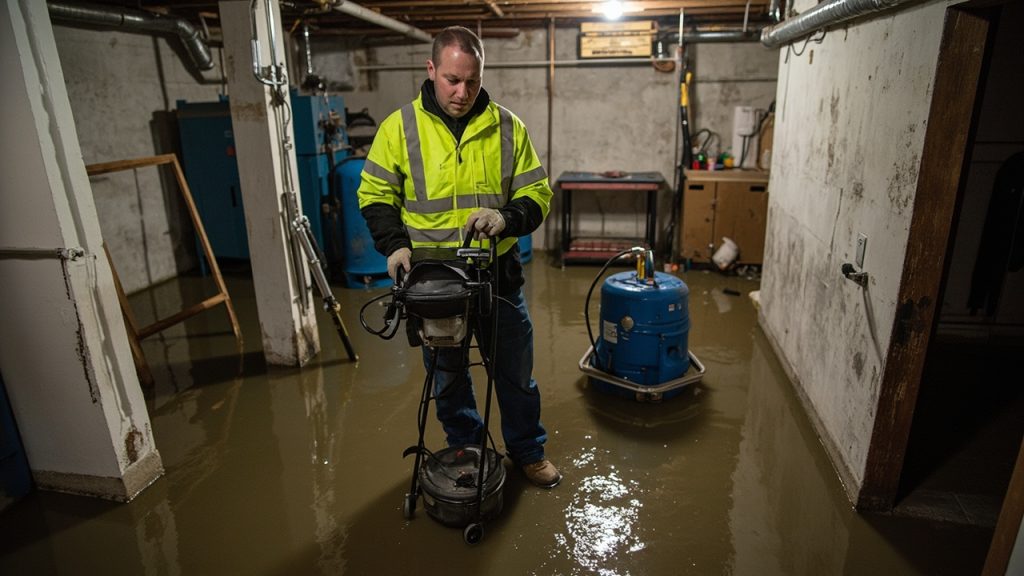
24/7 Sump Pump Failure Cleanup in Bucktown, Chicago
Your basement floods at 2 a.m. during a spring rainstorm. The sump pump that drained water for years stopped working. Now water covers your floor, creeping toward your furnace and electrical panel. You need help immediately, not tomorrow.
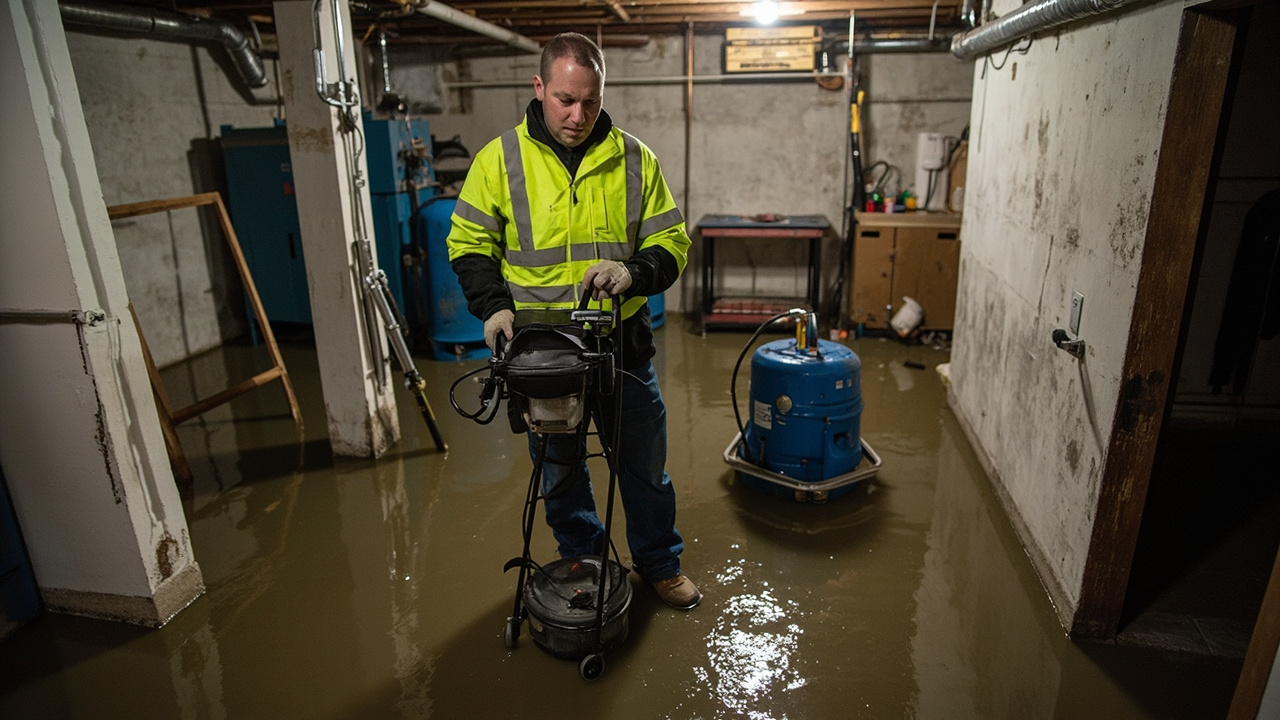
Cornerstone Water Damage Restoration reaches Bucktown basements in under 60 minutes. We deploy industrial submersible pumps, high-volume air movers, and IICRC-certified technicians who understand exactly why your sump pump failed and how to prevent it from happening again.
What Happens When a Sump Pump Fails in Bucktown
Bucktown’s historic housing stock creates specific vulnerabilities for sump pump failure. Most homes in the 60622 and 60647 zip codes were built between 1890 and 1950. These Chicago bungalows and two-flats sit on foundations that experience intense hydrostatic pressure, especially during spring thaw and heavy rain seasons.
Chicago Blue Clay surrounds Bucktown basements. This dense soil holds water instead of letting it drain naturally. When you combine clay soil with a high water table near Lake Michigan and aging sewer infrastructure, your sump pump becomes the only line of defense between a dry basement and a flooded one.
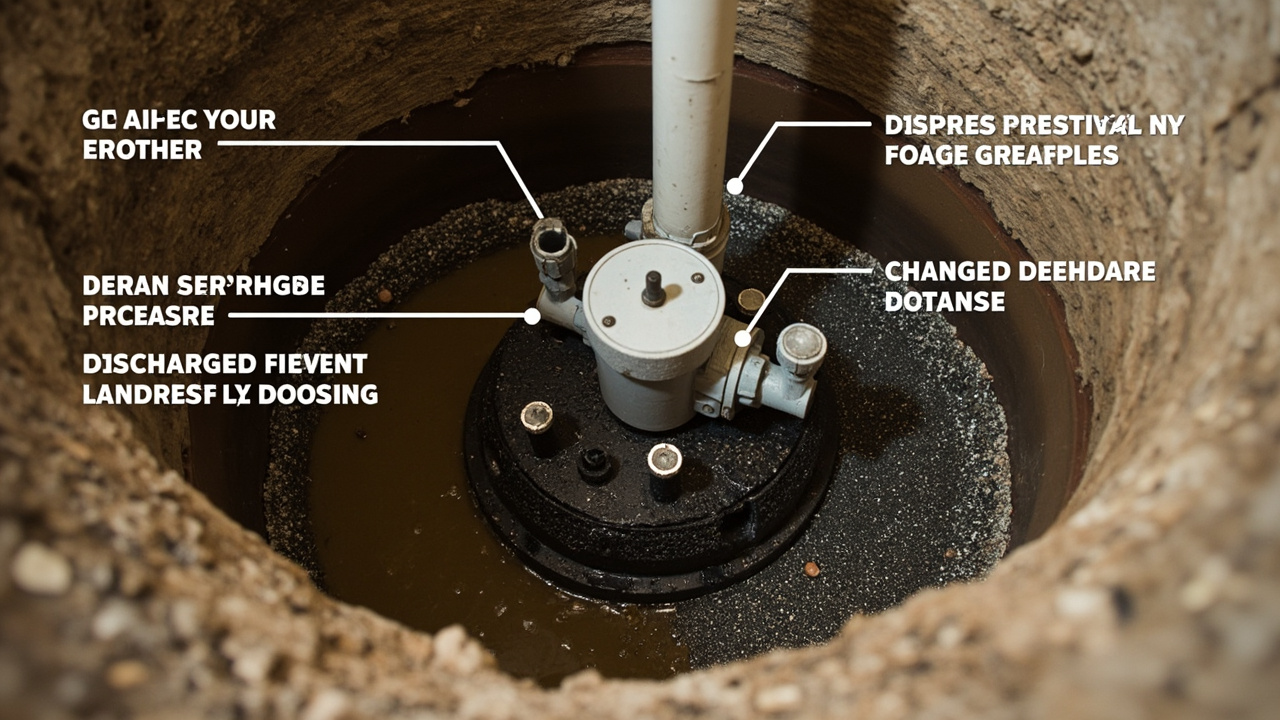
Sump pump failures happen for three main reasons in Bucktown specifically.
| Failure Cause | Why It Happens in Bucktown | Warning Signs |
|---|---|---|
| Float Switch Malfunction | Debris from older sewer lines clogs the pump basin. The float gets stuck and never triggers the pump motor. | Pump runs constantly or not at all. Strange grinding noises from the pit. |
| Power Loss or Electrical Failure | Bucktown experiences frequent power grid strain during storms. Aging wiring in historic homes trips breakers or fails entirely. | Pump stops working mid-storm. Breaker in the basement panel keeps tripping. |
| Discharge Line Blockage | Narrow discharge pipes freeze during polar vortex conditions. Ice buildup forces water back into the pit, overflowing into your basement. | Water level rises even though you hear the pump running. |
When any of these failures occurs during a heavy rain, water enters your basement at 5 to 10 gallons per minute. Within hours, you have thousands of gallons covering your floor. Unlike a clean water leak from a burst pipe, sump pump water often contains sewage, soil bacteria, and chemicals. This is category 3 water, the most hazardous type.
Immediate Steps to Take Before Professional Help Arrives
Time matters when your basement floods. These steps stabilize the situation and protect your family while you wait for our team.
- Turn Off Power at the Main Panel
Shut off electricity to the basement at your main breaker. Floodwater conducts electricity. Even a small amount of water near electrical outlets, furnaces, or water heaters creates electrocution risk. If you cannot safely reach the panel, leave the basement immediately.
- Move Valuables to Higher Ground
Carry important documents, photos, and irreplaceable items upstairs. Box electronics and sentimental objects. These first 30 minutes are critical for salvage.
- Open Basement Windows if Safe
Ventilation slows mold growth. Open windows on opposite sides of the basement to create airflow. If outside water level is higher than your basement, do not open windows.
- Document Everything With Your Phone Camera
Photograph water levels, damaged items, and affected areas. Take videos panning the basement from corner to corner. These records become essential for insurance claims. Date-stamp your photos by checking your phone settings.
- Call Cornerstone Water Damage Restoration Immediately
Do not attempt DIY water removal. Large volumes of floodwater require industrial-grade pumps and proper safety protocols. We answer 24/7 and dispatch crews under 60 minutes in Bucktown, Logan Square, Wicker Park, and surrounding neighborhoods.
Professional Water Extraction and Drying Process
Our crews arrive with specialized equipment designed for Chicago basement geometry. Unlike above-grade flooding, basement water removal requires different strategies because water has nowhere to drain except upward through the sump pit or through the walls.
Here is what happens during professional extraction at your Bucktown home.
| Process Step | Equipment Used | Timeline |
|---|---|---|
| Initial Assessment and Safety Measures | Moisture meters, electrical testers, hazmat personal protective equipment | 15 to 20 minutes |
| Water Removal and Pump-Out | Submersible pumps, sump pit pumps, trash pumps for heavy sediment | 2 to 6 hours depending on volume |
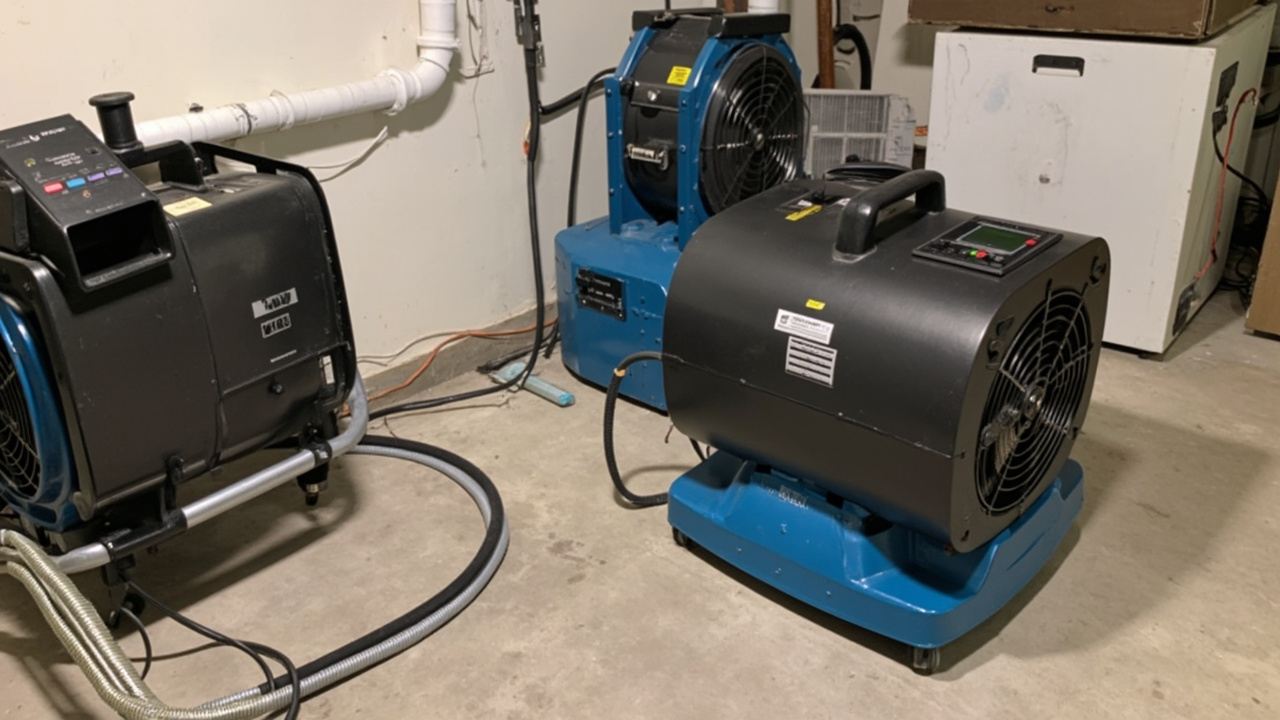
| Structural Drying Setup | Air movers, low-grain-refrigerant dehumidifiers, drying mats for concrete | Equipment placement and testing takes 30 to 45 minutes |
| Continuous Monitoring and Adjustments | Moisture sensors, psychrometers, daily inspections | 3 to 7 days of active drying |
| Mold Prevention Sanitization | IICRC-approved antimicrobial treatments, encapsulation products | Applied after water removal, before drying completes |
Our technicians start by assessing water category. Sump pump overflow water falls into category 3 classification because it contacts soil and potentially sewage. This means we treat your basement with antimicrobial protocols. We do not simply pump water out and hope for the best.
Submersible pumps can move 3,000 to 5,000 gallons per hour. A typical Bucktown basement flooding might involve 2,000 to 8,000 gallons depending on floor area and water depth. Most pump-outs complete within four to six hours. During this time, we also remove saturated drywall sections, damaged insulation, and ruined flooring if necessary.
After visible water removal, the real work begins. Concrete in older Chicago basements is porous. It absorbs and retains moisture inside its structure even after surfaces appear dry. We deploy high-volume air movers and low-grain-refrigerant dehumidifiers to force moisture from concrete, masonry, and framing lumber.
Drying typically takes 3 to 7 days depending on basement size, humidity levels, and how much material absorbed water. We monitor moisture content daily with professional meters. When concrete moisture levels drop to normal ranges, we remove equipment and inspect for hidden water in walls, floor cavities, and insulation.
Why Bucktown Basements Are Prone to Sump Pump Failure
Understanding Bucktown’s specific infrastructure explains why your sump pump worked fine for years, then suddenly failed during last month’s rainstorm.
The neighborhood sits on historic combined sewer systems. Unlike modern separated systems that route rainwater differently from sewage, combined sewers handle both during storms. When heavy rain exceeds the sewer capacity, sewage backs up into basement drains and sump pits. This overloads the pump with debris-laden water it was not designed to handle.
Chicago’s Deep Tunnel Project, also called the Tunnel and Reservoir Plan or TARP, helps but does not eliminate the problem for older Bucktown areas near North Damen Avenue and West Fullerton Avenue. The Deep Tunnel system captures overflow and stores it underground, yet homes connected to aging laterals still experience backups during intense storms.
Polar vortex conditions from late 2024 through early 2026 created additional stress. Freeze-thaw cycles caused foundation movement and cracked basement walls. Cracks allow groundwater to seep in continuously, overworking sump pumps beyond their design capacity. Pipes froze, burst, and discharged water into sump pits. These weren’t sump pump failures in the traditional sense. The pump worked fine. The system was just overwhelmed.
Battery backup sump pumps help during power outages, but they cannot solve the overflow problem alone. A secondary pump adds capacity and provides redundancy. We install battery backup systems in most Bucktown homes as part of comprehensive basement waterproofing plans.
Sump Pump Failure and Your Insurance Claim
Your homeowner’s insurance policy probably covers water damage from sump pump failure, but the details matter. Most standard policies include sudden, accidental water damage. Sump pump failure qualifies if the pump stopped working due to a mechanical defect, power loss, or component failure.
Coverage gaps exist in three common situations.
- Lack of Maintenance. If your policy requires regular sump pump maintenance and you cannot prove you serviced it, the insurer may deny the claim as negligence. Keep receipts from any pump inspections or repairs.
- Sump Pump Overflow Rider. Some policies require a separate endorsement to cover sump pump failure. Check your declarations page. If your policy does not mention sump pumps, contact your agent to add this rider before the next rainstorm.
- Flood Insurance Exclusion. Standard homeowner policies exclude losses from flood, which is defined as surface water from storms and poor drainage. Sump pump failure does not always trigger this exclusion, yet it sometimes does depending on how the claim adjuster interprets the water source.
When you call us after flooding, ask about our direct insurance handling. We prepare claim documentation, provide detailed scope of work, and coordinate with adjusters on your behalf. You focus on family safety. We handle the paperwork complexity.
How to handle insurance claims requires knowing what your insurer will and will not pay for. We have 15 years of experience negotiating with Chicago-area carriers. We know which adjusters request what documentation and how to present claims for maximum coverage.
Certified Mold Prevention and Sanitization
Floodwater from sump pump overflow contains more than water. Soil bacteria, fungi, and possibly sewage create an environment where mold germinates within 24 to 48 hours if moisture and organic material remain present.
We apply IICRC S500 Standard-compliant antimicrobial treatment to all affected surfaces. This is not bleach mixed in a bucket. Professional antimicrobial treatment uses EPA-registered biocides that penetrate porous materials and prevent mold spore germination in concrete, wood, and drywall.
Black mold does not grow exclusively in dark areas despite its name. It grows anywhere moisture persists combined with organic material. Bucktown basements with exposed soil in crawl spaces, fiberglass insulation, and wooden rim joists provide ideal mold growth substrates. We encapsulate these areas and apply moisture barriers that prevent future colonization.
Some homeowners skip antimicrobial treatment to save money. Mold remediation costs far more than prevention. A small mold problem in 2026 becomes a major remediation project by 2027 if moisture returns. Black mold symptoms include respiratory issues, allergic reactions, and asthma exacerbation. Your family’s health depends on proper moisture control and mold prevention.
Long-Term Sump Pump Prevention for Bucktown Homes
After we restore your basement from flooding, the conversation shifts to prevention. We recommend specific measures for Bucktown homes based on local climate patterns and infrastructure.
Install a battery backup sump pump system. Primary pumps fail during the heaviest storms when power demands spike and electrical systems strain. A battery-powered secondary pump activates when the primary pump cannot keep up or when power fails. This combination handles almost any weather scenario Chicago throws at Bucktown.
Clean your discharge line twice per year. Before spring thaw in March and again before fall rain season in September, inspect the line where it exits your home. Check for ice buildup, debris, or crushed sections. A clogged discharge line is the fastest way to guarantee pump failure during heavy rain.
Install a check valve on your discharge line if one does not exist. The check valve prevents water that the pump discharged from flowing back into the pit when the pump stops. Without this valve, water backs up and the pit refills instantly, running your pump constantly even when groundwater is not entering.
Consider perimeter interior waterproofing if flooding happens repeatedly even with pump maintenance. Interior waterproofing creates a moisture barrier along basement walls and channels water to the sump pit before it reaches your floor. This stops water from entering the basement in the first place rather than trying to pump it out after entry.
Our sump pump maintenance guide covers seasonal preparation, inspection protocols, and common repairs. Bucktown homeowners who follow this guide experience fewer failures and shorter response times if emergencies occur.
Why Professional Response Matters in Bucktown Emergencies
Bucktown residents who attempt DIY water removal often cause more damage than the flood itself. Shopvac rentals move small volumes of water but leave moisture trapped in concrete and framing. Rental dehumidifiers cannot handle the moisture load from thousands of gallons of water. Mold grows in the moisture you missed.
Our response time under 60 minutes for Bucktown addresses the critical first hours after flooding starts. Every hour water sits in your basement, more damage occurs. Drywall absorbs moisture and begins deteriorating. Flooring swells and warps permanently. Mold begins germinating. Electrical systems corrode.
We position crews and equipment strategically across Chicago so that Bucktown, Logan Square, Wicker Park, and nearby neighborhoods receive rapid response. Our trucks carry submersible pumps, air movers, dehumidifiers, moisture meters, and antimicrobial treatments. We do not need to waste hours ordering equipment or coordinating deliveries.
IICRC certification ensures our technicians follow industry standards for water damage mitigation and restoration. This certification matters when you file insurance claims. Adjusters recognize IICRC standards and trust the documentation we provide. Claims move faster and settlements tend to be more favorable when professionals with recognized credentials handle the work.
Frequently Asked Questions
How long until my basement is dry after sump pump flooding?
Complete structural drying typically takes 3 to 7 days depending on water volume, basement size, and ambient humidity. Visible water is gone within 24 hours of pump-out, yet moisture inside concrete and framing requires several more days to evaporate. We monitor moisture levels continuously and remove equipment only when readings confirm the space is dry.
Can I stay in my home while the basement dries?
Yes, you can remain upstairs during drying. The basement remains off-limits due to equipment noise and safety hazards from dehumidifiers and electrical equipment. Upper floors are unaffected by the flood in most cases unless water traveled through floor drains or ceiling leaks.
Will my insurance cover sump pump failure cleanup?
Most standard homeowner policies cover sudden, accidental sump pump failure. Coverage depends on your specific policy language and whether you maintain the pump according to manufacturer recommendations. Contact your insurer immediately after flooding. Describe what happened and ask whether sump pump failure is covered. If uncertain, request that an adjuster visit and assess the damage.
What is the difference between primary and secondary sump pumps?
A primary pump handles normal groundwater intrusion and drainage. A secondary or battery backup pump activates when the primary pump fails, loses power, or cannot keep up with water volume. For Bucktown homes, installing both pumps in the same pit provides redundancy and increased capacity.
Should I replace my sump pump after flooding?
Not necessarily. If the pump itself is undamaged and failure resulted from power loss, clogged discharge line, or float switch sticking, cleaning and repair may be sufficient. If the pump motor is burned out or the mechanism is physically damaged, replacement is required. We inspect the pump during cleanup and recommend repair versus replacement based on findings.
Contact Cornerstone for Bucktown Sump Pump Failure Cleanup
Sump pump failures do not announce themselves during business hours. Spring rainstorms arrive at midnight. Chicago’s polar vortex freezes discharge lines on weekends. Our 24/7 emergency response team stands ready for Bucktown residents facing water intrusion, basement flooding, and mold risk.
When your sump pump fails, call Cornerstone Water Damage Restoration immediately. We respond within 60 minutes in Bucktown, handle extraction and drying with industrial-grade equipment, manage your insurance claim, and prevent mold growth through certified antimicrobial treatment. We restore your basement to safe, livable condition so your family remains protected.
Call us now at 24/7 emergency service. Every minute counts when water threatens your basement. We dispatch crews immediately and begin work without delays.
We also serve Evanston, Schaumburg, Naperville, and every Chicago neighborhood. Your location matters less than your need for immediate help. Contact us now for emergency 24/7 emergency water removal.
{
“@context”: “https://schema.org”,
“@type”: “BlogPosting”,
“headline”: “24/7 Sump Pump Failure Cleanup in Bucktown, Chicago”,
“description”: “Sump pump failed during rain in Bucktown? We respond under 60 minutes. Emergency extraction, drying, and mold prevention for Chicago basements.”,
“wordCount”: 2519,
“datePublished”: “2026-02-13T07:00:00.000Z”,
“dateModified”: “2026-02-13T07:00:00.000Z”,
“inLanguage”: “en-US”,
“mainEntityOfPage”: {
“@type”: “WebPage”,
“@id”: “https://cornerstonewaterdamagerestorationchicago.com”
},
“publisher”: {
“@type”: “LocalBusiness”,
“name”: “Cornerstone Water Damage Restoration Chicago”,
“url”: “https://cornerstonewaterdamagerestorationchicago.com”
},
“author”: {
“@type”: “Organization”,
“name”: “Cornerstone Water Damage Restoration Chicago”,
“url”: “https://cornerstonewaterdamagerestorationchicago.com”
},
“image”: {
“@type”: “ImageObject”,
“url”: “https://cornerstonewaterdamagerestorationchicago.com/wp-content/uploads/2026/03/what-to-do-when-your-sump-pump-fails-during-a-buck-1.jpg”
}
}
{
“@context”: “https://schema.org”,
“@type”: “LocalBusiness”,
“name”: “Cornerstone Water Damage Restoration Chicago”,
“url”: “https://cornerstonewaterdamagerestorationchicago.com”,
“address”: {
“@type”: “PostalAddress”,
“addressLocality”: “Chicago”
},
“areaServed”: {
“@type”: “City”,
“name”: “Chicago”
}
}
{
“@context”: “https://schema.org”,
“@type”: “FAQPage”,
“mainEntity”: [
{
“@type”: “Question”,
“name”: “How long until my basement is dry after sump pump flooding?”,
“acceptedAnswer”: {
“@type”: “Answer”,
“text”: “Complete structural drying typically takes 3 to 7 days depending on water volume, basement size, and ambient humidity. Visible water is gone within 24 hours of pump-out, yet moisture inside concrete and framing requires several more days to evaporate. We monitor moisture levels continuously and remove equipment only when readings confirm the space is dry.”
}
},
{
“@type”: “Question”,
“name”: “Can I stay in my home while the basement dries?”,
“acceptedAnswer”: {
“@type”: “Answer”,
“text”: “Yes, you can remain upstairs during drying. The basement remains off-limits due to equipment noise and safety hazards from dehumidifiers and electrical equipment. Upper floors are unaffected by the flood in most cases unless water traveled through floor drains or ceiling leaks.”
}
},
{
“@type”: “Question”,
“name”: “Will my insurance cover sump pump failure cleanup?”,
“acceptedAnswer”: {
“@type”: “Answer”,
“text”: “Most standard homeowner policies cover sudden, accidental sump pump failure. Coverage depends on your specific policy language and whether you maintain the pump according to manufacturer recommendations. Contact your insurer immediately after flooding. Describe what happened and ask whether sump pump failure is covered. If uncertain, request that an adjuster visit and assess the damage.”
}
},
{
“@type”: “Question”,
“name”: “What is the difference between primary and secondary sump pumps?”,
“acceptedAnswer”: {
“@type”: “Answer”,
“text”: “A primary pump handles normal groundwater intrusion and drainage. A secondary or battery backup pump activates when the primary pump fails, loses power, or cannot keep up with water volume. For Bucktown homes, installing both pumps in the same pit provides redundancy and increased capacity.”
}
},
{
“@type”: “Question”,
“name”: “Should I replace my sump pump after flooding?”,
“acceptedAnswer”: {
“@type”: “Answer”,
“text”: “Not necessarily. If the pump itself is undamaged and failure resulted from power loss, clogged discharge line, or float switch sticking, cleaning and repair may be sufficient. If the pump motor is burned out or the mechanism is physically damaged, replacement is required. We inspect the pump during cleanup and recommend repair versus replacement based on findings.”
}
}
]
}
{
“@context”: “https://schema.org”,
“@type”: “HowTo”,
“name”: “How to respond to sump pump failure flooding”,
“step”: [
{
“@type”: “HowToStep”,
“position”: 1,
“name”: “Turn Off Power at the Main Panel”,
“text”: “Shut off electricity to the basement at your main breaker. Floodwater conducts electricity. Even a small amount of water near electrical outlets, furnaces, or water heaters creates electrocution risk. If you cannot safely reach the panel, leave the basement immediately.”
},
{
“@type”: “HowToStep”,
“position”: 2,
“name”: “Move Valuables to Higher Ground”,
“text”: “Carry important documents, photos, and irreplaceable items upstairs. Box electronics and sentimental objects. These first 30 minutes are critical for salvage.”
},
{
“@type”: “HowToStep”,
“position”: 3,
“name”: “Open Basement Windows if Safe”,
“text”: “Ventilation slows mold growth. Open windows on opposite sides of the basement to create airflow. If outside water level is higher than your basement, do not open windows.”
},
{
“@type”: “HowToStep”,
“position”: 4,
“name”: “Document Everything With Your Phone Camera”,
“text”: “Photograph water levels, damaged items, and affected areas. Take videos panning the basement from corner to corner. These records become essential for insurance claims. Date-stamp your photos by checking your phone settings.”
},
{
“@type”: “HowToStep”,
“position”: 5,
“name”: “Call Cornerstone Water Damage Restoration Immediately”,
“text”: “Do not attempt DIY water removal. Large volumes of floodwater require industrial-grade pumps and proper safety protocols. We answer 24/7 and dispatch crews under 60 minutes in Bucktown, Logan Square, Wicker Park, and surrounding neighborhoods.”
}
],
“image”: “https://cornerstonewaterdamagerestorationchicago.com/wp-content/uploads/2026/03/what-to-do-when-your-sump-pump-fails-during-a-buck-1.jpg”
}
{
“@context”: “https://schema.org”,
“@type”: “BreadcrumbList”,
“itemListElement”: [
{
“@type”: “ListItem”,
“position”: 1,
“name”: “Home”,
“item”: “https://cornerstonewaterdamagerestorationchicago.com”
},
{
“@type”: “ListItem”,
“position”: 2,
“name”: “Blog”,
“item”: “https://cornerstonewaterdamagerestorationchicago.com/blog”
},
{
“@type”: “ListItem”,
“position”: 3,
“name”: “24/7 Sump Pump Failure Cleanup in Bucktown, Chicago”
}
]
}
{
“@context”: “https://schema.org”,
“@type”: “Service”,
“serviceType”: “Water Damage Restoration”,
“provider”: {
“@type”: “LocalBusiness”,
“name”: “Cornerstone Water Damage Restoration Chicago”,
“url”: “https://cornerstonewaterdamagerestorationchicago.com”
},
“areaServed”: {
“@type”: “City”,
“name”: “Chicago”
},
“description”: “Sump pump failed during rain in Bucktown? We respond under 60 minutes. Emergency extraction, drying, and mold prevention for Chicago basements.”
}