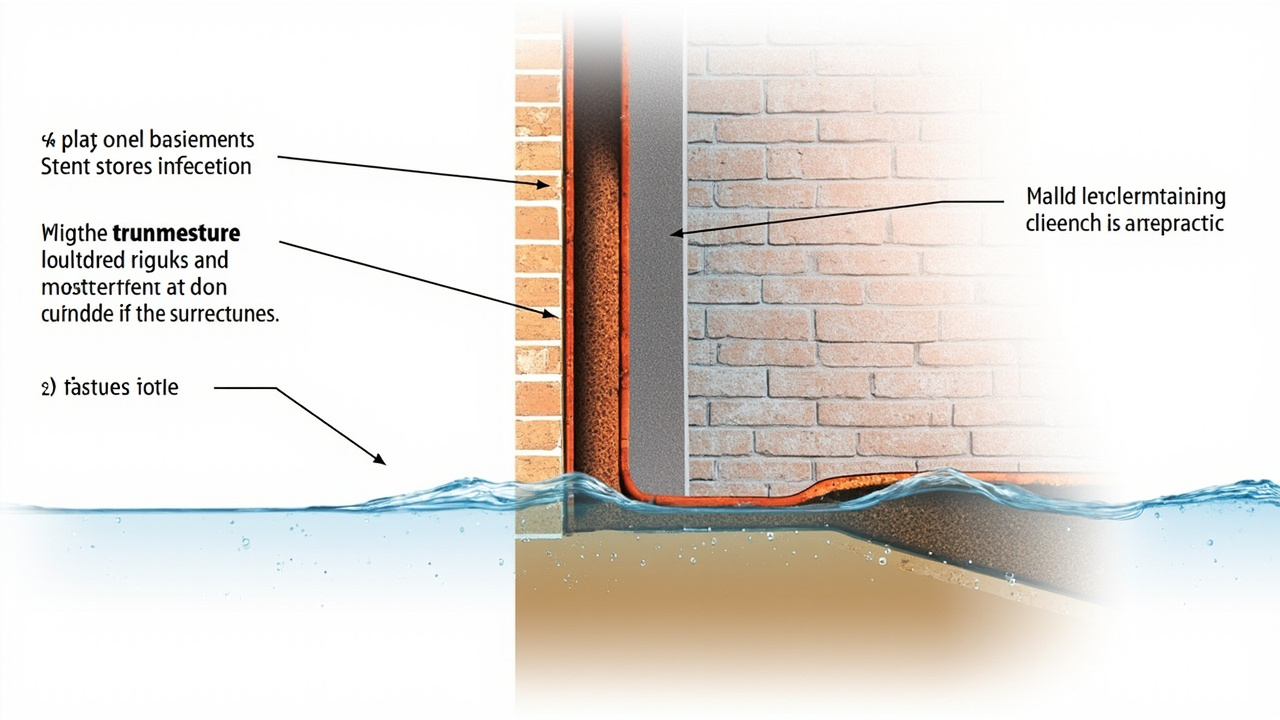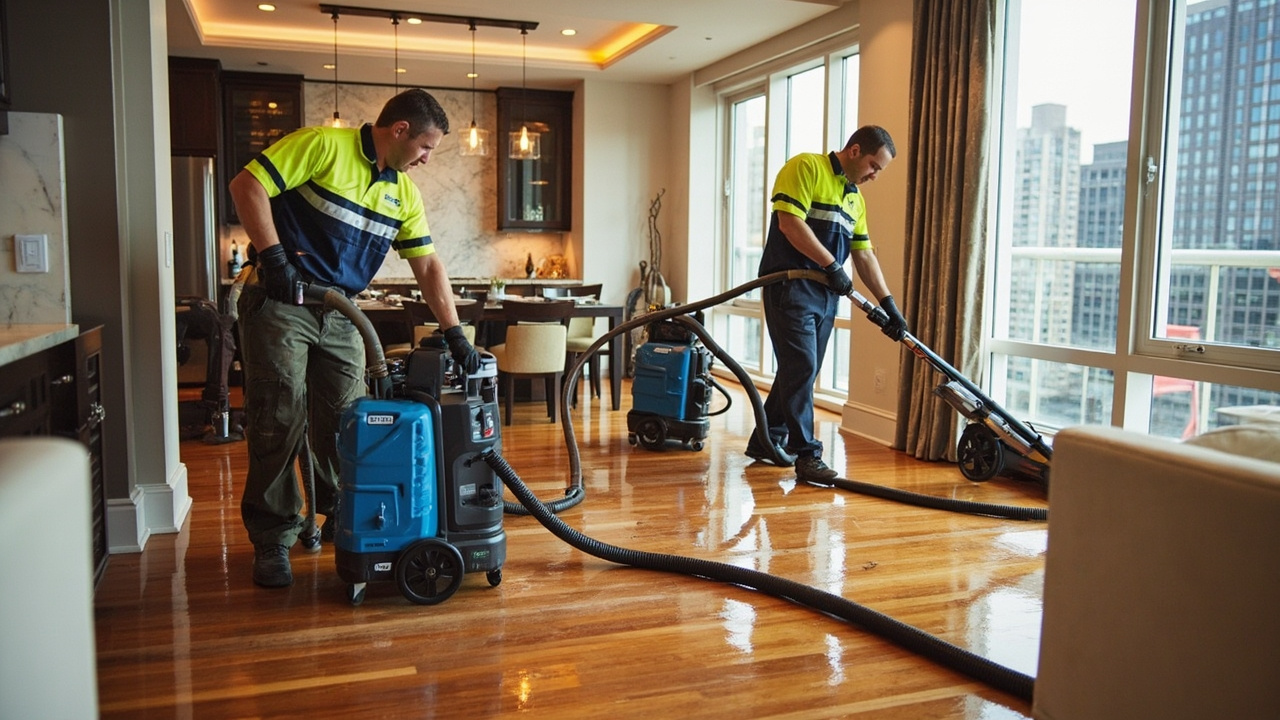






Chicago operates one of the oldest combined sewer systems in the country, where storm runoff and sanitary sewage share the same pipes. During heavy rain events, this system overflows, sending diluted sewage back into basements through floor drains and toilets across neighborhoods citywide. Unlike clean water pipe bursts, these backflows introduce bacteria, viruses, and parasites that require immediate professional extraction and antimicrobial treatment. Category 3 black water contamination means you cannot safely remove the water yourself. Chicago building codes require proper disposal of contaminated materials and documentation of sanitation procedures. Our emergency water extraction services include biohazard protocols specifically for sewage backflows that hit Chicago properties during every major storm. Understanding this infrastructure risk is why our technicians arrive prepared for contamination scenarios other restoration companies might mishandle.
Chicago properties face water damage risks most restoration guides do not address. Older homes use clay tile sewer laterals that crack under freeze-thaw stress, causing recurring backflows. Basement floor drains often lack backflow preventers required by current code. Many buildings in dense neighborhoods like Logan Square and Pilsen sit below street grade, making them collection points for surface water during flash floods. Cornerstone Water Damage Restoration Chicago trains specifically for these local conditions. Our technicians recognize Chicago construction methods, understand how the city's topography affects drainage patterns, and know which basement flooding scenarios indicate sewer system issues versus groundwater intrusion. We work directly with local plumbers, insurance adjusters, and building inspectors who know us by reputation. That local authority means faster permit approvals, smoother insurance claims, and restoration work that actually addresses Chicago-specific water damage causes, not generic textbook solutions.